Understanding the Best Cities and Areas for Expats in Panama
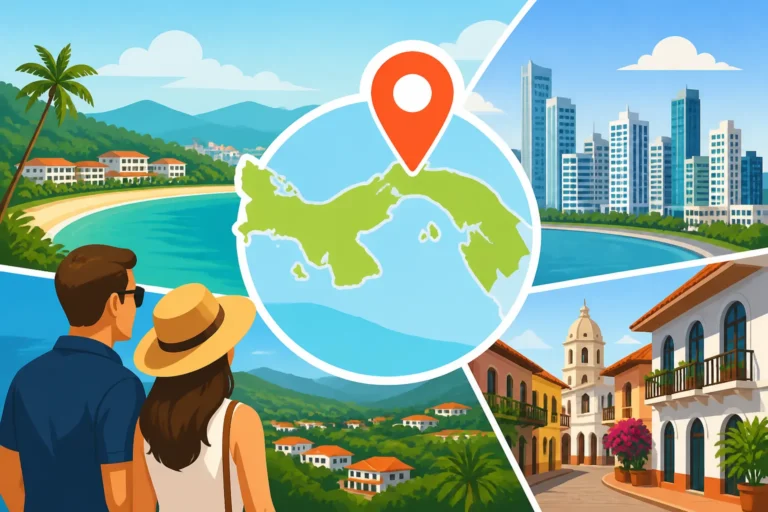
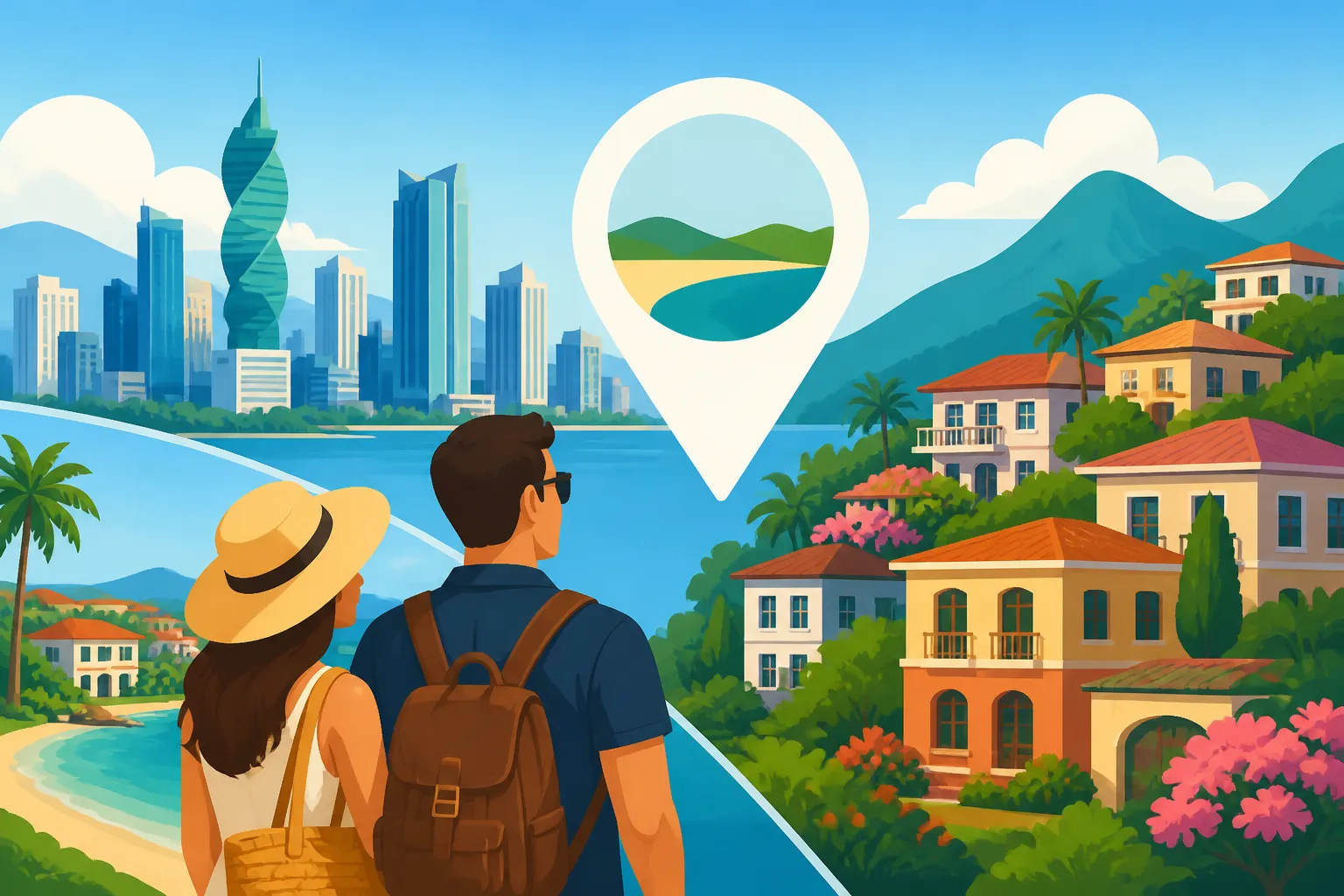
Deciding where to plant your roots in Panama can feel like a monumental task, especially when you're caught between the vibrant promise of a new life and the sheer overwhelm of so many choices. It’s not just about finding a pretty place; it's about discovering a community, a lifestyle, and a rhythm that genuinely resonates with your expat dreams. This guide is here to cut through the noise, offering an honest, in-depth look at Panama’s most popular expat destinations, helping you navigate the diverse landscapes and find your perfect slice of paradise.
Panama City: The Urban Expat Hub
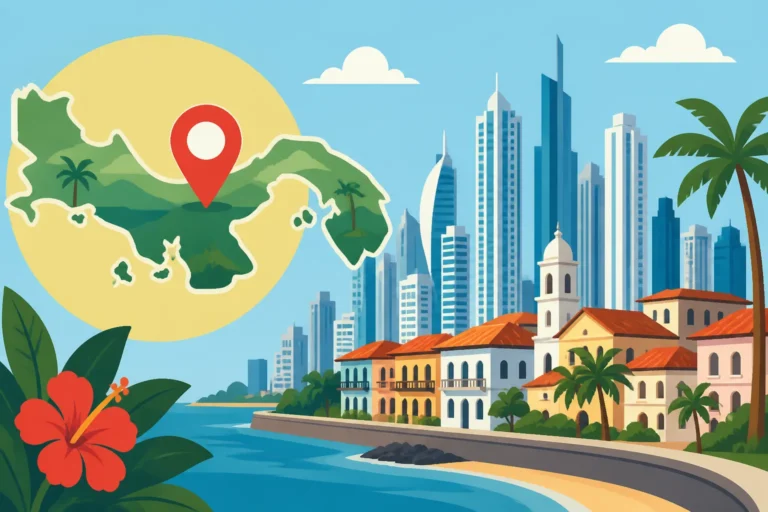
Panama City is, without a doubt, the beating heart of Panama. It's a place where gleaming skyscrapers pierce the tropical sky, bustling markets hum with life, and a vibrant international community thrives. For many expats, particularly those coming from larger North American or European cities, Panama City offers a familiar pace and an abundance of modern conveniences that make the transition smoother, albeit with its own unique Panamanian flavor. It’s where you’ll find the widest range of amenities, services, and career opportunities, often acting as the initial landing spot for newcomers.
Lifestyle and Amenities in Panama City
Life in Panama City can be as luxurious or as laid-back as you make it. You'll find world-class dining, from exquisite rooftop restaurants with skyline views to humble fondas serving up delicious local fare. Shopping is abundant, with large malls like Multiplaza and Albrook Mall offering everything from international brands to local boutiques. For those who crave cultural experiences, there are museums, art galleries, and live music venues, especially in areas like Casco Viejo. Access to quality healthcare is also a major draw, with top-tier private hospitals such as Hospital Punta Pacifica (affiliated with Johns Hopkins Medicine International) and Hospital Nacional providing excellent medical services. This city truly offers a blend of Latin American charm and cosmopolitan sophistication.
Beyond the concrete jungle, Panama City also boasts surprisingly green spaces. Parque Natural Metropolitano, a rainforest reserve within the city limits, offers hiking trails and incredible wildlife viewing opportunities, including sloths and monkeys. The Amador Causeway is perfect for cycling, jogging, or simply enjoying panoramic views of the city skyline and the Panama Canal entrance. This mix of urban excitement and natural beauty is a significant draw, ensuring you’re never too far from an escape from the daily grind. The ease of getting things done, from opening a bank account to finding an English-speaking doctor, often makes Panama City the default choice for many.
Neighborhood Highlights for Expats
When it comes to Panama City, the specific neighborhood you choose can drastically alter your daily experience. Each area has its own personality, amenities, and price points.
- Punta Pacifica & Costa del Este: These are the epitome of luxury living in Panama City. Think high-rise condos, pristine streets, upscale restaurants, and easy access to international schools. Punta Pacifica is closer to the city center and the business district, while Costa del Este is a meticulously planned, self-contained community with wide avenues, parks, and its own commercial centers. They offer a highly comfortable, North American-style living experience but come with a higher price tag. Rents here can rival those in some major U.S. cities, but the convenience and safety are often seen as worth it.
- El Cangrejo & Obarrio: These neighborhoods are known for their vibrant, walkable atmosphere. El Cangrejo is particularly popular with younger expats and digital nomads due to its lively nightlife, diverse restaurants, and bohemian vibe. Obarrio, adjacent to the financial district, offers a mix of residential and commercial properties, providing convenience for those working in the city. Both areas feature a mix of older, more charming buildings and newer developments, giving you more varied choices for renting an apartment in Panama.
- Casco Viejo: This UNESCO World Heritage site is the historic heart of Panama City, characterized by beautifully restored colonial buildings, cobblestone streets, and a buzzing cultural scene. Living here means being surrounded by history, art, and an eclectic mix of tourists and locals. It's not for everyone – it can be noisy, and apartments are often smaller, but the charm and unique lifestyle are undeniable. It's a truly immersive Panamanian experience, albeit one that is increasingly globalized.
- Clayton: Located near the former Panama Canal Zone, Clayton offers a more suburban, greener environment, often favored by families and those working for international organizations or the Panama Canal Authority. It’s known for its spacious homes, tree-lined streets, and a more tranquil atmosphere than the dense city center. While a bit further out, it still provides good access to schools and amenities.
Choosing the right neighborhood depends heavily on your budget, lifestyle preferences, and whether you prefer being in the thick of it or a bit removed.
Boquete: The Mountain Retreat
Leaving the urban sprawl of Panama City behind, we head to the serene highlands of Boquete in the Chiriquí Province. This charming mountain town, nestled amidst lush cloud forests and coffee plantations, offers a dramatically different expat experience. Boquete has become a magnet for retirees and those seeking a cooler climate, a slower pace of life, and a strong sense of community. Its reputation as an expat haven is well-earned, drawing people from all over the world to its temperate climes and natural beauty.
Climate and Community in Boquete
Boquete is often referred to as the "Land of Eternal Spring" due to its mild, agreeable climate. Unlike the often sweltering heat and humidity of Panama City or the coastal regions, Boquete enjoys daytime temperatures typically in the low to mid-20s Celsius (70s Fahrenheit), with cooler evenings. This makes it ideal for outdoor activities and means you can often forgo air conditioning, a welcome relief for many. The rainy season brings lush greenery and vibrant blooms, while the dry season offers clear, sunny days perfect for exploring.
The expat community in Boquete is famously active and welcoming. There are numerous clubs, social groups, and volunteer opportunities catering specifically to foreigners. Whether you're interested in hiking, birdwatching, bridge, or just a good old-fashioned potluck, you’ll find a group that shares your interests. This strong community network is a huge plus for new arrivals, helping them integrate and build a social circle quickly. It’s a place where people genuinely look out for one another, and newcomers often remark on the ease of making friends. Many choose Boquete specifically for this ready-made social fabric.
Activities and Cost of Living in Boquete
Boquete offers a plethora of activities for nature lovers and adventurers. The region is famous for its exceptional coffee, and tours of coffee plantations are a popular pastime. Hiking trails abound, including the challenging ascent of Volcán Barú, Panama’s highest peak, offering stunning sunrise views from both the Pacific and Atlantic coasts on a clear day. Whitewater rafting, zip-lining, and exploring the area's many waterfalls are also popular. The town itself has a charming central park, a variety of restaurants ranging from casual eateries to fine dining, and regular farmers' markets offering fresh, local produce.
The cost of living in Boquete is generally lower than in Panama City, especially when it comes to housing. You can often find comfortable homes or apartments for rent at more affordable prices, and fresh produce from local markets is very economical. However, imported goods or specialty items can still be pricey. While you won't find the same level of high-end shopping or diverse amenities as in the capital, Boquete offers a simpler, more connected lifestyle. For those seeking a tranquil, affordable, and community-focused retirement or a peaceful remote work base, Boquete is a top contender. When you consider the general cost of living in Panama for expats, Boquete often comes out favorably for a high quality of life on a reasonable budget.
Coronado and the Pacific Beaches: Coastal Living
For those who dream of waking up to the sound of waves and having sand between their toes, Panama’s Pacific coast offers a string of appealing beach towns. Coronado is arguably the most developed and popular of these, serving as the hub for a wider "Pacific Beaches" region that includes towns like Gorgona, San Carlos, and Farallón. This area is a go-to for many North American expats seeking a relaxed, sunny lifestyle with convenient access to amenities.
Beach Town Vibe and Expat Community
Coronado distinguishes itself with a well-established expat community and a more upscale, North American-influenced vibe compared to other beach areas. It's often described as a "self-contained" beach community, meaning you can find most of what you need right there without constantly driving back to the city. The town is primarily centered around a major highway intersection, with various plazas and commercial centers branching off. You'll find a mix of full-time residents, snowbirds escaping winter, and weekenders from Panama City, creating a diverse social scene.
The lifestyle here is definitely focused on the outdoors. Days are often spent at the beach, by the pool, or engaging in activities like golf, tennis, or fishing. Evenings might involve sunset drinks at a beachfront restaurant or a social gathering with friends. While not as intensely structured as Boquete's expat groups, there are still plenty of opportunities to connect with fellow foreigners through casual meetups, sports clubs, or volunteer initiatives. It’s a comfortable blend of local Panamanian life and expat amenities.
Amenities and Proximity to Panama City
Coronado’s appeal lies in its balance of beach living with urban conveniences. Unlike more remote coastal areas, Coronado boasts a large supermarket (Riba Smith and Machetazo), several pharmacies, a private clinic, banks, restaurants, and various service providers. This means you don't have to sacrifice essential amenities for the beach life. Many businesses cater to the expat demographic, so you'll often find English spoken and familiar products on the shelves. This accessibility makes it an attractive option for those who want a change of scenery without completely disconnecting from modern comforts.
One of Coronado's biggest advantages is its relative proximity to Panama City, approximately an hour to an hour and a half drive. This allows residents to easily access the capital for more specialized medical care, a wider array of shopping, or a dose of city culture when desired. This 'best of both worlds' scenario means you can enjoy the tranquil beach environment while knowing that the bustling city is just a short trip away. This convenience also means that when you need to set up utilities or manage other administrative tasks, the resources are often more straightforward to access than in truly rural areas. The ability to commute for work or leisure also means that residents here might consider driving in Panama more frequently.
David: The Chiriquí Province Gateway
Often overlooked by expats for the more famous locales, David, the capital of the Chiriquí Province, presents a compelling option for those seeking an authentic Panamanian experience coupled with affordability and strategic access. Located closer to the Costa Rican border, David serves as a major commercial and agricultural hub for the western part of Panama, making it a bustling and self-sufficient city in its own right. It's not a quaint beach town or a cool mountain retreat, but a working Panamanian city that offers a different kind of charm and practicality.
Affordability and Access to Services
One of David's strongest selling points is its affordability. The cost of living here is significantly lower than in Panama City and often more competitive than in Boquete or Coronado. Housing, groceries, and local services tend to be much cheaper, allowing expats to stretch their budgets further without compromising on a good quality of life. For instance, dining out at local restaurants often costs a fraction of what you'd pay in the capital. This financial advantage makes David particularly attractive for retirees on a fixed income or those looking to maximize their savings.
As the second-largest city in Panama, David offers a comprehensive range of services and amenities. You'll find major hospitals (both public and private like Hospital Chiriquí), large supermarkets, shopping malls (e.g., Chiriquí Mall), banks, and all the essential infrastructure you'd expect from a regional capital. This means residents have easy access to modern conveniences, specialized medical care, and diverse shopping options without the need to travel to Panama City. It acts as the gateway to the entire Chiriquí region, providing a practical base for exploring the mountains, beaches, and agricultural areas nearby.
Local Culture and Pace of Life
Life in David moves at a distinctly Panamanian pace – often slower and more traditional than in the cosmopolitan capital. While there is an expat presence, it's not as concentrated or as exclusively foreign-focused as in Boquete or Coronado. This provides a more immersive experience for those eager to embrace local culture, practice their Spanish, and truly integrate into Panamanian society. You'll find a lively street scene, vibrant festivals, and a strong sense of community rooted in local traditions and family values.
For individuals who appreciate the warmth of tropical weather and prefer a city that feels genuinely Panamanian rather than tailored for foreigners, David is an excellent choice. It offers the best of both worlds: the conveniences of a sizable city with the authenticity and affordability of a regional hub. It's a great option for those who want a comfortable yet genuinely Panamanian urban experience, providing a springboard for adventures into the natural beauty of the Chiriquí highlands and the nearby Pacific beaches.
Emerging Expat Destinations: Beyond the Mainstream
While Panama City, Boquete, and Coronado capture the lion's share of expat attention, Panama is a country of incredible diversity, and several other regions are slowly but surely gaining recognition among foreign residents. These areas often appeal to those seeking a more off-the-beaten-path experience, deeper cultural immersion, or even greater affordability. They require a bit more adventurous spirit but can reward with unique lifestyles and a stronger sense of local connection.
Bocas del Toro: Caribbean Island Life
If your vision of paradise involves turquoise waters, coral reefs, and a laid-back, bohemian island vibe, then Bocas del Toro might be your calling. This archipelago on Panama's Caribbean coast offers a completely different rhythm of life. The main town, Bocas Town on Isla Colón, is a colorful hub with over-the-water restaurants, lively bars, and tour operators ready to take you snorkeling, surfing, or island-hopping. The expat community here is diverse, attracting a younger crowd, digital nomads, and those drawn to a truly relaxed, tropical existence.
Life in Bocas del Toro is dictated by the ocean. While the infrastructure is less developed than on the mainland, you'll find essential services, boutique hotels, and a growing number of international eateries. Power outages and slower internet can be a reality, but for many, it's a small price to pay for the stunning natural beauty and chill atmosphere. If you're looking to escape the rat race entirely, enjoy water sports, and embrace a simple, barefoot lifestyle, Bocas offers an intoxicating blend of adventure and tranquility. For those considering a move, understanding the nuances of communication, perhaps using a reliable eSIM like Airalo to stay connected from day one, can make a huge difference in these less urbanized areas.
Azuero Peninsula: Authentic Panamanian Culture
The Azuero Peninsula, encompassing provinces like Herrera, Los Santos, and Veraguas, is often referred to as the "heartland" of Panamanian culture. This region is famous for its rich folklore, traditional festivals (like Carnaval and Corpus Christi in La Villa de Los Santos), and artisanal crafts. Towns such as Las Tablas, Chitré, and Pedasí offer a glimpse into traditional Panamanian life, characterized by bustling central squares, historic churches, and a strong sense of local identity.
Expat communities here are generally smaller and more spread out, meaning a greater opportunity for immersion in local customs and language. The pace of life is significantly slower than in Panama City, and the cost of living is very attractive. Pedasí, in particular, has seen a small but steady influx of expats drawn to its charming town center, beautiful nearby beaches (like Playa Venao for surfing), and excellent fishing. While amenities might be more basic, the warmth of the local people and the authenticity of the cultural experience are profound rewards. For those moving household goods to such a region, services like Sirelo, which compare international moving companies, can be invaluable to ensure a smooth transition to a less-known destination.
Factors to Consider When Choosing Your Panamanian Home
Choosing the "best" place to live in Panama isn't about finding a universally perfect spot; it's about discovering what’s best for you. Panama is incredibly diverse, offering everything from bustling city life to tranquil mountain retreats and sun-drenched beaches. Your ideal location will depend heavily on your personal preferences, priorities, and lifestyle expectations. Taking the time to evaluate these factors thoroughly can save you a lot of heartache and ensure a smoother transition to your new life in the tropics.
Cost of Living and Budget
This is often the first and most critical factor for many expats. Panama City, particularly its upscale neighborhoods, will have the highest cost of living, with rents and services comparable to some mid-sized North American cities. Boquete and Coronado offer a good balance, but their popularity means prices for housing and certain imported goods can still be higher than in more local areas. David and the Azuero Peninsula generally present the most affordable options across the board.
Consider not just rent or property purchase prices, but also utilities, transportation, groceries, and dining out. Do you plan to eat locally, or will you seek out imported comforts? Your answer will significantly impact your monthly expenses. For a detailed breakdown, check out our guide on the cost of living in Panama for expats. Crafting a realistic budget is crucial, and it’s always wise to add a buffer for unexpected expenses, especially during your initial setup phase.
Healthcare Access and Quality
For many, particularly retirees or those with specific medical needs, access to quality healthcare is a non-negotiable. Panama City undoubtedly offers the most advanced medical facilities, with state-of-the-art private hospitals, specialized clinics, and a wide array of English-speaking doctors. Major hospitals like Hospital Punta Pacifica and Hospital Nacional are well-regarded. If you plan on living outside the capital, you'll need to consider how far you are from these top-tier services.
Boquete has several reputable clinics and a smaller hospital, with David offering a larger range of medical facilities for the Chiriquí Province. Smaller towns and island destinations like Bocas del Toro will have more limited options, often requiring travel to the mainland or the capital for serious medical concerns. It's essential to research the local healthcare infrastructure thoroughly and understand how private and public healthcare options work in Panama, especially if you're navigating the system for the first time. Our comprehensive guide on healthcare in Panama for expats can provide much-needed clarity.
Community and Social Life
Do you thrive in a large, active expat community, or do you prefer to immerse yourself fully in local culture? Boquete is renowned for its vibrant and extensive expat network, offering countless social clubs and activities. Coronado also has a strong, albeit more spread-out, expat presence focused on beach activities. Panama City’s expat community is diverse and international, but often less cohesive, spread across various neighborhoods and professional circles.
In contrast, places like David or the Azuero Peninsula will require more initiative to build a social circle, often involving learning Spanish and engaging with local communities. Each approach has its merits; some expats find comfort and support in a ready-made expat bubble, while others seek a deeper, more authentic connection with their adopted country. Reflect on your own social preferences and how much effort you're willing to put into building a new network.
Infrastructure and Connectivity
Consider your daily needs regarding infrastructure. If reliable, high-speed internet is crucial for remote work or staying connected with family, Panama City, with its modern fiber-optic networks, will likely be your best bet. Even in larger cities, you should understand how to set up internet and mobile service in Panama efficiently. While improving, internet speeds and reliability can vary significantly in more rural or island locations like Bocas del Toro. Always check the specific options available in your chosen area.
Transportation is another key consideration. Panama City boasts a modern metro system and extensive bus routes. In other areas, you might rely more on personal vehicles, taxis, or local buses, which can be less frequent. Road conditions can also vary, especially in rural areas. Think about how you’ll get around, whether you plan to buy a car in Panama or rely on public transport. Access to shopping, banking, and other everyday services also falls under infrastructure. Some expats prefer having everything within a short drive, while others are content with fewer options for the sake of peace and quiet.
Below is a comparison table to help you visualize the differences between Panama's main expat destinations:
| Feature / Location | Panama City | Boquete | Coronado | David | Bocas del Toro | Azuero Peninsula |
|---|---|---|---|---|---|---|
| Climate | Hot & Humid (Tropical) | Mild & Temperate (Spring) | Hot & Humid (Coastal) | Hot & Humid (Tropical) | Hot & Humid (Caribbean) | Hot & Dry (Tropical) |
| Cost of Living | High | Medium-High | Medium-High | Low-Medium | Medium | Low |
| Expat Community | Large, Diverse, Dispersed | Large, Active, Cohesive | Medium, Beach-focused | Small, Integrated | Medium, Bohemian | Small, Integrated |
| Amenities | Excellent, World-Class | Good, Essential | Good, Beach-focused | Good, Regional Hub | Basic, Island-style | Basic, Local |
| Healthcare Access | Excellent | Good | Basic (Clinics only) | Good (Regional Hospital) | Limited (Clinic only) | Limited (Local Clinics) |
| Infrastructure | Modern, Extensive | Good, Developing | Good, Suburban | Good, Urban | Basic, Island | Basic, Rural |
| Pace of Life | Fast, Bustling | Slow, Relaxed | Relaxed, Beachy | Moderate, Traditional | Very Slow, Chill | Slow, Authentic |
| Primary Appeal | Urban convenience, Career | Nature, Cool climate, Community | Beaches, Golf, Comfort | Affordability, Authenticity | Caribbean, Water sports | Culture, Tranquility |
Ultimately, the best way to choose your ideal location is to visit them. Spend a few weeks or even months in different areas, immersing yourself in the local rhythm, talking to other expats, and seeing firsthand what truly feels like home. This "boots on the ground" research is invaluable and will give you a real sense of where you belong in this beautiful country.
Disclaimer
The information provided in this guide is intended for general informational purposes only and does not constitute legal, financial, or medical advice. While we strive to ensure accuracy and provide up-to-date content, circumstances in Panama, including laws, regulations, and market conditions, can change rapidly. Readers should conduct their own due diligence and consult with qualified local professionals (e.g., lawyers, real estate agents, financial advisors, healthcare providers) for advice tailored to their specific situation before making any decisions related to relocation, housing, or healthcare in Panama. We do not endorse any specific services or providers.