Understanding Water and Utility Bills in Panama
Moving to Panama, whether you're setting up a new home in the bustling city or a tranquil spot in the highlands, comes with a whole new set of administrative hurdles. Among the most common frustrations for new arrivals is trying to wrap your head around utility bills – from deciphering arcane charges to simply knowing where and how to pay. This guide is here to untangle the complexities of water, electricity, internet, and other household utility bills in Panama, offering a realistic, expat-friendly roadmap to keep your lights on, water running, and sanity intact.
The Initial Shock: Understanding Panamanian Utility Providers and Billing Cycles
When you first land in Panama and start the process of setting up your home, one of the quickest ways to feel overwhelmed is by the sheer unfamiliarity of the utility landscape. It's not just about paying for electricity; it's about understanding who provides it, how they bill, and when those bills are due. Trust me, it’s a steep learning curve, and many of us have been there, staring blankly at a bill printed entirely in Spanish.
Who Are the Key Players? Electricity, Water, and Beyond
In Panama, utilities are largely handled by a few key players, and getting to know them is your first step to conquering the billing beast. For electricity, you'll primarily be dealing with one of two major distributors, depending on your location. ENSA (Empresa de Distribución Eléctrica Metro-Oeste, S.A.) covers Panama City and the eastern part of the country, stretching out towards the Darién. If you're settling in the western provinces, like Chiriquí or Bocas del Toro, your provider will likely be Naturgy (formerly Elektra Noreste, S.A.). Both companies manage the distribution and commercialization of electricity to homes and businesses. They handle everything from meter readings to customer service and billing.
For water and sewerage services, there's one omnipresent entity: IDAAN (Instituto de Acueductos y Alcantarillados Nacionales). This is the national institute responsible for providing potable water and managing wastewater infrastructure across the country. They are a government agency, and dealing with them often comes with its own unique set of bureaucratic quirks, as many expats quickly discover. Beyond these two, garbage collection is another essential service. In Panama City, this is managed by DIMA (Autoridad de Aseo Urbano y Domiciliario), which is another public entity. In other municipalities, local authorities or private contractors might handle waste collection. Sometimes, this fee is consolidated into your electricity bill, adding another layer of "what exactly am I paying for?" to the mix.
Navigating Billing Cycles and Payment Due Dates
One of the first things you'll notice about Panamanian utility bills is that they aren't always consistent. While electricity bills from ENSA and Naturgy are generally issued monthly, water bills from IDAAN can sometimes operate on a monthly or even bi-monthly cycle, depending on your area and the efficiency of their meter reading. Each bill will clearly state the billing period and the due date, often with a "fecha límite de pago." It's absolutely crucial to pay attention to these dates.
Panamanian utility companies can be quite strict about late payments. Missing a due date, even by a day or two, can result in late fees, interest charges, or, in more severe or repeated cases, the suspension of your service. Nobody wants to be without electricity or water, especially during a scorching Panamanian summer! You'll often find a grace period of a few days, but it’s always better to pay on time. Bills are typically delivered physically to your residence, which can be hit-or-miss depending on local mail service reliability, or they might be sent via email if you've registered for electronic billing. Many expats find the physical delivery unreliable and prefer to register for online portals or auto-payments, which we'll discuss later, to avoid unexpected disconnections. Understanding how to pay your utility bills in Panama is just as important as knowing when they're due.
Deciphering Your Electricity Bill: More Than Just KiloWatts
Your electricity bill, whether from ENSA or Naturgy, is probably the most substantial utility cost you'll face here in Panama, especially if you're like me and can't live without air conditioning. But it’s rarely just a simple calculation of how many kilowatts you've used. There are multiple line items, government charges, and sometimes even subsidies to consider.
Key Components of an Electricity Bill (e.g., ENSA, Naturgy)
When you get your electricity bill, you'll see a breakdown of several charges. The most obvious, of course, is consumo (consumption), measured in kilowatt-hours (kWh). This is the core charge for the actual electricity you've used, and it's calculated based on your meter reading. Next, you'll often see a cargo fijo (fixed charge), which is a basic service charge that applies regardless of your consumption. Think of it as a connection fee. There are also usually various cargos por impuestos y tasas (taxes and fees) levied by the government, which can include things like a portion for the Public Services Authority (ASEP) or contributions to rural electrification funds.
One important aspect to note is the presence of subsidies. The Panamanian government often provides electricity subsidies to residential users, especially those with lower consumption levels, to keep costs down. This subsidy, known as Fondo de Estabilización Tarifaria (FET) or similar, will appear as a deduction on your bill. However, these subsidies usually have consumption limits. If your usage goes above a certain threshold (e.g., 300 kWh, though this can change), the subsidy might reduce significantly or disappear entirely, leading to a much higher bill than you might expect. It's why that first really hot month, when your AC is running constantly, can deliver quite a shock! Learning how to set up electricity in your Panama home means understanding these variable charges.
Understanding Consumption and Controlling Costs
The biggest factor influencing your electricity bill will always be your consumption. And in Panama, one word dominates the conversation about consumption: air conditioning. Running AC units, especially older, less efficient models, can easily make up the lion's share of your bill. Beyond AC, electric water heaters are another significant energy hog. Many apartments in Panama come with instant electric water heaters, which can be convenient but also very power-hungry if left on unnecessarily or used for long, hot showers. Other appliances, like large refrigerators, clothes dryers, and even multiple electronics on standby, all contribute to your overall kWh usage.
To control costs, a few simple habits can make a huge difference. Using AC strategically – only in rooms you're occupying and only when truly necessary – is key. Many expats invest in inverter AC units, which are far more energy-efficient in the long run. Consider using a timer for your water heater, or even turning it off when you don't need hot water. Unplugging electronics when not in use can also chip away at "phantom load" consumption. Panama’s tropical climate means you’ll rely heavily on fans and AC, but smart usage can prevent exorbitant bills. Think about whether you really need to keep the entire house at a frigid 18°C when 24°C with a good ceiling fan might suffice. The cost of living in Panama for expats can fluctuate wildly based on these utility decisions.
Getting a Handle on Your Water Bill: IDAAN Explained
Ah, IDAAN. For many expats, dealing with the national water institute can be one of the more "character-building" experiences in Panama. While often more affordable than electricity, water bills have their own set of intricacies and, occasionally, frustrations.
The Structure of IDAAN Bills and Common Charges
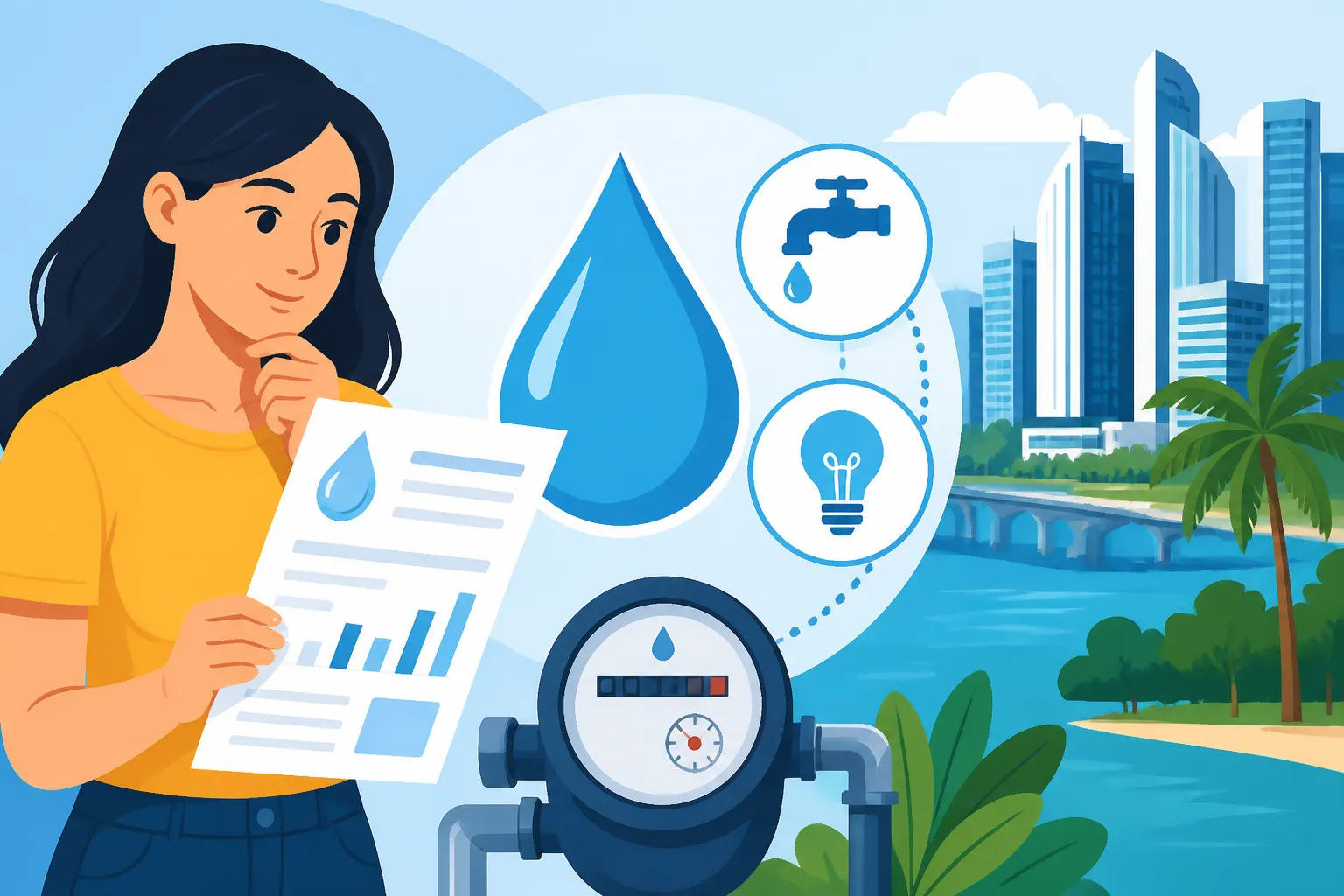
IDAAN, the Instituto de Acueductos y Alcantarillados Nacionales, is the sole provider of water and sewerage services. Your water bill from IDAAN will typically include a few core components. First, there's the consumo de agua potable (potable water consumption), usually measured in cubic meters (m³). This is the charge for the actual water you use. Then, there's often a cargo por alcantarillado (sewerage charge), which covers the treatment and disposal of wastewater. This is usually a percentage of your water consumption or a fixed rate.
You'll also find a cargo fijo (fixed charge) on most bills, similar to electricity, for the basic connection to the system. Occasionally, there might be other small administrative fees. One thing to be wary of is cargos atrasados (overdue fees) or intereses por mora (late interest), which can quickly accumulate if bills are missed or payments aren't processed promptly. IDAAN bills are generally quite basic in their presentation, sometimes just a small slip of paper, so it’s easy to overlook crucial details. Knowing how to set up water service in Panama and consistently paying your bill is essential.
Dealing with IDAAN: Challenges and Solutions
Let's be realistic: IDAAN isn't always the most efficient organization. Expats often report a range of challenges, from inaccurate meter readings to unexplained spikes in bills, and perhaps the most common frustration, inconsistent service. It’s not uncommon for water service to be interrupted for maintenance, repairs, or sometimes, seemingly no reason at all. These outages can last anywhere from a few hours to several days in more severe cases. While inconvenient, these are part of the reality of living in Panama and something most residents learn to live with.
If you suspect an inaccurate bill or experience a service issue, reporting it to IDAAN can be a test of patience. Their customer service centers can have long wait times, and language barriers can add to the difficulty. My advice? Document everything. Keep records of your meter readings (take photos if you can!), especially if you dispute a bill. If there's an issue, head to your local IDAAN office, armed with your bill, your cedula or passport, and ideally, a Spanish-speaking friend or translator. Persistency is key. Many residential buildings or communities have a dedicated administrator or local contact who can also assist in reporting issues to IDAAN, which can be a lifeline for expats.
Internet, Cable, and Mobile: Staying Connected in Panama
In today's world, being connected isn't just a luxury; it's a necessity, whether you're working remotely, streaming your favorite shows, or just keeping in touch with family back home. Panama offers robust options, but choosing the right provider and package requires a bit of research.
Major Providers and Package Options
When it comes to internet and cable TV, you'll mainly be looking at a few dominant players. Cable & Wireless Panama, now operating as +Movil, is a major telecommunications company offering internet, cable TV, and mobile services. They have extensive coverage, especially in urban areas. Another significant player is Tigo, which acquired the operations of Cable Onda. Tigo also offers a comprehensive suite of services including internet (often fiber optic in newer developments), cable TV, and mobile plans. Claro is another option, although perhaps less ubiquitous for residential internet and cable in some areas compared to +Movil and Tigo, but strong in mobile services. In recent years, Liberty has entered the market and is expanding its fiber optic network, promising competitive speeds and reliability.
Many providers offer bundled packages that combine internet, cable TV, and sometimes even landline phone services at a reduced rate. When choosing, consider the type of internet connection – fiber optic is increasingly available in Panama City and major expat hubs like Coronado or Boquete, offering much faster and more stable speeds than traditional cable internet. Always check what speeds are realistically available in your specific building or neighborhood, as advertised speeds aren't always what you'll get everywhere. Also, confirm installation times, as these can sometimes take longer than expected. Understanding how to set up internet and mobile service in Panama is a key part of your initial move.
Mobile Phone Services and Staying Connected
For mobile phone services, the main providers are again +Movil, Tigo, and Claro, with Digicel also having a presence. You'll typically have two main options: prepaid (prepago) or postpaid (postpago). Prepaid plans are popular among new arrivals and those who prefer flexibility. You buy a SIM card, add credit (saldo), and purchase data or call packages as needed. This is great for managing your spending and avoiding contracts. You can easily top up your saldo at supermarkets, pharmacies, and even many small shops.
Postpaid plans, on the other hand, require a contract, which usually means providing more documentation, including your residency card (cedula) and sometimes proof of income or a local bank account. These plans often come with more generous data allowances and perks but require a longer commitment. For those just arriving or traveling frequently, a global eSIM provider like Airalo can be a fantastic interim solution to ensure you have data connectivity from the moment you land, without the immediate hassle of local SIM registration. It allows you to get online and navigate while you sort out your long-term local mobile plan. Be sure to check network coverage in the specific areas you plan to frequent, especially if you venture outside Panama City into more rural regions, as coverage can vary significantly between providers.
Garbage Collection and Other Miscellaneous Utilities
Beyond the big three—electricity, water, and internet—there are other recurring costs that contribute to your overall utility expenses in Panama. These often fly under the radar until you're faced with an unexpected bill or fee.
Understanding Waste Management Fees
Waste management, or recolección de basura, is an essential service, but how you pay for it can differ. In Panama City, the Autoridad de Aseo Urbano y Domiciliario (DIMA) is responsible for garbage collection. Historically, the fee for DIMA's service was sometimes included as a separate line item on your electricity bill, making it easy to pay without thinking twice. However, DIMA has been shifting towards direct billing in some areas, or the fee might be tied to your property tax. This change can sometimes catch expats off guard, as they might receive a separate DIMA bill they weren't expecting.
In areas outside Panama City, garbage collection is managed by the local municipality, or by private contractors hired by the municipality. The fee might be part of your property taxes, a separate municipal charge, or, less commonly, collected directly by a private company. It's wise to clarify how waste management fees are handled in your specific area when you first move in, to avoid any surprises. Proper waste disposal is important for hygiene and local regulations, so ensuring you're paying these fees and adhering to collection schedules is crucial.
Propiedad Horizontal (PH) Fees and Community Charges
If you're renting or buying an apartment in a building or a house in a gated community, you'll almost certainly encounter Propiedad Horizontal (PH) fees, also known simply as HOA (Homeowner Association) fees in many other countries. These are monthly or quarterly charges levied by the building or community administration to cover the costs of shared amenities and services.
PH fees can vary dramatically depending on the building's amenities, age, and location. They typically cover maintenance of common areas (pools, gyms, lobbies, elevators), 24-hour security, landscaping, and sometimes even a portion of the building's water supply or common area electricity. In some high-end buildings, PH fees might also include gas service or even a basic internet package for all residents. It is absolutely critical to understand what is included in your PH fees before you sign a rental agreement or purchase property. For instance, sometimes water is included, meaning you won't get a separate IDAAN bill; other times, only the water for common areas is covered. Always ask for a detailed breakdown of what the PH fee covers. This is a recurring expense that can significantly impact your overall cost of living and is usually non-negotiable. For a deeper dive, check out our guide on Understanding HOA and PH (Propiedad Horizontal) Fees in Panama.
Paying Your Utility Bills: Methods and Tips
Once you've identified your providers and figured out what each line item on your bill means (congratulations, by the way, that's half the battle!), the next step is to actually pay them. Fortunately, Panama offers several convenient options, but knowing the most efficient ones can save you a lot of time and potential headaches.
Payment Methods: Online, Bank, and Physical Locations
Panama has a fairly modern banking system, and most major banks offer excellent online platforms. For many expats, the easiest way to pay utility bills is through online banking. Once you've opened a bank account in Panama, you can typically set up bill payments for ENSA, Naturgy, IDAAN, +Movil, Tigo, and Claro directly through your bank's website or mobile app. Banks like Banco General and Banistmo are popular choices among expats and have user-friendly online interfaces. You usually just need your customer account number from the utility bill to register the payment. This method allows you to pay from the comfort of your home and keep digital records. Many choose to set up automatic recurring payments (débito automático) to ensure bills are never missed, which is a lifesaver for busy expats. The Expat Guide to Opening a Bank Account in Panama is a great resource if you haven't set one up yet.
If you prefer to pay in person, you have plenty of options. Most utility companies have their own customer service centers where you can pay directly. Additionally, many supermarkets (like El Rey, Riba Smith, Super 99) and pharmacies (like Arrocha, Metro Pharmacy) have designated payment kiosks or customer service desks that accept utility payments. These are incredibly convenient, especially if you're already doing your grocery shopping. Just bring your physical bill or your account number. Some small neighborhood stores, called abarroterías, might also offer payment services. Always ask for and keep your receipt as proof of payment.
Troubleshooting and Preventing Issues
Despite your best efforts, sometimes things go sideways. You might receive an unusually high bill, suspect an error, or find that a payment didn't go through. My first piece of advice is: don't panic, but act quickly. For a suspiciously high bill, first re-examine the bill carefully. Did your consumption dramatically increase? Was there a change in subsidy? If you still suspect an error, gather all your previous bills and head to the utility provider's customer service center. Be prepared to explain the issue, ideally with a Spanish speaker if your Spanish isn't fluent. Patience and politeness go a long way.
Keeping meticulous records is a golden rule in Panama. Hold onto your payment receipts, confirmation emails, and any correspondence with utility providers. This documentation is your best friend if a dispute arises. Additionally, registering for email billing, if available, ensures you have a digital copy of your bill, which can be more reliable than waiting for a physical one. For those truly overwhelmed by the administrative process, professional relocation services or a local assistant can be invaluable. Some international moving companies, like Sirelo, not only help with the physical move but also often provide resources or even direct assistance with utility setup and other bureaucratic tasks. They understand the unique challenges of moving to a new country and can act as a bridge between you and the local systems, saving you immense frustration.
| Utility Service | Primary Provider(s) in Panama City | Typical Billing Cycle | Payment Methods | Common Issues to Note |
|---|---|---|---|---|
| Electricity | ENSA (East), Naturgy (West) | Monthly | Online banking, Utility offices, Supermarkets, Apps | Subsidies, high AC consumption, service outages |
| Water & Sewerage | IDAAN | Monthly/Bi-monthly | Online banking, Utility offices, Supermarkets | Inaccurate readings, service interruptions, slow response |
| Internet/Cable TV | +Movil, Tigo, Claro, Liberty | Monthly | Online banking, Provider stores, Supermarkets | Speed consistency, installation delays, customer service |
| Mobile Phone | +Movil, Tigo, Claro, Digicel | Prepaid/Postpaid | Online banking, Top-up vendors, Provider stores | Network coverage, data limits, plan changes |
| Garbage Collection | DIMA (Panama City) | Monthly (variable) | Electricity bill (sometimes), direct bill, property tax | Varies by municipality, inconsistent collection |
| PH Fees | Building/Community Administration | Monthly/Quarterly | Direct to administration, auto-debit, bank transfer | What's included, unexpected increases |
Disclaimer
The information provided in this guide is for general informational purposes only and does not constitute legal, financial, or professional advice. While we strive to keep the information up-to-date and accurate, utility policies, regulations, and prices in Panama can change frequently. It is always recommended to consult with local professionals or directly with utility providers for the most current and specific advice tailored to your situation.