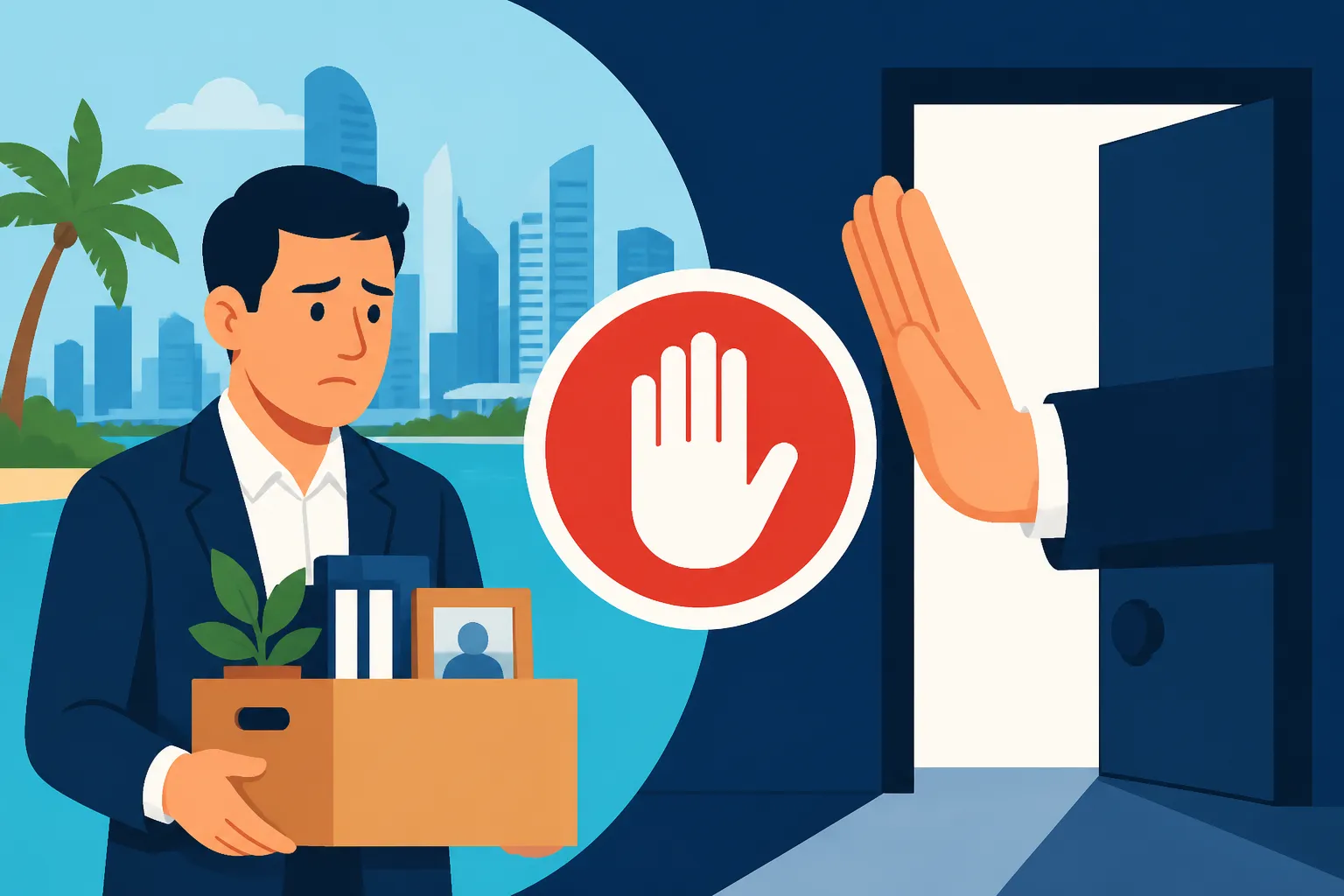
Can I Be Fired Without Notice in Panama?
Getting fired in a foreign country is one of those nightmares no expat wants to face. It’s unsettling, confusing, and can throw your entire life here into disarray, especially when you’re suddenly wondering if your employer can just cut ties without a word. This guide is here to shed some light on the specific regulations in Panama, helping you understand when an employer can dismiss you without notice and what your rights are if it happens.
The Foundation of Panamanian Labour Law: The Labour Code
Navigating the workplace in Panama means getting familiar with its Labour Code, or Código de Trabajo. This isn't just some dusty old book; it's the rulebook that governs virtually every aspect of employment, from contracts and working hours to, yes, termination. What you'll quickly learn is that Panama's labour laws are generally considered to be quite protective of employees, more so than in some other countries many expats come from. This means that, unlike in "at-will" employment jurisdictions, an employer in Panama generally cannot just wake up one day and decide to fire you without consequence or a valid reason, and without a proper notice period or compensation in lieu thereof.
The intention behind these laws is to create stability and prevent arbitrary dismissals. This is crucial for expats who are often in a more vulnerable position, trying to establish themselves in a new country. When you’re trying to understand your Understanding Panamanian Labour Law and Worker Rights (2027), knowing the Labour Code is your first line of defense. It defines the specific circumstances under which a termination is considered legal and what protections employees have. If you're working in Panama, even if your Spanish isn't perfect (though improving it with resources like iTalki can certainly help in understanding local nuances), having a basic grasp of these fundamental rights is paramount. It’s not just about knowing what to do if things go wrong, but also understanding what to expect from a fair employer.
General Rule: Notice or Compensation is Usually Required
The Código de Trabajo generally requires employers to provide a notice period before terminating an employee. This period is intended to give the employee time to look for new work and prepare for the transition. The length of this notice depends on how long you've been with the company. It's a progressive system, meaning the longer your tenure, the more notice you're entitled to. This is a significant protection, designed to prevent employees from being left suddenly without income or a job prospect.
If an employer decides they don't want you to work through the notice period, they have to pay you for it. This is known as "compensation in lieu of notice." So, while you might not actually be in the office for those weeks or months, you're still getting paid as if you were. This is the norm for a termination without just cause. The idea is that if the company is letting you go for reasons not related to your performance or conduct, they need to provide a cushion. This distinction is really important, as many expats mistakenly assume their employment can be terminated immediately just like in their home country, which isn't usually the case here. It’s a key part of Understanding Notice Periods and Termination Under Panamanian Law.
Exceptions to the Notice Rule: Just Cause Dismissal
Now, here's where "being fired without notice" truly comes into play: situations involving just cause. The Panamanian Labour Code explicitly lists a number of serious offenses that allow an employer to dismiss an employee immediately, without a notice period, and without paying severance or compensation in lieu of notice. These are not minor infractions; they are typically behaviors that severely violate the terms of employment, company policy, or even the law.
Think about it this way: if an employee commits gross misconduct, stealing from the company, or physically assaulting a colleague, it would be unreasonable to expect the employer to keep them on for a notice period. These "just causes" are clearly defined to prevent employers from abusing this power, ensuring that immediate dismissal is reserved for genuinely serious situations. It’s critical to understand these specific scenarios because they dictate whether you're entitled to significant benefits or if your employment can be severed instantly.
Specific Reasons for Just Cause Dismissal in Panama
The Panamanian Labour Code lists several specific situations that constitute "just cause" for immediate dismissal. It's not a vague list; these are quite detailed and employers must adhere strictly to them if they want to avoid legal repercussions. As an expat, it's vital to be aware of these, not just for your own protection but also to understand the expectations of professional conduct in Panama.
Serious Misconduct or Breach of Contract
This category covers a wide range of actions that severely undermine the employment relationship. It's not just about making a mistake; it's about intentional or grossly negligent behavior that breaches your duties or the trust placed in you. For example, if your job contract specifies that you are responsible for handling sensitive client data and you intentionally or negligently leak that information, that could be considered a serious breach. Similarly, engaging in any form of harassment, discrimination, or workplace violence against colleagues or superiors is unequivocally grounds for immediate dismissal.
Another common scenario under this umbrella is gross insubordination. Imagine refusing a direct, lawful order from your supervisor without any legitimate reason. If this happens repeatedly or involves a critical task, it can be seen as an intentional undermining of authority. The key here is the severity and often, the intent. Minor disagreements or occasional errors typically wouldn't fall into this category, but sustained or egregious misconduct certainly does.
Dishonesty or Fraud
Any act of dishonesty or fraud against the employer or colleagues is a clear pathway to immediate dismissal. This could include falsifying documents, such as expense reports or medical certificates, to gain an advantage. Stealing company property, whether it's office supplies, client lists, or intellectual property, also falls squarely into this category. The Panamanian Labour Code takes a very strong stance against theft and deception within the workplace.
Consider a hypothetical situation: an expat employee claims extensive travel expenses for a business trip, but later it's discovered they fabricated receipts and pocketed the difference. This isn't just a financial error; it's an act of fraud. Similarly, if an employee is found to be working for a competitor and actively sharing confidential company information, that's not only a breach of contract but also a serious act of dishonesty. In these instances, the employer has strong legal grounds for immediate termination without notice or severance pay.
Damage to Company Property or Reputation
Willfully causing significant damage to company property or intentionally harming the company’s reputation can also lead to immediate dismissal. This isn't about accidental spills or minor wear and tear; it implies deliberate destructive actions or actions that maliciously tarnish the company's image. For instance, if an employee purposefully vandalizes office equipment or publicly slanders the company or its management, these actions could be considered just cause.
Imagine an employee, disgruntled after a performance review, decides to sabotage a critical machine on the production line, causing significant financial losses to the company. Or perhaps they take to social media to spread false and damaging rumors about the business, leading to a loss of clients and public trust. Both scenarios demonstrate a clear intent to harm the employer's assets or standing, which the Labour Code views as serious enough to warrant immediate termination. These provisions underscore the importance of professional conduct, even in times of dissatisfaction.
Unjustified Absences or Abandonment of Post
Consistency and reliability are cornerstones of employment, and Panama's Labour Code reflects this by making unjustified absences a serious offense. If an employee accumulates a certain number of unexcused absences within a specific period, or simply abandons their job without notification, this can be grounds for immediate dismissal. The exact number of absences and the timeframe are usually defined within the Labour Code or company policy, but generally, it involves a pattern of missing work without a valid reason or communication.
For example, if an employee fails to show up for work for three consecutive days without contacting their employer or providing a legitimate justification, it could be considered abandonment. Similarly, if they have a history of frequent, unscheduled, and unapproved absences that disrupt operations, the employer may have grounds to terminate immediately. This is particularly relevant for expats, who might sometimes face unforeseen personal or travel issues; communication with your employer is key to avoiding such misunderstandings and potential pitfalls.
Process of Just Cause Dismissal
Even when an employer has just cause, they can't simply snap their fingers and fire you on the spot. Panama’s Labour Code mandates a specific process to ensure fairness and legality, which involves documentation and an opportunity for the employee to respond. This process is crucial for employers to follow, as any deviation can render the dismissal illegal, even if the initial cause was legitimate.
Requirement for Documentation and Investigation
Before an employer can legally dismiss someone for just cause, they must gather concrete evidence. This isn't just a "he said, she said" scenario; it requires tangible proof. This could involve written reports, witness statements, CCTV footage, emails, or any other documentation that substantiates the alleged misconduct. The employer also needs to conduct a thorough investigation to ensure they have a complete picture of the situation. This investigation process needs to be carried out carefully, often involving interviews with relevant parties and reviewing all available evidence.
For instance, if an employee is accused of theft, the employer needs more than just a suspicion. They might need inventory records, security camera footage showing the act, or a confession. This documentation serves as the basis for the employer’s decision and would be presented if the dismissal is later challenged legally. This step highlights the protective nature of Panamanian labour law, ensuring that employers cannot act on mere conjecture or personal animosity.
Providing Opportunity for Employee Defense
A fundamental principle of Panamanian labour law is that employees have the right to defend themselves against accusations. Before a final decision on dismissal for just cause is made, the employer must formally notify the employee of the allegations against them and provide an opportunity for them to present their side of the story. This typically involves a meeting where the employee can explain their actions, provide mitigating circumstances, or offer contradictory evidence.
This isn't just a formality; it's a critical procedural step. The employer is obligated to genuinely consider the employee's defense. For an expat, especially if there's a language barrier, this can be a daunting process. It's an instance where having a strong grasp of Spanish, perhaps through consistent practice, can be invaluable. Even if you don’t speak fluent Spanish, you have the right to have a representative, such as a union representative or a lawyer, present during this defense. Failing to provide this opportunity can invalidate an otherwise legitimate just cause dismissal, leading to significant legal consequences for the employer.
Employee Rights When Fired Without Just Cause
If you are fired in Panama and the employer doesn't have a legally recognized "just cause," your rights are significantly different, and much more protective. This is where Panamanian labour law truly shines in safeguarding employees, particularly expats who might feel powerless in a foreign system.
Severance Pay and Other Benefits
When an employer terminates your employment without just cause, they are generally required to pay you a substantial severance package. This isn't a small token; it's a calculated amount based on your tenure, salary, and other factors. Beyond severance, you are also entitled to several other benefits you might have accrued. This includes:
- Notice Pay: As discussed earlier, if they don't want you to work through the notice period, they must pay you for it.
- Proportional Thirteenth Month (Decimo Tercer Mes): This is a mandatory annual bonus in Panama, paid out in three installments. If you're terminated, you're entitled to the proportional amount for the part of the year you've worked.
- Vacation Pay: You get paid for any unused vacation days you've accrued.
- Accrued Overtime or Other Wages: Any outstanding salary, overtime, or other benefits earned up to the date of termination must be paid.
The amount of severance pay (indemnización) is a significant factor. For example, after two years of continuous service, the severance calculation often involves a formula tied to your last salary. This is a crucial financial cushion for anyone suddenly out of work, and it's something many expats overlook or underestimate. Understanding these entitlements is key to navigating Understanding Severance Pay and Worker Rights in Panama. It’s important to remember that these are not discretionary payments; they are legal obligations the employer must fulfill.
Unfair Dismissal Claims and Legal Action
If you believe you were dismissed without just cause or if the employer failed to follow the correct legal procedures, you have the right to file an unfair dismissal claim with the Ministry of Labour (Ministerio de Trabajo y Desarrollo Laboral, MITRADEL) or even take legal action in the labour courts. This process can lead to significant financial penalties for the employer if they are found to have acted illegally.
The first step usually involves a conciliation hearing at MITRADEL, where a mediator attempts to find an amicable resolution between you and your former employer. If conciliation fails, you can escalate the matter to the labour courts. A common outcome in such cases, especially if unfair dismissal is proven, is that the employer will be ordered to pay additional compensation beyond standard severance, covering damages for the illegal termination. In some rare cases, reinstatement could even be ordered, though this is less common in practice, especially for expats. Navigating this legal landscape requires expert advice, and it can be a long process, but it's a vital pathway for justice if your rights have been violated.
Practical Advice for Expats Facing Termination
Being fired is tough, but in Panama, you have rights. Knowing what to do can make a huge difference in how smoothly you transition.
Seek Legal Counsel Immediately
This is not a step to delay. Panamanian labour law is complex, and the stakes are high. An experienced labour lawyer will be your best asset. They can review your employment contract, assess the circumstances of your dismissal, and advise you on the best course of action. They'll know if your employer followed the correct procedures for just cause dismissal or if you have a strong case for unfair dismissal. They can represent you in negotiations with your employer or during conciliation hearings at MITRADEL.
Trying to navigate this on your own, especially with language barriers and cultural differences, can be overwhelming and lead to costly mistakes. A lawyer can ensure you understand all your entitlements, help calculate the correct severance and benefits, and protect your interests every step of the way. Don’t wait until it’s too late to seek professional help.
Gather All Relevant Documents
Documentation is key in any dispute. From the moment you suspect your job might be at risk, start gathering everything. This includes your employment contract, any performance reviews, emails, letters, pay stubs, and any written communications related to your work or the reasons for your termination. If you have records of attendance, any complaints you made, or formal warnings you received, keep them safe.
These documents will be invaluable for your lawyer to build your case, whether it's proving unfair dismissal or simply ensuring you receive all the benefits you're due. Even if you're not planning legal action, having these on hand helps you understand your situation clearly and provides a paper trail for future employers or for financial planning.
Understand Your Financial Implications
Losing your job in Panama will, of course, have financial consequences. It’s not just about the immediate loss of income, but also about understanding how your final pay, severance, and any other benefits are taxed. While Panama has a territorial tax system, meaning foreign-sourced income is generally not taxed, your Panama-sourced income and termination payments will be subject to local tax rules. This is where organizations like Taxes for Expats can be incredibly helpful. They specialize in advising foreigners on their tax obligations, especially during significant financial changes like job loss. They can help you understand how your severance, holiday pay, and decimo are treated under Panamanian tax law, ensuring you don't face unexpected financial surprises.
Beyond taxes, consider how your sudden change in employment affects your budget. Do you have an emergency fund? How long can you realistically sustain yourself on savings or severance while you search for new opportunities? You might need to adjust your spending habits immediately. Having a clear picture of your finances is crucial for planning your next steps, whether that's How to Find a Job in Panama's Finance Industry or considering How to Register as a Self-Employed Person in Panama.
| Scenario | Notice Required? | Severance Pay? | Justification Required? | Example |
|---|---|---|---|---|
| Without Just Cause | Yes (or pay in lieu) | Yes | No (but compensation due) | Company restructuring, position eliminated, poor fit (not misconduct) |
| With Just Cause | No | No | Yes (specific reasons) | Theft, gross insubordination, repeated unexcused absences, workplace violence |
| During Probationary Period | No | No | No (but cannot be discriminatory) | Employee's skills not a good fit during trial period |
| Mutual Agreement | No | Negotiable | No | Both parties agree to end employment, terms are negotiated |
Post-Termination Considerations
Life after termination in Panama isn’t just about the immediate aftermath; it involves practical steps to secure your future here.
Visa and Residency Implications
For expats, losing your job can have direct consequences on your visa and residency status. Many visas, especially those tied to specific employment like a work permit under the Friendly Nations Visa or a specific contract, are contingent upon continuous employment. If your employment ends, your right to reside and work in Panama under that visa category might be jeopardized.
It's crucial to consult with your immigration lawyer (the same one who helped you get your visa, or a new one if necessary) as soon as possible after termination. They can advise you on your options, such as whether you can transition to a different visa category, how long you have to find new employment, or if you need to consider leaving the country. This isn't just a legal formality; it's about securing your ability to stay in Panama. Understanding How Your Residence Status Affects Health Coverage in Panama is another related consideration, as changes in employment can impact access to social security (CSS) benefits.
Job Search and Networking
Being without a job is stressful, but Panama’s economy does offer opportunities, even for expats. Your focus should quickly shift to your next steps. Start by updating your CV, tailoring it for the Panamanian job market. Leverage professional networks you’ve built, both online and in person. Attend industry events, reach out to former colleagues, and explore job boards. Sites like LinkedIn are active in Panama, and local job portals can also be helpful.
Don't underestimate the power of networking in Panama; many jobs are found through personal connections. If your Spanish isn't quite up to scratch for detailed professional conversations, consider investing time in improving it. This could open more doors, allowing you to Negotiate Salary and Benefits for a Job in Panama more effectively. Remember, finding a new role is not just about qualifications, but also about cultural fit and demonstrating your commitment to living and working in Panama.
Mental and Emotional Well-being
Finally, it’s important not to overlook your mental and emotional well-being during this challenging period. Losing a job, especially in a foreign country, can lead to feelings of isolation, anxiety, and stress. It’s okay to feel overwhelmed. Lean on your support network, whether that’s family back home, expat friends, or local Panamanian friends. Consider seeking professional help if you find yourself struggling significantly.
Panama has mental health resources available, and many professionals offer services in English. Maintaining a routine, engaging in hobbies, exercising, and spending time outdoors can all contribute to managing stress. This is a bump in the road, not the end of your expat journey. Take care of yourself so you can face the next chapter with resilience.
Disclaimer
The information provided in this article is for general informational purposes only and does not constitute legal, financial, or immigration advice. While every effort has been made to ensure accuracy, Panamanian laws and regulations, particularly those related to labour and immigration, can be complex and subject to change. It is essential to consult with qualified legal professionals, tax advisors, and immigration specialists in Panama for advice tailored to your specific situation before making any decisions. Reliance on any information provided in this article is solely at your own risk.