Can I Bring My Family When I Move to Panama for Work?
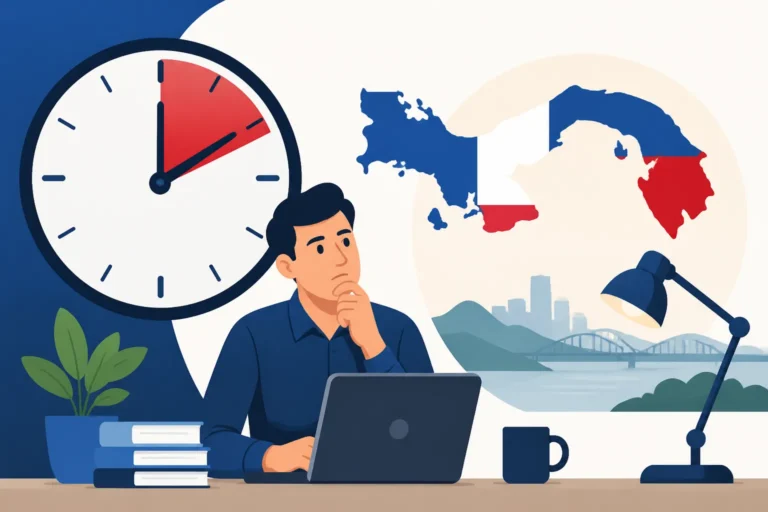
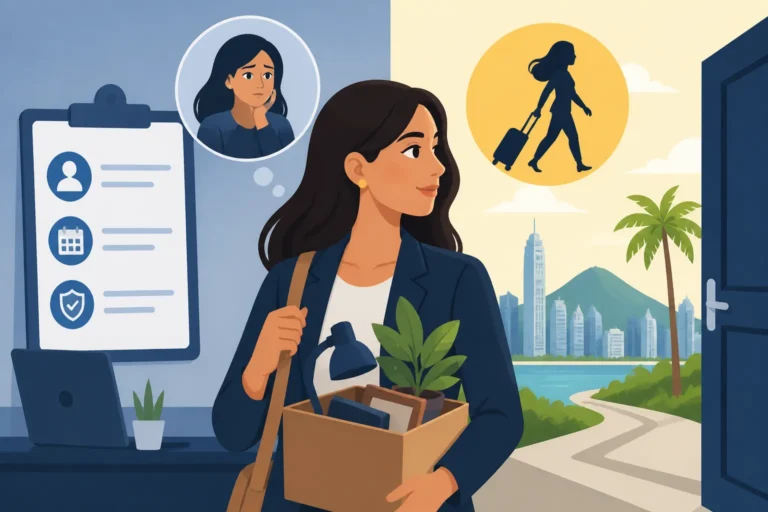
Moving your entire life to a new country for work is a monumental task, and the stress is amplified exponentially when you're trying to figure out how to bring your beloved family along. The good news is, Panama is a welcoming country for working expats, and yes, you absolutely can bring your family with you. This guide will walk you through the various pathways, bureaucratic hurdles, and practical considerations you'll face when ensuring your loved ones can join you on your Panamanian adventure.
Understanding the Visa and Residency Options for Your Family
One of the biggest anxieties for any expat is navigating the labyrinthine world of visas and residency. It feels like you need a law degree just to understand the initial requirements, let alone the application process itself. But take a deep breath; there are established routes for families, and knowing them upfront can save you a world of headaches.
Dependent Visas: Who Qualifies and How It Works
For many working expats, the most straightforward path for family members is through a dependent visa, which often leads to dependent residency. Essentially, once you, the primary applicant, have secured your work permit and an associated residency status – perhaps through a specific professional visa, a special economic visa, or even the Friendly Nations Visa – your immediate family members can "tag along" under your umbrella. This usually covers your spouse and children under a certain age, typically 18, though sometimes children up to 25 if they are full-time students and financially dependent on you.
The key here is dependency. You, the primary worker, must prove that you can financially support your family. This means providing bank statements, proof of income, and, of course, your Panamanian work contract. Each dependent will need their own set of documentation, including birth certificates for children and a marriage certificate for your spouse, all duly apostilled and translated into Spanish by a certified translator here in Panama. It’s a mountain of paperwork, but remember, every piece is a step closer to having your family here. It's often helpful to keep these documents meticulously organized in digital and physical formats, as you’ll be presenting them multiple times. Expect immigration officials to scrutinize every detail, so being prepared and patient is crucial.
The Friendly Nations Visa and Family Inclusion
Ah, the famous Friendly Nations Visa! For those eligible, this visa has long been a popular gateway to Panamanian residency. It's designed for citizens of specific countries that maintain friendly diplomatic, economic, or investment relationships with Panama, making it easier for them to establish residency. If you qualify for this visa as the primary applicant, the good news is that it explicitly allows for the inclusion of your dependents. This means your spouse and children can apply for residency alongside you, simplifying the family relocation process considerably.
To go this route, you'd typically need to establish economic ties to Panama, either by purchasing real estate, making a deposit in a Panamanian bank, or having a job offer from a Panamanian company. Once you've fulfilled these primary requirements, your family’s applications will mirror much of your own, requiring apostilled birth and marriage certificates, police clearances, and proof of your financial solvency. It’s a well-trodden path for many expat families, and while it still involves bureaucracy, the framework is relatively clear. Many expats find this particular visa appealing because it offers a clear path to How to Get Permanent Residency in Panama: The Full Guide (2026). However, keep an eye on any policy changes, as immigration rules, like the Panamanian climate, can shift quickly!
Exploring Other Residency Paths for Families
Beyond the direct dependent visas and the Friendly Nations Visa, other residency pathways in Panama also accommodate family members. For instance, if you're coming to Panama under a special professional visa – perhaps as a recognized expert in a field where Panama has a shortage, or under a specific investment program – your family typically benefits from your status. The key is always the primary applicant's approved residency, which then grants the right for immediate family members to apply for their own dependent status.
One such example is the Qualified Investor (Golden Visa) Programme in Panama, which is designed for individuals making significant investments in real estate, the stock market, or a fixed-term deposit. If you pursue this path, your spouse and children can certainly be included in your application, often simplifying the entire process for the family unit. Another option, though less common for new arrivals for work, could be Residency Through Real Estate Investment in Panama. Each residency category has its own specific set of requirements and benefits, so it’s vital to consult with a reputable Panamanian immigration lawyer who can assess your unique situation and guide you toward the most appropriate visa for your entire family. They are truly invaluable in this process.
Navigating the Application Process for Family Members
Once you’ve got a handle on the types of visas, the next hurdle is the actual application. This is where patience becomes your best friend, and a little bit of foresight goes a long way. The Panamanian immigration system, while improving, still operates at its own pace.
Essential Documents and Requirements for Dependents
Prepare for paperwork, and then prepare for more paperwork! For each family member you're bringing, you'll need a specific set of documents. These typically include:
- Valid Passports: Original and copies of the data page for each family member. Make sure they all have at least six months' validity beyond your intended stay.
- Marriage Certificate: For your spouse, apostilled and translated.
- Birth Certificates: For each child, apostilled and translated.
- Police Clearance Certificates: From your country of origin (and any country you've lived in for the past five years) for all adults (18+), apostilled and translated. In Panama City, you’ll also get a local police check.
- Proof of Economic Solvency: This is usually tied to the primary applicant's income and bank statements.
- Medical Certificates: Issued by a Panamanian doctor, confirming good health.
- Eight Passport-Sized Photos: For each applicant, adhering to specific Panamanian requirements (usually white background, no glasses, frontal view).
- Letter of Responsibility: From the primary applicant, stating that they will be financially responsible for their dependents.
- Immigration Application Form: Duly completed and signed.
- Power of Attorney: Granting your lawyer the authority to act on your behalf.
It's a lot, I know. My advice? Start gathering these documents before you even think about moving. Getting documents apostilled from abroad can take weeks or even months, depending on your home country's bureaucracy. Don't underestimate this step! It’s also crucial to understand that any document not originally in Spanish will need to be officially translated by a certified public translator in Panama, not just any translator. This is a common pitfall for newcomers. You can find more detail about the specific requirements in What Documents Do I Need for Panama Residency?.
The Importance of a Panamanian Immigration Lawyer
I cannot stress this enough: you need a good Panamanian immigration lawyer. While it might seem like an added expense, trying to navigate the Panamanian immigration system on your own is like trying to swim against a strong current blindfolded. They know the ins and outs, the unspoken rules, and the precise order in which things need to be done. They can tell you exactly what documents you need, help with translations, and represent you and your family at the National Immigration Service.
A good lawyer will review all your documents before submission, ensuring everything is correct and complete, which drastically reduces the chances of delays or rejections. They will also keep abreast of any changes in immigration law, which can happen with little notice. Think of them as your personal guide through the jungle of Panamanian paperwork. They can also provide a clear breakdown of How Much Does It Cost to Apply for Residency in Panama?, helping you budget properly. Don't skimp on this; it's an investment in your family's future here.
Managing Timelines and Expectations
The timeline for family residency applications in Panama can vary significantly. It’s rarely a quick process. From initial document gathering to final approval and receiving your cédula (Panamanian ID card), you could be looking at anywhere from six months to over a year. There are multiple stages: initial submission, provisional residency (if applicable), waiting periods for background checks, interviews, and then final approval.
Typical Timeline for Family Residency Applications in Panama
| Stage | Estimated Duration | Key Actions |
|---|---|---|
| Pre-Arrival/Document Gathering | 1-3 months (or longer) | Collect apostilled birth/marriage certificates, police clearances. |
| Initial Submission (with lawyer) | 1-2 weeks | Lawyer reviews, prepares application, files with National Immigration. |
| Provisional Residency Approval | 2-6 months | Initial review, temporary resident card issued (if applicable). |
| Background Checks & Review | 3-9 months | Government agencies process police checks, verify documents. |
| Final Resolution & Approval | 1-3 months (after checks clear) | Immigration Service makes final decision. |
| Cédula Issuance | 1-4 weeks | Appointment at Civil Registry to get official Panamanian ID card. |
| Total Estimated Time | 6-18 months | From full document submission to cédula in hand for all family members. |
During the waiting period, your lawyer will be your main point of contact, providing updates. It’s crucial to manage your expectations and avoid putting your life on hold. Many families move to Panama, and while the primary applicant starts work, the family lives on a tourist visa or provisional residency while the permanent status is processed. This means children can enroll in school, and the family can begin to settle in. It’s not always ideal, but it’s often the reality. Remember, "Paciencia" is a frequently heard word in Panama for a reason! You can find more details about how long this process can take in How Long Does It Take to Get Residency in Panama?.
Life in Panama with Your Family: Beyond the Paperwork
Getting the visas and residency sorted is just the beginning. The real adventure starts when your family begins to live and thrive in Panama. This involves making decisions about schools, healthcare, and how to integrate into a new culture.
Education for Expat Children in Panama
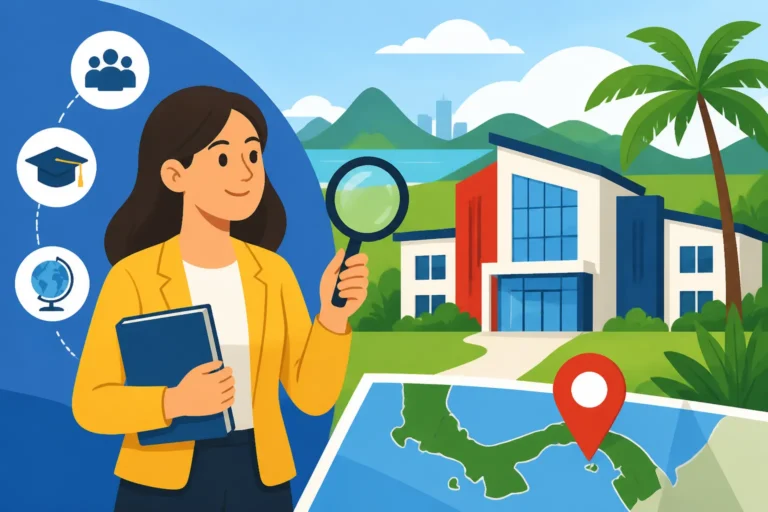
One of the biggest concerns for expat parents is finding the right school for their children. Panama offers a range of options, from public schools to private and international schools.
- Public Schools: While free and a great way for children to immerse themselves in the local culture and language, public schools are generally taught entirely in Spanish and may not meet the curriculum standards or resources that some expat families are accustomed to. They are a viable option for younger children or those families planning a very long-term stay with full language immersion.
- Private Schools: Panama has many private schools, offering varying curricula and price points. Some are bilingual (Spanish/English), while others may follow a Panamanian curriculum with a strong emphasis on English. Research is key to find one that fits your family's educational philosophy and budget.
- International Schools: For many expat families, international schools are the preferred choice. These schools often follow US, British, or International Baccalaureate (IB) curricula, and instruction is primarily in English. They tend to have diverse student bodies, making it easier for expat children to make friends with peers who understand their unique experience. Popular options in Panama City include the Balboa Academy, Metropolitan School of Panama, and The International School of Panama. They do come with a higher price tag, however. You can learn more about this in Schools and Education in Panama: A Complete Guide for Expat Families.
When choosing a school, consider location (traffic in Panama City can be a nightmare, so proximity to home is a plus!), curriculum, extracurricular activities, and student-teacher ratio. Many schools offer tours and assessments, so start your research early. Helping your children learn some Spanish can also greatly ease their transition. This is where tools like iTalki can come in handy for conversational practice before or after school, making new friends less daunting.
Healthcare Considerations for the Whole Family
Healthcare is another critical aspect for families. Panama has a dual healthcare system: public and private.
- Public Healthcare (CSS): If you are formally employed in Panama and contributing to the Caja de Seguro Social (CSS), your family might also be eligible for coverage. However, the public system can be slow, overcrowded, and generally isn't the first choice for most expats, especially those used to Western standards. Waiting times for specialists can be long, and English-speaking staff are rare.
- Private Healthcare: This is where most expat families find their comfort zone. Panama boasts excellent private hospitals, particularly in Panama City, such as Hospital Punta Pacifica and Hospital Nacional. These facilities are modern, well-equipped, and often have English-speaking staff. You'll need private health insurance to access these services affordably. Many expats opt for international health insurance plans that offer comprehensive coverage in Panama and, often, back in their home country or other destinations. This is a crucial consideration, especially with children, who inevitably need more frequent doctor visits.
It's wise to research private health insurance options before you arrive, or soon after. Consider plans that cover pre-existing conditions (if applicable), maternity care (if you're planning on expanding your family here), and specialist care. Remember to budget for out-of-pocket expenses and co-pays, even with private insurance. For a comprehensive overview, check out Health Insurance in Panama: Private and International Options Explained.
Building a New Life: Community and Integration
Beyond the practicalities, integrating your family into life in Panama is about finding your community and embracing the culture. Panama is incredibly diverse, and expat communities thrive, particularly in Panama City, Boquete, and Coronado.
- Expat Groups and Online Forums: Joining local expat Facebook groups or online forums can be an invaluable resource. You'll find parents organizing playdates, sharing school recommendations, asking for doctor referrals, and generally providing support. These groups are also excellent for finding English-speaking doctors in Panama or getting recommendations for family-friendly activities.
- Language and Culture: Encouraging your family, especially your children, to learn Spanish will be immensely helpful. Not only does it make daily life easier, but it also opens doors to deeper cultural immersion and local friendships. As mentioned, tools like iTalki offer flexible lessons for all ages and levels, allowing your family to practice at their own pace. Engaging with local traditions, trying new foods, and participating in community events will enrich your family's experience.
- Activities and Lifestyle: Panama offers a fantastic lifestyle for families. From exploring the historic Casco Viejo, to day trips to pristine beaches, hiking in the cooler highlands of Boquete, or enjoying the many parks and recreational facilities in Panama City, there's always something to do. The cost of living in Panama can be quite reasonable compared to many Western countries, especially if you embrace local markets and services. This can free up more of your budget for family activities and experiences. For those working for a local company or starting their own business, understanding Taxes for Expats can help ensure you're managing your finances efficiently, leaving more for family adventures.
Bringing your family to Panama for work is a big undertaking, but it's absolutely doable and incredibly rewarding. While there will be bureaucratic hurdles and moments of frustration, the vibrant culture, beautiful scenery, and warm people make it all worthwhile. With careful planning, expert guidance, and a good dose of patience, your family can build a wonderful new life together in the heart of the Americas.
Disclaimer
The information provided in this guide is for general informational purposes only and does not constitute legal, financial, or medical advice. Immigration laws, tax regulations, and healthcare policies in Panama are subject to change. It is highly recommended to consult with qualified Panamanian legal, financial, and healthcare professionals for advice tailored to your specific situation. We do not endorse any specific service provider or company mentioned, and readers should conduct their own due diligence.