How Do I Apply for the Friendly Nations Visa in Panama?
Moving to a new country can feel like navigating a labyrinth, especially when it comes to immigration. You’ve likely heard whispers about Panama’s "Friendly Nations Visa" and wondered if it’s truly as straightforward as it sounds, or if it's just another bureaucratic hurdle waiting to trip you up. This guide is designed to demystify the process, walking you through the application for Panama’s Friendly Nations Visa, outlining exactly what you need, and offering real-world insights from someone who’s been through the Panamanian immigration wringer.
Understanding the Friendly Nations Visa and Your Eligibility
Ah, the Friendly Nations Visa (FNV). For many years, this visa was the golden ticket for citizens of certain countries looking to make Panama their home, known for its relative ease compared to other residency options. It genuinely opened doors for professionals, retirees, and entrepreneurs from a list of countries deemed "friendly" to Panama. However, like all good things in immigration, it has seen some significant adjustments over time, particularly with the changes implemented in August 2021. So, if you've heard older advice, be aware that things might look a little different now.
Before 2021, the FNV allowed individuals from a specific list of 50 (or more, depending on updates) nations to obtain permanent residency by simply demonstrating economic solvency – essentially, showing you had the financial means to support yourself, often with a deposit in a Panamanian bank account or by registering a Panamanian company. The beauty was its flexibility, catering to those looking for a laid-back retirement, a new business venture, or simply a change of scenery.
However, the updated regulations have tightened the reins slightly. The core spirit of the FNV remains, but the requirements are now more focused on genuine economic ties to Panama. You can no longer simply deposit funds and call it a day; you must actively engage in economic activities that benefit Panama. This means either securing a job offer from a Panamanian company or investing in Panamanian real estate. It's a shift from passive financial presence to active contribution, reflecting Panama's desire to attract individuals who will integrate into its economy. This move, while requiring more upfront effort, is designed to ensure a more sustainable and mutually beneficial relationship between expats and the host country. If you're pondering the broader landscape, you might want to look into The Complete Guide to Panama Visas and Immigration for Expats (2027) for more context.
Who Qualifies for the Friendly Nations Visa?
First things first, let's talk about the "friendly nations" themselves. Panama maintains a list of specific countries whose citizens are eligible for this visa. While the list can occasionally see minor adjustments, it generally includes many nations from North America, Europe, parts of Asia, and Oceania. Think countries like the United States, Canada, the United Kingdom, most EU member states, Australia, New Zealand, Japan, South Korea, and many more. It's crucial to verify if your nationality is on the current official list published by the National Immigration Service (Servicio Nacional de Migración) because if it's not, this particular visa category simply isn't an option for you.
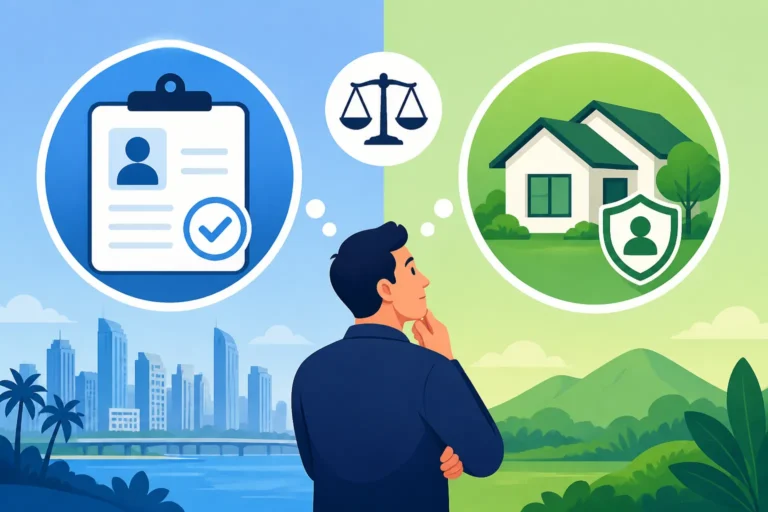
Beyond nationality, the key change since 2021 lies in demonstrating your economic solvency or activity. There are now two main pathways to meet this requirement:
- Work Contract: You need an active work contract with a Panamanian company. This isn't just a letter of intent; it needs to be a legitimate, registered employment agreement. This path makes sense for professionals looking to build a career in Panama.
- Real Estate Investment: You can also qualify by investing in real estate in Panama with a minimum value of $200,000 USD. This option appeals to those looking to purchase a home or invest in property, integrating their residency with a tangible asset in the country. This route often provides a clearer path for obtaining residency through investment, although it requires a significant financial commitment upfront.
It's worth noting that the initial residency granted under the FNV is a provisional two-year residency. After this period, you can then apply for permanent residency. This two-step process allows the Panamanian government to ensure that applicants are indeed committed to their economic activity or investment in the country before granting long-term status.
The Role of Your Economic Ties to Panama
The updated FNV isn't just about being from a friendly nation; it's fundamentally about your contribution to Panama's economy. This is where many of the old assumptions about "easy residency" have been recalibrated. The Panamanian authorities want to see a genuine connection and benefit to the country.
If you opt for the work contract route, the Panamanian company employing you must be legitimate and adhere to all Panamanian labor laws. You’ll need to provide documentation of your employment, including your contract, Social Security registration, and evidence of salary payments. This means you can't simply create a shell company; you need a real job. For those looking to work, understanding How a Work Permit and Employer Sponsorship Work in Panama is crucial, as the FNV now integrates more directly with employment.
For those choosing the real estate investment path, the property purchase must be properly registered with the Public Registry of Panama, and the investment amount verified. This isn't just about buying a vacation home; it's about making a significant, documented investment in the local economy. Whether you're planning to buy an apartment in Panama City or a tranquil spot in Chiriquí, the investment must be substantial enough to meet the new threshold. If you’re considering this, Understanding Property Ownership and the Market in Panama (2027) would be highly beneficial.
This emphasis on economic ties underscores Panama's strategic goal to attract individuals who will actively participate in and strengthen its economy. So, while the FNV is still one of the more accessible pathways to residency for many, it now requires a more concrete plan for integration into Panamanian life.
The Step-by-Step Friendly Nations Visa Application Process
Alright, let's get down to brass tacks. Applying for the Friendly Nations Visa in Panama is a multi-step journey, and while it's certainly doable, it requires meticulous attention to detail and, almost always, the guidance of a Panamanian immigration lawyer. Trust me, trying to navigate the National Immigration Service on your own, especially if your Spanish isn't fluent, is a recipe for headaches and delays. They are the experts in Panamanian law and bureaucracy, which can be quite dense for newcomers. If you're curious about the general process, reading Understanding the Role of the National Immigration Service in Panama could be a good starting point.
The first step, even before gathering documents, is to secure your eligibility. This means either getting that official job offer from a Panamanian company or finalizing a real estate purchase of at least $200,000 USD. Without one of these, you don't have a qualifying basis for the new FNV. Once you have this foundational element, you'll work with your lawyer to start compiling your documents. This isn't a quick overnight task; it involves requesting documents from your home country, ensuring they are correctly authenticated, and then getting them translated and apostilled for use in Panama. This phase alone can take several weeks or even months, depending on how organized you are and how efficient the issuing authorities in your home country are.
Once your lawyer has all the necessary documentation, they will officially submit your application to the National Immigration Service in Panama City. This is where the waiting game truly begins. You'll likely receive a provisional receipt, and eventually, if all goes well, a resolution approving your two-year provisional residency. Throughout this period, your lawyer will act as your intermediary, handling communications, responding to any requests for additional information, and ensuring your application progresses as smoothly as possible. This is also the phase where you might need to make in-person appearances for things like fingerprinting or a brief interview, all coordinated by your legal team.
Essential Documentation for Your FNV Application
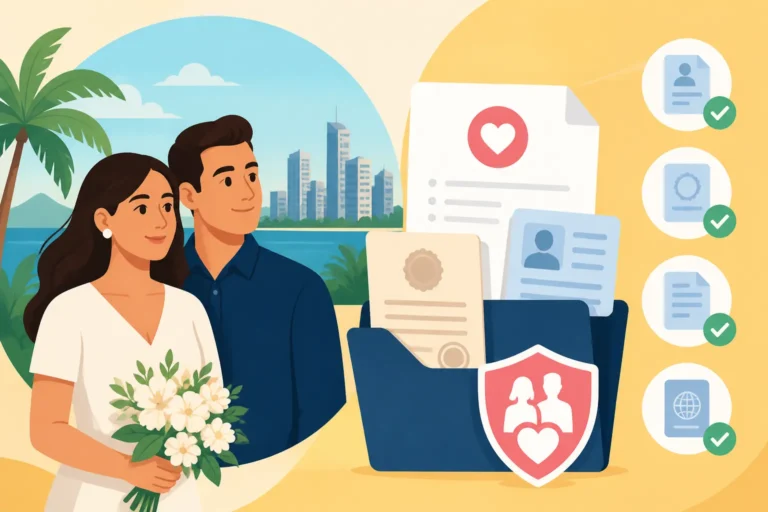
Preparing your documents is often the most time-consuming part of the entire application process. Any missing or incorrectly prepared document can cause significant delays, so take this seriously. Your Panamanian lawyer will provide you with a precise, up-to-date checklist, but here’s a general overview of what you can expect to need:
- Passport: A copy of your entire passport (all pages), with at least six months of validity remaining.
- Background Check: A federal-level police certificate from your country of origin and any country where you've resided for more than two years in the last five years. This document must be apostilled or legalized by a Panamanian consulate in that country. This is a common sticking point, so be sure to understand How Do I Get My Documents Apostilled for Panama Immigration.
- Eight Passport-Sized Photos: These need to meet specific Panamanian immigration standards, usually with a white background. Your lawyer can advise on local photographers who are familiar with the requirements.
- Declaration Form: A sworn declaration, prepared by your lawyer, explaining the purpose of your residency and pledging to abide by Panamanian laws.
- Proof of Economic Solvency/Ties:
- If by Work Contract: An original letter of employment from a Panamanian company, a copy of the work contract, a Social Security registration number, and proof of income (e.g., recent pay stubs or bank statements showing salary deposits).
- If by Real Estate Investment: A copy of the Public Registry certificate showing ownership of the property in Panama valued at $200,000 USD or more, along with proof of funds used for the purchase.
- Health Certificate: A medical certificate issued by a Panamanian doctor, confirming you are in good health. This needs to be done in Panama shortly before submission.
- Power of Attorney: A special Power of Attorney granted to your Panamanian lawyer, allowing them to act on your behalf throughout the immigration process.
Remember, every single document originating outside of Panama generally needs to be apostilled by the Hague Convention authority in its country of origin (or legalized by a Panamanian consulate if that country isn't part of the Hague Convention) and then translated into Spanish by a certified public translator in Panama. This step is critical, and errors here are a frequent cause of delays. For example, if you're planning your move, services like Sirelo can help you organize the logistics of shipping your belongings, but getting your documents in order is an entirely separate, specialized task.
The Role of Your Immigration Lawyer
Honestly, if there's one piece of advice I can shout from the rooftops, it's this: get a good Panamanian immigration lawyer. This isn't just a suggestion; it's practically a necessity for a smooth FNV application. Trying to do this yourself, especially with the language barrier and the ever-shifting sands of Panamanian bureaucracy, is a recipe for frustration, wasted time, and potentially rejection. Your lawyer is much more than just a document gatherer; they are your guide, your advocate, and your translator through a complex system. They understand the nuances, the unwritten rules, and the most efficient way to present your case.
A reputable Panamanian immigration lawyer will:
- Assess Your Eligibility: Confirm your nationality is on the friendly nations list and advise on the best path (work contract or real estate investment) based on your specific situation.
- Provide an Accurate Document Checklist: Tailored to your circumstances and the very latest requirements.
- Review and Authenticate Documents: They'll ensure all your foreign-issued documents are correctly apostilled/legalized and translated, flagging any potential issues before submission.
- Prepare Panamanian Documents: This includes the sworn declaration, the power of attorney, and coordinating your local health certificate.
- File Your Application: They handle the submission to the National Immigration Service, ensuring all forms are correctly filled out and filed.
- Liaise with Immigration Officials: They will communicate with the immigration department on your behalf, respond to any queries, and track the status of your application.
- Guide You Through Appointments: Accompany you to appointments for fingerprinting, photos, or interviews, acting as your translator and advocate.
- Help with Post-Approval Steps: Once approved, they will assist with obtaining your provisional residency card (E-Cedula) and later, your permanent residency card.
Yes, there's a cost involved for their services, but view it as an investment in peace of mind and successful residency. It truly pays dividends in avoiding costly mistakes and delays. For a deeper dive into this, check out Understanding Why You Need a Panamanian Lawyer for Residency.
Navigating Common Challenges and Post-Approval Steps
So, you've submitted your application. Now comes the hard part for many expats: waiting. Panamanian immigration processes are not known for their lightning speed. It's not uncommon for provisional residency applications to take several months, sometimes even longer, depending on the current workload at the National Immigration Service, the complexity of your case, and any unforeseen requests for additional documentation. I've seen people get their provisional residency in three months, and others wait well over nine. This waiting period can be particularly stressful, as your ability to work or travel freely may be impacted. Patience is not just a virtue here; it's a survival skill.
During this waiting period, it's wise to maintain open communication with your lawyer, but don't expect daily updates. They will inform you when there's genuine progress or if immigration requires more information. This is also a good time to ensure your affairs back home are in order, or to explore more of Panama's beautiful country if you're already here on a tourist visa (though remember tourist visas have limits!). This downtime can be a chance to immerse yourself in the local culture, improve your Spanish, and simply enjoy the slower pace of life that often comes with expat living in Panama.
Once your provisional residency is approved, the journey isn't quite over. You'll then need to apply for your Cedula, which is Panama's national identification card and serves as your residency ID. This is another bureaucratic step that your lawyer will guide you through. The Cedula is essential for almost everything in Panama, from opening a bank account (if you haven't already done so for the visa requirements) to signing a rental agreement.
Costs and Timelines for the FNV
Let's talk about the finances involved because, let's be honest, that's often where the rubber meets the road. The cost of applying for the Friendly Nations Visa in Panama involves several components:
- Government Fees: These are non-negotiable fees paid directly to the Panamanian government for the application process. Expect fees for the National Immigration Service, repatriation (a security deposit, sometimes refundable), and other administrative charges. These government fees generally add up to several hundred dollars.
- Legal Fees: This will be the most significant expense. Immigration lawyers in Panama typically charge between $2,000 to $5,000 USD (or more for complex cases) for FNV applications, which usually includes all the steps from document review to obtaining your provisional residency.
- Document Preparation & Authentication: Costs for obtaining your police certificates, apostilles, and certified translations can vary greatly depending on your country of origin and the number of documents. Budget a few hundred to over a thousand dollars for this.
- Medical Exam: A local Panamanian medical exam usually costs around $50-$100.
- Real Estate Investment (if applicable): If you're going the investment route, remember the $200,000 USD minimum for the property itself, plus associated closing costs, taxes, and legal fees for the purchase, which can add another 5-7% to the purchase price.
So, while the FNV itself might seem like a relatively affordable path to residency compared to some investor visas in other countries, the total outlay can still be substantial, especially if you include the real estate investment. For a comprehensive overview, you might want to review How Much Does It Cost to Apply for Residency in Panama?.
As for timelines, as mentioned, patience is key.
- Document Gathering: 1-3 months (or more, depending on your home country's efficiency).
- Application Processing (Provisional Residency): 3-9 months (or occasionally longer).
- Cedula Issuance: A few weeks after provisional residency approval.
Remember, these are estimates, and unforeseen delays can always occur. It's crucial to plan your move with these potential waiting periods in mind.
Your Rights and Responsibilities as a Provisional Resident
Once you have your provisional FNV residency, you're officially a resident of Panama, which comes with both rights and responsibilities. During your initial two-year provisional period, you can generally reside in Panama legally, and if you qualified through a work contract, you have the right to work for that specific employer. If you qualified through investment, you're free to manage your property and affairs.
However, there are limitations. For example, your ability to switch employers might be restricted during the provisional period, and you generally cannot work for a new company without applying for a new work permit tied to that employer. Your lawyer can clarify the specifics of your work rights under your particular FNV qualification pathway. You might also be interested in Can I Work in Panama While Waiting for My Residency? to understand interim situations.
One key responsibility is maintaining your connection to Panama. If you gained residency through a job, make sure you stay employed and that your Social Security contributions are up-to-date. If it was through real estate, ensure your property is maintained and registered. After two years of provisional residency, you will then apply for permanent residency. This process again involves your lawyer and requires demonstrating that you have maintained your economic ties to Panama during the provisional period. It's essentially a review to ensure you've been a contributing resident.
Another important aspect is health coverage. While Panama has a public healthcare system, as a provisional resident, you'll want to ensure you have adequate health insurance. Many expats opt for private or international plans like Cigna Global to ensure comprehensive coverage and access to Panama's excellent private hospitals, such as Hospital Punta Pacifica or Hospital Nacional. Don't assume everything is covered or that you can rely solely on public services, especially in the early stages of your residency.
Finally, always carry a copy of your residency card or Cedula with you. It's your official identification, and you'll need it for many transactions and interactions within the country. Being a resident is a privilege, and adhering to Panamanian laws and regulations is your fundamental responsibility.
Disclaimer
Please note that immigration laws and requirements in Panama can change frequently. The information provided in this guide is for general informational purposes only and does not constitute legal advice. It is essential to consult with a qualified Panamanian immigration lawyer for the most accurate and up-to-date information pertaining to your specific situation before making any decisions related to your immigration or residency in Panama.