How Do I Find an Apartment Near the Metro in Panama City?
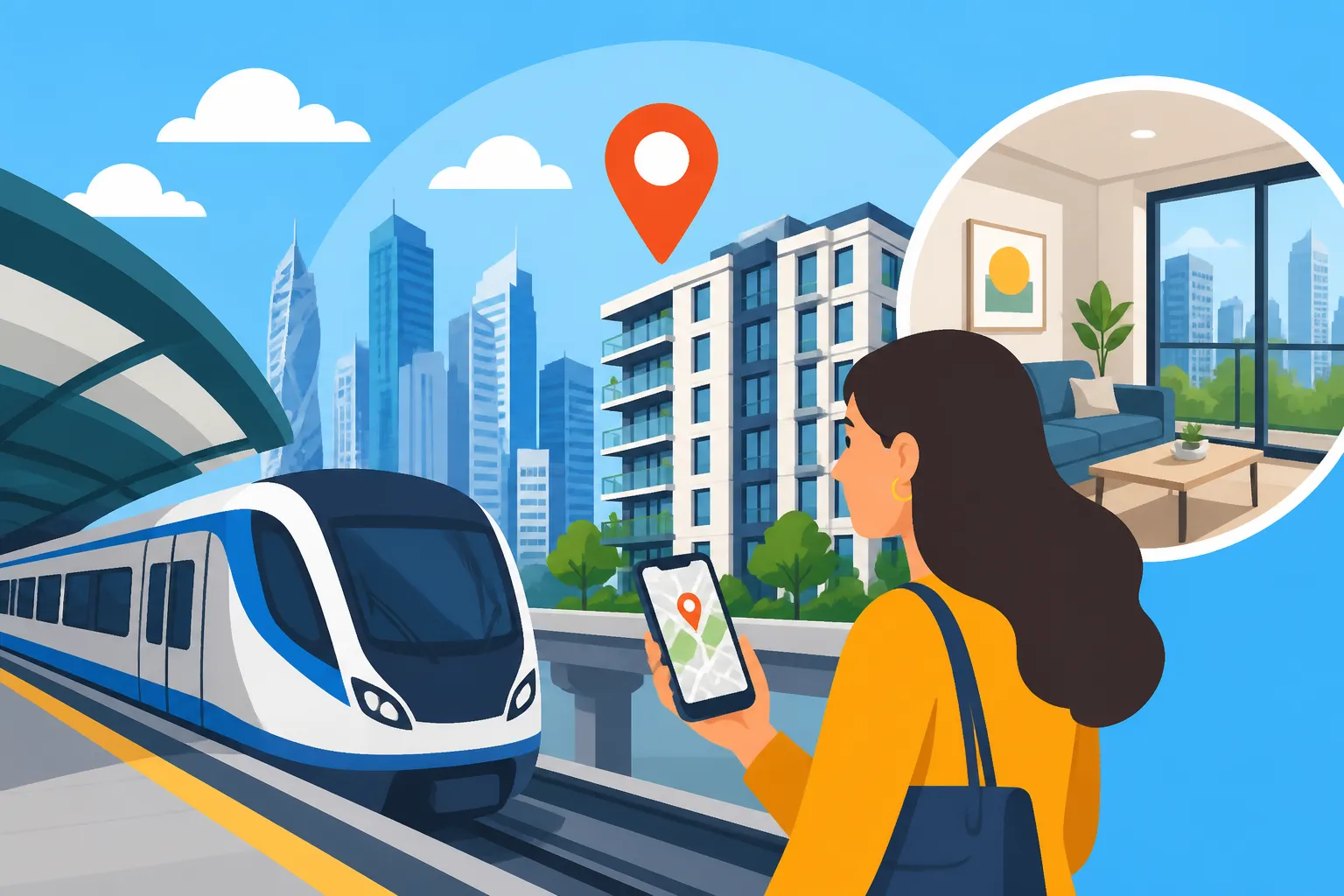
Navigating Panama City's notorious traffic can feel like a full-time job in itself, especially if you've just arrived and are still getting your bearings. Many expats quickly realize that tying yourself to a car for every single errand and commute isn't just expensive; it's a huge drain on your precious time and patience. That's why finding an apartment near the Metro in Panama City isn't just a convenience; for many, it's a non-negotiable sanity saver. This guide will walk you through everything you need to know, from understanding the Metro system to finding that perfect pad that puts the city right at your fingertips.
Why the Metro is Your Best Friend in Panama City
Let's be real, Panama City traffic is no joke. It's a daily ritual of horns, gridlock, and exasperation that can quickly turn a quick trip into an hour-long ordeal. When I first moved here, I spent so much time stuck in my car that I started questioning all my life choices. Then, the Metro arrived, and it was truly a game-changer. It's not just about avoiding traffic; it's about reclaiming your time, saving money, and enjoying a significantly less stressful daily life.
Escaping the Daily Traffic Nightmare
Imagine this: it's rush hour, a torrential downpour has just hit, and the roads are a chaotic mess. Buses are packed, taxis are elusive, and your car is just another metal box inching forward. This is a common scenario in Panama City. But for those living near a Metro station, it's a different story. You can simply walk a few blocks, descend into the cool, air-conditioned station, and be whisked away to your destination, often arriving in a fraction of the time it would take by road. The Metro's efficiency is remarkable, especially when traversing major arteries like Vía España or Avenida Balboa. For instance, a trip from Albrook to San Miguelito during peak hours can take well over an hour by car or bus, but the Metro zips you there in under 20 minutes. It genuinely makes a difference to your mental well-being when you know you can reliably get from Point A to Point B without adding hours of stress to your day. It’s a liberation from the constant honking and fumes, allowing you to breathe a little easier and actually enjoy your surroundings.
Cost Savings and Convenience
Beyond the time savings, living near the Metro offers substantial financial benefits. Owning and operating a car in Panama City comes with a host of expenses: fuel, insurance, maintenance, parking, and the dreaded revisado (vehicle inspection). Public transport, on the other hand, is incredibly affordable. A Metro trip costs less than a dollar, and you can connect to the Metrobus system using the same Metro card for seamless travel across the city. Think about how much you could save on petrol alone if you primarily use the Metro for commuting and only rely on taxis or ride-shares for specific occasions.
Moreover, the convenience factor extends beyond just commuting. Many Metro stations are strategically located near major shopping centers, supermarkets, healthcare facilities, and entertainment hubs. For example, the Iglesia del Carmen station puts you right in the heart of El Cangrejo's vibrant restaurant scene, while Albrook station connects you directly to the massive Albrook Mall. This means you can run errands, meet friends, or simply explore different neighborhoods without the hassle of finding parking or dealing with unpredictable traffic. When you first arrive in Panama and are still finding your feet, not having to worry about transportation logistics is a huge load off your mind. It truly frees you up to focus on settling in and enjoying your new expat life. You might find this resource helpful for understanding how to get around: The Expat Guide to Public Transport in Panama.
Understanding Panama City's Metro Lines and Key Neighborhoods
Panama City's Metro system, while still expanding, is a modern and efficient network that currently consists of two main lines, with a third under construction. Knowing these lines and the neighborhoods they serve is crucial for your apartment hunt. Each line opens up different areas, each with its own unique flavor and price point.
Metro Line 1: The Backbone of the City
Metro Line 1, often referred to as the "red line," stretches from Albrook, where the main bus terminal and Albrook Mall are located, all the way north to San Isidro. This line is the oldest and most established, connecting many of the city's commercial and residential hubs.
Along Line 1, you'll find a mix of bustling commercial zones and popular residential areas for expats. Starting from Albrook, heading north, some key stations and their surrounding areas include:
- Albrook: Primarily a transport hub and home to the gigantic Albrook Mall. Residential options here are mostly houses in gated communities or apartments further from the main commercial areas. It's fantastic for accessibility but can feel a bit removed from the core city buzz.
- 5 de Mayo: This station serves the historical district and provides access to Casco Viejo, though it's still a bit of a walk or short taxi ride from the station itself. It's a vibrant, sometimes chaotic, area known for its street vendors and local markets.
- Lotería & Santo Tomás: These stations are near government buildings, hospitals, and some older residential areas. Not typically prime expat living zones, but they offer proximity to essential services.
- Iglesia del Carmen: This is a gem for expats. It’s right in the heart of El Cangrejo, a lively neighborhood known for its diverse culinary scene, vibrant nightlife, art deco architecture, and a strong sense of community. Apartments here range from older, spacious units to newer high-rises. It's very walkable and offers a fantastic blend of convenience and character. You'll find lots of cafes, bars, and small businesses, making it a truly self-sufficient area.
- Vía Argentina: Another highly sought-after expat neighborhood, Vía Argentina boasts a beautiful linear park, numerous restaurants, cafes, and easy access to supermarkets. It's a slightly more upscale and polished version of El Cangrejo, but still retains a lively, pedestrian-friendly feel. The apartments tend to be modern and well-maintained.
- Fernández de Córdoba & El Ingenio: These stations serve more residential, family-oriented neighborhoods. While perhaps not as flashy as El Cangrejo or Vía Argentina, they offer quieter living with good access to schools and local amenities. Prices here might be slightly more affordable.
Metro Line 2: Connecting East to West
Metro Line 2, often called the "green line," runs from San Miguelito (an interchange station with Line 1) eastward to Nuevo Tocumen. This line primarily serves the eastern suburbs of Panama City, connecting more residential and developing areas.
For expats, Line 2 is particularly relevant if you work in or frequently visit areas further east, or if you're looking for newer, more affordable apartment complexes. Key stations and areas include:
- San Miguelito: This is the critical transfer point between Line 1 and Line 2. The area itself is densely populated and commercial, but not typically a primary residential spot for many expats.
- Paraíso & Cincuentenario: These stations serve residential areas with a mix of housing types. They offer good connectivity but are generally quieter than the Line 1 hotspots.
- Pedregal: This station is close to Tocumen International Airport, which can be a significant advantage for frequent travelers. The surrounding areas are primarily residential and commercial, with a focus on local businesses.
- Corredor Sur: While not directly on Line 2, this area is highly accessible by various transport methods from Line 2 stations. It's a modern, master-planned community featuring high-rise apartments, excellent amenities, and direct access to the Corredor Sur highway, making it popular with expat families. Although not directly at a Metro station, it's considered very accessible, especially with connections via Metrobus or ride-share from nearby stations.
Understanding these lines and the character of their associated neighborhoods will help you narrow down your search considerably. Each area offers a different lifestyle, and what suits one expat might not suit another. For a broader view of where expats typically settle, you might want to read about What Are the Best Cities to Live in Panama?.
Here’s a quick overview of some popular expat neighborhoods near Metro stations:
| Metro Line | Key Station | Neighborhoods Served Directly/Closely | Typical Vibe for Expats |
|---|---|---|---|
| Line 1 | Iglesia del Carmen | El Cangrejo, parts of Obarrio | Lively, bohemian, diverse restaurants, walkable, good nightlife. |
| Line 1 | Vía Argentina | Vía Argentina, parts of El Cangrejo | Upscale, elegant, linear park, excellent dining, family-friendly. |
| Line 1 | Fernández de Córdoba | El Ingenio, La Cresta | More residential, quieter, local feel, good for families. |
| Line 2 | Corredor Sur (nearby) | Costa del Este | Modern, planned community, high-rises, international schools, often requires short taxi/bus to Metro. |
Practical Steps to Finding Your Metro-Adjacent Apartment
Finding the right apartment, especially when you're new to a country, can feel like an overwhelming quest. But with a strategic approach, focusing on those sweet spots near the Metro, you can make the process much smoother.
Defining Your Search Criteria
Before you even start browsing, sit down and make a list of your non-negotiables and your "nice-to-haves." This isn't just about the number of bedrooms. Think about:
- Budget: Be realistic about what you can afford. Rental prices vary significantly by neighborhood and apartment size. What might rent for $800 in a quieter, local area could easily be $1,500+ in a prime expat building in El Cangrejo. Check out articles like How Much Does It Cost to Rent an Apartment in Panama City in 2026? to get a realistic idea. Don't forget to factor in utilities and potential HOA fees.
- Distance to Metro: Are you looking for a building literally across the street from a station, or are you comfortable with a 10-15 minute walk? Remember, Panama City can get hot and humid, so a shorter walk might be worth paying a bit more for.
- Apartment Size and Layout: How many bedrooms? Do you need a dedicated office space? What about storage?
- Amenities: Pool, gym, parking, 24-hour security, backup generator, water reserve tank? Many modern buildings offer these, but they also contribute to the rent and PH (Propiedad Horizontal) fees.
- Furnished vs. Unfurnished: Do you need a fully furnished place, or are you bringing your own belongings? Furnished apartments are great for short-term stays or if you're traveling light, but they often come at a premium.
- Pet-Friendly: If you have furry friends, this is a critical consideration. Finding a How Do I Find a Pet-Friendly Apartment in Panama City? can be challenging, but certainly not impossible.
Once you have a clear picture, you’re ready to dive into the market.
Leveraging Online Portals and Real Estate Agents
The primary way most expats find apartments in Panama City is through online property portals. Encuentra24 is by far the most popular and comprehensive platform here. You'll find thousands of listings, often with photos and detailed descriptions. Other platforms like OLX also have listings, though usually fewer. When using these sites, make sure to filter by location (neighborhoods near your target Metro stations), price, and amenities.
However, online listings are just the starting point. Many landlords and agencies don't keep their online listings perfectly up-to-date, or they might not even list everything. This is where a good, local real estate agent becomes invaluable. A reputable agent will have access to a wider network of listings, including some that aren't advertised publicly. They can also help you navigate the local rental market, understand rental contracts, and even negotiate on your behalf. They're particularly helpful for bridging any language barriers and understanding local customs. If you're wondering how to vet someone, here's a helpful guide: How Do I Find a Reliable Real Estate Agent in Panama?.
When first arriving, especially if you haven't secured a long-term place, you might rely on short-term rentals through platforms like Airbnb or booking directly with serviced apartments. This can give you a base to explore different neighborhoods and conduct your apartment hunt in person. Consider looking at temporary mobile connectivity options like Airalo to ensure you have data for your searches right from day one, without waiting for a local SIM. Having instant connectivity helps with mapping, communication with agents, and online research during this crucial initial phase.
The Importance of In-Person Visits
Online photos can be deceiving, and descriptions don't always tell the whole story. It's absolutely essential to visit any apartment you're seriously considering. And don't just go once! Try to visit at different times of day. What's it like during rush hour? What's the noise level at night? Does the neighborhood feel safe and lively, or deserted after dark?
Pay close attention to details:
- Natural Light: Does the apartment get enough sunlight? Panama can be overcast at times, so natural light can significantly impact your mood.
- Ventilation: Good airflow is critical in a tropical climate. Check if windows open easily and if there's a cross-breeze.
- Condition of Appliances and Fixtures: Are they new or old? Do they work? Look for signs of leaks or mold, especially in bathrooms and kitchens.
- Water Pressure: A common complaint in some buildings! Test the showers and sinks.
- Cell Phone Signal: A surprisingly common issue in some high-rise buildings. Check your signal.
- Proximity to Services: Beyond the Metro, how close are supermarkets, pharmacies, parks, and other conveniences you'll need daily?
Don't be afraid to ask your agent or the landlord plenty of questions. This is your future home, and you have every right to ensure it meets your expectations.
Tips for Renting Near the Metro in Panama City (and What to Watch Out For)
Once you've found a promising apartment, the next steps involve paperwork, negotiation, and a bit of local know-how. This part can feel daunting, but being prepared will save you a lot of headaches.
Navigating Rental Contracts and Deposits
Panamanian rental contracts typically last for one year, though shorter terms are sometimes possible, especially in furnished units or if you negotiate directly. It's standard practice to pay one month's rent in advance and a security deposit equivalent to one or two months' rent. This deposit is usually held by the landlord or agency until you move out.
Before you sign anything, make sure you thoroughly understand every clause of the contract. If your Spanish isn't fluent, hire a local lawyer or a trusted bilingual friend to review it with you. Look out for details regarding:
- Early Termination Clauses: What happens if you need to break the lease early?
- Maintenance Responsibilities: Who is responsible for what repairs?
- Utility Inclusion: Does the rent include water, gas, electricity, or internet? Often, only water is included, but confirm everything. For internet and mobile, you'll likely need to set up your own accounts. Having a connection like Airalo for your phone on arrival is a smart move, but for your home internet, you'll probably need to choose a local provider like Cable Onda or Tigo. If you need help with setting up your utilities, this guide will be useful: How Do I Set Up Internet in My Panama Home?.
- Pet Policies: If you have pets, ensure their presence is explicitly noted and approved in the contract.
- Deposit Return Policy: Understand the conditions for getting your deposit back. Document the apartment's condition with photos and videos before you move in, and again when you move out, to avoid disputes. This is crucial for avoiding issues when you leave, and you'll want to know How Do I Get My Rental Deposit Back in Panama?.
It's also beneficial to be aware of Understanding Tenant and Landlord Rights in Panama to ensure you're protected. The more you know, the less likely you are to encounter unexpected issues.
Understanding the Cost Beyond Rent
While the rent figure is the most obvious cost, there are other financial considerations when renting in Panama City, especially in modern high-rise buildings near the Metro.
- Propiedad Horizontal (PH) Fees / HOA Fees: These are monthly fees for common area maintenance, security, and amenities like pools or gyms. They can add a significant amount to your monthly expenses, ranging from $100 to $400+ depending on the building and its offerings. Always ask what the PH fees are and what they include.
- Utilities: Electricity can be surprisingly expensive, especially if you rely heavily on air conditioning (which you will in Panama!). Factor in estimates for electricity, internet, and gas (if applicable).
- Moving Costs: If you're bringing furniture or larger belongings, consider the cost of moving services. Even if you're traveling light, you might need to buy some essentials upon arrival. Services like Sirelo can help you find reputable moving companies, even for local moves, if you have a lot of items or need help transporting furniture purchased locally. For those moving from further afield, a service that helps coordinate international moves can be incredibly helpful in understanding costs and logistics.
- Initial Setup Costs: Beyond the deposit and first month's rent, you might need to buy basic household items, connect utilities, or pay for installation fees for internet and cable.
Things to Watch Out For
As with any major city, there are a few things to keep an eye out for to ensure a smooth renting experience:
- "Panamanian Time" and Communication: Things often move at a slower pace here. Be patient with communication and expect some delays. Follow up politely but persistently.
- Hidden Costs: Always ask explicitly about all recurring monthly costs beyond the advertised rent. Some landlords might not initially volunteer information about PH fees or specific utility arrangements.
- Security Deposits: As mentioned, document everything. Some landlords can be slow or difficult about returning deposits, so having clear photographic evidence of the apartment's condition upon entry and exit is your best defense.
- Scams: While rare with reputable agents, be wary of deals that seem too good to be true, or requests for large sums of money before any contracts are signed or viewings conducted.
- Neighborhood Noise: Living near the Metro also means living in a bustling city. Expect some level of street noise, especially in popular areas like El Cangrejo or Vía Argentina. Check the insulation of windows during your visit.
- Power Outages & Water Issues: Panama does experience occasional power outages and water service interruptions, especially during the rainy season or due to maintenance. Many modern buildings have backup generators for common areas and water reserve tanks, which are a huge plus. Always ask about these facilities.
Finding an apartment near the Metro in Panama City is a fantastic decision for enhancing your quality of life as an expat. It provides unparalleled convenience, saves you money, and most importantly, saves you from the daily grind of traffic. With a little research, patience, and the right approach, you'll be settled into your ideal urban oasis in no time.
Disclaimer
Please note that the information provided in this guide is for general informational purposes only and does not constitute legal, financial, or real estate advice. Laws, regulations, and market conditions in Panama can change, and individual circumstances vary. It is always recommended to consult with qualified local professionals, such as real estate agents, lawyers, and financial advisors, for personalized advice regarding your specific situation before making any decisions related to renting or living in Panama.