How Do I Register as a Self-Employed Taxpayer in Panama?
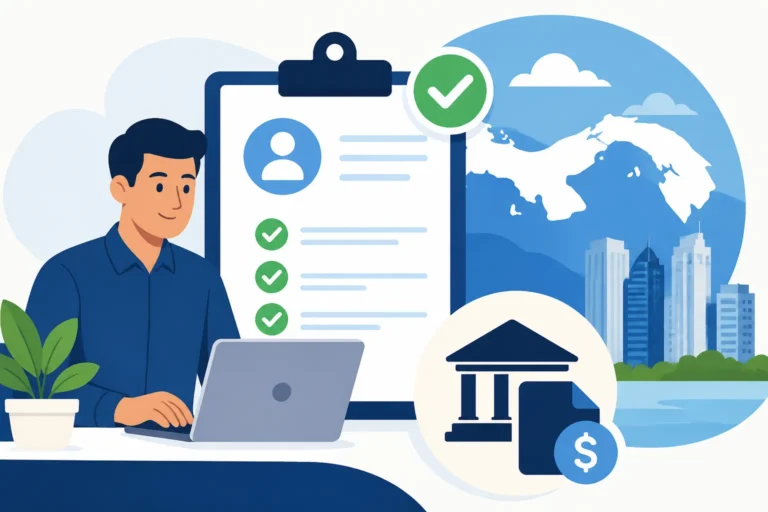
Oh, the joys and bewildering challenges of setting up shop as an expat in Panama, especially when it comes to navigating the labyrinthine world of taxes! If you're an expat entrepreneur, a freelance wizard, or someone with a brilliant side hustle, figuring out how to register as a self-employed taxpayer here can feel like trying to solve a Rubik's Cube blindfolded. But don't fret, because this guide is designed to demystify that process, breaking down exactly how you can get properly registered with the Dirección General de Ingresos (DGI) and keep your financial house in order.
Understanding Self-Employment and Tax Obligations in Panama
When you decide to strike out on your own and become self-employed in Panama, whether you're selling crafts in Boquete, offering consulting services in Panama City, or running an online business from a beachside villa, you're stepping into a different tax landscape than your salaried counterparts. It's a land of opportunity, but also a land with its own rules, and understanding them is your first crucial step.
Who is Considered Self-Employed for Tax Purposes?
In Panama, "self-employed" pretty much covers anyone who earns income through their own business, profession, or trade, rather than being an employee of a company that handles their payroll taxes. Think about it: if you're a freelance graphic designer, a yoga instructor giving private lessons, a real estate agent working on commission, a consultant, or even someone running a small local shop, the DGI likely considers you self-employed. You're responsible for declaring your own income, calculating your own taxes, and making those payments directly to the tax authority.
This is fundamentally different from being on a company's payroll, where your employer deducts income tax and social security contributions at the source. For you, the self-starter, that responsibility falls squarely on your shoulders. It's important to remember that Panama operates on a territorial tax system, which means generally only income generated within Panama is subject to Panamanian taxes. This is often a huge draw for many expats, but it doesn't mean you're exempt from local registration and reporting if your business activities happen here. For a deeper dive, check out our guide on How Panama's Tax System Works: Territorial Taxation Explained (2027).
Why Proper Registration Matters for Expats
This pattern often plays out: expats, full of enthusiasm, dive into their ventures, only to hit a wall when they realize they haven't dotted their 'i's and crossed their 't's with the DGI. Ignoring the registration process isn't just a minor oversight; it can lead to serious headaches, including fines, legal complications, and even difficulty with future residency renewals or banking.
Proper registration means you're officially recognized as a legitimate economic actor in Panama. It allows you to legally issue invoices, participate in the local economy without fear of reprisal, and build a good standing with the government. Imagine trying to open a business bank account or get a loan without official tax registration – it's practically impossible. Moreover, being properly registered ensures you comply with the laws, which is paramount for any foreigner living and working in Panama. This foundational step is part of Understanding How to Move to Panama Legally from Abroad (2027).
The Step-by-Step Process to Register with the DGI
Alright, let's get down to brass tacks. Registering as a self-employed taxpayer with the DGI isn't something you can just wing. It requires preparation, patience, and often, a good dose of local assistance. Here’s a breakdown of the key steps you’ll need to follow.
Gathering Your Essential Documents
Before you even think about setting foot in a DGI office or tackling their online portal, you need to arm yourself with a specific set of documents. This is where the Panamanian bureaucracy often tests your resolve, as documents need to be just right, often apostilled or notarized.
Typically, you'll need:
- Your Valid Passport: The cornerstone of all your official dealings. Make sure it has at least six months of validity remaining.
- Your Panamanian Residence Card (Cédula E): If you already have residency, this is crucial. If not, the process might involve some provisional steps.
- Proof of Address: A recent utility bill (electricity, water, or internet) in your name is usually sufficient. If it's not in your name, you might need a letter from the landlord.
- Bank Reference Letter: Sometimes required to show financial solvency. This should be from a local Panamanian bank. If you haven't opened an account yet, our guide on The Expat Guide to Opening a Bank Account in Panama can help.
- Professional or Business Licenses: Depending on your specific activity, you might need a municipal license (aviso de operación) or a professional license from a relevant board.
- Apostilled Criminal Record Check: Depending on your country of origin, this might be required to prove you're in good standing.
- Power of Attorney (if using a lawyer): Highly recommended, as navigating the DGI can be complex, especially with language barriers. A lawyer can act on your behalf.
- Other Supporting Documents: Depending on the nature of your self-employment, there might be additional documents requested, like educational certificates or proof of professional experience.
Remember, many foreign documents will need to be apostilled in your home country and then potentially translated by an official Panamanian translator. Don't underestimate this step; it can be time-consuming.
Applying for Your RUC (Registro Único de Contribuyente)
The RUC, or Registro Único de Contribuyente, is essentially your tax identification number in Panama. Every taxpayer, whether an individual or a company, needs one. Think of it as your unique ID for all tax-related matters. Without an RUC, you can't really operate legally or file taxes.
The application process for your RUC typically involves:
- Preparation: Gather all the documents listed above. Ensure everything is correctly apostilled, translated, and notarized as required.
- Accessing the DGI: You can initiate this process either by visiting a DGI office in person or, increasingly, through their online portal, e-Tax 2.0. While the online system is meant to streamline things, many expats find that an initial visit or professional help from a tax advisor or lawyer is invaluable due to its complexities. If you're looking for guidance with your overall tax picture, companies like Taxes for Expats specialize in helping foreigners navigate international tax laws.
- Filling out the Application Form: Whether online or in person, you'll need to complete a form providing your personal details, your residency information, and specifics about your economic activity. Be as precise as possible about the nature of your self-employment.
- Submission: Submit your application along with all supporting documents. If you're doing this in person, be prepared for potential queues and to be redirected if something isn't quite right. The DGI can be meticulous.
- Follow-up: This isn't a one-and-done deal. You'll likely need to follow up to check the status of your application. This is where a local lawyer or assistant really shines.
Once approved, you'll receive your RUC number. Keep this number safe; it's your key to the Panamanian tax system. For more detailed instructions on this, see our article on How to Get an RUC (Tax ID) as a Foreigner in Panama.
Registering Your Economic Activity and Obtaining a Paz y Salvo
Getting your RUC is the first hurdle. The next involves formally registering your specific economic activity and understanding the concept of a Paz y Salvo.
- Declaring Your Economic Activity: After receiving your RUC, you'll need to officially declare the type of self-employment or business you'll be undertaking. This is critical because it dictates which taxes you'll be responsible for (e.g., if you need to collect ITBMS). You'll typically classify your activity using a DGI-provided code. This is also where you might need to obtain an Aviso de Operación (Operating Notice) from the local municipality if you're operating a physical business, even if it's a home office.
- Understanding the Paz y Salvo: A Paz y Salvo is a tax clearance certificate issued by the DGI. It certifies that you have no outstanding tax obligations with the government. While it's not something you get immediately upon registration, it's crucial for many future administrative processes, like renewing your residency, selling property, or even some banking transactions. Maintaining a good tax record from the start will make it easier to obtain a Paz y Salvo whenever you need one. This emphasizes the importance of knowing How to File Your Annual Tax Return in Panama correctly and on time.
Managing Your Self-Employment Taxes and Finances
So, you're officially registered! Congratulations, you've conquered a significant bureaucratic peak. But the journey doesn't end there. Now comes the ongoing responsibility of managing your taxes and finances as a self-employed individual in Panama.
Navigating Income Tax and ITBMS (VAT) for Freelancers
This is where the territorial tax system comes into play most prominently for self-employed expats.
- Income Tax (Impuesto sobre la Renta): If your income is generated from services rendered or products sold within Panama, it is generally subject to Panamanian income tax. The DGI has a progressive income tax bracket system for individuals. This means you pay a higher percentage of tax as your income increases. For example, income below a certain threshold might be exempt, while higher earnings fall into brackets taxed at 15% or 25%. You'll be responsible for calculating and paying this periodically, usually through estimated quarterly payments and then a final annual declaration. Our guide on Understanding Income Tax in Panama (2027) offers a comprehensive breakdown.
- ITBMS (Impuesto a la Transferencia de Bienes Muebles y Servicios – VAT): This is Panama's equivalent of Value Added Tax (VAT) or Goods and Services Tax (GST). The standard rate is 7%. As a self-employed individual, you might need to register for ITBMS if your gross annual income from taxable activities exceeds a certain threshold (currently B/.36,000 per year or B/.3,000 per month). If you provide services or sell goods that are subject to ITBMS, you'll need to charge this tax to your clients, collect it, and then remit it to the DGI on a monthly basis. This requires careful record-keeping. Diving into The Complete Guide to ITBMS (VAT) in Panama for Businesses (2027) will clarify if this applies to your situation.
It's crucial to understand these distinctions. If you're providing services exclusively to clients outside of Panama while residing here, and the income is truly foreign-sourced, it generally falls outside Panama's tax net due to the territorial tax system. However, for any local income, you must comply.
Practical Tips for Bookkeeping and Payments
Staying organized with your finances is non-negotiable as a self-employed expat in Panama.
- Diligent Record-Keeping: Keep meticulous records of all your income and expenses. This includes invoices issued, receipts for business-related purchases, bank statements, and any other financial documentation. This will be invaluable when it comes time to file your annual tax return and will save you immense stress.
- Separate Finances: Open a separate bank account for your business or self-employment income. This makes tracking revenue and expenses infinitely easier and provides a clear audit trail. Many expats use services like Wise for international transfers to manage their funds between countries efficiently, especially if they have clients abroad, helping them keep their personal and business finances distinct.
- Understand Payment Deadlines: The DGI has strict deadlines for quarterly estimated income tax payments and monthly ITBMS declarations and payments. Missing these deadlines can result in fines and penalties. Staying on top of these dates is key to avoiding unnecessary costs. You can often pay through the DGI's online e-Tax 2.0 portal or directly at authorized banks. Our guide on How to Pay Tax as a Self-Employed Person in Panama goes into more detail.
- Explore Deductions: Just like in many countries, Panama allows certain business expenses to be deducted from your taxable income. Keep track of office supplies, professional development, travel expenses directly related to your business, and other legitimate costs. This can significantly reduce your tax burden.
Social Security (CSS) Contributions for the Self-Employed
The Caja de Seguro Social (CSS) is Panama's public social security system, covering health, maternity, disability, and retirement benefits. For employed individuals, contributions are mandatory and automatically deducted from their salaries.
For the self-employed, the situation is a bit different:
- Voluntary Contributions: As a self-employed individual, contributions to the CSS are generally voluntary. However, many expats choose to contribute because it grants them access to Panama's public healthcare system and allows them to build up pension credits for retirement.
- How to Register and Contribute: If you decide to contribute, you'll need to register directly with the CSS as a voluntary contributor. This involves an application process and then making regular payments based on your declared income. It's a separate registration from the DGI, though both deal with your official income.
- Benefits: The main benefit is access to the CSS's extensive network of hospitals and clinics, albeit often with longer wait times compared to private facilities. It also provides a safety net for disability and eventual retirement benefits. For a full picture of public healthcare, you'll want to read How to Register with the CSS (Caja de Seguro Social) in Panama.
While it might seem like an extra layer of complexity, voluntary CSS contributions can be a valuable consideration for your long-term health and financial planning in Panama.
Common Challenges and Expert Advice for Expat Entrepreneurs
Let's be real: navigating any bureaucratic system in a new country, especially one with a different language and cultural norms, can be incredibly frustrating. Panama is no exception. But with some foresight and the right resources, you can minimize the bumps in the road.
Overcoming Language Barriers and Bureaucratic Hurdles
One of the biggest hurdles for many expats is the language barrier. While you'll find English speakers in many business and tourist areas, official government offices often operate exclusively in Spanish. This can make understanding forms, asking questions, and clarifying requirements extremely difficult.
- Hire a Local Professional: This is my top piece of advice. A good Panamanian lawyer or a reputable tax accountant (contador público autorizado – CPA) who specializes in expat affairs will be worth their weight in gold. They understand the nuances of the DGI, can communicate effectively in Spanish, and can often anticipate problems before they arise. Many even offer services similar to Taxes for Expats, specifically tailored to your needs.
- Patience is a Virtue: Things often move at a different pace here. Be prepared for processes to take longer than you might expect, and try to approach interactions with a calm and respectful demeanor. Frustration rarely speeds things up.
- Ask for Clarification (Politely): If you don't understand something, don't pretend you do. Politely ask for clarification, or if possible, bring a Spanish-speaking friend or assistant with you for important visits.
Staying Compliant and Avoiding Pitfalls
The best way to enjoy your self-employed life in Panama is to ensure you're always on the right side of the law.
- Stay Updated: Tax laws and regulations can change. Subscribe to newsletters from reputable legal or accounting firms in Panama, or periodically check the DGI's official website (though this usually requires strong Spanish skills).
- Annual Tax Return: Even if your income is technically foreign-sourced and therefore not subject to Panamanian income tax, if you're a tax resident and have an RUC, you generally still need to file an annual informational tax return. This declares your income, whether taxable or not in Panama. It's about transparency and maintaining good standing. For detailed information, consult our guide on The Complete Guide to Taxes in Panama for Expats (2027).
- Don't Cut Corners: Trying to avoid registration or under-reporting income might seem tempting in the short term, but the long-term consequences are rarely worth it. Penalties can be steep, and it can affect your ability to live and conduct business in Panama legitimately.
- Professional Tax Advice: For complex situations, especially if you have income from multiple sources, international clients, or are unsure about the territorial tax implications for your specific business, seeking professional tax advice is paramount. Firms like Taxes for Expats can provide specialized assistance to expats with cross-border tax considerations, ensuring you're compliant both in Panama and potentially in your home country.
By taking these steps and staying informed, you'll not only register correctly but also build a solid foundation for your self-employed venture in Panama. It’s definitely a journey, but one that’s absolutely worth it for the freedom and opportunities this beautiful country offers.
Here's a quick summary of key documents:
| Document | Purpose | Where to Obtain/Provide | Notes |
|---|---|---|---|
| Passport | Primary identification, proof of nationality | Your home country | Must be valid for at least 6 months |
| Panamanian Residence Card | Proof of legal residency in Panama | National Immigration Service | Essential for local ID and legal standing |
| Utility Bill | Proof of local address | Electricity (Naturgy), Water (IDAAN), Internet (Cable Onda/Tigo) | Must be recent and ideally in your name |
| Bank Reference Letter | Proof of financial solvency from a local institution | Your Panamanian Bank (e.g., Banco General, Banistmo) | May need to state good standing |
| Apostilled Criminal Record | Proof of clean criminal record from home country | Your home country's police/justice department | Required for many official processes, including residency |
| Power of Attorney | Authorizes a lawyer to act on your behalf for DGI processes | Panamanian Notary with a Panamanian lawyer | Highly recommended for expats |
| Aviso de Operación | Municipal business license for certain activities | Local Municipality (Alcaldía) | Required if operating a physical business or certain services |
Disclaimer
The information provided in this guide is for general informational purposes only and does not constitute legal, tax, or professional advice. While we strive to provide accurate and up-to-date information, laws and regulations in Panama are subject to change and can be complex. It is highly recommended that you consult with a qualified Panamanian lawyer or tax professional for advice tailored to your specific situation before making any decisions related to your tax obligations or business registration in Panama.