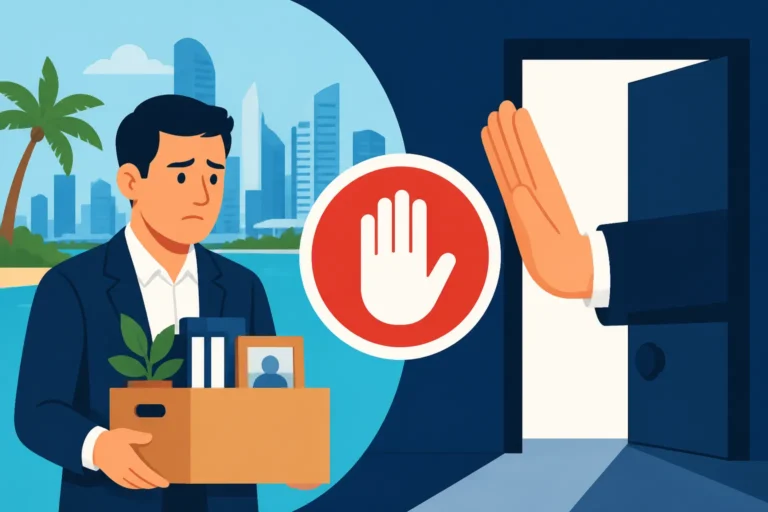
How to Find English Teaching Jobs in Panama
So, you’ve been bitten by the travel bug, and now you’re eyeing Panama as your next big adventure – maybe even with the idea of teaching English here. It’s a common dream for many expats, drawn by the vibrant culture, the bustling city, or the tranquil mountain towns. But let me tell you, the reality of finding an English teaching job in Panama can be a bit of a rollercoaster, much like navigating a busy Metrobus during rush hour. This guide is going to strip away the assumptions and lay bare the real landscape of teaching English in Panama, giving you an honest, in-depth look at what to expect, how to prepare, and where to find those elusive opportunities.
Understanding the English Teaching Landscape in Panama
When you first land in Panama, especially if you're coming from a country with a highly structured education system, the job market for English teachers can feel a bit like the Wild West. There's demand, certainly, but it's fragmented, and the expectations can vary wildly. It’s not always as straightforward as applying to a government-run program back home. You'll find a mix of institutions, each with its own quirks, benefits, and challenges.
The Demand for English Teachers: Who's Hiring?
The push for English proficiency in Panama is real and growing. With Panama City serving as a major international business hub and the country being a significant player in logistics and tourism, the need for English-speaking professionals is constantly on the rise. This creates a diverse demand for English teachers across various sectors.
Public schools often have a huge need, especially in more rural areas where resources are limited. However, getting into the public school system as a foreigner can be a bureaucratic labyrinth, requiring specific qualifications and often a long, drawn-out process to validate your credentials. While the government has made efforts like "Panama Bilingual" to integrate English education more deeply, these programs often have their own set of requirements and are not always open to all foreign teachers without specific agreements. Don't get me wrong, there are opportunities, but they often require immense patience and a readiness to navigate the country’s unique administrative processes, especially when it comes to How to Get Your Foreign Qualification Recognised in Panama.
Private schools, particularly the international schools, are where many expat teachers find themselves. These institutions cater to the children of other expats, diplomats, and affluent Panamanian families who understand the value of a bilingual education. Schools like Balboa Academy, Crossroads Christian Academy, or Metropolitan School of Panama often follow American or international curricula, and naturally, they seek teachers with qualifications and experience from similar systems. The competition for these roles can be fierce, as they generally offer better salaries, benefits, and more stable contracts, often including assistance with visas and work permits. These are the coveted spots, but they expect high-level qualifications, often requiring a teaching license from your home country, years of experience, and sometimes even a master's degree.
Then you have the language academies and institutes, which form a significant part of the English teaching market. These range from established international chains like Berlitz or Wall Street English to smaller, local operations. They primarily cater to university students and working professionals looking to improve their English for academic or career advancement. While the pay might not be as high as international schools, these academies often have more flexible hiring processes and can be a good entry point for newcomers. They might also be more open to teachers with just a TEFL certification and less formal teaching experience. Be prepared for a higher number of teaching hours, which might include evenings and weekends, to accommodate their student base.
Finally, there's the realm of corporate training and private tutoring. This is where many experienced teachers find their niche, especially if they have specialized skills in business English or exam preparation (like TOEFL or IELTS). Companies in the banking, logistics, and tourism sectors often hire English teachers to train their employees, either on-site or through language institutes. Private tutoring, whether in person or online, offers the most flexibility and can be incredibly lucrative if you build a good client base. This is also where you can often set your own rates and truly control your schedule. Many teachers start in academies and slowly transition to building their private client list.
Essential Qualifications and Certifications
When you're looking for English teaching jobs in Panama, qualifications are a bit of a mixed bag. Some institutions are incredibly strict, while others are more relaxed, often depending on how desperate they are to fill a position or how much they're willing to pay. However, having the right certifications can significantly open doors for you.
A TEFL (Teaching English as a Foreign Language), TESOL (Teaching English to Speakers of Other Languages), or CELTA (Certificate in English Language Teaching to Adults) certificate is almost universally expected, especially if you don't have a formal teaching degree. Many language academies consider a 120-hour in-class TEFL course the minimum requirement. While online TEFL courses exist and are widely available, many Panamanian employers still prefer or even require an in-person component, as they see it as a sign of more practical training. It’s worth investing in a reputable, accredited course, as this will give you a solid foundation in teaching methodologies and classroom management – skills you’ll definitely need here.
University degrees are another common requirement, particularly for the more prestigious international schools. A bachelor's degree in any field is often the baseline, but a degree in education, English, or linguistics will definitely give you an edge. For those highly sought-after international school positions, a state-issued teaching license from your home country is almost always mandatory, sometimes along with a few years of prior classroom experience. If you’re fresh out of university with a non-education degree, focus on getting that TEFL/CELTA, and perhaps consider a language academy for your first couple of years to build up your experience.
Native vs. Non-Native Speaker Considerations
This can be a tricky and sometimes sensitive topic, but it’s an honest reality in the Panamanian English teaching market, as it is in many other countries. While language skills and teaching ability are paramount, the concept of a "native English speaker" still holds significant weight in the minds of many employers and parents.
International schools, especially those adhering to North American or British curricula, often explicitly prefer or even require teachers who are native English speakers, particularly those from the USA, Canada, UK, Ireland, Australia, New Zealand, or South Africa. This preference often stems from the desire to provide students with exposure to native accents and cultural nuances, which are seen as valuable for achieving fluency. These positions also tend to pay more and come with better benefits. If you're from one of these countries and have the qualifications, you're generally in a strong position.
However, if you're a highly proficient non-native English speaker with excellent qualifications and teaching experience, don't despair! You absolutely can find opportunities, but you might need to be more strategic. Language academies and private tutoring are often more open to hiring non-native speakers, as long as your English is impeccable and you possess strong teaching skills. Highlighting your certifications, any teaching experience you have, and perhaps even your proficiency in Spanish can help bridge any perceived gaps. The key is demonstrating your ability to effectively communicate and teach, regardless of your origin. Ultimately, a good teacher is a good teacher, and many Panamanian students can benefit immensely from the dedication and skill of a non-native English teacher who truly understands the learning process.
Navigating the Job Search: Where and How to Apply
Finding an English teaching job in Panama can feel like a full-time job in itself. It requires a blend of online searching, networking, and sometimes, good old-fashioned pavement pounding. It's not always a quick process, so patience and persistence are key. Remember, just like anywhere else, it often comes down to who you know, or at least, knowing where to look and how to present yourself effectively.
Finding Opportunities: Online and On-the-Ground
When you first start looking, online job boards are usually the first port of call. Websites like TEFL.com, Dave's ESL Cafe, or ESLcafe.com are popular international platforms where schools and academies in Panama often post vacancies. You'll also find local Panamanian job portals, such as Konzerta.com, which can be useful, though these might require some basic Spanish to navigate. Many international schools will also post directly on their own websites, so it's a good idea to create a target list of schools and check their "careers" sections regularly. You might also find some interesting leads on LinkedIn, especially for corporate training roles.
While online resources are great for getting a lay of the land, don't underestimate the power of "on-the-ground" searching once you're in Panama. This is where networking truly shines. Joining expat groups on Facebook or other social media platforms can provide invaluable leads, as people often share information about job openings or even refer friends directly. Physically visiting language academies and private schools in areas like El Cangrejo, Obarrio, or San Francisco in Panama City, with your CV in hand, can also be surprisingly effective. Many smaller, local academies might not advertise widely online, preferring to hire based on walk-in applications or referrals. This approach shows initiative and allows you to make a personal connection, which can go a long way in Panama.
Crafting Your Application: CVs and Cover Letters
Your CV (Curriculum Vitae) and cover letter are your first impression, and in Panama, tailoring them to the local context is vital. While you might be used to a specific format in your home country, it's worth taking the time to adapt your CV for the Panamanian job market. Generally, Panamanian CVs are more comprehensive than their North American counterparts and often include personal details like a professional headshot, marital status, and even your cédula (if you have one). Make sure your contact information, including a local Panamanian phone number, is prominently displayed.
Highlight your English teaching certifications (TEFL, CELTA, etc.) and any relevant teaching experience, even if it's volunteer work or private tutoring. If you have experience teaching specific age groups or for particular exams (like IELTS or TOEFL), emphasize that. Importantly, ensure your CV is clear, concise, and grammatically perfect – after all, you’re applying to teach English! Your cover letter should be equally polished, directly addressing the school or academy, explaining why you’re interested in working there, and how your skills align with their needs. Don't be afraid to express your enthusiasm for living and working in Panama. If you want more detailed guidance on how to make your application stand out, you can check out our guide on How to Adapt Your CV for the Panamanian Job Market.
Interviewing and Securing the Position
Once you've landed an interview, whether in person or via video call, it's time to shine. Be prepared to discuss your teaching philosophy, classroom management strategies, and how you handle diverse student populations. For language academies, you might be asked to conduct a short demo lesson, so have a plan ready for a 10-15 minute interactive activity. Show enthusiasm, punctuality, and a genuine interest in working with Panamanian students.
Many international schools might involve multiple rounds of interviews, sometimes with a department head, then a principal, and possibly even the director. For these roles, be ready to articulate your long-term career goals and how you see yourself contributing to the school community. Don't forget to ask questions during the interview. This shows engagement and helps you assess if the school is a good fit for you. In Panama, making a personal connection and showing respect for local customs can also make a positive impression. After the interview, a polite thank-you email is always a good idea, reiterating your interest in the position.
Salary Expectations, Benefits, and Financial Realities
Let’s be honest, for many expats, a big part of the move is about the lifestyle. But to sustain that lifestyle, you need to understand the financial realities of teaching English in Panama. It’s crucial to go into this with open eyes, as the salaries can vary dramatically, and the cost of living, especially in Panama City, might surprise you.
Average Salaries Across Different Institutions
The salary you can expect as an English teacher in Panama is not a one-size-fits-all figure. It largely depends on the type of institution, your qualifications, and your experience.
At language academies, which are a common entry point, salaries can range from around $600 to $1,200 per month. This usually translates to an hourly rate of $8-$15 for teaching hours, and you'll often be paid only for the hours you teach. These contracts often don’t include extensive benefits beyond basic social security contributions. While this might sound modest, especially compared to Western salaries, it can be a comfortable wage if you're careful with your expenses and perhaps supplement your income with private lessons.
Private Panamanian schools tend to offer slightly better packages, typically in the range of $800 to $1,500 per month, sometimes more for experienced teachers in reputable institutions. These often come with more stable contracts, often for a full school year, and might include some basic health benefits and paid holidays.
The real difference-maker is often the international schools. These institutions offer the most competitive salaries, ranging from $1,800 to $3,500+ per month, and sometimes even higher for teachers with advanced degrees and extensive experience. These packages often include comprehensive health insurance, housing allowances, annual flights, professional development opportunities, and assistance with work permits. However, these positions are highly competitive and usually require a full teaching license from your home country, along with significant experience. For a more general understanding of income, you might want to read Understanding the Minimum Wage and Average Salary in Panama.
Deciphering Benefits and Contract Terms
Beyond the basic salary, understanding the benefits and contract terms is crucial for your financial well-being. Panamanian labor law dictates certain rights and entitlements for employees, and it’s important to know what you’re entitled to. For example, the "decimo tercer mes" or "Thirteenth Month" bonus is a legally mandated annual bonus equivalent to one month's salary, usually paid out in three installments throughout the year (April, August, and December). This is a significant perk that can sometimes be overlooked by newcomers.
Health insurance is another critical consideration. While public healthcare in Panama is available through the CSS (Caja de Seguro Social), many expats prefer private health insurance due to shorter wait times and access to higher-quality facilities like Hospital Punta Pacifica or Hospital Nacional. Some employers, particularly international schools, will provide private health insurance as part of your package. If not, you'll need to factor in the cost of private or international health insurance yourself. Paid leave, public holidays, and sick leave entitlements are also important to clarify in your contract. Generally, full-time employees are entitled to a certain number of paid vacation days per year. For a deeper dive into your rights, check out Understanding Panamanian Labour Law and Worker Rights (2027).
It's also essential to understand the length and type of contract. Many language academies offer yearly contracts that are renewable, but they might include clauses that allow for termination based on student enrollment. International schools usually offer multi-year contracts, providing more stability. Always read your contract carefully and don't be afraid to ask for clarification on any terms you don't understand before signing.
Cost of Living vs. Teaching Income in Panama
Can you live comfortably on an English teacher's salary in Panama? The answer, as always, is "it depends." Panama City, while offering the most job opportunities, also has the highest cost of living. Rent, especially in expat-friendly neighborhoods like El Cangrejo, Obarrio, or Costa del Este, can be a significant expense. A decent one-bedroom apartment might cost anywhere from $700 to $1,200+ per month. Utilities, including electricity, water, and internet, can add another $100-$300. Food costs can be managed by shopping at local markets (mercados) and cooking at home, but dining out frequently, especially in upscale restaurants, will quickly eat into your budget.
If you’re earning on the lower end of the salary scale ($600-$1,000), you’ll need to be very budget-conscious, perhaps sharing an apartment or living in more local neighborhoods. However, for those in international schools, or those successfully supplementing their income with private tutoring, a comfortable lifestyle is certainly achievable. Outside of Panama City, in places like David or Coronado, the cost of living is generally lower, but so are the job opportunities and often the salaries. It’s a trade-off you’ll need to weigh. For a broader perspective on expenses, refer to The Complete Guide to Cost of Living in Panama for Expats (2026).
| Institution Type | Estimated Monthly Salary (USD) | Common Benefits | Required Qualifications |
|---|---|---|---|
| Language Academies | $600 – $1,200 | Basic social security | 120-hour TEFL/CELTA, Bachelor's (sometimes flexible) |
| Private Panamanian Schools | $800 – $1,500 | Basic health, some paid leave, 13th month | Bachelor's degree, TEFL/CELTA, some experience |
| International Schools | $1,800 – $3,500+ | Comprehensive health, housing, flights, PD, work permit | Teaching license, Bachelor's (often Master's), 2+ years experience |
| Private Tutoring | Variable ($15-$40+/hour) | None (self-employed) | Experience, strong English, personal marketing |
| Corporate Training | Variable (project-based or fixed) | Varies by company/contract | Specialized skills (e.g., Business English), experience |
Legalities and Logistics: Work Permits and Visas
Ah, the part where things get real, and often, a little frustrating. Dealing with Panamanian immigration and labor laws can feel like a maze, and securing the proper documentation to work legally is probably the biggest hurdle for most foreign English teachers. Don't be fooled by promises; always ensure you understand your legal standing.
The Work Permit Hurdle for Educators
This is where many aspiring expat English teachers hit a snag. To work legally in Panama, you need a work permit, and securing one is typically the responsibility of your employer. The Panamanian Ministry of Labor (MITRADEL) has strict regulations in place to protect local employment, which includes the "10% rule." This rule stipulates that only up to 10% of a company's workforce can be foreign nationals, and this also applies to specialized foreign personnel.
For a Panamanian school or language academy to hire a foreigner, they usually need to demonstrate that they couldn't find a qualified Panamanian national for the role. While there's a clear demand for English teachers, proving that a Panamanian couldn't teach English often requires jumping through quite a few hoops. Many schools, especially smaller ones, are either unwilling or unable to go through this often lengthy and costly process. This leads to a prevalent, but risky, situation where some teachers work "under the table," which we'll discuss shortly.
International schools, however, are generally much more equipped and willing to navigate the work permit process for their foreign teachers. They often have legal teams dedicated to immigration matters and understand that securing work permits for highly qualified foreign educators is essential to their operational model. If you're aiming for an international school, they will typically handle your work permit application as part of your employment package. This is a huge advantage and a strong indicator of a legitimate and stable job. For more comprehensive information on this, you should definitely check out How a Work Permit and Employer Sponsorship Work in Panama.
Navigating Visa and Residency Requirements
Beyond the work permit, you'll also need a visa and potentially a residency status that allows you to live and work in Panama. Simply entering Panama as a tourist will only grant you a 90 to 180-day stay (depending on your nationality), and it explicitly prohibits working. You cannot simply transition from a tourist visa to a work permit without leaving the country and starting the process properly.
One of the most common pathways to residency for many expats in Panama is the Understanding the Friendly Nations Visa in Panama (2027). This visa is available to citizens of specific countries (often those that maintain friendly diplomatic, economic, and investment relations with Panama) and allows for permanent residency if you meet certain criteria, such as establishing economic ties in Panama through employment with a Panamanian company or establishing a business. While you might be able to qualify for this visa through an employer, securing a work permit is still a separate and necessary step to work legally. Some foreign English teachers on this visa might then seek a job, but finding an employer willing to navigate the work permit is still the main challenge.
Another option for long-term residency could be the Visa for Economic Solvency, which requires a significant investment in Panamanian real estate or a fixed-term deposit in a local bank. However, these are generally not tied to employment and are more for individuals with substantial capital.
The harsh reality for many seeking English teaching jobs is that securing full, legal work authorization through a language academy or a smaller local school is tough. This has led to a number of teachers working without the proper permits, a situation that carries significant risks. While some manage for years without issues, you could face fines, deportation, and a ban from re-entering Panama if caught. It’s always best to pursue legitimate pathways, even if they are more challenging. Always seek professional legal advice from an immigration lawyer in Panama to understand your specific options.
Maximizing Your Earning Potential and Career Growth
Once you’ve got your foot in the door, or even if you’re still navigating the job hunt, there are definitely ways to not only boost your income but also grow professionally as an English teacher in Panama. It’s about being strategic and understanding the market beyond the traditional classroom.
Expanding Your Income Streams: Private and Online Tutoring
One of the most effective ways to significantly increase your earning potential in Panama is through private tutoring. The demand for one-on-one English lessons is incredibly high, especially among business professionals, university students, and affluent families who want personalized attention for their children. The beauty of private tutoring is that you get to set your own rates, which can range from $15 to $40+ per hour, depending on your experience, location, and the specialization of the lesson (e.g., Business English, exam preparation).
Finding private clients can start with word-of-mouth referrals from your current students if you're working at an academy, or by networking within expat and local professional communities. Posting flyers in expat-friendly coffee shops, community centers, or even creating a simple social media presence can help. Beyond in-person tutoring, consider the booming world of online English teaching. Platforms like iTalki allow you to connect with students from Panama and all over the world, teaching from the comfort of your home. This offers incredible flexibility and can fill gaps in your schedule, providing a stable supplemental income regardless of local job market fluctuations. It also opens up opportunities to teach students from different time zones, maximizing your available hours.
If you choose to become a full-time private tutor or teach primarily online, remember that you’ll essentially be self-employed. This means you’ll be responsible for your own taxes and potentially even registering as a small business owner. For more on this, check out How to Register as a Natural Person Business (Persona Natural) in Panama and our comprehensive guide to The Complete Guide to Taxes in Panama for Expats (2027).
Professional Development and Niche Skills
To truly stand out and command higher rates, consider specializing in a particular area of English language teaching. Business English is always in high demand in Panama City, given its status as a financial and logistical hub. Companies are constantly seeking to improve their employees' English skills for international communication. Offering courses specifically tailored to business professionals can open doors to corporate training gigs, which often pay much better than general language academy work.
Exam preparation courses, such as TOEFL, IELTS, or Cambridge English exams, are another lucrative niche. Many Panamanian students need to pass these exams for university admissions abroad or for professional certifications. Becoming an expert in these areas, perhaps even taking a specific certification course for teaching these exams, can significantly boost your value.
Beyond specialization, continuously investing in your own professional development is key. Attending workshops, webinars, or even pursuing advanced certifications like a Diploma in English Language Teaching to Adults (DELTA) can elevate your expertise and make you a more attractive candidate for higher-paying positions. Learning Spanish, which we'll delve into next, is also a crucial aspect of professional growth, not just for daily life but for understanding your students' linguistic backgrounds and building rapport. The more you learn and specialize, the more indispensable you become, opening up opportunities for not just better pay but also leadership roles within institutions.
Practical Tips for a Successful Transition
Moving to a new country, especially one with a different language and culture, is a big step. Preparation and an open mind are among the most useful things newcomers can bring. These practical tips will help you not just survive, but truly thrive as an English teacher in Panama.
Learning Spanish: More Than Just a Bonus
Let’s be real here: while you’re coming to Panama to teach English, embracing Spanish yourself is absolutely non-negotiable for a truly fulfilling experience. Many expats arrive thinking they can get by with just English, especially in Panama City, and while you can in some tourist-heavy areas or expat bubbles, you're missing out on so much.
From a practical standpoint, learning Spanish will make your daily life infinitely easier. Navigating local shops, ordering food at a fonda (local eatery), dealing with utility companies, or even just chatting with your taxi driver – all become less stressful and more enjoyable when you can communicate in the local language. It's also a huge sign of respect for your host country and its culture. Panamanians are generally very welcoming, but they truly appreciate it when you make an effort to speak their language.
Professionally, being bilingual gives you a massive advantage as an English teacher. It helps you understand the common grammatical errors Panamanian students make, as you can draw parallels and contrasts between English and Spanish. It also allows you to build deeper rapport with your students and their parents, especially if they are not fluent in English. In many language academies and local schools, a teacher who can communicate in Spanish with colleagues and administrators will often find more opportunities and smoother interactions. It's not just a bonus; it's a powerful tool for integration and career advancement.
Cultural Adaptation in the Panamanian Classroom
Stepping into a Panamanian classroom is going to be different from what you might be used to back home. Understanding and adapting to the local educational culture is crucial for your success and job satisfaction. One key aspect is the concept of "respeto" (respect). Students are generally very respectful of teachers, and maintaining that dynamic is important. Authority figures, including teachers, are highly regarded.
Classroom dynamics might be more communal, with students often working in groups or participating in more interactive, discussion-based activities. Rote memorization can still be a part of the learning process, particularly in more traditional schools, so you might need to blend modern communicative approaches with some familiar Panamanian teaching styles. Don’t be surprised if students are sometimes more reserved in asking questions directly or challenging a point, especially in larger groups; they might prefer to clarify individually after class.
Punctuality, while important, can sometimes be a bit more flexible in Panama (think "Panamanian time"). While you should always be on time, be prepared for students or even colleagues to occasionally run a little late. Patience and flexibility are virtues you'll cultivate quickly here. Building personal relationships with your students, showing interest in their lives, and understanding their motivations for learning English can also go a long way in creating a positive and effective learning environment. It’s about becoming part of the community, not just an outsider delivering a service. Embrace the differences, learn from them, and let your empathy guide your teaching.
Disclaimer
Please remember that while I strive to provide the most current and accurate information based on my experience and available data, rules and regulations for visas, work permits, and employment can change. Always consult with official Panamanian government sources, immigration lawyers, or the specific institutions you are interested in, to get the most up-to-date and personalized advice. This guide is for informational purposes only and does not constitute legal or financial advice.