What Is the ITBMS (VAT) Rate in Panama in 2026?
Ah, the wonderful world of taxes in a new country! I know, I know, just hearing the word "tax" can make your eyes glaze over, especially when you're trying to figure out how things work in a place like Panama. One of the common head-scratchers for newcomers is ITBMS – Panama's version of VAT or sales tax. It’s not always obvious what it applies to, what the rate is, and how it impacts your daily life and budget. This guide is here to shed some light on the ITBMS rate in Panama for 2026, helping you understand what it is, where you’ll encounter it, and how to navigate it without pulling your hair out.
Demystifying ITBMS – Panama's Version of VAT
When you first arrive in Panama, you might hear people throwing around the term "ITBMS." If you’re from Europe or many other parts of the world, your brain probably immediately translates that to "VAT" or "sales tax." And you'd be largely right! But as with many things in a new country, there are always local nuances and specific applications that make it uniquely Panamanian.
What Exactly Is ITBMS?
ITBMS stands for Impuesto de Transferencia de Bienes Corporales Muebles y la Prestación de Servicios. Yeah, it's a mouthful, even for me after all these years! In plain English, it's a tax on the transfer of tangible personal property (goods) and the rendering of services. Think of it as Panama's general consumption tax. Just like Value Added Tax (VAT) in many European countries or Goods and Services Tax (GST) in others, it's typically added to the price of most goods and services you purchase, and it’s ultimately borne by the end consumer. Businesses collect it and then remit it to the Dirección General de Ingresos (DGI), which is Panama's tax authority.
Unlike some tax systems where the VAT rate varies wildly across different categories of goods, Panama generally keeps things a bit simpler with a more uniform application. This means less guesswork, but it still requires you to be aware of what's included in the price you see and what might be added on at the till or on your invoice. Understanding the general principles of how Panama's tax system works, especially its territorial taxation, can give you a broader perspective on how ITBMS fits into the overall financial landscape here. For a deeper dive into the broader tax environment, you might find it helpful to read about The Complete Guide to Taxes in Panama for Expats (2027).
The Current ITBMS Rate in Panama
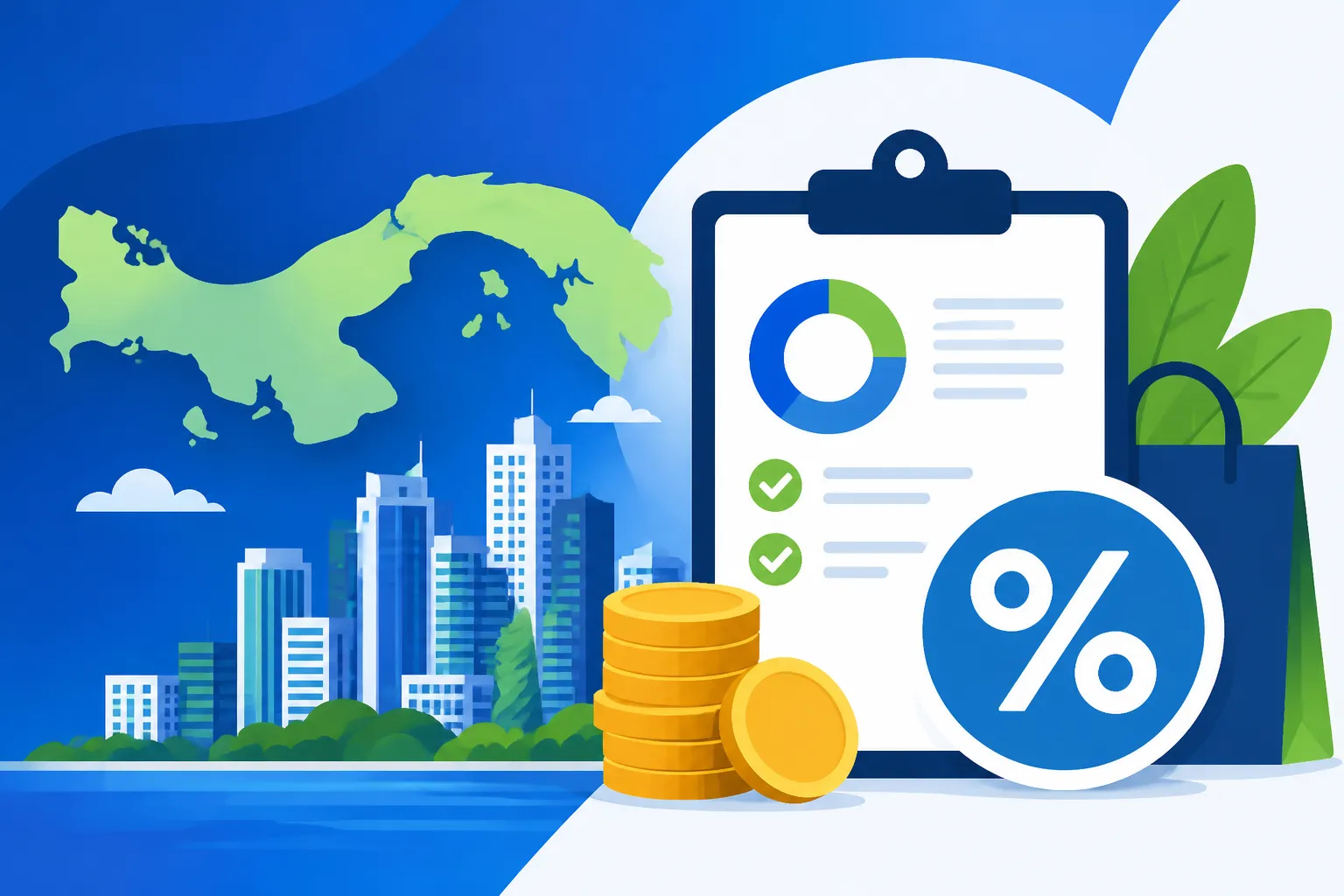
Now, for the big question: what is the actual ITBMS rate in Panama for 2026? The standard ITBMS rate in Panama has been a consistent 7%. This rate has remained stable for a considerable period and is projected to continue into 2026, barring any unforeseen legislative changes. While some countries might constantly tweak their VAT rates, Panama has generally maintained this rate to provide stability in its consumption tax.
It's crucial to understand that this 7% is the standard rate. This means it applies to the vast majority of goods you buy – from a new shirt at Multiplaza to your groceries at Riba Smith, and most services you use, like getting your car serviced or going out to a restaurant. Knowing this 7% figure offhand will help you quickly calculate potential final costs and verify your receipts. Keep in mind that some services and goods might have specific, lower rates or even be completely exempt, which we’ll get into next. For those who are constantly managing their finances across borders, platforms like Wise can be incredibly useful for transparent currency exchange, helping you to budget more accurately for these local costs.
Navigating Goods and Services Subject to ITBMS
One of the biggest hurdles for expats, myself included, is figuring out what falls under the tax umbrella and what doesn't. It's not always intuitive, and often, what you think should be taxed isn't, and vice-versa. Having a clear idea of where ITBMS will pop up will save you from sticker shock and budgeting woes.
Common Goods and Services Where You'll Encounter ITBMS
You'll quickly notice that ITBMS is prevalent across most aspects of daily life in Panama. When you're shopping at your local supermarket for non-basic items, grabbing a coffee at a cafe, or treating yourself to dinner at a restaurant in Casco Viejo, that 7% ITBMS will almost certainly be added to your bill. This also applies to a wide range of other services, from hotel stays, phone and internet services, to professional services like legal or accounting advice, and even getting a haircut.
For instance, if you purchase a new appliance for your apartment, say a refrigerator, the advertised price will likely have the 7% ITBMS added at the point of sale. Similarly, if you go to a beauty salon in Costa del Este for a manicure, you'll see the 7% ITBMS itemized on your final bill. Even your monthly phone bill from companies like Cable & Wireless or Digicel will typically include ITBMS on the service charges. This broad application is why understanding the 7% rate is so important for your everyday budgeting. It's practically everywhere you spend money beyond the absolute bare necessities.
Exemptions and Zero-Rated Items
Now, here's where it gets a little more complex, but also where you might catch a break. Panama, like many countries, provides specific exemptions or zero-rated categories for certain goods and services, often for social or economic reasons. For expats, these are important to know, especially for essential items.
The most common and impactful exemptions you'll encounter are on certain basic food products and medicines. This is designed to keep the cost of living manageable for everyone. So, when you buy fresh fruits, vegetables, unprocessed meats, milk, or bread at the grocery store, you typically won't pay ITBMS on these items. Similarly, most prescription and over-the-counter medications are exempt, which is a significant relief for your healthcare budget. If you're looking into managing your health, you might want to learn about Prescription Medications and Pharmacies in Panama: The Complete Guide.
Other notable exemptions include educational services, interest on loans, and certain financial services. Public transport services, like the Metro and Metrobus in Panama City, are also exempt. It's not uncommon for businesses in these categories to explicitly state "Exento de ITBMS" (Exempt from ITBMS) on their invoices or price lists. For services that are zero-rated, it means the rate is 0%, but businesses can still claim back ITBMS paid on their inputs. For the average consumer, the effect is the same as an exemption – you pay no ITBMS. However, the exact list of exemptions can be detailed and sometimes subject to interpretation, so if in doubt, it's always best to ask the vendor or consult with a local tax professional. This is especially true if you are running a business; navigating these specifics requires precision.
Here’s a quick overview to help you differentiate:
| Category | ITBMS Rate (2026) | Applies To | Key Examples for Expats |
|---|---|---|---|
| Standard Rate | 7% | Most goods and services | Restaurant meals, hotel stays, clothing, electronics, internet plans, professional services (lawyers, accountants), car repairs, beauty services |
| Exempt Items | 0% (Exempt) | Basic food staples, medicines, educational services, financial services (interest on loans), public transport, rental of residential property | Fresh produce, milk, bread, rice, essential medications, school tuition, bus fares, apartment rent |
| Specific Lower Rate | 10% | Alcoholic beverages, tobacco products, hotel stays, jewelry, certain luxury goods (Note: these items have an additional consumption tax on top of the 7% ITBMS base) | Bottles of wine, cigarettes, certain high-end watches, luxury hotel rooms (the 7% ITBMS is still there, but an additional 3% or more may apply on top). |
Note: While the standard ITBMS is 7%, some specific goods and services like alcohol, tobacco, and luxury items may incur additional consumption taxes on top, effectively making their combined tax rate higher than 7%. For hotel stays, an additional 3% tourism tax is often applied, making the total tax 10% on your lodging bill.
Practical Implications of ITBMS for Expats and Residents
Understanding the ITBMS rate isn't just an academic exercise; it directly impacts your financial life in Panama. From your daily coffee budget to the cost of setting up your new home, ITBMS plays a role in how far your money goes.
Understanding Your Daily Budget and Purchases
When you move to Panama, figuring out the true cost of living can be tricky. You might see prices advertised and think you have a handle on things, only to find that an extra 7% (or more, for certain items like a nice bottle of rum) gets tacked on at the register. This is why it's vital to factor ITBMS into your budget from the get-go. Whether you’re trying to figure out How Much Does It Cost to Rent an Apartment in Panama City in 2026 or simply planning your weekly grocery run, always assume the 7% will be added unless you're buying basic food staples or medicines.
For example, if you see a menu item for $15, you should mentally calculate that it will actually cost you $16.05 after ITBMS. If you're purchasing a $100 item, be prepared to pay $107. This might seem like a small difference, but it adds up quickly over a month, especially for discretionary spending. Countless expats express frustration when their seemingly reasonable budget gets stretched thin because they didn't account for these little additions. It's not about being ripped off; it's just how the system works, and being prepared is key. Using a financial tool like Wise to manage international transfers can help ensure you're getting the best exchange rates, leaving more room in your budget for these essential tax considerations.
ITBMS for Self-Employed Individuals and Businesses
If you're an expat who plans to work for yourself, open a business, or engage in any freelance activities in Panama, the implications of ITBMS become significantly more involved. It's no longer just about paying the tax; it's about collecting, reporting, and remitting it correctly.
As a self-employed individual or business owner, if your activities fall within the scope of ITBMS-taxable goods or services, you will be required to register with the DGI. This process involves obtaining a Taxpayer Identification Number (RUC) and potentially registering for ITBMS specifically. Once registered, you'll need to charge ITBMS on your invoices to clients (unless their services are exempt), keep meticulous records of all ITBMS collected and paid on your own business expenses, and then file regular ITBMS declarations, typically monthly. If you are starting out, understanding How to Register as a Self-Employed Taxpayer in Panama is a crucial first step.
The good news is that if you pay ITBMS on your business purchases (e.g., office supplies, professional services from other Panamanian businesses), you can often deduct this "input ITBMS" from the "output ITBMS" you collected from your clients. This is how the value-added tax system works – you only remit the net difference to the DGI. However, this also means maintaining accurate accounting records is paramount. Many expats find navigating these business tax requirements complex, and it’s often advisable to seek professional help. Reputable services like Taxes for Expats specialize in helping foreigners understand their obligations in various countries, including Panama, making sure you stay compliant with the DGI. Getting your head around How to File Your Annual Tax Return in Panama as a self-employed person will naturally involve understanding your ITBMS obligations too.
How to Handle ITBMS and Avoid Surprises
Dealing with taxes, even consumption taxes, can be a minor headache or a major source of stress. But with a little knowledge and some proactive habits, you can navigate ITBMS smoothly and prevent any unpleasant surprises on your Panamanian financial journey.
Checking Your Receipts and Invoices
This might sound obvious, but it's surprising how many people, especially expats new to a country, don't thoroughly check their receipts. In Panama, it's a good habit to always review your receipts and invoices. Most formal businesses will itemize ITBMS separately, clearly showing the subtotal, the ITBMS amount, and the grand total. This transparency is for your benefit and helps you understand exactly what you're paying for.
Look for a line item that says "ITBMS" or "IVA" (though ITBMS is the official term here, sometimes you’ll see IVA as a remnant or general term) and verify that it's calculated at 7% of the subtotal. If you're purchasing something that you know should be exempt, like basic groceries, double-check that ITBMS hasn't been mistakenly added. While errors are rare in established stores, they can happen, particularly in smaller businesses or if there's a language barrier. Don't be afraid to politely point out discrepancies; most reputable businesses will correct an error without fuss. This practice also helps you monitor your spending and ensure your budget is on track for the overall Cost of Living in Panama for Expats (2026).
Tips for Managing ITBMS as an Expat
Beyond checking your receipts, there are a few practical tips to help you manage ITBMS effectively as an expat in Panama:
- Always Budget for 7%: When you're making plans or mentally calculating costs, always add that 7% for most goods and services. It's better to overestimate slightly than to be short.
- Know Your Exemptions: Familiarize yourself with the common ITBMS-exempt items (basic foods, medicines). This knowledge can help you make smarter purchasing decisions and quickly identify any billing errors.
- Keep Records: If you're self-employed, keep meticulous records of all your sales and purchases, especially those where you paid ITBMS. This will be essential for your monthly or quarterly ITBMS declarations and your annual tax return. Knowing How to Register with the DGI (Direccion General de Ingresos) in Panama is a foundational step here.
- Ask if Unsure: When in doubt about whether ITBMS applies to a particular service or product, just ask! Most vendors are happy to clarify. A simple "¿Incluye ITBMS?" (Is ITBMS included?) or "¿Aplica ITBMS?" (Does ITBMS apply?) can save you confusion.
- Separate Business and Personal: If you're a business owner, ensure your personal and business finances are strictly separate. This makes tracking ITBMS for your business much easier and keeps your tax affairs tidy.
- Seek Professional Advice for Business: If you're running a business, don't try to go it alone on tax matters, especially for ITBMS collection and remittance. A local accountant or a specialized service like Taxes for Expats can be invaluable in ensuring you comply with Panamanian tax laws. They can guide you through the intricacies of ITBMS, income tax, and all other financial obligations.
By taking these steps, ITBMS will quickly become a normal part of your financial landscape in Panama, rather than a hidden cost or a source of frustration.
Disclaimer
Please remember that I am an expat blogger, sharing my experiences and general information about living in Panama. While I strive for accuracy and use current information, tax laws can be complex and are subject to change. This guide should not be considered professional financial or legal advice. Always consult with a qualified Panamanian tax advisor or legal professional for advice tailored to your specific situation.