Why Panama Is a Top Destination for Medical Care: The Expat Guide (2027)
Figuring out healthcare in a new country can feel like navigating a dense jungle, and Panama is no exception to the initial confusion. You’ve probably heard whispers about the affordable, high-quality medical care here, but is it really true, or just another expat myth? This comprehensive guide is here to cut through the noise, offering an in-depth look at why Panama has genuinely become a top destination for medical care, especially for us expats, and what you need to know to leverage its excellent facilities.
The Foundations of Panama's Healthcare System: A Dual Approach
When you first arrive in Panama and start asking about doctors, you’ll quickly realize there are two distinct paths: the public system, run by the Caja de Seguro Social (CSS), and a robust private healthcare sector. It’s not always a clear-cut choice, and understanding both is key to making informed decisions about your health in your new home.
Public vs. Private: Understanding the CSS and Beyond
The public healthcare system, or the Caja de Seguro Social (CSS), is Panama's social security fund. If you're employed by a Panamanian company, you'll be contributing to the CSS, and theoretically, you'll have access to its services. This system covers a wide array of medical needs, from general practitioner visits to specialist consultations, hospital stays, and even some medications. For many Panamanians, and even some expats who are formally employed, the CSS is their primary source of healthcare. However, the reality for expats trying to rely solely on the CSS can often be challenging. Wait times can be notoriously long, facilities might be older, and while the quality of care from the doctors themselves is often good, the administrative hurdles and sheer volume of patients can make it a frustrating experience. You might find yourself in crowded waiting rooms, struggling with language barriers, and dealing with paperwork that moves at a snail's pace. It’s certainly not the efficient, personalized experience many foreigners are accustomed to. For more details on how this system operates, you can delve into How Panama's Health System Works: CSS and Private Care Explained (2027).
In stark contrast, Panama’s private healthcare sector operates with an entirely different philosophy. Here, you'll find modern, often state-of-the-art hospitals and clinics, many of which resemble top-tier facilities in North America or Europe. This sector is where the majority of expats, retirees, and medical tourists choose to receive their care. The focus is on efficiency, advanced technology, comfortable surroundings, and a higher staff-to-patient ratio. Private clinics and hospitals typically offer appointments with minimal wait times, direct access to specialists, and a much smoother overall experience. The administrative processes are usually more streamlined, and you'll often find English-speaking staff, making communication significantly easier. This isn't just a matter of comfort; it can genuinely impact the quality and speed of your treatment.
For many expats, especially those not working for a Panamanian company or those who simply prefer a higher standard of service, the private sector is the undisputed champion. It’s where you’ll find doctors who have trained internationally, cutting-edge diagnostic equipment, and a level of personalized attention that can be a huge relief when you’re dealing with health concerns far from home. While it comes with a cost, that cost is often surprisingly reasonable compared to what you’d pay for similar services back in your home country. This dual system essentially means you have options, but most foreigners gravitate towards the private side for a reason. For a deeper dive into the nuances, consider reading Public vs Private Healthcare in Panama: What Expats Need to Know.
Ultimately, the choice or combination of healthcare avenues really depends on your individual circumstances. Some expats who are fully integrated into the Panamanian workforce might opt to use the CSS for minor issues or routine check-ups due to convenience and cost, particularly if their contributions are already covering it. However, for anything more serious, or for those who prioritize expediency and communication, the private route is almost always preferred. Many expats choose to contribute to the CSS through their employment but also invest in private health insurance to access the private hospitals and clinics, effectively getting the best of both worlds. It’s a pragmatic approach to a system that, while sometimes bureaucratic on the public side, offers fantastic choices in its private capacity.
A Growing Hub for Medical Tourism and Quality Care
Panama’s strategic geographic location, connecting North and South America, has naturally positioned it as a regional hub for trade, finance, and increasingly, medical tourism. Over the past few decades, there's been a significant, conscious investment in modernizing and expanding its healthcare infrastructure, particularly within the private sector. This isn’t just about building new hospitals; it's about equipping them with the latest medical technology and attracting highly skilled medical professionals. The government and private investors alike have recognized the potential for Panama to become a go-to destination for medical procedures, not just for its own citizens, but for a global clientele seeking quality care at more accessible prices. This vision has led to continuous improvements that directly benefit the expat community living here.
Many of Panama’s top private hospitals, especially in Panama City, have achieved international accreditations, such as the coveted Joint Commission International (JCI). This accreditation is a global benchmark for quality and patient safety, signifying that these facilities meet stringent international standards. For example, Hospital Punta Pacifica, often affiliated with Johns Hopkins Medicine International, and Hospital Nacional are prime examples of institutions that have invested heavily in both their facilities and their staff training to meet these rigorous criteria. This commitment to accreditation provides immense reassurance to expats and medical tourists alike, knowing that they are receiving care that stands up to global scrutiny. The doctors and surgeons often have training from prestigious universities in the United States, Europe, or other well-respected medical programs, bringing a wealth of expertise and a global perspective to their practice here.
The factors that draw medical tourists to Panama extend beyond just expats already residing here. They're seeking specialized treatments, elective surgeries (like cosmetic procedures, bariatric surgery, or orthopedics), and complex dental work that might be prohibitively expensive or have long wait times in their home countries. Panama offers a compelling combination of affordability, quality, and often, immediate availability. Patients can travel here, undergo their procedures, recover in a pleasant environment, and often pay a fraction of the cost they would incur elsewhere. This vibrant medical tourism industry fosters competition and drives continuous innovation within Panama's private healthcare system, creating a positive feedback loop that elevates the standard of care across the board. The influx of international patients encourages hospitals to maintain high standards, employ bilingual staff, and keep up with the latest medical advancements.
For us expats, this thriving medical tourism sector is a huge advantage. It means that the same world-class facilities, cutting-edge technology, and highly trained specialists that attract international patients are readily available to us on a daily basis. We benefit from the investment in infrastructure, the demand for excellence, and the competitive environment that ensures high-quality care. It translates into easier access to specialists, modern diagnostic tools, and a choice of reputable hospitals where you can feel confident in the care you receive. Essentially, the country's aspiration to be a medical tourism destination directly elevates the day-to-day healthcare experience for every expat living in Panama.
Cost-Effectiveness Without Compromising Quality
One of the most appealing aspects of Panama's healthcare landscape, especially for expats from North America or Western Europe, is the remarkable cost-effectiveness. You can often access high-quality medical services and procedures at a fraction of the price you'd pay back home, and this isn't just for basic check-ups – it extends to complex surgeries and long-term care.
Comparing Medical Procedure Costs: Panama vs. North America/Europe
Let’s be honest, for many of us, the escalating costs of healthcare in our home countries are a major factor in considering a move abroad. In Panama, you'll find that the cost of medical procedures can be significantly lower, sometimes by as much as 50-70%, compared to the United States or Canada, and often considerably less than in many European nations. This is a game-changer for budgeting your life as an expat and provides immense peace of mind, knowing that a significant medical event won't necessarily bankrupt you. This economic advantage is a cornerstone of Panama's appeal as a top medical destination. To get a comprehensive overview of expenses, check out The Cost of Healthcare in Panama: A Complete Breakdown for Foreigners (2026).
To put this into perspective, let's look at some common examples. A routine dental cleaning, which might cost upwards of $150-$200 in the US, could be around $40-$60 in a private Panamanian dental clinic. A crown could be $500-$700 here, compared to $1,000-$2,000+ elsewhere. More complex procedures, like knee replacements or heart bypass surgeries, which can easily run into tens or even hundreds of thousands of dollars in the US, might be available for $10,000-$30,000 in Panama, including hospital stays and surgeon’s fees. Cosmetic surgery, from breast augmentations to facelifts, also sees dramatic price reductions while maintaining very high standards of care from experienced, often internationally trained, surgeons. Even fertility treatments, which are a major financial burden in many countries, are notably more affordable here.
The reasons for these lower costs are multifaceted but generally boil down to a lower cost of living and doing business. Medical professionals' salaries, while good by Panamanian standards, are generally lower than their counterparts in highly developed nations. Overhead costs for clinics and hospitals, including rent, utilities, and administrative staff, are also significantly less. Additionally, malpractice insurance premiums tend to be lower, and there’s less bureaucratic red tape and less aggressive litigation culture, all of which contribute to a reduced overall price tag for medical services. It's important to understand that this isn't about cutting corners on quality or safety; it's about a different economic reality that translates into savings for the patient.
It’s crucial to reiterate that this cost-effectiveness absolutely does not equate to a compromise on quality. The best private hospitals in Panama, as mentioned earlier, boast international accreditations, employ highly qualified professionals, and utilize modern equipment. The doctors often adhere to international best practices. What you are getting is high-quality care at a lower price point due to a different economic structure, not a downgraded service. For many expats, this balance of quality and affordability is the ideal scenario, allowing them to access excellent medical attention without the crippling financial worry often associated with healthcare in other countries.
Affordable Consultations and Medications
Beyond major procedures, the day-to-day costs of healthcare in Panama also present a refreshing level of affordability. This is particularly noticeable when it comes to routine doctor visits and prescription medications, which for many expats, are the most frequent interactions with the healthcare system. The accessibility and reasonable pricing for these common needs play a huge role in maintaining overall health and well-being without breaking the bank.
A visit to a general practitioner in a private clinic in Panama City might cost you anywhere from $30 to $70, typically without the need for insurance if you're paying out of pocket. For a specialist consultation—be it a cardiologist, dermatologist, or orthopedic surgeon—you can expect to pay between $50 and $100. Compare this to the hundreds of dollars you might shell out in the US for even a brief consultation, and the savings become immediately apparent. The best part is that you can often get same-day or next-day appointments with ease, meaning you don't have to wait weeks for vital care. This immediate access, combined with the low cost, means you're more likely to seek medical attention when needed, rather than delaying it due to financial concerns, which can lead to better health outcomes in the long run.
When it comes to prescription medications, Panama’s pharmacies are generally well-stocked, and the prices are considerably lower than in many Western countries. Generic versions of most drugs are readily available and widely accepted by doctors, offering even greater savings. You can often walk into a pharmacy with a prescription and have it filled on the spot, sometimes even finding common over-the-counter medications that require a prescription back home. For a detailed guide on this, refer to Prescription Medications and Pharmacies in Panama: The Complete Guide. While specific price comparisons can vary, you’ll find that a month’s supply of many common maintenance medications can be obtained for a fraction of the price you'd pay in the US. This affordability extends to a wide range of pharmaceuticals, from antibiotics to medications for chronic conditions, making ongoing health management much more manageable financially.
The benefit of these affordable day-to-day healthcare costs cannot be overstated for expats. It encourages proactive and preventive care. You’re more likely to go for that annual check-up, get that nagging cough looked at, or consult a specialist for a minor concern before it escalates, simply because the financial barrier is so low. This proactive approach to health management can lead to a higher quality of life and fewer serious health crises. It also means less reliance on expensive private insurance for minor issues, allowing you to save your deductible for true emergencies. Ultimately, the combination of low consultation fees and affordable medication makes Panama an incredibly attractive place to manage your health comprehensively and sustainably.
World-Class Facilities and Highly Trained Professionals
The cornerstone of Panama's reputation as a top medical destination lies in its impressive facilities and the caliber of its medical staff. These aren't just adequate hospitals; many are cutting-edge institutions designed with patient comfort and advanced treatment in mind, staffed by professionals who rival their international counterparts.
The Premier Private Hospitals in Panama City
When you’re seeking medical care in Panama, especially for anything beyond a routine check-up, the private hospitals in Panama City are where you’ll find the highest standards. Foremost among these is Hospital Punta Pacifica, which has a long-standing affiliation with Johns Hopkins Medicine International. This collaboration means they adhere to international protocols, benefit from shared knowledge, and often have specialists trained at Johns Hopkins. It boasts state-of-the-art technology, private rooms with ocean views (in some cases), and a strong emphasis on patient comfort and care. The hospital is known for its advanced diagnostic imaging, surgical suites, and a comprehensive range of specialist services, from cardiology to oncology. Many expats specifically seek out Punta Pacifica for its reputation and connection to a globally recognized medical institution.
Another highly regarded institution is Hospital Nacional. Located centrally, it’s a well-established private hospital with a long history of serving both locals and the international community. It is known for its wide array of medical and surgical specialties, modern intensive care units, and a dedicated emergency department. Hospital Nacional also prides itself on its patient-centered approach, offering comfortable facilities and a professional, caring staff. Many local doctors maintain privileges here, making it a popular choice if you’ve built a relationship with a specific physician. Its comprehensive services mean you can usually find the specialist you need under one roof, from neurosurgeons to pediatricians. For guidance on utilizing these facilities, refer to How to Use Major Hospitals Like Punta Pacifica and Hospital Nacional.
Rounding out the list of top-tier private hospitals is Clínica Hospital San Fernando. This facility, also JCI-accredited, offers a broad spectrum of medical services and is another favored choice among the expat community. It features advanced technology for diagnostics and treatment, comfortable patient rooms, and a commitment to quality healthcare. San Fernando often hosts various medical groups and specialists, providing diverse expertise. Their emergency services are also highly respected. What often sets these premier hospitals apart isn't just the equipment, but the entire patient experience: from the welcoming environment at reception to the attentive nursing staff and the diligent follow-up care. They understand the expectations of international patients and strive to meet them.
Imagine a scenario: you suddenly experience severe abdominal pain. You're rushed to Hospital Punta Pacifica. From the moment you arrive, you’re greeted by bilingual staff who quickly admit you. Within minutes, you’re being seen by an emergency physician, undergoing diagnostic tests, and soon after, a specialist is explaining your condition and treatment options in clear English. Your room is private, comfortable, and the nursing staff checks on you regularly. This isn't a hypothetical dream; it's the reality of care at these facilities. They are designed to minimize stress and maximize efficiency, which is incredibly important when you're in a vulnerable state in a foreign country. These hospitals represent the very best of what Panama has to offer in medical care, making them essential for any expat's peace of mind.
The Calibre of Panamanian Medical Professionals
Beyond the impressive infrastructure, the true strength of Panama’s healthcare system lies in its medical professionals. Many Panamanian doctors are exceptionally well-trained, often having completed significant portions of their education or residencies in top medical schools in the United States, Europe, or other highly respected international programs. This international exposure means they are not only proficient in the latest medical techniques and treatments but also often possess a broader understanding of diverse patient needs and expectations. They return to Panama bringing cutting-edge knowledge and a commitment to high standards of care, significantly enriching the local medical landscape.
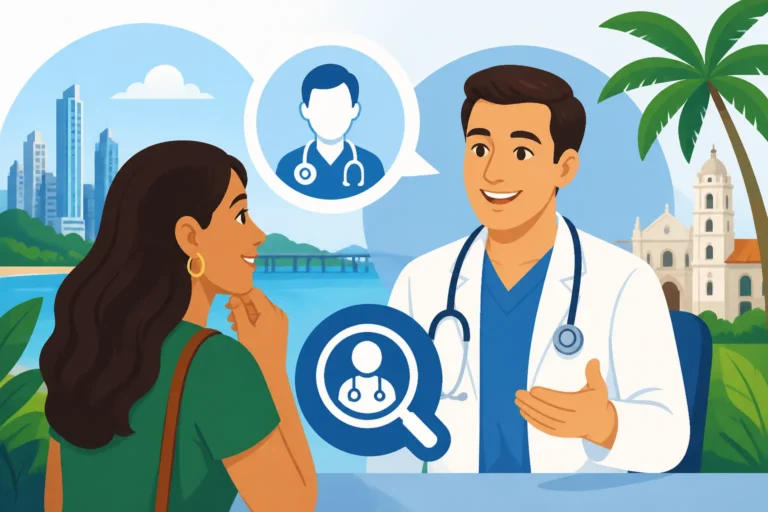
One of the most immediate benefits for expats is the prevalence of bilingual medical staff, especially in the private sector. In hospitals like Punta Pacifica, Hospital Nacional, and Clínica Hospital San Fernando, you'll find a significant number of doctors, nurses, and administrative personnel who are fluent in English. This is a massive relief, as communication is paramount when discussing complex medical issues. It eliminates the need for translators and ensures that you fully understand your diagnosis, treatment plan, and any instructions. While a basic grasp of Spanish is always helpful for daily life in Panama, you can rest assured that in critical medical situations, you'll likely be able to communicate effectively in English, reducing anxiety and potential misunderstandings. To find the right fit, you can consult How to Find an English-Speaking Doctor in Panama.
The patient-doctor relationship in Panama often feels more personal and less rushed than what many expats might be used to in their home countries. Doctors generally take the time to listen to your concerns, conduct thorough examinations, and explain things in detail. There’s a warmth and genuine care that often shines through, creating a more supportive environment during what can be stressful times. This isn't just about good bedside manner; it’s often a cultural aspect that values personal connection and comprehensive care. You might find that your doctor provides you with their personal cell phone number for follow-up questions, a practice that is rare and almost unheard of in many other countries. This level of accessibility and personal touch fosters a sense of trust and continuity of care.
Finding the right doctor is, of course, a personal journey. Word-of-mouth recommendations within the expat community are invaluable, as are online directories and hospital websites. Many clinics have easy-to-use online booking systems or offer contact via WhatsApp, making the process of scheduling an appointment quite straightforward. Don’t hesitate to ask for recommendations for English-speaking doctors within expat groups or from your local community. You’ll find a wealth of skilled professionals ready to provide excellent care, ensuring that your medical needs are met with expertise and empathy.
Navigating Healthcare as an Expat: Practical Considerations
Moving to a new country always involves figuring out how things work, and healthcare is certainly one of the most critical aspects. While Panama offers excellent options, understanding the practicalities of insurance, appointments, and emergencies is vital for a smooth experience.
Health Insurance: Your Essential Safety Net
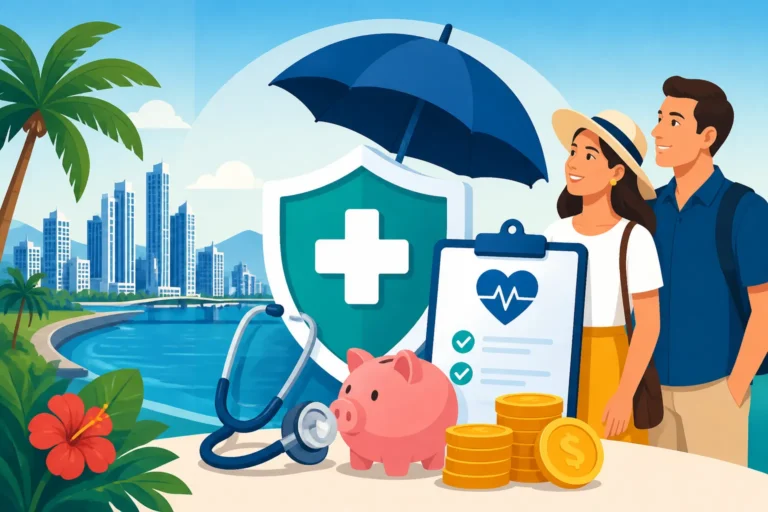
Even with Panama's affordable healthcare costs, having comprehensive health insurance is not just recommended; it's truly an essential safety net for expats. While a routine doctor’s visit might only set you back $50, a major surgery or a prolonged hospital stay could still accumulate significant expenses. Private health insurance ensures that you are covered for these larger, unforeseen medical events, allowing you to access the best private facilities without financial stress. It’s an investment in your peace of mind and protection against the unexpected.
When considering health insurance in Panama, you generally have two main routes: local Panamanian insurance plans or international health insurance policies. Local plans can be very cost-effective, particularly if you're relatively young and healthy. They often offer good coverage within Panama’s private hospital network and can be easier to manage for day-to-day claims. However, they might have limitations if you travel frequently outside Panama, or if you need highly specialized treatments only available internationally. On the other hand, international health insurance plans, while often more expensive, provide global coverage. This means you’re covered whether you’re in Panama, visiting family back home, or traveling through South America. They often come with broader networks of providers and more comprehensive benefits, making them ideal for truly global citizens. Brands like SafetyWing offer flexible and robust international travel medical insurance options that can be particularly appealing to digital nomads and expats who value comprehensive coverage and the ability to travel freely. Their plans are designed with the modern expat lifestyle in mind, providing a solid safety net no matter where your adventures take you.
Understanding the fine print of any policy is absolutely crucial. Pay close attention to deductibles, co-pays, annual limits, and what specific treatments or conditions are covered. Some plans might require you to pay upfront and then claim reimbursement, while others offer direct billing with certain hospitals, which is always more convenient during a stressful medical event. Always clarify the process for making a claim and what documentation is required. It's also wise to check if pre-existing conditions are covered, as this can be a major sticking point for many. Don't be afraid to ask detailed questions or seek advice from an insurance broker who specializes in expat coverage.
Ultimately, choosing the right health insurance plan depends on your individual needs, budget, and lifestyle. If you plan to stay exclusively in Panama and have minimal travel, a local plan might suffice. However, if you're a frequent traveler or prefer the peace of mind of global coverage, an international plan is likely the better fit. Regardless of your choice, having robust coverage allows you to fully take advantage of Panama's excellent private medical facilities without worrying about the bill. For an in-depth look at your options, check out How to Choose Private Health Insurance in Panama (2027).
Getting Your Foot in the Door: Appointments, Referrals, and Emergencies
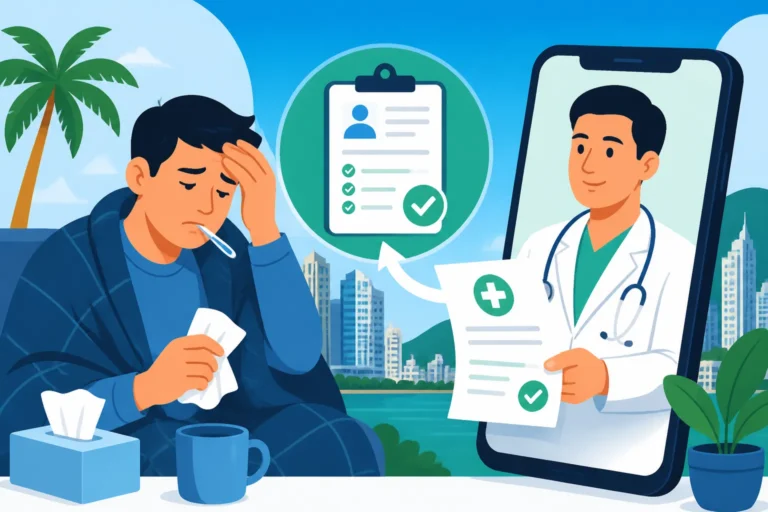
One of the delightful surprises for many expats in Panama is the relative ease of accessing medical care, especially in the private sector. Gone are the days of waiting weeks or even months for an appointment with a specialist. In Panama, you can often secure a same-day or next-day appointment with a general practitioner in a private clinic. For specialists, it might take a few days to a week, but rarely longer, unless it's a very niche field or a particularly renowned doctor. Many clinics and doctors’ offices use WhatsApp for scheduling, making it incredibly convenient to book appointments even if your Spanish isn’t perfect. A quick message can often secure your spot, and they'll usually respond promptly. This accessibility means you can address health concerns quickly, preventing them from escalating.
When it comes to specialist referrals, the process in Panama is generally quite flexible. While it’s always a good idea to start with a general practitioner who can assess your condition and provide a recommendation, it’s not always strictly required to get a referral before seeing a specialist in the private system. If you know you need to see a dermatologist, for example, you can often call their office directly and book an appointment. However, having a referral from a GP can be beneficial. It ensures that the specialist receives all relevant medical history, and sometimes your insurance might prefer a referral for certain treatments. It's always best practice to check with your insurance provider on their specific requirements before booking to avoid any surprises. The general fluidity of the system, however, means you won't typically face bureaucratic hurdles just to get access to specialized care.
In the unfortunate event of a medical emergency, knowing what to do is paramount. Panama’s emergency services can be accessed by dialing 911, which connects you to the integrated emergency response system. This system can dispatch ambulances, police, or firefighters, depending on the nature of the emergency. In Panama City and other major urban areas, private ambulance services are also available and often preferred by expats, as they can directly transport you to a private hospital, bypassing the potentially longer wait times and more basic facilities of public emergency rooms. It’s a good idea to have the numbers of these private ambulance services, like S.O.S. Movil or 911 (not the national emergency number, but a private ambulance company using the number), saved in your phone. Upon arrival at a private emergency room, you'll be triaged quickly, and if you have private insurance, they will guide you through the process of providing your policy details. For a more comprehensive understanding of emergency care, consult Emergency Medical Care in Panama: What Every Expat Needs to Know.
Navigating the system, especially when you're unwell, can be daunting. My advice? Be patient, be prepared, and don’t be afraid to ask questions. Carry a small medical history card with your basic information, allergies, and medications. For expats, having at least a few key Spanish phrases related to health can be incredibly helpful, even if you rely mostly on English-speaking staff. The Panamanian healthcare system, particularly the private side, is designed to be accessible and efficient, and with a little preparation, you'll find it incredibly supportive.
Specialised Medical Care and Wellness Offerings
Panama's commitment to comprehensive healthcare extends well beyond general practice and emergency services. The country has also carved out a niche in providing high-quality specialized care, including excellent dental and vision services, as well as a growing array of elective procedures and wellness tourism opportunities.
Dental and Vision Care: High Quality, Lower Prices
If you've been putting off that much-needed dental work because of prohibitive costs back home, Panama might just be your savior. The country has become a significant player in "dental tourism," attracting individuals from North America and Europe who seek modern, high-quality dental care at incredibly affordable prices. You'll find a plethora of modern dental clinics, particularly in Panama City, but also in expat hubs like Boquete and Coronado. These clinics are often equipped with the latest technology, including digital X-rays, 3D imaging, and advanced sterilization techniques, mirroring the standards you'd expect in top-tier clinics globally. The dentists themselves are highly trained, many with international degrees or continuous education from abroad, ensuring a high level of expertise in everything from routine check-ups to complex procedures. For a full breakdown of what to expect, read Understanding Dental Care Costs in Panama.
The cost savings on dental work are truly remarkable. A routine cleaning, as mentioned, could be as low as $40-$60. Fillings are similarly inexpensive, typically ranging from $50-$100 depending on the material. Where the savings really become substantial is with more extensive work:
- Root canals: Often $300-$500 compared to $1,000-$2,000+ elsewhere.
- Crowns: Around $500-$700 compared to $1,000-$2,000+.
- Dental implants: Expect to pay $1,000-$2,000 per implant, while in the US, these can easily start at $3,000-$5,000 or more per tooth.
These price differences mean you can often get a complete smile makeover or address years of neglected dental issues for less than the cost of a single major procedure in other countries. Many expats combine their dental visits with a short vacation, making it an even more appealing proposition.
Vision care in Panama is also excellent and affordable. You’ll find numerous optometrists and ophthalmologists who provide comprehensive eye exams using modern equipment. Getting new glasses is significantly cheaper here too; you can often get high-quality frames and lenses for a fraction of what you’d pay back home. Contact lenses are also readily available. Whether you need a simple prescription update or have a more complex eye condition, you can find competent professionals and affordable solutions.
The overall benefit of accessible and affordable dental and vision care for expats is immense. It allows for consistent preventative maintenance, which is crucial for long-term health, and enables you to address issues promptly without financial strain. Imagine getting that annual check-up, a couple of fillings, and a new pair of glasses all for less than the cost of just one of those services in your home country. This contributes significantly to a higher quality of life and better overall health management, making Panama a genuine win-win for specialized care.
Elective Procedures and Wellness Tourism
Panama's robust private medical sector, combined with its attractive climate and relatively lower costs, has also positioned it as an emerging destination for elective procedures and wellness tourism. This covers a broad spectrum, from cosmetic surgery and anti-aging treatments to comprehensive health screenings and therapeutic wellness retreats. For expats, this means a wider range of options for personal health and aesthetic goals, often at a more accessible price point than they would find elsewhere.
Cosmetic surgery is particularly popular, with many clinics and hospitals offering a full suite of procedures:
- Facial procedures: Rhinoplasty, facelifts, eyelid surgery (blepharoplasty).
- Body contouring: Liposuction, tummy tucks (abdominoplasty), breast augmentation or reduction.
- Non-surgical aesthetics: Botox, dermal fillers, laser treatments.
Panamanian plastic surgeons are often highly qualified, many with international training and certifications, operating in accredited facilities. They understand the nuances of various procedures and work to achieve natural-looking results. The appeal for both medical tourists and expats living in Panama is not just the lower cost, but also the ability to recover in a discreet, pleasant environment, often combining the recovery period with a relaxing stay in the country.
Beyond aesthetics, Panama is also gaining traction for various wellness offerings. This includes executive health check-ups, which are comprehensive health assessments designed to detect potential issues early, often with quick results and consultations with multiple specialists over a day or two. There are also a growing number of wellness centers and retreats, particularly in areas like Boquete or along the coast, that offer programs focused on detoxification, stress reduction, yoga, mindfulness, and healthy eating. These programs provide a holistic approach to health, blending medical insights with natural therapies and lifestyle adjustments.
However, as with any elective procedure, due diligence is absolutely critical. While Panama offers excellent options, it's essential to thoroughly research clinics and practitioners. Look for:
- Certifications and accreditations: Ensure the facility and the doctor are properly licensed and, ideally, internationally accredited.
- Surgeon's experience and specialization: Ask about their specific experience with the procedure you are interested in.
- Patient testimonials and before-and-after photos: Reputable practitioners will have these available.
- Clear communication: Ensure you fully understand the procedure, recovery, risks, and costs involved.
The ability to combine medical procedures with a relaxing recovery in a beautiful country, at a more affordable price, is a significant draw. For expats already residing here, it simply means these options are conveniently available on their doorstep, allowing them to invest in their well-being and appearance without having to travel far or incur exorbitant costs. It truly broadens the scope of what quality healthcare in Panama can offer.
Accessibility and Convenience
Moving to a new country and needing medical care can be daunting, but Panama has several advantages that make accessing healthcare surprisingly convenient for expats. From its central location to the available transportation networks and growing multilingual support, the country strives to make healthcare accessible.
Geographic Accessibility and Transportation
One of Panama’s most significant inherent advantages is its geographic location. Situated at the crossroads of the Americas, it's incredibly easy to reach from both North and South America, with numerous direct flights from major cities. This makes it convenient for expats already here, but also for family members who might need to visit or for those considering Panama for medical tourism. The close proximity minimizes travel time and reduces the stress associated with long-haul journeys, especially when one is feeling unwell or undergoing medical treatment. This ease of international access helps cement Panama's position as a regional medical hub.
Within Panama, particularly in Panama City, getting to medical facilities is generally straightforward. The city boasts a modern and efficient Metro system, which connects many key areas, including some close to major hospitals. For instance, the Iglesia del Carmen station is quite central and provides easy access to many clinics. Beyond the Metro, a robust network of taxis and ride-sharing services like Uber operates throughout the city. These services are affordable and widely available, ensuring you can quickly and comfortably reach your appointments or an emergency room. Traffic in Panama City can be notorious, especially during peak hours, so planning your travel time, particularly for scheduled appointments, is always a good idea. However, the sheer density of transportation options means you're rarely stranded or unable to reach medical help when you need it.
Beyond the capital, major regional hubs also offer quality private clinics and hospitals. David, the capital of the Chiriquí province, and Coronado, a popular coastal expat community, both have well-regarded private medical facilities that cater to the local and expatriate populations. This decentralization means that expats living outside Panama City don't necessarily have to travel to the capital for every medical need. While the most specialized treatments are concentrated in Panama City, these regional centers provide excellent general care, diagnostic services, and a range of specialists. This wider distribution of quality healthcare further enhances accessibility for expats living across the country.
The ease of transportation and the availability of medical facilities throughout key regions make repeated visits or multi-stage treatments significantly less burdensome. For instance, if you require a series of follow-up appointments after a surgery, the ability to quickly and affordably travel to and from the hospital, combined with short waiting times, makes the entire process far less stressful. This convenience is a silent but powerful factor contributing to Panama's appeal as a medical destination, allowing expats to focus on their health rather than logistical challenges.
Language and Cultural Nuances in Healthcare
One of the initial anxieties for many expats in a non-English speaking country is the language barrier, particularly when it comes to sensitive topics like health. While Spanish is the official language of Panama, the good news is that in the private healthcare sector, especially in Panama City’s premier hospitals and clinics, you'll find a significant number of English-speaking doctors, nurses, and administrative staff. Many medical professionals have either trained abroad or continually engage with international medical literature, making them proficient in English. This means that for critical conversations about diagnoses, treatments, and post-operative care, you can often communicate clearly and effectively in your native language, alleviating a major source of stress.
However, it’s always a good idea to have some basic Spanish phrases under your belt, even if you anticipate English support. Simple greetings, expressing symptoms (e.g., "Me duele aquí" – It hurts here), or asking for clarification can go a long way. Outside of the major private hospitals, in smaller clinics or pharmacies, you might encounter staff with limited English. In such scenarios, a translation app on your phone can be a lifesaver, or bringing a Panamanian friend to help translate can be invaluable. Don't be shy about using these tools; the priority is always clear communication about your health. For more assistance, refer to How to Find an English-Speaking Doctor in Panama.
Culturally, the approach to patient care in Panama can sometimes feel more personal and less formal than what some expats might be accustomed to. Doctors might inquire about your family or personal life, which is a sign of building rapport rather than being intrusive. Family involvement in healthcare decisions can also be more common, particularly in serious situations. While ultimately your decisions as the patient are paramount, understanding and respecting these cultural nuances can foster a better relationship with your healthcare providers. You might also find that appointments are sometimes a bit more fluid than rigid schedules, so practicing a bit of patience can be helpful.
It's also worth noting that Panamanian doctors generally have a very direct communication style, which can be reassuring. They tend to be thorough in their explanations and proactive in their treatment recommendations. The key is to be open-minded and adaptable. While there might be occasional moments where a language barrier or cultural difference pops up, the overall experience in Panama's private healthcare system is one of professionalism, care, and a genuine effort to make international patients feel comfortable and well-served. The benefits of high-quality, affordable care often far outweigh these minor adjustments.
The Future of Healthcare in Panama for Expats
Panama's healthcare landscape is not static; it's a dynamic sector that continues to evolve and grow. For expats, this means not just benefiting from the current offerings but also looking forward to continuous improvements and addressing existing challenges.
Continuous Improvement and Investment
Panama is not resting on its laurels when it comes to healthcare. There's a noticeable and ongoing commitment from both the private sector and, to a lesser extent, the government to continually invest in modernizing and expanding healthcare infrastructure. This includes the construction of new hospital wings, the upgrade of existing facilities, and the acquisition of cutting-edge medical technologies. For instance, you’ll see new diagnostic machines, advanced surgical equipment, and improved patient care systems being implemented across the premier private hospitals. This continuous influx of investment ensures that the standard of care doesn't just remain high, but actively improves, keeping pace with international advancements.
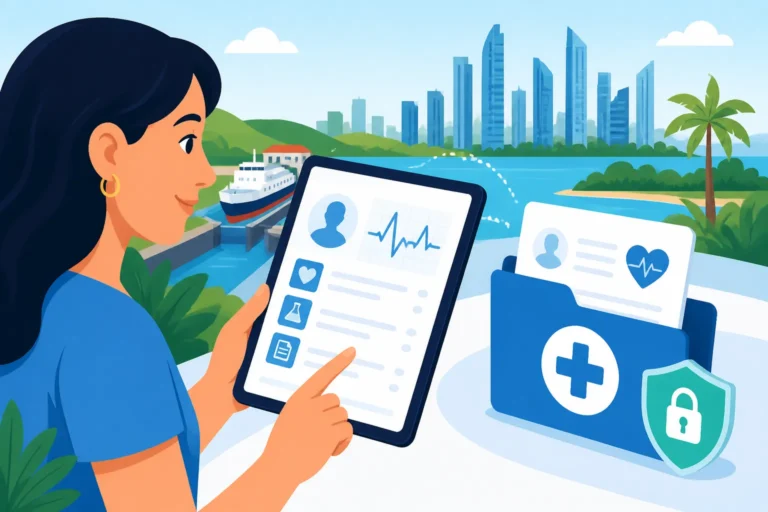
One of the key drivers of this improvement is the country's aspiration to maintain its status as a leading medical tourism destination. To attract international patients and satisfy the discerning expat community, hospitals and clinics are compelled to adopt the latest medical advancements and adhere to global best practices. This includes embracing digital health solutions, such as electronic medical records and telehealth appointments, which are becoming increasingly common and convenient. The constant striving for international accreditations, like JCI, also pushes facilities to regularly review and enhance their safety protocols, clinical outcomes, and patient satisfaction. This competitive environment ultimately benefits everyone seeking care in Panama. For expats considering their long-term health planning, knowing that the system is focused on growth and innovation is a significant comfort. You can also gain further insights from Navigating the Panamanian Healthcare System: An Expat's Roadmap (2027).
Moreover, there’s a sustained emphasis on professional development for medical staff. Panamanian doctors and specialists frequently participate in international conferences, training programs, and research initiatives. This continuous learning ensures they remain updated on the newest treatments, surgical techniques, and pharmaceutical developments. Many hospitals also implement internal training programs to ensure nurses and support staff provide empathetic and efficient care. This commitment to continuous education and skill enhancement translates directly into higher quality care for patients. As an expat, this means you can expect to be treated by professionals who are not only experienced but also at the forefront of their respective medical fields, offering you the best possible outcomes.
What does this mean for long-term residents and future expats? It suggests that the already excellent private healthcare in Panama is likely to become even more sophisticated and comprehensive. You can anticipate access to an even broader range of specialized treatments, more integrated and efficient services, and potentially even more competitive pricing as the market matures. This forward-thinking approach to healthcare makes Panama an increasingly attractive and reliable choice for managing your health for years to come.
Challenges and What to Keep in Mind
While Panama undeniably offers a fantastic healthcare experience for expats, it's crucial to approach it with a balanced perspective, acknowledging that no system is without its quirks or challenges. Understanding these potential hurdles in advance can help you navigate them more effectively and ensure a smoother experience.
One of the most significant challenges, particularly if you find yourself needing to interact with it, is the public healthcare system (CSS). While efforts are being made to improve it, the CSS can still be plagued by bureaucratic delays, long wait times for appointments and procedures, and older facilities. For an expat accustomed to more streamlined services, this can be a source of considerable frustration. Language barriers are also more prevalent in the public sector, and it can sometimes be difficult to get clear information or navigate the administrative processes without fluent Spanish. This is precisely why most expats opt for private care and comprehensive private health insurance, creating a deliberate separation from the public system for most of their needs. Understanding How Your Residence Status Affects Health Coverage in Panama can also illuminate some of these distinctions.
Another aspect to keep in mind, even within the private sector, is that while English-speaking staff are common in Panama City's top hospitals, this might not always be the case in smaller clinics outside the capital, or for every single individual you encounter in a larger facility. There might be instances where you need to rely on a translation app or a bilingual friend for communication. While this isn't a deal-breaker, it's something to be prepared for, especially if you venture beyond the most internationalized medical centers. Furthermore, while the cost of care is generally lower, having a good understanding of your private insurance policy – including deductibles, co-pays, and whether direct billing is available – is crucial to avoid unexpected out-of-pocket expenses. There can sometimes be minor discrepancies in billing or charges that require careful review, so always ask for detailed invoices.
Finally, while the quality of care is high, the overall speed of certain administrative processes can sometimes feel slower than in highly efficient Western countries. Patience is often a virtue in Panama, and this applies to some aspects of healthcare too, such as waiting for lab results or coordinating follow-up appointments across different specialists. It's about adjusting your expectations and being proactive in your follow-ups. Despite these potential minor frustrations, the overall positives of Panama's private healthcare system — its affordability, quality, and accessibility — generally far outweigh the challenges. The key is to be informed, have a robust insurance plan (like options from SafetyWing), and be willing to adapt to the local way of doing things. With this approach, you’ll find Panama to be a truly exceptional place for medical care.
Comparing Key Medical Costs: Panama vs. North America (Estimated 2026)
To give you a clearer picture of the financial advantages, here's a quick comparison of estimated costs for some common medical procedures and consultations in Panama's private sector versus what you might expect in North America. These are estimates and can vary widely based on location, facility, and specific case.
| Service/Procedure | Estimated Cost in Panama (USD) | Estimated Cost in North America (USD) | Potential Savings in Panama (%) |
|---|---|---|---|
| GP Consultation (Private Clinic) | $30 – $70 | $100 – $300 | 60% – 80% |
| Specialist Consultation | $50 – $100 | $200 – $500 | 75% – 80% |
| Routine Dental Cleaning | $40 – $60 | $150 – $200 | 60% – 75% |
| Dental Crown (Porcelain) | $500 – $700 | $1,000 – $2,000+ | 50% – 70% |
| Dental Implant (per tooth) | $1,000 – $2,000 | $3,000 – $5,000+ | 60% – 70% |
| MRI Scan (e.g., knee) | $250 – $400 | $1,000 – $5,000+ | 75% – 90% |
| Basic Blood Panel | $30 – $70 | $100 – $300 | 70% – 80% |
| Appendectomy (Surgery) | $3,000 – $6,000 | $10,000 – $30,000+ | 70% – 80% |
| Knee Replacement | $10,000 – $15,000 | $30,000 – $60,000+ | 65% – 75% |
| C-Section (Uncomplicated) | $2,000 – $4,000 | $10,000 – $25,000+ | 80% – 85% |
Disclaimer
The information provided in this guide is intended for general informational purposes only and does not constitute medical, financial, or legal advice. While we strive to provide accurate and up-to-date information, circumstances in Panama can change rapidly. Always consult with qualified medical professionals, insurance advisors, and legal experts for advice tailored to your specific situation. Reliance on any information in this article is solely at your own risk.