Understanding the Cost of International and Private Schools in Panama
One of the biggest anxieties for expat families moving to Panama is figuring out where their children will go to school, and frankly, what it's all going to cost. It's not just about tuition; there are so many layers of fees and expenses that can make your head spin. This guide is here to break down the real financial picture of international and private education in Panama, offering an honest look at what you can expect to pay and why, so you can plan effectively without those nasty surprises.
Why International and Private Schools in Panama are a Popular Choice
For many expat parents, the public school system in Panama, while serving the majority of local children, often doesn't align with their expectations or needs, particularly concerning language of instruction and curriculum. This isn't a judgment on the quality of Panamanian public schools, but rather an acknowledgment of the distinct differences that lead many international families toward private and international institutions. These schools often offer a more familiar educational framework, a wider range of extracurricular activities, and a smoother transition for children accustomed to different teaching methodologies.
The decision to opt for private or international education often comes down to a desire for continuity in a child's learning journey. If your kids have been in a specific curriculum abroad, or if you anticipate further international moves, an international school can provide that much-needed stability. They also tend to cater specifically to multicultural student bodies, fostering an environment where children from diverse backgrounds can thrive together, making it easier for expat kids to adapt socially as well as academically. It's truly about finding a good fit for your family and ensuring your child's educational pathway remains robust, regardless of where in the world you temporarily or permanently reside.
Curriculum Choices and Quality
Panama offers a surprisingly diverse array of curricula within its international and private school sector. You'll find schools following the American curriculum, which is often a big draw for families from North America who want their children to eventually attend university there. These schools typically offer AP (Advanced Placement) courses, preparing students for college-level work and giving them a competitive edge when applying to institutions back home or internationally. The familiarity of this system can be a huge comfort for both parents and students already accustomed to it.
Then there are schools that adhere to the International Baccalaureate (IB) program, which is globally recognized for its rigorous academic standards and holistic approach to education. The IB Diploma Programme, in particular, is highly respected by universities worldwide, making it an excellent choice for families with aspirations for their children to pursue higher education in a variety of countries. We also see schools offering other curricula like the British system (IGCSE and A-Levels), which are popular with European and Commonwealth families. Each of these curricula has its own distinct philosophy and teaching style, so understanding what best suits your child's learning style and future goals is crucial.
The quality of instruction within these schools is generally very high. Many international schools employ a significant number of expatriate teachers who bring experience from their home countries, often with advanced degrees and specialized training in their respective curricula. This blend of international and qualified local educators creates a rich learning environment. The facilities at these top-tier institutions are also often state-of-the-art, boasting modern classrooms, science labs, art studios, sports complexes, and extensive libraries. They prioritize smaller class sizes, allowing for more individualized attention and fostering a supportive atmosphere where students feel seen and heard.
It’s worth noting that "private" doesn't always mean "international" in Panama. There are many excellent Panamanian private schools that offer a strong bilingual education (Spanish and English), often following a modified Panamanian curriculum with international standards. These schools can be a fantastic option if you want your children to be fully immersed in the local culture while still receiving a high-quality, English-language education. They typically have a strong focus on local history and culture, which can be invaluable for children integrating into Panamanian society, and might be a more budget-friendly choice compared to the full international school experience.
Language of Instruction
The language of instruction is a primary concern for many expat families. The majority of international schools in Panama operate primarily in English, with Spanish offered as a second language or as part of a bilingual program. This setup is ideal for children who are native English speakers and need to maintain their proficiency, especially if the family plans to eventually move back to an English-speaking country or pursue higher education where English is the primary academic language. These schools strive to create an immersive English environment, from classroom lessons to playground conversations, which is incredibly beneficial for new arrivals.
However, many schools, particularly the private bilingual ones, often incorporate a significant amount of Spanish into the curriculum, sometimes even teaching certain subjects like social studies or science in Spanish. This can be a huge advantage for children who are learning Spanish or whose parents want them to become truly bilingual and integrate deeply into Panamanian society. It’s a fantastic opportunity for full cultural immersion, allowing kids to communicate effortlessly with their local peers and understand the nuances of the local culture. It’s a personal choice whether you prioritize maintaining an English-only academic environment or embrace the opportunity for full bilingualism.
For families with very young children, understanding the language integration process is critical. Some schools offer dedicated ESL (English as a Second Language) programs to support students who are not yet proficient in English, helping them transition smoothly into the main curriculum. These programs are vital for success, as they provide that extra layer of support without making the child feel overwhelmed. Before committing, it's wise to visit schools and observe classes, speak with teachers about their language support, and understand how they cater to students at different levels of language acquisition to ensure a good fit for your child.
The choice of language also impacts social integration. While an English-speaking environment might feel more comfortable initially, a school with strong bilingual programs can open up more social avenues with local Panamanian children outside the expat bubble. This can lead to a richer, more authentic expat experience for the whole family. Think about how much you want your child to engage with the local community versus maintaining a predominantly international social circle when considering the language balance offered by different schools.
Breaking Down the General Costs: What to Expect Beyond Tuition
When you're looking at international and private schools in Panama, it's easy to just focus on the big, daunting tuition number. But trust me, that's rarely the only significant cost. Many families get caught off guard by the sheer volume of additional fees. It’s a common frustration across the expat community, as these hidden costs can add thousands of dollars to your annual educational budget. You need to budget meticulously, treating tuition as just one piece of a much larger financial puzzle.
It's not just about what the school advertises as tuition. You have to dive deep into their fee structures and ask for a comprehensive breakdown of everything. Some schools are more transparent than others, but it's always on you to be proactive and demand clarity. This diligence upfront can save you from a lot of stress and unexpected expenses down the line. Don't be shy; ask about every single potential charge you can think of.
Application and Enrollment Fees
Before your child even sets foot in a classroom, you’ll typically encounter a series of non-refundable fees. The application fee, for instance, is a one-time charge just to process your child's application. This fee can range anywhere from $100 to $500, and it’s due regardless of whether your child is accepted. It covers the administrative costs of reviewing academic records, conducting interviews, and performing any entrance assessments. It’s an essential first step, but remember, it’s money out of your pocket with no guarantee of a spot.
Once accepted, the enrollment or registration fee kicks in. This is usually a much larger sum, often several hundred to over a thousand dollars, and it secures your child's place in the school. Like the application fee, it's generally non-refundable. Some schools might structure this as an annual re-enrollment fee, meaning you pay it every year to confirm your child's spot for the upcoming academic year. This recurring fee is crucial to factor into your annual budget, as it's a constant drain that adds significantly to the overall educational expenditure.
Beyond these, some international schools, particularly the more exclusive ones, may also have a one-time "capital fee" or "new student fee." This fee, sometimes ranging from $2,000 to $10,000 or even more, is essentially a contribution towards the school's facilities and infrastructure. While it’s a hefty upfront cost, it's typically paid only once per child upon their initial enrollment. It’s important to understand if this applies to your chosen school, as it can be a major budget item in your first year in Panama. This fee can be particularly jarring for expat families who might not have encountered such charges in their home countries.
Annual Tuition Range by School Type
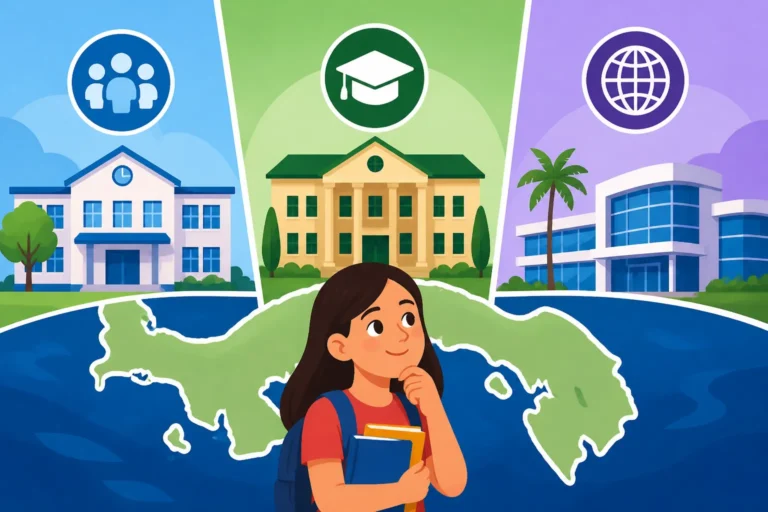
Now for the big one: annual tuition. This is where the costs really start to diverge based on the type and prestige of the school. For the top-tier international schools in Panama City, such as Balboa Academy, Metropolitan School of Panama, or the International School of Panama, you can expect annual tuition to range from roughly $10,000 to $20,000 USD per year for elementary grades, and climbing to $20,000 to $25,000+ USD for middle and high school. These schools often offer a comprehensive package, including advanced facilities, a wide range of extracurriculars, and a highly qualified, often international, teaching staff. This cost structure is comparable to international schools in many other parts of the world, reflecting the global standard of education they aim to provide.
Mid-range private bilingual schools, which are also excellent institutions but might not carry the same "international" branding or offer an IB curriculum, tend to have tuition fees in the range of $5,000 to $12,000 USD per year. Schools like Crossroads Christian Academy, for example, fall into this category, offering a strong academic program with a good balance of English and Spanish instruction without the higher price tag of the purely international schools. These schools are often a fantastic compromise, providing quality education and bilingual immersion at a more accessible price point for many expat families. It’s a good balance of quality and affordability, particularly if a global curriculum isn't your absolute top priority.
Finally, you have local private schools that are primarily Spanish-speaking but might offer enhanced English programs. These schools can be even more affordable, with tuition ranging from $3,000 to $7,000 USD per year. While they might not have the extensive facilities or international teacher ratio of the higher-priced schools, they often provide a robust academic environment and an excellent opportunity for children to truly integrate into the local culture and master Spanish. The curriculum will typically be aligned with the Panamanian Ministry of Education, but with added components to boost English proficiency. It's a significant saving, but it comes with a different educational experience, so weigh your priorities carefully.
Hidden Costs: Uniforms, Books, Technology
Don't let the tuition numbers blind you to the myriad of "hidden" costs that can quickly add up and punch a hole in your budget. First up are uniforms. Most private and international schools in Panama require a uniform, and often, you'll need multiple sets – daily uniforms, PE uniforms, and sometimes even specific uniforms for formal events. The cost of purchasing these from designated suppliers can easily run into several hundred dollars per child, especially if you need to buy full sets for different seasons or activities. Remember, kids grow, so this isn't a one-time purchase; you'll likely be buying new sizes every year or two.
Next, let's talk about books and school supplies. While some schools include basic materials in the tuition, many will have an additional charge for textbooks, workbooks, and other specialized learning materials. This can be another few hundred dollars per year per child. On top of that, each student will need a never-ending supply of notebooks, pens, art supplies, and specialized items for specific projects. Even in a digital age, schools still rely heavily on physical resources. Then there’s technology; many schools now require students to have their own laptops or tablets, which, along with necessary software and protection plans, represents a substantial investment that can quickly add another $500-$1,500 to your back-to-school budget.
Extracurricular activities and field trips are another area where costs accumulate. While some basic sports or club activities might be included, specialized programs like music lessons, competitive sports teams, or academic clubs often come with additional fees. Field trips, especially overnight ones or those that involve travel within Panama, will also be an extra expense. These experiences are invaluable for a child's development and enrichment, but it's important to understand which ones are truly optional and which are considered an integral part of the school experience that most students participate in. Finally, don't forget school transportation; if the school doesn't offer a bus service or if you live outside its route, daily commuting costs can become a significant expenditure.
Geographic Variations in School Costs Across Panama
Just like back home, the cost of living and, consequently, the cost of education can vary dramatically depending on where you choose to settle in Panama. The country isn't a monolith when it comes to pricing, and this is keenly felt in the schooling sector. What you pay for a top-tier education in the bustling capital could get you a significantly different experience, or perhaps a more localized one, in a smaller, more laid-back town. Understanding these geographical nuances is absolutely essential for expats trying to make their budget stretch or find the right educational environment for their kids.
It's not just the tuition that changes; the ancillary costs often fluctuate too. Everything from the availability of school bus services to the price of uniforms and even the prevalence of extracurricular activities might differ. This means that when you’re comparing schools, you need to factor in the broader economic context of their location. For instance, the cost of living in Panama City is generally higher across the board than in smaller cities like David or regions like Boquete. This naturally impacts staff salaries, property costs for school facilities, and therefore, the fees passed on to parents.
Panama City: The High-End Options
Panama City, being the economic and cultural heart of the country, is naturally home to the most numerous and often the most expensive international and private schools. This is where you'll find institutions with state-of-the-art facilities, highly diverse international student bodies, and a faculty composed of experienced educators from around the globe. Schools like the International School of Panama (ISP), Balboa Academy, Metropolitan School of Panama (MET), and Crossroads Christian Academy often have extensive campuses, impressive sports complexes, and a wide array of academic and extracurricular programs. These schools are designed to cater to a global clientele, including children of diplomats, multinational executives, and families seeking a truly international education experience.
The tuition fees in Panama City for these top-tier international schools reflect their premium offerings. As mentioned earlier, annual tuition can easily reach $20,000 to $25,000+ for older students, not including the various registration, capital, and activity fees. These institutions are also typically located in areas that are popular with expats, such as Clayton, Costa del Este, or Santa Maria, which means that proximity might influence your housing choices and associated rental costs. If you’re looking to live close to these schools, be prepared for higher rent or property prices, adding another layer to your overall living expenses.
While the costs are high, the quality of education and the opportunities provided are often exceptional. Many of these schools boast strong university placement records, with graduates attending prestigious universities worldwide. They offer rigorous academic programs, a wealth of extracurricular activities from debate clubs to competitive sports, and a supportive environment for expat children transitioning to a new country. The investment in a Panama City international school is often viewed as an investment in a child’s future, providing a globally recognized education and fostering a broad worldview. For many, finding an apartment near International Schools in Panama City is a key priority when they first arrive.
Boquete and David: More Affordable Choices
Moving outside the capital city, you'll find that educational options, while still excellent, tend to be more localized and often more budget-friendly. In areas like Boquete, known for its expat retirement community and cooler mountain climate, the schooling landscape is different. You might find smaller private schools, often with a strong emphasis on bilingual education and a closer-knit community feel. While they may not offer the vast campuses or the same breadth of international curricula as their Panama City counterparts, they often provide a nurturing environment and a focus on individualized attention.
In David, the capital of the Chiriquí province and a growing hub, there are more private school options available, many of which cater to the local Panamanian population but also welcome expat students. These schools often provide a solid bilingual education, with tuition fees that are significantly lower than those in Panama City. You might find annual tuition ranging from $3,000 to $8,000 USD, making quality private education much more accessible. The trade-off might be fewer specialized programs or a less internationally diverse student body, but for families prioritizing affordability and local immersion, these can be excellent choices.
The cost savings extend beyond just tuition in these regions. The overall cost of living in Boquete and David is considerably lower than in Panama City, impacting housing, transportation, and daily expenses. This can make a huge difference to an expat family's budget, allowing more financial flexibility. While schools outside the capital might not always have "international" in their name, many provide excellent bilingual programs that prepare students for higher education, whether in Panama or abroad. It's a matter of weighing your priorities: a highly international, globally-focused curriculum versus a quality bilingual education that offers deeper local integration and a more relaxed lifestyle.
Navigating Financial Aid, Scholarships, and Discounts
Finding quality education for your children in a foreign country is already a huge undertaking, and then the costs hit you like a wave. It’s a completely understandable frustration, a common thread among expat families in general. Many assume that international and private schools in Panama are completely out of reach without a substantial corporate relocation package, but that's not always the case. It’s worth exploring every avenue for financial support, as there can be options available that significantly lighten the load. Don't be afraid to ask questions; an open conversation with the school's admissions or finance office can often yield surprising results.
The key here is proactive research and early application. These opportunities, where they exist, are often limited and highly competitive. Waiting until the last minute will severely diminish your chances. It’s also crucial to be realistic about what kind of aid is typically offered. While full-ride scholarships might be rare, partial tuition reductions or assistance with specific fees can still make a substantial difference. Think of it as another administrative hurdle in your expat journey, one that requires the same patience and persistence you’ve already applied to things like visa applications and bank accounts.
Expat-Specific Financial Considerations
Unlike some countries where government subsidies or extensive scholarship programs might be available, financial aid for expat students in Panama's private and international schools is often more limited and usually comes directly from the schools themselves, or from the student's home country. Some international schools might offer a small number of merit-based scholarships or needs-based financial assistance, particularly to attract high-achieving students or those who might diversify the student body. These are often highly competitive and require a robust application process, including academic records, essays, and sometimes even interviews. It’s never a given, but it’s always worth asking about their specific policies.
Another common scenario involves corporate sponsorships. If you’re relocating to Panama with a multinational company, it's very common for them to offer educational allowances or to directly cover a portion of your children's tuition fees as part of your expat package. This is a huge benefit and can make the difference between affording a top-tier international school or having to settle for a more budget-friendly option. Always negotiate this point heavily when discussing your employment contract, as it’s one of the most significant expat perks available. Understanding how your residence status affects health coverage in Panama might also give you a glimpse into how other expat benefits could work.
Beyond direct scholarships or corporate aid, look into whether your home country has any programs for citizens studying abroad. While less common for K-12 education, some countries offer educational grants or tax deductions for international schooling expenses. It requires a bit of detective work on your part, but it could potentially offset some of the costs. This highlights the importance of asking for a comprehensive breakdown of school fees, not just tuition, so you know exactly what expenses you might be able to claim or seek assistance for.
Payment Plans and Deadlines
Even if outright scholarships aren't available, many private and international schools in Panama are often flexible when it comes to payment structures. Most schools will offer various payment plans to help families manage the financial burden. The most common arrangement is paying annual tuition in two or three installments throughout the academic year, often with initial large deposits due before the school year begins. For example, you might pay a deposit in March or April, a larger installment in August, and a final payment in January or February. This can significantly ease the immediate financial strain compared to a single upfront payment.
Some schools might even offer monthly payment plans, though these can sometimes come with a small administrative fee. It’s always worth inquiring about these options if a large lump sum payment is challenging for your family's cash flow. When discussing payment plans, be sure to clarify all terms, including any interest charges or penalties for late payments. Understanding these details upfront can prevent any unpleasant surprises later on.
It’s crucial to adhere strictly to payment deadlines. Panamanian schools, like many institutions, can be quite rigid with due dates, and late payments often incur significant penalties or even temporary suspension of enrollment. Admissions offices are usually very clear about these schedules, often providing a detailed calendar of payment due dates well in advance. Setting up reminders or even automatic payments through your Panamanian bank account, such as with Banco General or Banistmo, can be a lifesaver. This level of organization is key to smoothly navigating the financial aspects of your children's education in Panama.
Comparing Specific Schools and Their Price Points
Diving into the specifics of school costs can feel like comparing apples and oranges sometimes, especially with the variety of offerings in Panama. It’s a lot to take in, but breaking it down by typical categories can help paint a clearer picture. It is worth remembering that what truly matters is finding the right balance between academic quality, extracurricular opportunities, location, and, of course, your budget. Don't be swayed solely by a school's name; dig into what it actually provides for its price tag. This means thoroughly researching not just the tuition but all the associated fees we’ve discussed.
When you're trying to choose between public and private healthcare in Panama, you're making a similar value judgment. You're weighing cost against perceived benefits and security. The same applies here. Remember that the "best" school isn't necessarily the most expensive, but rather the one that best fits your child's needs and your family's financial reality. Visiting schools, if possible, is invaluable. Talk to other expat parents – their insights are often the most honest and practical.
| School Type / Example | Annual Tuition Range (USD) | Key Features | Additional Common Fees (Annual) | Total Estimated Annual Cost (Excl. Capital Fee) |
|---|---|---|---|---|
| High-End International | $10,000 – $25,000+ | IB, American, British curricula; expatriate teachers; extensive facilities; diverse student body; strong university prep. | Application Fee: $100-$500 (one-time) Enrollment Fee: $1,000-$3,000+ Uniforms: $300-$700 Books/Supplies: $300-$800 Tech Fee: $200-$500 Activities: $200-$1,000+ Capital Fee: $2,000-$10,000+ (one-time) |
$12,000 – $30,000+ |
| Mid-Range Private Bilingual | $5,000 – $12,000 | American/Panamanian blend; bilingual focus; mix of local/international teachers; good facilities; community feel. | Application Fee: $50-$200 (one-time) Enrollment Fee: $500-$1,500 Uniforms: $200-$500 Books/Supplies: $200-$600 Tech Fee: $100-$300 Activities: $100-$500 |
$6,000 – $15,000 |
| Local Private (Bilingual) | $3,000 – $7,000 | Panamanian curriculum with enhanced English; local teachers; emphasis on cultural integration; smaller facilities. | Application Fee: $50-$150 (one-time) Enrollment Fee: $300-$800 Uniforms: $150-$400 Books/Supplies: $150-$400 Activities: $50-$300 |
$4,000 – $9,000 |
Note: All figures are approximate and subject to change annually. Always confirm exact fees directly with the school.
High-End International Schools
For many expat families, especially those on corporate relocation packages or those prioritizing a globally transferable education, the high-end international schools are the go-to. Think names like the International School of Panama (ISP), Balboa Academy, and Metropolitan School of Panama (MET). These institutions are often located in the more affluent areas of Panama City, such as Clayton, Costa del Este, or Santa Maria, and boast sprawling campuses with exceptional facilities including Olympic-sized swimming pools, advanced science labs, theaters, and extensive sports fields. The environment is truly international, with students from dozens of nationalities creating a vibrant, multicultural atmosphere.
The curriculum at these schools is typically either the International Baccalaureate (IB) program or a robust American curriculum with Advanced Placement (AP) courses. This ensures that graduates are well-prepared for universities worldwide, and often makes the transition easier if your family moves again. The teaching staff often includes a high percentage of expatriate teachers who bring diverse international experience. Naturally, this level of quality and comprehensive offering comes with a significant price tag. Annual tuition, as previously detailed, can range from $10,000 for elementary to over $25,000 for high school, before you even factor in the numerous additional fees like enrollment, capital contributions, and extensive extracurricular programs.
However, the value proposition often extends beyond academics. These schools provide a ready-made social circle for both students and parents within the expat community. They offer extensive extracurricular activities, from competitive sports leagues to drama clubs and community service initiatives, which are crucial for a child's holistic development and for building a comprehensive college application. For families who need a smooth transition, a familiar curriculum, and a strong network of international peers, these high-end options, despite their cost, are often seen as a worthwhile investment. Getting your kids into such a school can truly help with the complete guide to moving to Panama: your first 90 days.
Mid-Range Private Bilingual Schools
Stepping down slightly in price point, but certainly not in quality, are the mid-range private bilingual schools. These are often a fantastic sweet spot for many expat families who are looking for excellent education, a strong bilingual foundation, and a more integrated local experience without the top-tier international school price tag. Schools such as Crossroads Christian Academy offer a curriculum that often blends American educational standards with Panamanian requirements, ensuring a solid academic base while also providing a significant focus on Spanish language and Panamanian culture. This balance is perfect for families who want their children to be academically competitive while also truly immersing themselves in their new home country.
Tuition for these schools generally falls within the $5,000 to $12,000 range annually. While they might not have the sprawling campuses or the sheer number of expatriate teachers as the high-end international schools, they still offer excellent facilities, dedicated educators, and a nurturing environment. Many of these schools have a strong community feel, with engaged parents and a focus on character development alongside academics. The student body is typically a mix of Panamanian and expat children, which can be invaluable for social integration and forming lasting friendships within both communities.
One of the significant advantages of these mid-range schools is that they offer a bridge between the purely international and purely local experiences. Your children will likely achieve true bilingualism, which is an incredible asset, and gain a deeper understanding of Panamanian society. These schools can be found both within Panama City and in some of the larger provincial towns like David, offering more flexibility in terms of where you choose to live. For families who are looking to make Panama their long-term home and want their children to be well-rooted in both their expat and local identities, these options represent excellent value.
More Local Private Schools
Finally, we have the more local private schools, many of which are fully bilingual or offer robust English immersion programs. These schools present the most budget-friendly private education options in Panama, with annual tuition typically ranging from $3,000 to $7,000. These institutions are generally focused on following the Panamanian Ministry of Education's curriculum but enhance it significantly with strong English language instruction and often a more holistic educational approach than public schools. They prioritize smaller class sizes, a structured learning environment, and often have a strong emphasis on traditional values and community involvement.
The primary difference you'll notice with these schools is a more predominantly Panamanian student body and teaching staff. This offers an incredible opportunity for full cultural immersion, allowing your children to become truly integrated into the local community and master Spanish. While the facilities might not be as grand or as technologically advanced as the high-end international schools, they are typically clean, safe, and conducive to learning. They usually have standard classrooms, basic sports areas, and a focus on core academic subjects. The emphasis is on strong foundational knowledge and disciplined learning.
For families who are on a tighter budget, or those who truly want their children to experience a Panamanian education with an excellent English component, these schools are a fantastic choice. They are often found in various neighborhoods throughout Panama City and in smaller towns across the country, making them accessible to a wider range of expat communities. While they may not offer the specific international curricula (IB, AP, A-Levels) that prepare students for global universities, they do provide a solid academic background that allows students to pursue higher education locally or transfer into other systems if needed. Remember that you can always explore how to find an English-speaking doctor in Panama for all family members, regardless of the school choice.
The Value Proposition: Is the Investment Worth It?
This is the million-dollar question for many expat parents in Panama. You've weighed the costs, understood the options, and perhaps even felt a pang of sticker shock. It's completely normal to feel overwhelmed and question whether such a significant financial outlay for education is truly justified. As someone who has navigated these waters, I can tell you there's no single right answer, as it profoundly depends on your family's unique circumstances, long-term goals, and, crucially, your child's individual needs. It's an investment, pure and simple, and like any investment, you need to assess the potential returns.
It's not just about the numbers on the tuition bill; it’s about the peace of mind that comes with knowing your children are in a supportive, academically stimulating environment that prepares them for their future, whatever that may hold. Consider the broader context of your life in Panama. While a moving company like Sirelo might handle your belongings, the mental load of ensuring your child's educational success falls squarely on you. The decision is deeply personal, and often involves a delicate balance of financial prudence and aspirational thinking for your children's futures.
Long-Term Benefits for Your Children
Investing in an international or high-quality private school in Panama can yield significant long-term benefits for your children. Firstly, the academic rigor and globally recognized curricula (like IB, American, or British) offered by these institutions provide a strong foundation for higher education anywhere in the world. Graduates often gain admission to reputable universities in North America, Europe, and beyond, opening doors to a wide array of career opportunities. The emphasis on critical thinking, research, and independent learning prepares them for the challenges of university life and professional careers.
Beyond academics, these schools foster a truly international mindset. Your children will interact daily with peers from diverse cultural backgrounds, learning invaluable lessons in tolerance, empathy, and global citizenship. This exposure builds cultural intelligence and a broad worldview, which are indispensable skills in today's interconnected world. They learn to navigate different perspectives, adapt to new environments, and communicate effectively across cultural divides – skills that are not just beneficial for future travel or work, but for becoming well-rounded, compassionate individuals.
Furthermore, the robust extracurricular programs offered by many of these schools allow children to explore their passions, develop new talents, and build leadership skills. Whether it's through competitive sports, drama productions, music ensembles, or community service initiatives, these activities contribute significantly to a child's personal growth and character development. The network of friends and connections your children make in these schools, both local and international, can also become a valuable asset throughout their lives, providing a global support system as they embark on their own journeys.
Weighing the Costs Against Quality of Life
The financial burden of international or private schooling is undeniable, but it's essential to weigh these costs against the overall quality of life it provides for your family in Panama. For many expat parents, choosing a school where their children are happy, thriving, and receiving a familiar-style education significantly reduces stress and improves their own adjustment to life abroad. Knowing your children are well-settled and challenged academically can free up mental energy for you to focus on work, social integration, and enjoying your expat experience.
The expat community often revolves around these schools, providing a built-in social network for both children and parents. This can be particularly vital for newly arrived families, as it offers immediate connections and support, easing the often-isolating experience of relocation. If you’re also concerned about how your residence status affects health coverage in Panama, having a stable and well-adjusted family life can contribute to overall well-being. The ease of communication with school staff, who are often English-speaking or at least bilingual, also contributes to a smoother experience, eliminating language barriers that can be daunting in other contexts.
Ultimately, the decision boils down to your personal priorities and financial capacity. Is the investment in a specific educational environment going to provide a significant boost to your children's future prospects and current happiness? Will it enhance your family's overall quality of life in Panama? For some, the answer is a resounding yes, viewing the costs as a necessary and worthy expenditure. For others, a more budget-friendly approach, perhaps by choosing a strong bilingual local private school, might better align with their long-term financial goals and desire for deeper local immersion. Remember, finding the right fit, and not necessarily the most expensive option, is key to a successful expat journey for your entire family. Staying connected with other parents while researching these options can be made easier with services like Airalo, which provides eSIMs for seamless mobile data access.
Disclaimer
Please remember that all information, including costs and regulations, can change. This guide is based on current general knowledge and should be used for informational purposes only. It is always best to verify specific details directly with the schools, financial institutions, and relevant Panamanian authorities. We are not financial or legal advisors, and this content does not constitute professional advice.