How to Choose and Register with a Doctor or Clinic in Panama
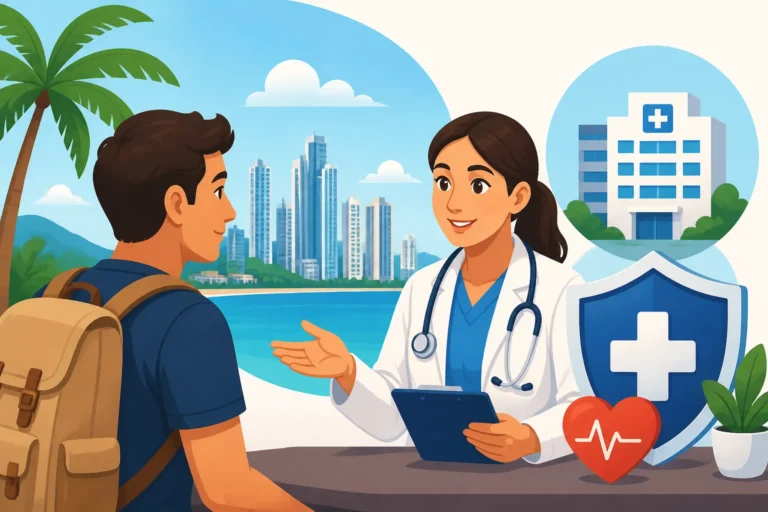
Moving to a new country like Panama is exhilarating, but the thought of navigating a new healthcare system can bring a wave of anxiety. When you need to find a doctor, the immediate questions pop up: "Who do I see? How do I even register? Will they understand me?" It's a common hurdle for expats, but fear not, because this comprehensive guide is here to demystify the process of choosing and registering with a doctor or clinic in Panama, ensuring you feel prepared and confident.
Understanding Panama's Healthcare Landscape for Expats
When you first land in Panama, especially if it’s been a whirlwind of sorting out housing and visas, the healthcare system can feel like another bureaucratic maze. It's not like back home, that's for sure. Panama offers a dual system: public healthcare, primarily run by the Caja de Seguro Social (CSS), and a robust private healthcare sector. For most expats, the private system is where you'll find the most comfort and familiar standards of care, largely due to better facilities, shorter wait times, and a higher likelihood of English-speaking staff.
Public vs. Private Healthcare Realities
Let’s be real for a moment. While Panama does have a public healthcare system through the CSS, it often comes with significant challenges for foreigners and locals alike. You might encounter long wait times for appointments, especially for specialists, and a general lack of English-speaking personnel. The public hospitals, while functional, can feel overcrowded and less polished than what many expats are accustomed to. However, if you are employed by a Panamanian company, you'll likely be contributing to the CSS, which means you have access to their services. Understanding How Panama's Health System Works: CSS and Private Care Explained (2027) is crucial for making informed decisions.
On the other hand, the private healthcare system in Panama is excellent, particularly in Panama City and major expat hubs like Coronado and Boquete. Here, you’ll find modern hospitals, well-equipped clinics, and a high concentration of highly trained, often US-trained, medical professionals. This is where most expats choose to receive their routine and specialized care. The private sector is where you’ll actively "choose" your doctor, rather than being assigned one. It's a system that truly values personalized care and accessibility, which is a huge relief when you're far from home. We'll delve deeper into Public vs Private Healthcare in Panama: What Expats Need to Know later on.
The Role of Health Insurance
Before you even start looking for a doctor, you really need to get your health insurance sorted. It's not just a good idea; it's practically a necessity for seamless access to the private healthcare system in Panama. Without it, even a routine doctor's visit can quickly add up, and a more serious medical event could lead to a significant financial burden. Many expats opt for private local or international health insurance plans. Companies like SafetyWing, for instance, offer travel medical insurance that can be a lifesaver for new arrivals, covering unexpected illnesses or injuries while you're still figuring out long-term solutions.
Having good private health insurance means you'll have a much wider choice of doctors and clinics. Your insurance provider might even have a network of preferred doctors and facilities, which can simplify your search. They can often provide recommendations and even assist with appointment bookings or direct billing, removing a layer of stress. It’s worth spending time researching Health Insurance in Panama: Private and International Options Explained and specifically How to Choose Private Health Insurance in Panama (2027) to ensure you have adequate coverage for your needs in Panama.
Key Factors for Choosing Your Doctor in Panama
Choosing a new doctor is a deeply personal decision, even more so when you're in a foreign country. You're looking for someone you can trust, communicate with, and who understands your needs. In Panama, there are specific factors that often rise to the top of an expat’s priority list.
Language and Communication Skills
This is often the number one concern for many expats. While you might be brushing up on your Spanish, discussing complex medical symptoms and treatments requires a level of fluency that many new arrivals simply don’t possess. Finding an English-speaking doctor can make all the difference in feeling heard, understood, and confident in your medical care. Many doctors in Panama’s private sector, especially those who trained abroad (often in the US), are fluent in English. They cater specifically to the international community.
Don't be afraid to ask about a doctor's English proficiency when you call to make an appointment or through online directories. A simple "Habla inglés?" can save you a lot of potential frustration. It's not just about the doctor, either; consider if their administrative staff also have some English skills, as they'll be your first point of contact for scheduling, billing, and general inquiries. For a deeper dive, check out our guide on How to Find an English-Speaking Doctor in Panama.
Specialization and Location Convenience
Think about your specific healthcare needs. Are you looking for a general practitioner (GP), a pediatrician for your children, or do you have a chronic condition requiring a specialist? Panama has a full range of specialists available, but knowing what you need will narrow your search. For instance, if you have children, finding a pediatrician you trust is paramount. If you need a dermatologist, you wouldn't start by looking for a cardiologist.
Location is another practical consideration. Panama City is sprawling, and while traffic has definitely improved with the Metro, you don't want to trek across the city for every appointment. Think about clinics and hospitals close to your home or work. If you live in an expat community outside the city, like Boquete or Coronado, finding local reputable clinics and doctors will be a higher priority. Many private clinics are clustered around the main private hospitals, such as Hospital Punta Pacifica, Hospital Nacional, and Hospital Santa Fe in Panama City, making them convenient for referrals and diagnostics.
Reputation and Recommendations
Word-of-mouth is incredibly powerful, especially within the expat community. Join local expat Facebook groups, attend social gatherings, and simply ask around. You'll quickly get recommendations for doctors who are known for their excellent care, good communication, and positive patient experiences. These personal testimonials are invaluable because they come from people who have been in your shoes.
Online reviews and directories can also be a helpful starting point, but always take them with a grain of salt. While they provide a snapshot, nothing beats a direct recommendation from a fellow expat who has actually experienced the doctor's care. When you get a recommendation, ask specifics: Was the staff helpful? Were wait times reasonable? Did the doctor explain things clearly? This qualitative feedback can help you decide if a doctor is a good fit for you.
| Factor | Why it's Important for Expats in Panama |
|---|---|
| Language Skills | Crucial for accurate diagnosis and understanding treatment plans. A language barrier can lead to miscommunication and frustration in sensitive medical situations. Many private doctors in Panama City are bilingual. |
| Specialization | Ensures you find the right type of care (GP, pediatrician, specific specialist). Starting with a general practitioner for referrals can streamline the process. |
| Location/Accessibility | Practical consideration for regular appointments, especially in Panama City traffic. Proximity to home or work, and access to public transport (like the Metro) if you don't drive, are key. |
| Reputation/Reviews | Offers insights into patient experience, bedside manner, and effectiveness of care. Expat forums and word-of-mouth are particularly valuable resources for honest feedback. |
| Insurance Acceptance | Ensures your private insurance plan is accepted, which is vital for managing costs and avoiding unexpected out-of-pocket expenses. Always confirm this before your appointment. |
| Clinic/Hospital Affiliation | Doctors affiliated with reputable private hospitals (e.g., Hospital Punta Pacifica, Hospital Nacional) often provide access to better facilities and specialists. This is important for comprehensive care and referrals. |
Finding Doctors and Clinics: Your Go-To Resources
Once you know what you’re looking for, the next step is actually finding that perfect doctor. Thankfully, Panama offers several avenues, both digital and community-based, that can significantly ease your search.
Online Directories and Hospital Websites
Many private hospitals and clinics in Panama maintain robust online directories of their affiliated doctors. These websites are often bilingual and provide profiles of doctors, including their specialties, educational backgrounds, and sometimes even their language proficiencies. For example, hospitals like Hospital Punta Pacifica, Hospital Nacional, and Centro Médico Paitilla in Panama City have extensive doctor lists on their official sites. You can usually filter by specialty, and sometimes by language.
Beyond individual hospital sites, there are general online medical directories that list doctors across Panama. Websites like Doctoralia or even specific health insurance provider portals can be goldmines for finding a doctor that fits your criteria. These platforms often allow patients to leave reviews, giving you an initial impression of a doctor's practice and patient care. Remember, you might need to use some basic Spanish keywords if the site isn't fully translated.
Expat Networks and Community Groups
I can't stress this enough: your fellow expats are your best resource. Seriously, they've been there, done that, and probably have a dozen recommendations tucked away. Join Facebook groups for expats in Panama or specific regions like "Expats in Boquete" or "Panama City Expats." Post a query asking for recommendations for a general practitioner, a dentist, or any specialist you need. You'll likely be inundated with helpful suggestions, often accompanied by personal anecdotes.
These groups are not just for recommendations; they're also a great place to ask questions about the overall patient experience, what to expect, and even tips for navigating appointments. Sometimes, what might seem like a minor cultural difference can make a big impact on your healthcare journey, and your expat peers are the best source of insider knowledge. When I first moved here, it was an expat friend who pointed me to a fantastic dentist who actually spoke my language fluently, which was a huge relief.
Health Insurance Provider Networks
This is where your private health insurance really shines. Most insurance providers, especially those catering to expats, have an established network of doctors and clinics they work with. This can significantly narrow down your search and give you peace of mind that the doctor you choose is recognized by your insurer. Contact your insurance company, whether it's a local Panamanian provider or an international one like SafetyWing, and ask for a list of in-network providers in your area. They often have dedicated expat support lines or online portals for this purpose.
Using your insurance network can also simplify the billing process. Many in-network providers offer direct billing, meaning you won't have to pay upfront and then seek reimbursement – a huge convenience. Always confirm direct billing options when you book your first appointment, as procedures can vary even within the same network. This also helps you understand Understanding Out-of-Pocket Healthcare Costs and Co-Pays in Panama.
The Registration Process: What to Expect
Once you've zeroed in on a potential doctor or clinic, the next step is getting registered. This isn't usually a daunting process in the private sector, but knowing what documents to have ready and what to expect can make it even smoother.
Initial Contact and Appointment Scheduling
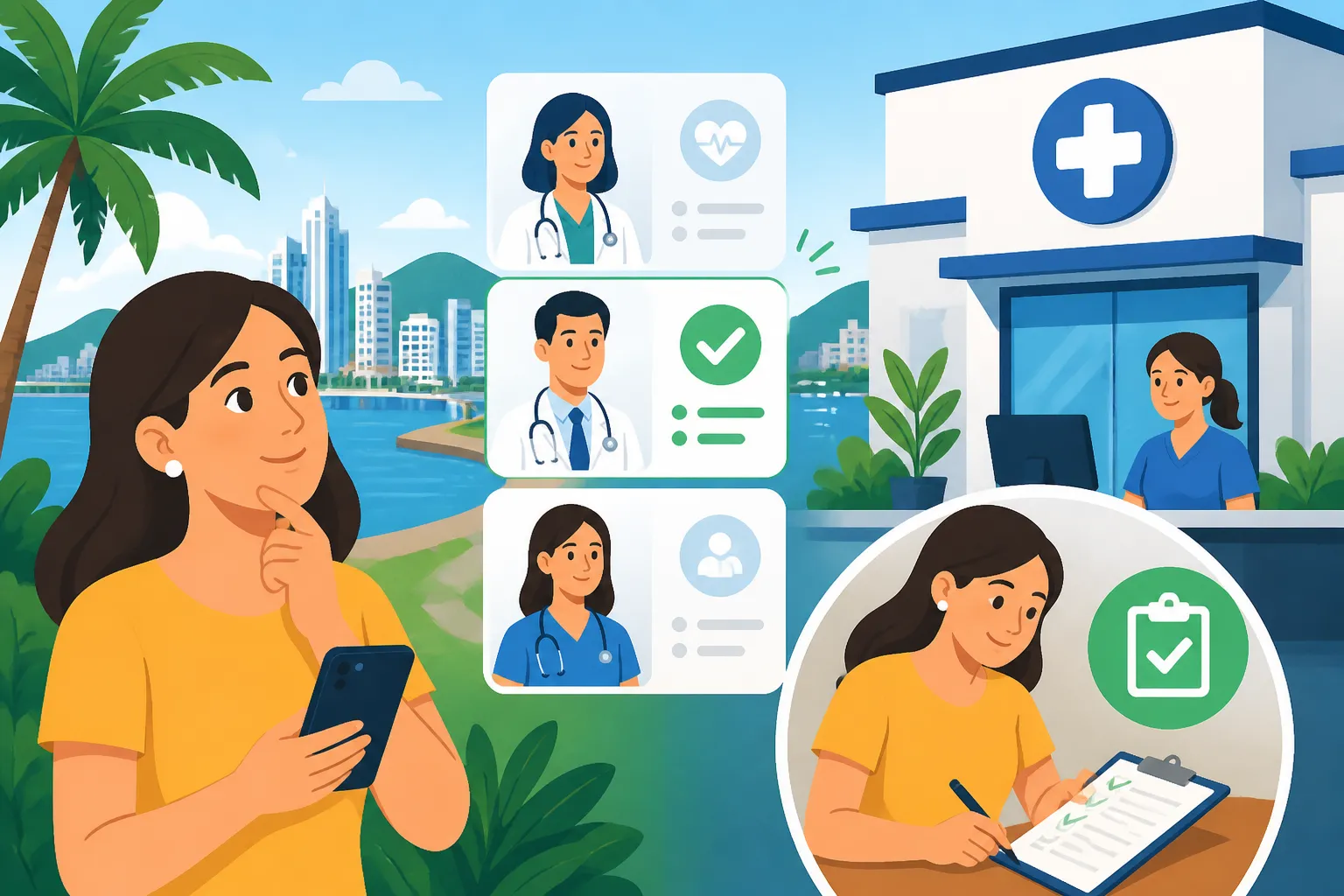
Your first point of contact will typically be by phone or, increasingly, through online messaging services like WhatsApp (which is ubiquitous in Panama for business communications). When you call, state clearly that you are a new patient (paciente nuevo) and specify the type of doctor you wish to see (e.g., medico general for a GP, pediatra for a pediatrician). If English is a must, ask "Habla inglés?" upfront.
Be prepared to provide your full name, contact information, and perhaps a brief reason for your visit. Clinics might ask about your insurance provider at this stage. It’s always a good idea to confirm the address, appointment time, and any specific instructions for your visit, such as arriving early to fill out paperwork. Panama is generally quite punctual with appointments in the private sector, so aim to arrive 10-15 minutes early.
Required Documents for New Patients
When you arrive for your first appointment, you'll likely be asked to fill out a new patient registration form. This is standard procedure. The documents you'll typically need to have on hand include:
- Your Passport: Always carry a copy of your passport (photo page and visa/entry stamp page). Some clinics might ask for the original, but a copy is usually sufficient for registration.
- Your Cedula (if you have one): If you've already secured your Panamanian residency and have your cédula, bring it. This is your official ID here.
- Your Private Health Insurance Card/Information: Crucial for billing. Have your policy number, group number, and the insurance company’s contact details readily available. If you're relying on travel insurance like SafetyWing for initial coverage, ensure you have all your policy details handy.
- Contact Information: Your local Panamanian phone number and address.
- Medical History: While not a "document" in the traditional sense, be ready to provide a concise overview of your medical history, current medications, allergies, and any chronic conditions. It's not a bad idea to have a written summary in English (and perhaps a simple Spanish translation of key terms) to hand over.
The process for registering with a private doctor or clinic is usually straightforward and much less bureaucratic than trying to How to Register with the CSS (Caja de Seguro Social) in Panama.
What Happens During Your First Consultation
The first consultation will be similar to what you'd experience in many Western countries. The doctor will review your medical history, ask about your current symptoms or concerns, and perform a physical examination if necessary. This is your opportunity to establish rapport and assess if this doctor is a good fit for you. Don't hesitate to ask questions, no matter how small they seem. A good doctor will take the time to explain things clearly.
If diagnostic tests are needed (blood work, imaging, etc.), the doctor will provide a prescription or referral. In Panama, many private clinics have their own labs and imaging centers, making it convenient to get tests done on the same day or shortly after your consultation. If you need to see a specialist, the GP will often provide a written referral, outlining the reasons for the specialist consultation. Understanding How Specialist and Hospital Referrals Work in Panama is helpful here.
Navigating Appointments and Follow-ups
Even after you've found a doctor and completed your first visit, there are still a few things to keep in mind to make your ongoing healthcare experience in Panama as smooth as possible.
Communication and Follow-up Procedures
One of the pleasant surprises for many expats in Panama's private healthcare system is the accessibility of doctors. Many doctors provide their WhatsApp number for quick questions, follow-ups, or to share test results. This direct communication channel can be incredibly convenient, especially for non-urgent matters. However, always respect their boundaries and only use it for appropriate medical communication.
For formal follow-up appointments, you'll typically schedule them with the administrative staff, either in person after your consultation or by phone/WhatsApp later. If you're expecting test results, clarify how and when you'll receive them – whether it's via email, WhatsApp, or through a follow-up appointment. Proactive communication on your part can save you a lot of waiting and wondering.
Payment and Insurance Reimbursement
In the private sector, payment is generally expected at the time of service. Most clinics and doctors accept cash (US dollars, as Panama uses the US dollar), credit cards, and sometimes local debit cards. If your insurance company has a direct billing agreement with the clinic, you might only need to pay your co-pay or deductible. Always confirm this before you see the doctor to avoid surprises.
If you have to pay upfront, make sure to get a detailed invoice (factura) with the doctor's name, license number, services rendered, and the cost. You'll need this to submit a claim for reimbursement to your private health insurance provider. Keep all receipts and documentation organized. Familiarize yourself with How to Claim Reimbursement from Private Insurance in Panama to ensure a smooth process. Even for unexpected situations, having reliable travel insurance from a provider like SafetyWing can provide a financial safety net and ease the burden of out-of-pocket payments.
Understanding Wait Times and Clinic Culture
While private clinics generally have much shorter wait times than the public system, don't expect things to always run precisely on the dot. Sometimes doctors run late due to emergencies or longer consultations. It's part of the Panamanian pace. Bring a book or something to keep you occupied, and try to practice patience.
The clinic culture is typically respectful and professional. Doctors will often greet you with a handshake and maintain a friendly demeanor. It's common for family members to accompany patients, especially if there's a language barrier. Don't be surprised if the waiting room feels a bit more lively or if a doctor takes a personal call – it's just a different cultural approach to professional settings.
Special Considerations for Expats
As an expat, your journey through the Panamanian healthcare system comes with its own unique set of considerations that you'll need to navigate.
Emergency Care Access
Knowing what to do in a medical emergency is critical for any expat. While this guide focuses on choosing a doctor for routine care, it's vital to know where to go for emergencies. In Panama City, the major private hospitals like Hospital Punta Pacifica, Hospital Nacional, and Centro Médico Paitilla have modern emergency rooms staffed 24/7. Outside of Panama City, major towns will have a local hospital with an emergency department.
For immediate life-threatening situations, you can call 911 for an ambulance, though response times can vary. Many expats opt to take a taxi or private car directly to the nearest private hospital's emergency room if possible, as it can sometimes be faster. If you're thinking about Emergency Medical Care in Panama: What Every Expat Needs to Know, make sure you have a plan in place. For short-term visits or while settling in, having a robust travel medical insurance plan like those offered by SafetyWing can provide peace of mind for unexpected medical emergencies.
Prescription Medications and Pharmacies
Panama has a well-developed pharmacy system. You'll find large pharmacy chains like Arrocha, Metro, and FarmaValue throughout the country. Many prescription medications that require a doctor's note in your home country might be available over-the-counter here, but it's always best practice to consult with a Panamanian doctor first.
If you have ongoing prescriptions, bring a copy of your current prescription from your home country, preferably translated into Spanish. Your Panamanian doctor can then write a local prescription for you. Be aware that brand names might differ, but generic equivalents are usually available and often much more affordable. Our guide on Prescription Medications and Pharmacies in Panama: The Complete Guide provides more detail.
Managing Healthcare Costs
The cost of healthcare in Panama can vary significantly, even within the private sector. A routine consultation with a GP might range from $40-$80 USD, while a specialist could be $60-$120 USD or more, depending on their reputation and clinic. Diagnostic tests and procedures will add to this. For expats, having good private health insurance is the key to managing these costs. Without it, you’ll be paying everything out-of-pocket, which can quickly become expensive.
Take the time to understand your insurance plan's coverage, deductibles, and co-pays. Ask the clinic about estimated costs for consultations or procedures beforehand. Sometimes, a smaller, independent clinic might offer slightly lower prices than a major hospital's outpatient department. Don't forget to budget for these expenses as part of your overall The Cost of Healthcare in Panama: A Complete Breakdown for Foreigners (2026). Even when fully insured, there might be initial costs or situations where a general travel medical insurance like SafetyWing provides a good safety net for unforeseen events, especially when you're still in the process of securing long-term health plans.
Cultivating a Positive Patient-Doctor Relationship
Building a good relationship with your doctor in Panama, just like anywhere else, hinges on trust, respect, and clear communication. For expats, there are a few nuances to be mindful of.
Cultural Nuances in Medical Interactions
Panamanian culture tends to be more hierarchical and formal in professional settings. This can sometimes translate into medical interactions where the doctor is seen as the ultimate authority. While direct questions are perfectly fine, approach them with respect. Doctors here are often very patient and willing to explain, but it's important to foster an environment where you feel comfortable asking.
It’s also common for doctors to prioritize personal connection. Don't be surprised if your doctor asks about your family or your well-being beyond your immediate symptoms. This isn't being intrusive; it's part of building a holistic relationship that Panamanians value. Embracing this warmth can lead to a more comfortable and trusting dynamic.
Advocacy for Your Own Health
While Panamanian doctors are highly competent, it's always important to be an advocate for your own health. Come prepared for appointments with a clear list of symptoms, questions, and any relevant medical history. If you don't understand something, ask for clarification. If you feel a second opinion is warranted, it's generally accepted to seek one. The private healthcare system is quite patient-centric in this regard.
Remember that you are an active participant in your healthcare journey. Don't be afraid to voice concerns or ask for different treatment options. A good doctor will appreciate your engagement and work collaboratively with you. This active role is particularly important when navigating a new country's medical system, especially when considering Understanding Private Health Insurance Plans in Panama and ensuring your coverage aligns with your chosen care.
Continuity of Care and Medical Records
Once you've chosen a primary doctor or a specialist, strive for continuity of care. Sticking with the same doctor for routine visits helps them build a comprehensive understanding of your health history, which can lead to better, more personalized care over time. If you need to see different specialists, inform your primary doctor so they can help coordinate your care.
It's a good practice to request copies of your test results, reports, and summaries of consultations for your personal records. While many clinics use electronic systems, having your own physical or digital copies can be invaluable, especially if you move or switch doctors in the future. This ensures your medical history is always accessible to you, no matter where you are or who you're seeing.
Disclaimer
The information provided in this guide is for general informational purposes only and does not constitute medical, legal, or professional advice. While we strive to keep the information up-to-date and accurate, healthcare systems, regulations, and costs in Panama can change. Always consult with qualified medical professionals, insurance providers, and legal experts for advice tailored to your specific situation.