What Are the Best Areas for Expats in Panama?
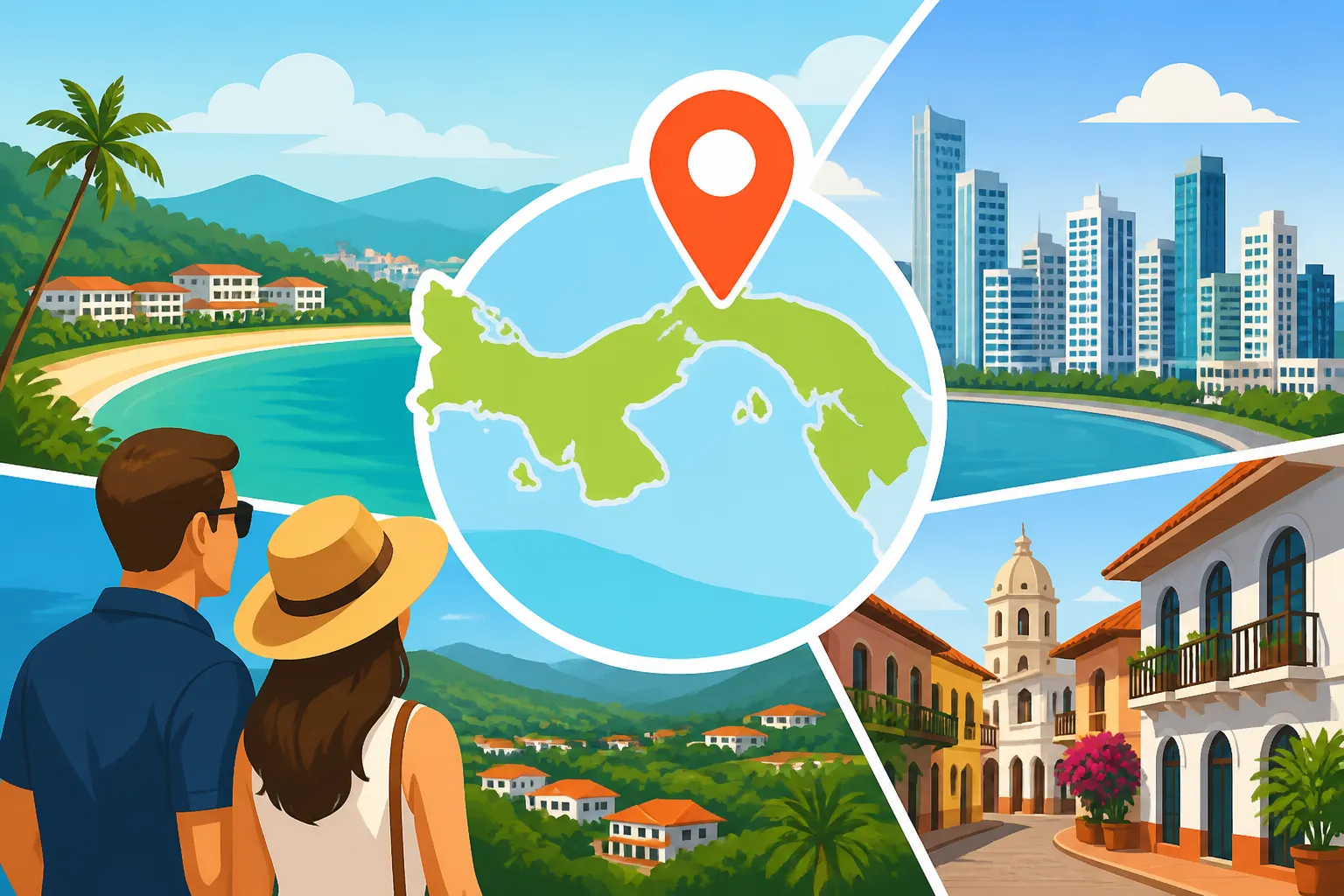
One of the biggest head-scratchers when you first think about moving to Panama is figuring out where on earth you're actually going to live. It's not just a matter of finding a roof over your head; it's about finding a place that truly resonates with your lifestyle, your budget, and what you hope to get out of this incredible expat journey. This guide is here to walk you through the top expat areas in Panama, giving you the real scoop on what each one offers, from the vibrant pulse of the city to the tranquil embrace of the mountains or the breezy charm of the coast.
Panama City: The Bustling Heart of Expat Life
Ah, Panama City. For many, it's the first glimpse of Panama and often the first place expats consider. It's a sprawling, modern metropolis that often surprises newcomers with its gleaming skyscrapers and cosmopolitan vibe. But don't let the urban jungle fool you; within its diverse neighborhoods, you'll find distinct personalities and living experiences. If you thrive on convenience, cultural events, and having everything at your fingertips, the city might just be your sweet spot. However, it's also where you'll encounter the familiar urban challenges: traffic, noise, and a higher cost of living compared to rural areas.
Cosmopolitan Comforts: El Cangrejo, Obarrio, and Bella Vista
These neighborhoods are often the first port of call for expats who want to be right in the thick of things. Imagine stepping out of your apartment building and having a world of cafes, restaurants, and shops within a few blocks' walk. That's the daily reality in areas like El Cangrejo. This neighborhood, with its lively atmosphere and tree-lined streets, feels a bit bohemian, offering everything from quaint coffee shops to bustling bars. It's incredibly walkable, a huge plus in a city where driving can sometimes test your patience. Many expats appreciate the sense of community here, often running into familiar faces at local eateries or while taking an evening stroll.
Obarrio, on the other hand, leans a little more towards the business and commercial side, but it's still brimming with amenities. Here, you'll find a higher concentration of banks, upscale boutiques, and some of the city's best fine dining establishments. It offers a slightly more sophisticated, professional feel, while still being extremely central and well-connected. Living in Obarrio means you're never far from essential services, and it’s a hub for those who work in the city's financial sector.
Bella Vista, situated between the financial district and the coastal Cinta Costera, offers a fantastic blend of old and new. You'll find charming older homes and apartments interspersed with modern high-rises. It's a diverse area that appeals to those who want easy access to both the green spaces of the waterfront and the commercial vibrancy of the city center. Plus, the proximity to hospitals and major transportation routes makes it incredibly practical. If you're pondering where to drop anchor in the city, exploring these central neighborhoods is often a great starting point for many newcomers. For more on urban living expenses, check out our guide on The Complete Guide to Cost of Living in Panama for Expats (2026).
Luxury Living and Ocean Views: Punta Pacifica and Costa del Este
If your vision of expat life involves gleaming high-rises, breathtaking ocean views, and amenities that rival a five-star resort, then Punta Pacifica and Costa del Este are calling your name. These areas are, without a doubt, the pinnacle of luxury living in Panama City. Punta Pacifica, often likened to Miami, is a master-planned community renowned for its ultra-modern condominiums, private hospital (Hospital Punta Pacifica, affiliated with Johns Hopkins), and the Multiplaza Pacific Mall, which offers high-end shopping and dining experiences. It's a bubble of comfort and convenience, attracting families and professionals who value security, modernity, and a certain standard of living.
Costa del Este takes this concept even further, feeling almost like a separate city within a city. It’s a newer development, characterized by wide boulevards, meticulously landscaped parks, and a strong sense of community, particularly for families. Many international schools are located here, making it a prime choice for expats with children. The infrastructure is top-notch, with everything from gourmet supermarkets to corporate offices built to cater to a discerning clientele. While living here means you'll likely be driving more than walking, the trade-off for many is the unparalleled quality of life, spacious living, and a slightly more tranquil atmosphere away from the deepest city hustle. Naturally, these areas come with a higher price tag, both for renting and buying property. If you're considering setting up house here, our articles on The Expat Guide to Renting an Apartment in Panama and How to Buy Property in Panama as a Foreigner: The Full Guide (2027) will be invaluable.
Historic Charm with a Modern Twist: Casco Viejo
For those who crave character, history, and a vibrant, artistic pulse, Casco Viejo offers a truly unique living experience. This UNESCO World Heritage site is the historic quarter of Panama City, a captivating labyrinth of cobblestone streets, colonial architecture, and beautifully restored buildings that house boutique hotels, trendy restaurants, and lively bars. Living in Casco Viejo is like stepping back in time, but with all the modern comforts and a distinctly bohemian, sophisticated edge. The expat community here is diverse, comprising artists, entrepreneurs, and those who appreciate the area's rich cultural tapestry.
However, living in Casco Viejo isn't for everyone. It's incredibly popular with tourists, which means constant foot traffic, especially on weekends and evenings. The living spaces tend to be smaller, often in beautifully renovated apartments above shops or within historic buildings. While it's fantastically walkable, be prepared for noise, especially if your apartment overlooks a popular plaza or street. Parking can also be a challenge. But for many, the trade-off is worth it: the unparalleled atmosphere, the stunning architecture, and the feeling of being part of a living, breathing piece of history. It's a place where you can truly immerse yourself in the local culture, while still enjoying a vibrant expat scene.
The Highlands: Cooler Climates and Nature's Embrace
Leaving the heat and humidity of the city behind, Panama's highlands offer a dramatically different pace and climate. If you dream of crisp mountain air, lush greenery, and a slower, more intentional way of life, these regions might just be your personal paradise. They cater particularly well to retirees and those seeking a closer connection to nature without being completely off-grid.
Boquete: Coffee, Mountains, and a Thriving Expat Community
Boquete, nestled in the Chiriquí province, is perhaps the most famous expat haven outside of Panama City, and for good reason. It boasts a spring-like climate year-round, thanks to its elevation, making it a welcome escape from the tropical heat. This region is famous for its world-class coffee plantations, which blanket the hillsides in verdant green. The town itself has a charming, almost Swiss-chalet feel, and it's surrounded by incredible natural beauty – think waterfalls, hiking trails leading up Volcán Barú, and an abundance of exotic birds.
The expat community in Boquete is incredibly well-established and active. You'll find numerous social clubs, volunteer opportunities, and activities ranging from bridge games to birdwatching tours. It’s remarkably easy to integrate and find like-minded individuals here, making it a comfortable landing spot for many. For retirees, the availability of medical services, grocery stores, and English-speaking contacts is a huge draw, especially when combined with the benefits of The Expat Guide to the Pensionado (Retiree) Visa in Panama (2027). However, the slower pace means fewer high-end amenities than Panama City, and while you have essentials, specialist services might require a trip to David or even back to the capital. The biggest "frustration" for some city dwellers might be the lack of a sprawling shopping mall, but for most Boquete residents, that's precisely part of the charm!
El Valle de Antón: Tranquil Escapes in a Volcanic Crater
About two hours west of Panama City, you'll find El Valle de Antón, a truly unique town located within the caldera of an extinct volcano. This geological wonder contributes to its distinct microclimate – cooler than the coast, yet generally warmer than Boquete, offering a pleasant balance. El Valle, as it's affectionately known, is all about tranquility and natural beauty. It's a popular weekend getaway for Panamanians, but a small, growing expat community has also discovered its charms.
Life in El Valle is decidedly relaxed. You'll find a bustling Sunday market filled with local produce, handicrafts, and exotic plants. There are several lovely hiking trails, hot springs, and even a small zoo and butterfly haven. The landscape is dotted with picturesque homes, often with large gardens, and the air is noticeably fresh and clean. Compared to Boquete, the expat community is smaller and perhaps a bit more dispersed, making it ideal for those who prefer a quieter, more integrated experience with local life. Amenities are more basic than in the larger expat hubs, but you'll find everything you need for daily living. It’s a wonderful spot for artists, writers, or anyone yearning for a serene environment surrounded by lush, tropical nature.
Coastal Charms: Beaches, Islands, and Laid-Back Lifestyles
For many, the dream of moving to Panama conjures images of endless beaches, warm ocean breezes, and a life lived in flip-flops. Panama’s extensive coastlines, both Pacific and Caribbean, offer diverse opportunities for those seeking a laid-back, sun-drenched existence.
Pacific Beaches: Coronado, Gorgona, and Farallón
The Pacific beach communities, stretching west from Panama City, have long been a popular choice for expats, particularly those who want a blend of beach life and accessibility to the capital. Coronado stands out as the most developed of these, often referred to as Panama's original beach resort town. It has evolved into a self-sufficient hub, offering a surprising array of amenities: multiple large supermarkets, hardware stores, private clinics (great for minor emergencies, though you’d still likely head to Panama City for anything serious – a topic covered in The Complete Guide to Healthcare in Panama for Expats (2027)), golf courses, and a thriving expat social scene. It’s where many expats decide to rent or buy, appreciating the sense of community and the convenience. Getting connected is also straightforward, with good options for How to Set Up Internet and Mobile Service in Panama.
Neighboring towns like Gorgona and Farallón offer slightly different flavors. Gorgona is a bit more rustic and residential, with a focus on local life, while Farallón is home to some larger resorts, creating a more vacation-like atmosphere. The common thread among these Pacific beaches is their proximity to Panama City (roughly an hour and a half to two hours' drive), making them ideal for those who still need to pop into the city for business, medical appointments, or a dose of urban culture. While these areas can get busy, especially on weekends when city dwellers flock to the coast, during the week they settle into a calm, relaxed rhythm. If you're planning a move, considering using a service like Sirelo to help compare and arrange your international shipping to ensure a smooth transition to your new home.
Caribbean Allure: Bocas del Toro
Switching gears entirely, Bocas del Toro on Panama’s Caribbean coast offers an entirely different vibe. This archipelago of islands, with its main hub on Isla Colón, is a world away from the Pacific beaches both geographically and culturally. It’s known for its vibrant, bohemian atmosphere, stunning turquoise waters, fantastic surfing, and incredible marine life. Bocas del Toro attracts a younger, more adventurous crowd, as well as those seeking a true island escape.
Life here is decidedly rustic and revolves around the ocean. Most transportation between islands is by water taxi, and the pace is incredibly slow. The expat community is diverse, comprising surfers, artists, eco-tourism entrepreneurs, and free spirits from around the globe. While the main town on Isla Colón has basic amenities, including clinics, small grocery stores, and plenty of bars and restaurants, you won't find the extensive infrastructure of the Pacific beaches or Panama City. It’s an area where you need to embrace a more laid-back, "island time" mentality, and be prepared for the occasional power outage or slower internet connection. However, for those who dream of living surrounded by natural beauty, with opportunities for diving, snorkeling, and exploring pristine beaches, Bocas del Toro is an unforgettable choice.
Making Your Choice: Factors to Consider
Choosing where to live in a new country is a deeply personal decision, and Panama offers such a rich tapestry of environments that it can feel a bit overwhelming. It's not just about finding "the best" area in general, but the best area for you.
Lifestyle and Budget Alignment
Before you even start looking at properties, sit down and honestly assess your ideal lifestyle. Are you a city mouse or a country mouse? Do you crave the hustle and bustle, world-class dining, and cultural events that Panama City offers? Or does the thought of cooler mountain air, community potlucks, and abundant hiking trails in Boquete sound more appealing? Maybe your heart yearns for the sound of waves, the smell of salt air, and a perpetually casual dress code of the Pacific beaches or Bocas del Toro. Each region caters to a distinct way of life, and trying to force yourself into a mismatched environment will only lead to frustration down the line.
Your budget is another critical factor. While Panama is generally more affordable than many Western countries, the cost of living varies significantly between regions. Panama City, especially its upscale neighborhoods, will naturally be more expensive for rent, dining, and entertainment. In contrast, rural areas like El Valle de Antón or even parts of Boquete can offer a significantly lower cost of living, particularly when it comes to housing and fresh produce. Be realistic about what you can comfortably afford, not just for rent, but for utilities, transportation, and your desired leisure activities. For a deep dive into financial planning, our article on The Complete Guide to Cost of Living in Panama for Expats (2026) offers a complete breakdown.
Infrastructure, Amenities, and Connectivity
It’s easy to get swept away by the beauty of a place, but practicalities matter. Consider the infrastructure. How important is reliable, high-speed internet to you? If you're planning to work remotely, areas with robust internet providers are essential. In this regard, Panama City and some of the more developed beach towns like Coronado will likely offer better options than more remote islands or mountain towns. When you first arrive, grabbing an eSIM from Airalo can be a lifesaver, ensuring you have immediate connectivity to navigate, call, and research as you explore potential neighborhoods, before committing to a local provider.
Think about amenities: access to good healthcare is paramount for many expats, especially retirees. Panama City boasts top-tier private hospitals like Hospital Punta Pacifica and Hospital Nacional, offering a wide range of specialist care. While Boquete and Coronado have local clinics, for serious medical needs, you'll likely travel to the capital. This means considering travel time and public transport options if you don't plan on Driving in Panama: Licences, Registration and Rules for Expats (2027). Families also need to consider Schools and Education in Panama: A Complete Guide for Expat Families – international schools are predominantly in Panama City. The level of infrastructure significantly impacts daily convenience, from grocery shopping to banking, and it's important to align these with your needs.
Community and Integration
Finally, think about the kind of community you want to be a part of. Are you looking for a large, active expat community where English is widely spoken, like in Boquete or Coronado? Or do you prefer to immerse yourself in local Panamanian culture, learning Spanish and making local friends? Some areas naturally have a larger expat presence, making the initial transition smoother. These communities often have established social groups and resources that can be incredibly helpful for newcomers.
Conversely, living in an area with a smaller expat population might mean you’ll have to put in more effort to connect, but it can also lead to a more authentic and profound integration into Panamanian society. Consider your comfort level with language barriers and your desire to adapt to local customs. Ultimately, the "best" area for you in Panama is one that supports your dreams, fits your budget, and provides the balance of convenience, natural beauty, and community that makes you feel truly at home.
| Expat Area | Climate | Lifestyle | Cost (Rent/Living) | Pros | Cons |
|---|---|---|---|---|---|
| Panama City | Hot & Humid | Bustling, cosmopolitan, urban | High | World-class amenities, healthcare, dining, jobs, diverse culture | Traffic, noise, higher cost, can feel overwhelming |
| Boquete | Spring-like | Tranquil, nature-focused, community-driven | Medium | Cooler climate, strong expat community, outdoor activities, safe | Further from city amenities, slower pace, limited specialist services |
| El Valle de Antón | Mild & Green | Serene, relaxed, nature immersion | Medium | Unique volcanic setting, fresh air, local markets, peaceful | Smaller expat community, fewer amenities, less nightlife |
| Coronado (Pacific Beaches) | Hot & Sunny | Beach resort, established expat hub | Medium-High | Beach access, good amenities (supermarkets, clinics), expat activities | Busy on weekends, hotter climate, can feel less authentically Panamanian |
| Bocas del Toro | Hot & Humid | Bohemian, island life, adventure | Medium-Low | Stunning nature, vibrant culture, water sports, laid-back | Rustic infrastructure, remote, rainy season, limited healthcare |
Disclaimer
Please remember that this guide provides general information based on common expat experiences. Panama's laws and local conditions can change, so always seek advice from qualified professionals, such as immigration lawyers or real estate agents, for your specific situation. We strive for accuracy but cannot guarantee that all information will remain current at all times.