How Do I Use the Metro in Panama City?
Oh, the Panama City Metro! When you first arrive in this bustling city, the thought of navigating public transport can feel utterly overwhelming. Between the heat, the traffic, and a new language, it's easy to just default to taxis or ride-shares. But trust me, once you get the hang of it, the Metro is a game-changer for getting around efficiently, comfortably, and affordably. This guide is going to walk you through everything you need to know, from buying your first card to mastering the lines, so you can ride like a local.
Getting Your Foot in the Door: The MetroCard and Fares
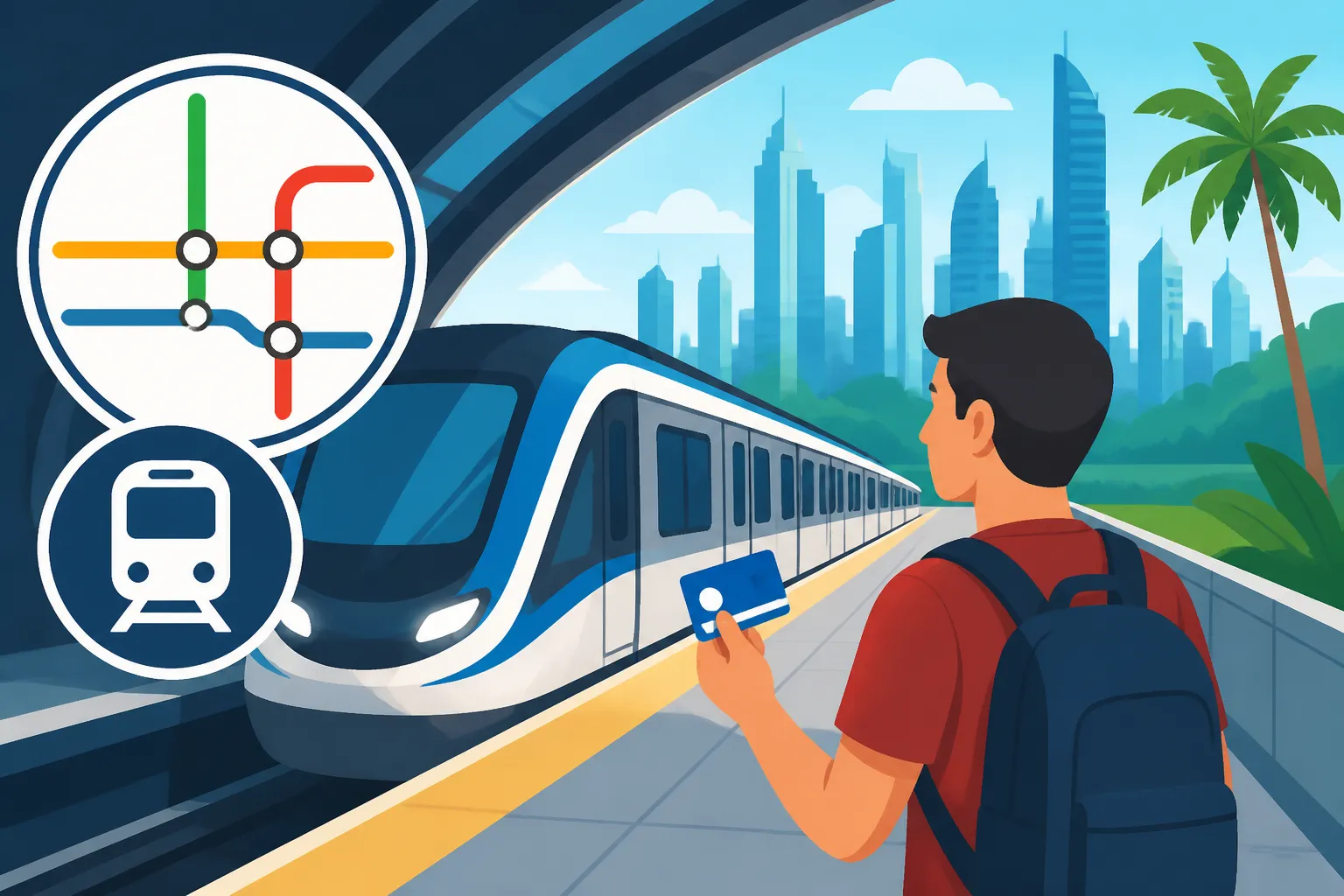
The very first step to becoming a Metro master is getting your hands on a MetroCard, known locally as the Tarjeta de Metro. Unlike many cities where you can buy single-use tickets, Panama's Metro and Metrobús systems operate entirely with these reloadable cards. No card, no ride – it's as simple and as frustrating as that when you're caught off guard.
Where to Buy and Reload Your MetroCard
You can purchase a new MetroCard at any Metro station. Look for the ticket booths, often manned by an attendant, or the automated vending machines. These machines are usually pretty straightforward, offering instructions in both Spanish and English, which is a blessing, believe me. The initial cost for a new card is typically $2.00. This is just for the card itself, so you'll need to load it with additional funds to actually travel.
Reloading your card is equally simple. You can do this at the same ticket booths or vending machines found in all Metro stations. You'll hear Panamanians often refer to recargar their card, meaning to reload it. It’s always a good idea to keep a little balance on your card, especially if you’re planning a trip during peak hours or to an area where topping up might be less convenient. I’ve been caught out before, standing in line at the crack of dawn, only to realize I’m a few cents short and holding up a queue of people trying to get to work! Don't be that expat. Having enough cash or a functional debit card for these machines is crucial.
Understanding the Fares and Card Types
The Metro fares in Panama City are incredibly affordable, especially when compared to public transport costs in North America or Europe. A single ride on the Metro costs just $0.35. That's right, thirty-five cents! If you connect to the Metrobús system, which uses the same card, that ride will cost $0.25 (or $0.75 for express routes). This integrated system makes multimodal travel a breeze once you're set up.
There isn't really a "tourist" version of the MetroCard, nor are there different tiers. Everyone uses the same basic card. For families, everyone over a certain age will need their own card. Children under a certain height (usually indicated by a line on a pole near the turnstiles) can often ride for free when accompanied by an adult. Always double-check this, as rules can sometimes shift, and you don't want any surprises when you're trying to usher a gaggle of kids through a busy turnstile. For those just arriving, learning How Do I Move to Panama? and getting these basic administrative tasks sorted is key, and the MetroCard is definitely on that list.
Mastering the Lines: Navigating the Panama City Metro System
Once you've got your card loaded, it's time to actually ride the rails. The Panama Metro system is modern, clean, and best of all, air-conditioned – a true luxury in Panama's tropical heat. It's relatively straightforward, but knowing the main lines and key stations will save you a lot of guesswork.
The Metro Lines: Where They Go
Currently, Panama City boasts two operational Metro lines, with a third under construction and planned expansion for others.
- Line 1 (Red Line): This was the first line to open, running from Albrook, where the main bus terminal is located, all the way through the city center, and out to San Isidro. This line is incredibly useful for connecting to the Albrook Mall, the national bus network, and many of the older, established neighborhoods. Key stations include Albrook, Cinco de Mayo (close to Casco Viejo), Marañón (near hospitals and government offices), and Iglesia del Carmen (a central point for nightlife and commercial areas). If you're wondering The Best Places to Live in Panama for Expats: A Complete Guide (2027), many expats choose areas easily accessible from Line 1.
- Line 2 (Green Line): This line opened more recently and runs from San Miguelito (which is a transfer station with Line 1) out to Nuevo Tocumen. Line 2 serves some of the more populated, residential areas on the eastern side of the city and is particularly useful for connecting to the Tocumen International Airport via the special airport branch line and the Metro Bus system. It’s a lifesaver for residents commuting from areas like Brisas del Golf or Costa del Este, even if it requires a bus connection for the latter.
- Line 3 (Under Construction): This ambitious project will extend the Metro service across the Panama Canal to the province of Panamá Oeste, serving areas like Arraiján and La Chorrera. While it's still a ways off, it signifies Panama's commitment to improving its public transport infrastructure, which is a major plus for expats.
Operating Hours and Frequency
The Panama Metro generally operates from early morning until late evening, typically from 5:00 AM to 11:00 PM on weekdays, with slightly reduced hours on weekends and public holidays. During peak hours (roughly 6:00 AM to 9:00 AM and 4:00 PM to 7:00 PM), trains run very frequently, often every few minutes. Outside of these times, you might wait a bit longer, but usually no more than 10-15 minutes. The frequency is commendable and far better than battling rush hour traffic in a car.
Knowing the operating hours is essential, especially if you're out late. Missing the last train can mean a pricier taxi ride home, which somewhat defeats the purpose of budget-friendly public transport. I’ve learned this lesson the hard way after a fun night out in Casco Viejo! Being aware of Understanding Emergency Numbers (911) and Ambulance Care in Panama is also wise, just in case you ever have an incident while out and about.
Connecting between Lines and to Other Transport
The main transfer station between Line 1 and Line 2 is San Miguelito. This station is usually bustling, as it's a major hub. The transfer process is simple: just follow the signs for your desired line, and your MetroCard will allow you to pass through without additional charges, as long as it's part of a continuous journey.
The Metro is designed to integrate seamlessly with the Metrobús system. Your MetroCard works for both! This is fantastic because it means you can take the Metro to a station and then hop on a Metrobús to reach destinations further afield. For a comprehensive overview, checking out Understanding the Panama City Metro, Metrobus and Taxi Networks is highly recommended. You’ll find that many of the major Metrobús routes start or pass by Metro stations, making your commute much smoother. This connectivity is a huge benefit and something I really appreciate about living here.
Practical Tips and Common Pitfalls for Expats
Even with a modern system, navigating public transport in a new country always comes with its unique challenges. Here are some seasoned expat tips to help you ride the Metro like a pro and avoid common frustrations.
Rush Hour Realities
Panama City’s rush hour is no joke. The Metro trains can get incredibly crowded, especially on Line 1. You'll experience a lot of pushing and shoving, and personal space can become a distant memory. If you're not a fan of sardine-can commutes, try to travel outside of peak times. If you absolutely must travel during rush hour, be prepared, keep your belongings secure, and remember that everyone is just trying to get where they need to go. Patience is a virtue here.
One thing to note: there are often designated carriages or sections for women and children during rush hour, particularly on the Metrobús. While not always strictly enforced on the Metro, it's a cultural norm to offer seats to the elderly, pregnant women, or those with young children. Embrace the local etiquette; it goes a long way.
Staying Connected and Navigating Maps
Having a reliable mobile phone connection is a godsend for any expat, and especially so when using public transport. While the Metro stations and trains usually have good cellular reception, having data means you can check real-time maps, bus connections, or even quickly translate a sign if you're feeling lost. Many expats find that an eSIM service, like Airalo, is an incredibly convenient way to ensure they always have data without the hassle of local SIM card registration when they first arrive. It's invaluable for checking routes on Google Maps or the official Metro de Panamá app (which I highly recommend downloading!).
Panama also offers free Wi-Fi in some Metro stations and on certain Metrobús units, but it can be spotty. Don't rely on it for critical navigation. Instead, plan your journey before you leave, and use your reliable mobile data for on-the-go adjustments. This foresight can prevent a lot of stress. Learning How Do I Set Up a Mobile Phone Plan in Panama? is one of the first things you'll want to do.
Safety and Security on the Metro
The Panama Metro is generally very safe. Stations are well-lit, and there are often police or security personnel present. Trains are equipped with surveillance cameras. However, like any crowded urban environment, petty crime such as pickpocketing can occur, especially during busy times. Always be vigilant. Keep your wallet in a front pocket, secure your bag, and avoid flashing expensive electronics or jewelry.
I've personally never had an issue on the Metro, but I'm always aware of my surroundings. If something feels off, trust your gut. Remember, if you do encounter any issues, don't hesitate to seek out uniformed personnel in the station. They are there to help.
Accessibility and Special Needs
The Panama Metro system is designed with accessibility in mind. Stations typically have elevators and ramps, and trains have designated areas for wheelchairs and strollers. However, depending on the station, elevators might occasionally be out of service, which can be frustrating. If you or a family member has special mobility needs, it's always a good idea to factor in a little extra time for your journey, just in case. Panama is becoming increasingly accessible, but there's still room for improvement in consistent maintenance across all facilities.
Table: Panama Metro vs. Metrobús Quick Comparison
| Feature | Panama Metro (Subway) | Metrobús (Bus System) |
|---|---|---|
| Coverage | Two main lines (Line 1 & Line 2) covering key urban corridors. | Extensive network covering nearly all city neighborhoods. |
| Cost per Ride | $0.35 | $0.25 (regular), $0.75 (express) |
| Travel Speed | Very fast, avoids traffic. | Can be slow due to traffic, but express routes help. |
| Air Conditioning | Always (usually very cold!) | Generally yes, but can vary by bus model/maintenance. |
| Comfort/Crowding | Modern, clean, but very crowded during rush hour. | Newer buses are comfortable, but also very crowded at peak times. |
| Payment Method | MetroCard (Tarjeta de Metro) only. | MetroCard (Tarjeta de Metro) only. |
| Connectivity | Excellent for long distances, connects to major hubs. | Excellent for neighborhood access, feeds into Metro. |
| Language Barrier | Mostly visual signs, some English announcements. | More reliance on Spanish announcements/asking drivers. |
Expanding Your Horizons: Integrating the Metro with Other Transport Options
While the Metro is fantastic, it's rarely the only way you'll get around Panama City. Understanding how it connects with other transport modes will make your life as an expat much easier.
Seamless Metrobús Connections
As I mentioned, the real beauty of the Metro system is its integration with the Metrobús. The Tarjeta de Metro is your key to both. At major Metro stations, you'll find large Metrobús terminals, like the one at Albrook, where hundreds of buses depart to every corner of the city. You simply tap your card again when boarding the bus.
It’s an incredibly efficient way to extend your reach. For example, if you live in a neighborhood not directly on a Metro line, you can take a Metrobús to the nearest station and then zip across the city. This combined network really helps to keep The Complete Guide to Cost of Living in Panama for Expats (2026) manageable, as transport costs are kept low. The buses themselves are generally modern and air-conditioned, but navigating the routes can be a bit more challenging as signs are primarily in Spanish, and routes can sometimes change. Having that reliable Airalo eSIM to check real-time bus apps or Google Maps is truly a lifesaver here.
Taxis and Ride-Sharing Apps
Even with the Metro and Metrobús, there will be times when a taxi or a ride-sharing service is simply more convenient, especially late at night, when carrying groceries, or when heading to an area not well-served by public transit. Apps like Uber, Indriver, and Yappy (for local taxis) are widely used in Panama City.
Many people will use the Metro for the bulk of their journey and then take a short taxi or ride-share from the nearest station to their final destination. For instance, if you're exploring the bustling areas around Iglesia del Carmen, and then want to head to a specific restaurant in a quieter part of El Cangrejo, a quick ride-share might be your best bet from the Metro station.
Always agree on a price with a regular taxi driver before you start your journey if they don't use a meter (many don't), or ensure your ride-share app has given you a clear fare estimate. This prevents any surprises. While you might opt for How Do I Use My Foreign Driver's Licence in Panama? and get your own car, combining personal transport with public options offers maximum flexibility.
Moving and Settling In
For those of you just landing in Panama, perhaps after coordinating a big international move with a service like Sirelo, public transport might feel like one more thing to figure out. But I promise you, learning to use the Metro is one of the best ways to truly integrate into local life and get a feel for the rhythm of the city. It’s a part of the everyday routine for thousands of Panamanians, and embracing it will connect you more deeply with your new home. Whether you're commuting to work, heading to a Spanish class, or just exploring a new neighborhood, the Metro offers a unique perspective on the city. Getting your How Do I Get My Cedula (Residency ID) in Panama? is another huge step towards feeling like a true local and making these daily transactions smoother.
Ultimately, the Panama City Metro is an invaluable resource for expats. It’s safe, efficient, and incredibly cost-effective. While there's a small learning curve, once you've mastered your MetroCard and the basic lines, you'll wonder how you ever got around without it.
Disclaimer
Please remember that while this guide offers comprehensive advice, immigration laws, public transport regulations, and costs can change. Always verify the latest information with official Panamanian government sources or relevant transport authorities. This content is for informational purposes only and does not constitute professional advice.