How Specialist and Hospital Referrals Work in Panama
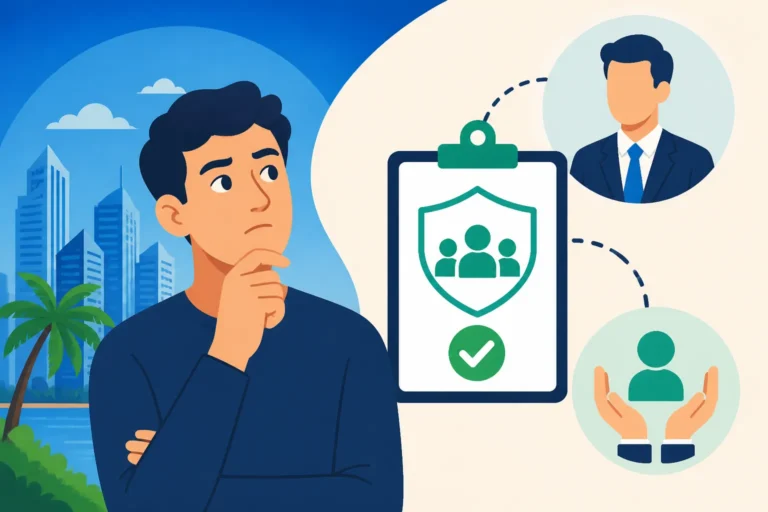
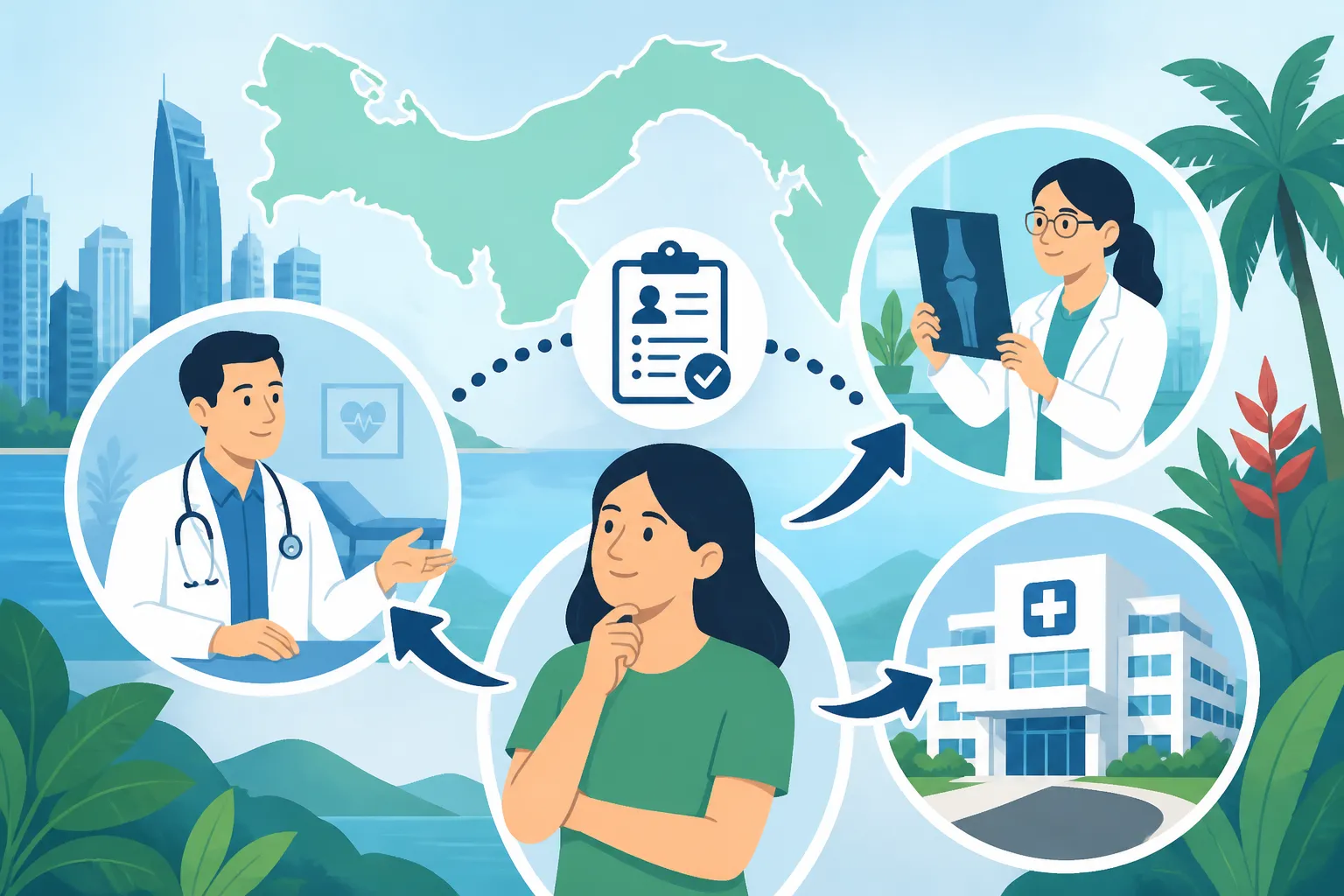
Oh, the joy of navigating a new country's healthcare system! If you're anything like me when I first landed in Panama, you've probably already realized that what seems straightforward back home can become a labyrinth of questions and confusion here. One of the biggest head-scratchers for many expats is figuring out how to see a specialist or get admitted to a hospital. This guide is here to untangle the referral process in Panama, offering practical advice and setting realistic expectations so you can access the care you need without pulling your hair out.
Understanding the Gateway to Panamanian Healthcare: General Practitioners (GPs) and Initial Consultations
When you first feel a twinge or notice something amiss, your first thought might be to find the exact specialist you need. But in Panama, much like in many healthcare systems globally, the general practitioner (GP) or family doctor often serves as your initial point of contact, especially if you're engaging with the public system or certain private insurance plans.
The Role of Your Primary Care Doctor
Think of your primary care doctor here as your medical home base. They're the ones who handle routine check-ups, common illnesses, and are often the first line of defense for any new health concern. Building a relationship with a good GP in Panama is incredibly valuable, as they can provide continuity of care, understand your medical history over time, and, crucially, guide you through the local system.
For instance, if you wake up with a persistent cough and fever, your GP will be your go-to. They’ll assess your symptoms, perhaps prescribe some initial medication, or order basic tests. If your condition warrants further investigation or specific expertise, that’s when the discussion of a specialist referral typically comes into play. It’s not just about getting a piece of paper; it’s about having a medical professional who knows you and can articulate your needs within the local context.
Finding an English-Speaking GP in Panama
For many expats, the language barrier is a significant hurdle, especially when discussing complex medical issues. Thankfully, in Panama City and other expat-heavy areas like Boquete or Coronado, finding an English-speaking GP is certainly doable, though it might take a bit of asking around. Your best bet is often through expat Facebook groups, word-of-mouth recommendations, or by contacting international clinics directly.
Many private clinics, particularly those associated with the larger hospitals like Hospital Punta Pacifica or Hospital Nacional, have doctors who are proficient in English. Don't be shy about asking when you call to make an appointment if they have English-speaking staff or doctors available. It makes a world of difference when you can communicate your symptoms clearly and understand the doctor's advice without a translation app struggling in the background. Remember, a good starting point is to check out how to find an English-speaking doctor in Panama.
Walk-ins vs. Appointments: What to Expect
Panama’s healthcare system offers a mix of walk-in possibilities and appointment-based services, and understanding the nuances can save you a lot of time and frustration.
In the public sector, particularly at the policlínicas run by the Caja de Seguro Social (CSS), walk-ins are common for general consultations, but be prepared for potentially long wait times. These facilities serve a large population, and while the care is generally affordable or covered by your CSS contributions, patience is a virtue. You might arrive early in the morning and still wait hours to be seen, even for a relatively minor issue.
In the private sector, the experience is generally much smoother. Most private clinics and doctors operate on an appointment-only basis. While you might occasionally find a private "urgent care" clinic that accommodates walk-ins for immediate, non-life-threatening concerns, scheduling an appointment is the standard. This approach helps minimize wait times and ensures you get dedicated time with your doctor. However, even with an appointment, don't expect the punctuality you might be used to in some Western countries. A 15-30 minute delay is not uncommon, so factor that into your schedule.
The Referral Process for Specialists in Panama
Now, let's talk about the big one: getting to see that specialist. This is where the public and private systems really diverge, and where your insurance plays a critical role.
When a Referral is Needed and When It's Not
This is perhaps the most confusing aspect for newcomers. In essence, whether you need a referral largely depends on which healthcare system you're navigating and the specifics of your health insurance plan.
If you are relying solely on the public healthcare system (CSS), a formal referral from a general practitioner within that system is almost always required to see a specialist. The CSS operates on a hierarchical model: GP first, then specialist, then hospital. Trying to bypass this often results in being turned away or facing significant delays.
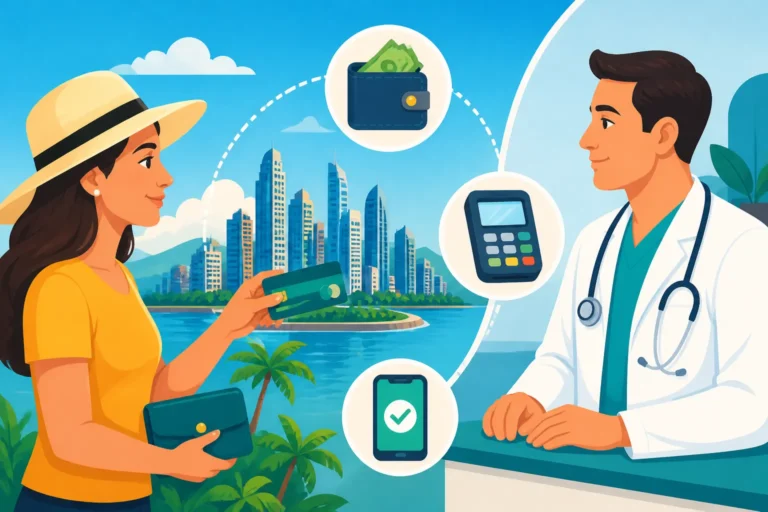
In the private sector, it’s a different story. Often, you can directly book an appointment with a specialist without a GP referral. Many expats will simply research a highly-rated cardiologist, dermatologist, or orthopedic surgeon and schedule an appointment. However, and this is a crucial point, while the clinic might not require a referral to see the specialist, your private health insurance very likely will require one for the costs to be covered. This is a common point of confusion leading to unexpected out-of-pocket expenses. Always check your specific policy. For instance, if you have a travel insurance plan like SafetyWing, while they might cover urgent care directly, for non-emergency specialist visits, a medical referral could be a prerequisite for your claim to be processed smoothly.
Navigating Specialist Referrals Through the CSS System
Oh boy, the CSS referral system. Let’s just say it's an exercise in patience and persistence. If your GP at a policlínica determines you need a specialist, they will initiate the referral. This process can be slow. It often involves paperwork that needs to be manually processed, sent to another department, and then you wait to be called for an appointment.
Sometimes, you might be given a referral document and told to go to a specific larger hospital (like the Complejo Hospitalario Dr. Arnulfo Arias Madrid, which is the main CSS hospital in Panama City) to schedule the specialist appointment yourself. This can mean standing in long lines, sometimes hours before the office even opens, just to get a spot on a specialist's calendar that might be months away. The system is designed to manage high demand with limited resources, so efficiency, as we might define it in other countries, is not its strong suit. Validating the frustration here: yes, it can feel like a bureaucratic maze, and you’re not alone in finding it challenging. For more details on how to register with the CSS (Caja de Seguro Social) in Panama, be sure to check our other guides.
Obtaining Referrals in the Private Sector
The private sector offers a much more streamlined experience. If your private GP believes you need to see a specialist, they will typically provide you with a written referral or sometimes even directly recommend specific specialists they trust. You then take this referral (or sometimes just the name of the specialist) and call the specialist's office or the private hospital's appointment desk to schedule your visit.
As mentioned, even if you can book directly, always clarify with your private health insurance if a GP referral is necessary for reimbursement. Many international private health insurance plans, and even local ones, will require that initial GP assessment to justify the specialist visit for coverage purposes. This is to prevent unnecessary specialist consultations and manage costs. So, while you can often bypass the GP, it’s often wiser not to for insurance reasons.
Accessing Hospital Care and Admissions
Whether it's an unexpected emergency or a planned procedure, knowing how hospital admissions work in Panama is vital. Again, the divide between public and private is stark.
Emergency Admissions vs. Planned Procedures
Let's get one thing clear: if it's a genuine emergency, you go straight to the nearest emergency room. No referral needed, no questions asked. Hospitals in Panama, both public and private, are equipped to handle critical situations. If you've been in a car accident, experienced a sudden severe illness, or had a major fall, your priority is to get to the ER. Panama has excellent private emergency facilities, especially in Panama City, such as those at Hospital Punta Pacifica or Hospital Nacional, which are accustomed to treating international patients. We have a detailed guide on emergency medical care in Panama: what every expat needs to know.
For planned procedures – anything from a minor outpatient surgery to a major operation – the process starts with a consultation, usually with a specialist, who then recommends the procedure. This is where a referral from your GP (if your insurance requires it) and pre-authorization from your insurance company become essential. You won’t just walk in for a knee replacement; there’s a whole process of diagnosis, specialist recommendation, and insurance approval.
Understanding Public vs. Private Hospital Referrals
The referral system for hospital admissions mirrors that of specialist consultations, but with higher stakes.
In the public system, hospital admission for non-emergencies almost always requires a referral from a CSS-affiliated doctor or specialist. If a CSS specialist recommends a surgery, they will put you on a waiting list within the public hospital system. Waiting times can be very long for elective procedures, sometimes extending to months or even years for certain surgeries due to the high volume of patients. This is why many expats, even those contributing to the CSS, often opt for private care for anything beyond basic needs.
In the private sector, hospital admission is much more direct. Once a private specialist recommends a procedure, they will typically work with the hospital's admissions department to schedule it. Your private health insurance will then need to pre-authorize the admission and treatment. Hospitals like Hospital Punta Pacifica and Hospital Nacional are renowned for their modern facilities and excellent care, and they are well-versed in handling international patients and their insurance. For a deeper dive, check out our article on understanding the difference between public and private hospitals in Panama.
The Role of Your Insurance in Hospital Admissions
Your health insurance is your best friend when it comes to hospital admissions for planned procedures. For any inpatient stay or significant outpatient procedure, your insurer will almost certainly require pre-authorization. This means the hospital or your doctor will submit a request to your insurance company, detailing the diagnosis, proposed treatment, and estimated costs. The insurance company then reviews this and approves it, partially approves it, or denies it.
This is where the initial referral from your GP often becomes crucial for your private insurance. If your policy states that specialist visits require a GP referral, then that referral is the starting point for the entire chain of events leading to a planned hospital admission. Without it, your insurance might deny coverage for the specialist's consultation, and by extension, for the hospital stay they recommend.
If you’re using international health insurance, such as some plans offered by SafetyWing, they are generally designed to be quite flexible for emergencies. However, for planned hospitalizations, they will have a clear process for pre-authorization that you'll need to follow. Make sure you understand this process before you need it, as a smooth pre-authorization makes the admission and billing process significantly less stressful.
Practical Tips and Common Challenges for Expats
Living in Panama is an adventure, but like any adventure, it comes with its unique set of challenges. Healthcare navigation is definitely one of them.
Language Barriers and Advocacy
Even if you find an English-speaking doctor, the administrative staff at clinics and hospitals might not be. This can lead to misunderstandings regarding appointments, billing, or directions. Expats often get frustrated simply trying to understand where to go for a lab test within a large hospital complex.
My advice:
- Bring a friend: If you have a Spanish-speaking friend or even a local contact, ask them to accompany you to appointments, especially for initial visits or complex discussions.
- Use translation apps: Google Translate or similar apps can be lifesavers for quick questions or understanding basic instructions.
- Be patient and polite: A smile and a "por favor" (please) and "gracias" (thank you) go a long way. Panamanian culture values politeness, and staff are often more willing to help if you approach them with respect, even if there's a language hurdle.
Dealing with Bureaucracy and Patience
Panama, like many Latin American countries, has a reputation for bureaucracy. This is particularly true in the public health system. Paperwork, stamps, multiple visits to the same office – it’s all part of the game.
To cope:
- Copies, copies, copies: Always make multiple photocopies of every document: your passport, cedula (residency ID), insurance cards, referral slips, lab results, prescriptions. You never know when you'll be asked for another copy.
- Stay organized: Keep all your medical records in a dedicated folder. This includes referral letters, test results, and any communication from doctors or clinics.
- Expect delays: Clinic waiting rooms, even in the private sector, can run behind. Appointments might start 30 minutes late, and processing administrative tasks can take longer than you'd expect. Bring a book, your phone, or simply practice mindfulness. It helps to check out our roadmap on navigating the Panamanian healthcare system: an expat's roadmap (2026).
Cost Implications and Insurance Claims
Healthcare costs in Panama can be surprisingly affordable compared to North America or Europe, especially in the private sector for routine care. However, hospital stays, surgeries, and long-term specialist care can still add up significantly.
- Understand your policy: Know your deductibles, co-pays, and what's covered for specialist visits and hospitalizations. Some policies, especially international ones like SafetyWing, operate on a reimbursement basis, meaning you pay upfront and claim later. Others might offer direct billing with certain providers, which is far more convenient.
- Ask for estimates: For planned procedures or hospital admissions, always ask for an estimate of costs in advance. This allows you to verify coverage with your insurance and understand your out-of-pocket expenses.
- Keep all receipts: Whether it's for a doctor's visit, lab tests, or prescriptions, keep meticulous records for insurance claims. Learn how to claim reimbursement from private insurance in Panama for smooth processing.
The Importance of a Strong Expat Network
Seriously, your fellow expats are an invaluable resource. They've been through it all and can offer recommendations, share their experiences, and give you the inside scoop on which doctors are good, which clinics are efficient, and how to navigate particular processes. Join local expat Facebook groups, attend meetups, and don't be afraid to ask for advice. There's a strong sense of community, and people are generally happy to help.
Specific Scenarios and Referral Nuances
Let's dive into some common situations and how referrals might apply.
Specialist Referrals for Chronic Conditions
If you have a chronic condition, such as diabetes, heart disease, or an autoimmune disorder, you'll likely need ongoing care from a specialist (e.g., an endocrinologist, cardiologist, or rheumatologist).
In the public CSS system, once you've been referred to a specialist, that referral typically stands for the duration of your treatment for that specific condition, though you might still need to get new appointment slots each time. They usually maintain your file within their system. However, don't be surprised if sometimes you're asked for a new referral if there's a long gap in appointments or if you're trying to see a different specialist.
In the private sector, after your initial referral and consultation, subsequent follow-up appointments with that specialist typically do not require a new GP referral, provided it's for the same ongoing condition. Your private health insurance will usually cover these follow-ups as part of your treatment plan. However, if your chronic condition leads to a new problem requiring a different specialist, then the initial GP referral rule for insurance coverage might kick back in. It’s always best to clarify with your GP and insurer.
Accessing Mental Health and Dental Care Referrals
For dental care, referrals are rarely needed in Panama. You can typically call a dentist directly, schedule an appointment, and walk right in. Panama has many excellent private dental clinics, some with English-speaking staff, particularly in Panama City. Your private health insurance might have specific dental coverage, but usually, it's not contingent on a GP referral. Check out our guide on understanding dental care costs in Panama for more.
Mental health services (like seeing a psychologist or psychiatrist) also generally do not require a GP referral in the private sector. You can directly contact a mental health professional and schedule an appointment. Many psychologists and psychiatrists in Panama City, especially those catering to the expat community, are bilingual. However, if your private health insurance offers mental health coverage, they might, again, require a GP referral to cover the costs, so always verify your policy. For specific guidance, look into how to access mental health services in Panama as an expat.
Pediatric and Obstetric Referrals
For expat families, navigating healthcare for children and during pregnancy is a high priority.
Pediatric care: You can usually choose and contact a pediatrician directly for your child’s initial check-ups and routine care. If your child develops a more complex issue requiring a pediatric specialist (e.g., a pediatric cardiologist or neurologist), your pediatrician will provide the referral. Again, for insurance coverage, ensure this referral meets your policy's requirements.
Obstetric care: For pregnancy, most women in the private sector will directly choose an OB-GYN and begin prenatal care with them. A GP referral is typically not a prerequisite to see an OB-GYN in a private clinic. However, should complications arise that require a different specialist (e.g., a high-risk pregnancy specialist or an internal medicine doctor for an unrelated issue), your OB-GYN would then provide that referral. For more comprehensive information, refer to our guide on understanding maternity and prenatal care in Panama.
Here’s a quick overview of the referral process differences:
| Feature | Public Healthcare (CSS) | Private Healthcare |
|---|---|---|
| GP Referral to Specialist | Required. Strict hierarchical system. | Not always required to see specialist, but often required by insurance for coverage. |
| Process Speed | Often slow, involving paperwork, long waits, and multiple visits. | Generally faster and more streamlined. Direct booking possible. |
| Hospital Admission (Non-Emergency) | Requires CSS referral. Long waiting lists possible. | Requires specialist recommendation & insurance pre-authorization. No direct GP referral needed for hospital, but GP referral often needed for specialist. |
| Emergency Care | Direct access to ER. | Direct access to ER. |
| Language Barrier | Predominantly Spanish-speaking staff. | Many English-speaking doctors, but admin staff may be Spanish-only. |
| Cost | Very low or covered by CSS contributions. | Higher, usually covered by private insurance, with co-pays/deductibles. |
Disclaimer
Please remember that while I strive to provide the most current and accurate information based on my experience and available data, healthcare systems, insurance policies, and legal requirements in Panama can change. This guide is for informational purposes only and does not constitute professional medical, legal, or financial advice. Always consult with a qualified Panamanian lawyer, medical professional, and your specific insurance provider for personalized guidance.