Understanding the Role of the CSS and Private Clinics in Panama
Moving to a new country like Panama means navigating a whole new world, and honestly, understanding the healthcare system can feel like trying to solve a Rubik's Cube blindfolded. Many expats grapple with the public Caja de Seguro Social (CSS) and the myriad of private clinics, wondering which path to take. This comprehensive guide is here to shed light on both systems, helping you grasp their differences, benefits, and challenges so you can make informed decisions for your well-being.
The Dual Healthcare System: An Overview for Expats in Panama
Panama offers a somewhat unique healthcare system, providing a stark contrast between its public and private sectors. For newcomers, it's not always a clear-cut choice, and many find themselves utilizing aspects of both. This duality can be both a blessing and a source of confusion, especially if you're coming from a country with a single, unified healthcare model. It truly pays to understand the intricacies of each before you ever need them.
Understanding Panama's Healthcare Landscape
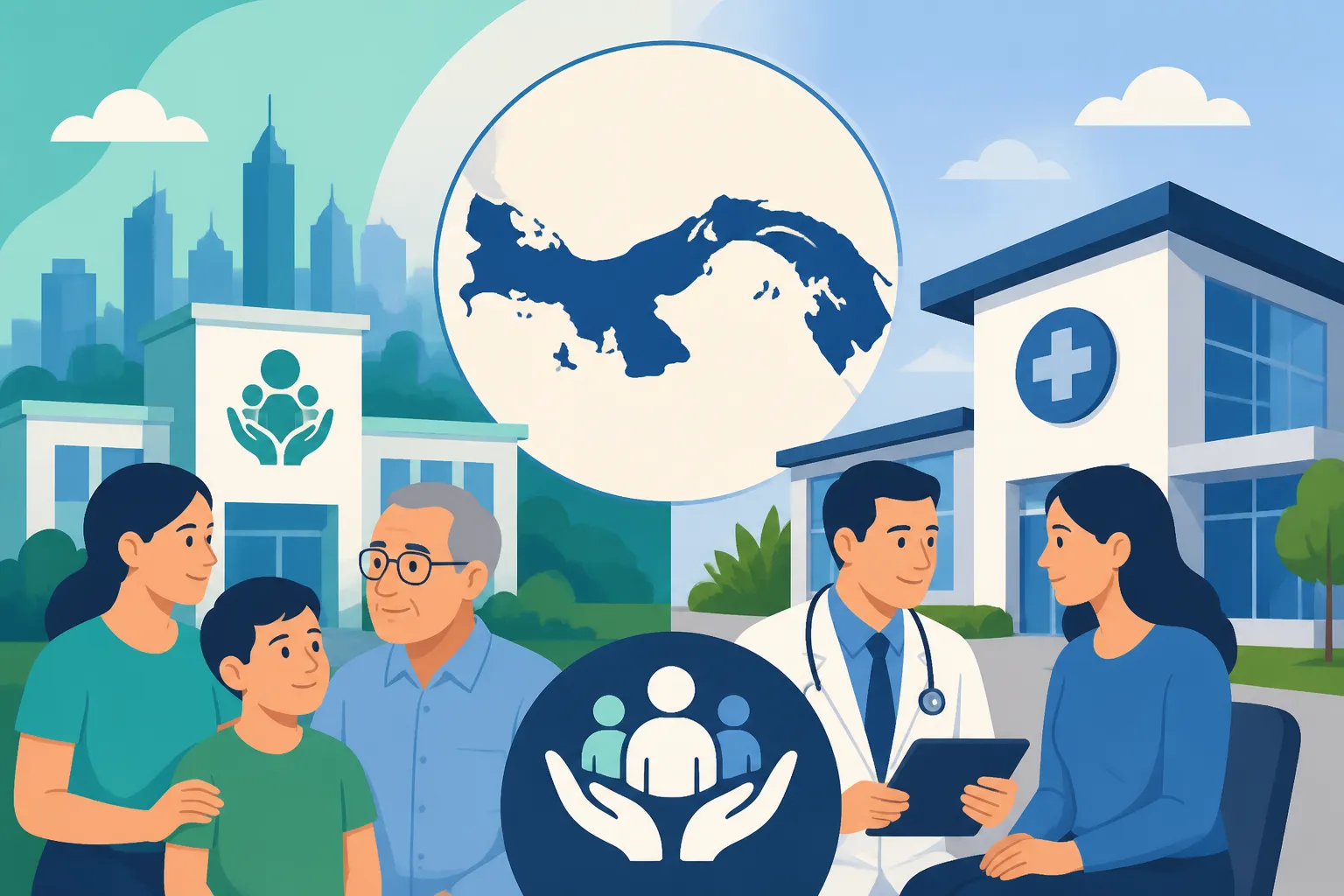
At its core, Panama operates with two distinct healthcare pillars: the public system, primarily managed by the Caja de Seguro Social (CSS), and a robust private sector comprising numerous clinics and hospitals. The CSS is largely funded through mandatory employee and employer contributions, aiming to provide universal healthcare access to contributors and their dependents. On the flip side, the private sector thrives on out-of-pocket payments and private health insurance, offering an alternative that often boasts more modern facilities and quicker access.
It’s crucial to recognize that these aren’t just two different options; they often cater to different needs and expectations. The public system is designed for broad coverage, while the private system offers a more personalized, often faster, experience. As an expat, you might find yourself weighing the cost-effectiveness of the public system against the convenience and perceived quality of private care, depending on your residency status and employment situation.
The Core Challenge for Foreigners
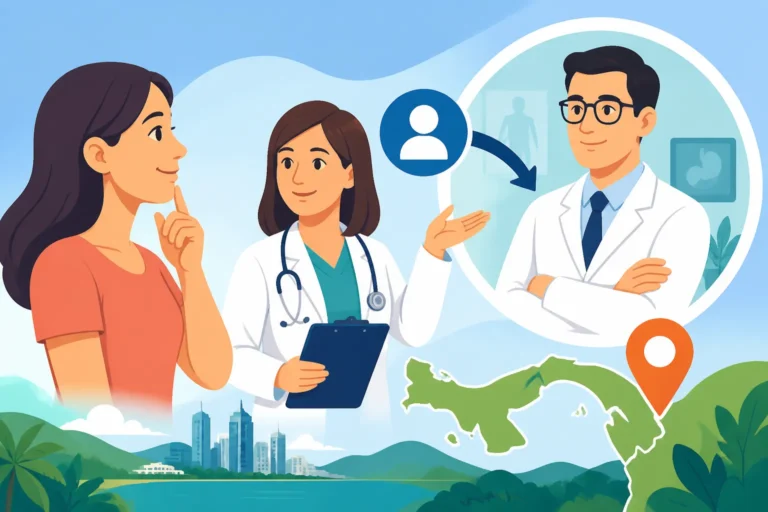
The primary hurdle for many foreigners arriving in Panama is simply deciphering how they fit into this dual system. Are you automatically covered by the CSS? Do you need private insurance right away? What if you're self-employed or retired? These questions are common and valid. Without a clear understanding, you can easily feel lost, especially when facing a medical need for the first time. The bureaucratic processes in Panama, both for public and private healthcare, can be daunting and require patience and often, a good local contact or lawyer.
Furthermore, language barriers can exacerbate the stress. While many private facilities in Panama City have English-speaking staff, venturing into the public system, especially outside the capital, often means navigating in Spanish. This guide aims to break down these complexities, providing realistic expectations and actionable advice, helping you bridge the gap between confusion and confident decision-making in your new home.
Delving into the Caja de Seguro Social (CSS): Panama's Public System
The Caja de Seguro Social (CSS) is the backbone of Panama's public healthcare and social security system. It's a comprehensive, although often bureaucratic, institution that plays a vital role in the lives of most working Panamanians and many expats who are formally employed here. Understanding its structure, benefits, and inherent limitations is essential for anyone living in the country.
What is the CSS and How Does it Function?
The CSS is Panama's social security fund, responsible not only for public healthcare services but also for pensions, disability benefits, and other social welfare programs. When you are formally employed in Panama, a portion of your salary, along with a contribution from your employer, is automatically deducted and paid into the CSS. This makes you and your registered dependents eligible for medical care at CSS facilities, which include hospitals, polyclinics, and health centers throughout the country. It's designed to be a pay-as-you-go system, meaning your contributions ensure you have access to care without additional fees at the point of service for most treatments.
The system is extensive, encompassing a wide range of services from primary care consultations to specialized surgeries, maternity care, and prescription medications. The idea is sound: provide accessible healthcare to all contributors. However, the practical application often presents challenges, particularly in terms of infrastructure and resource allocation, which can lead to varying levels of service quality depending on the specific facility and its location.
Services and Facilities Under the CSS Umbrella
The CSS operates a network of healthcare facilities, from small clinics in rural areas to large hospitals in major cities like Panama City, David, and Santiago. These facilities aim to cover general medical consultations, basic laboratory tests, X-rays, minor procedures, hospitalizations, and even some specialized treatments. For example, if you register with the CSS, you would typically start by visiting your assigned polyclinic for general check-ups or initial symptoms. From there, if necessary, you'd be referred to a specialist or a larger CSS hospital for more complex care.
Prescription medications provided through CSS pharmacies are also generally covered, which can be a significant cost-saver compared to purchasing them privately. However, the availability of specific drugs can sometimes be an issue, leading patients to seek them from private pharmacies if time is of the essence. It's a system that truly shines in its breadth of coverage for basic and essential services. You can learn more about how to register with the CSS (Caja de Seguro Social) in Panama to understand the initial steps.
The Realities and Hurdles of Relying Solely on CSS for Expats
While the CSS offers a critical safety net, relying solely on it can be challenging for expats. The biggest frustrations often revolve around wait times. Appointments for specialists can take weeks or even months, and even routine visits to a polyclinic can involve long queues. Facilities, while functional, might not always be as modern or well-maintained as their private counterparts, and equipment can sometimes be outdated. This is a common point of contention for many, and frankly, it's a valid frustration when you're used to more immediate care.
Another significant hurdle is the administrative process. Getting your CSS card, registering dependents, and navigating referrals can be a bureaucratic odyssey, requiring multiple visits, specific documents, and a good deal of patience. Language can also be a barrier, as English-speaking staff are rare, especially outside of Panama City. For these reasons, many expats, even those contributing to the CSS, often choose to supplement their public coverage with private insurance, creating a hybrid approach that offers peace of mind and faster access to care when needed. Understanding Health Insurance Contributions Through the CSS in Panama can help you grasp the financial implications fully.
Exploring Panama's Private Healthcare Sector: Clinics and Hospitals
In stark contrast to the public system, Panama's private healthcare sector is vibrant, modern, and often the preferred choice for expats who prioritize convenience, state-of-the-art facilities, and immediate access to care. It's a world away from the CSS, offering a completely different patient experience from the moment you walk through the doors.
The Breadth of Private Medical Care Options
Panama’s private healthcare sector is quite sophisticated, especially in Panama City, which is recognized as a hub for medical tourism in the region. You'll find a wide range of options, from small, independently run clinics and specialist practices to large, multi-specialty hospitals that rival international standards. Prominent private hospitals include Hospital Punta Pacifica, affiliated with Johns Hopkins Medicine International, and Hospital Nacional, both offering comprehensive services. These facilities are often equipped with advanced diagnostic tools, modern operating rooms, and comfortable patient rooms.
Beyond the major hospitals, there are countless private clinics specializing in everything from dental care and dermatology to cardiology and pediatrics. These smaller clinics offer more personalized attention and often quicker appointments, making them ideal for routine check-ups or specific, non-emergency medical needs. For expats, the abundance of choice means you can usually find a doctor or clinic that aligns with your preferences, including those with English-speaking staff. You can read more about how to choose and register with a doctor or clinic in Panama to get started.
Quality, Technology, and Specialist Access in Private Facilities
One of the main draws of private healthcare in Panama is the generally high standard of care, particularly in major hospitals. Doctors are often highly trained, many having received part of their education or training abroad, especially in the United States. The facilities themselves are modern, clean, and equipped with up-to-date technology, offering a level of comfort and efficiency that many expats are accustomed to.
Access to specialists is also significantly easier in the private sector. Instead of waiting weeks or months for a referral through the CSS, you can often book an appointment with a private specialist directly and be seen within a few days, sometimes even the same day for urgent cases. This speed and direct access can be invaluable, especially when dealing with pressing health concerns. Whether you need to find an English-speaking doctor in Panama or access specialist care in Panama, the private system generally offers more direct routes.
The Financial Side: Costs, Private Insurance, and International Options
The convenience and quality of private healthcare come at a cost, however. Consultations with a general practitioner typically range from $30-$60, while specialist visits can be $60-$120 or more, depending on the doctor and clinic. Procedures, diagnostic tests, and hospital stays can quickly add up to hundreds or even thousands of dollars. This is where private health insurance becomes not just a luxury, but often a necessity for expats.
There are various private insurance options available, including local Panamanian plans and international policies. Local plans can be more affordable but might have limitations, while international plans, such as those offered by SafetyWing, provide broader coverage and flexibility, often extending beyond Panama's borders. Many expats choose a plan like SafetyWing for peace of mind, knowing they're covered for unexpected medical emergencies or longer-term health needs, making out-of-pocket costs much more manageable. Understanding Private Health Insurance Plans in Panama is a crucial step for budgeting your healthcare.
A Head-to-Head: CSS vs. Private Clinics – Key Differences for Expats
When considering healthcare in Panama, it really boils down to balancing cost, access, and experience. For expats, the choice between the CSS and private clinics isn't just about public versus private; it's about making a strategic decision based on personal circumstances, budget, and health priorities. Let's break down the key differences that directly impact foreigners.
Accessibility, Wait Times, and Convenience
This is perhaps the most glaring difference and often the deciding factor for expats. The CSS, while providing essential services, is notorious for its long wait times. Trying to get a routine appointment at a polyclinic can mean showing up early in the morning and waiting hours to be seen, or scheduling specialist appointments weeks in advance. This lack of immediate access can be a real headache, especially if you have a non-emergency but urgent health concern.
Private clinics and hospitals, conversely, prioritize efficiency and convenience. Appointments can often be made online or with a quick phone call, and you're typically seen promptly. Many private doctors offer same-day appointments for minor issues, and the waiting rooms are usually far less crowded. For expats who value their time and appreciate a more streamlined process, the private sector is undoubtedly more appealing. This difference is especially noticeable when trying to access specialized care, where private options can save you significant waiting periods.
Standards of Care and Patient Experience
While the CSS aims to provide good medical care, the reality of its underfunding and stretched resources means that the facilities might not always be as modern, clean, or comfortable as private ones. Equipment can be older, and the overall patient experience might feel more impersonal due to the sheer volume of patients. Communication can also be an issue, as English-speaking staff are less common.
Private hospitals and clinics, particularly in major cities, offer a superior patient experience. Think modern, clean environments, state-of-the-art equipment, and attentive, often bilingual, staff. The comfort level is generally higher, and there's a greater emphasis on customer service. Doctors in the private sector often have more time to spend with each patient, leading to a more thorough consultation. This level of care and comfort often justifies the higher cost for many expats. You can see a clearer picture in a detailed comparison of Public vs Private Healthcare in Panama: What Expats Need to Know.
Managing Costs: Public Contributions vs. Private Premiums
The financial aspect is where the two systems diverge most dramatically. If you're formally employed in Panama, you and your employer contribute to the CSS, making your use of public health services essentially "free" at the point of care (beyond your contributions). This can be a huge benefit for those on a tighter budget, covering everything from doctor visits to surgeries and medications.
However, if you're self-employed, retired, or not formally contributing to the CSS, you'll need to pay out-of-pocket for private care or invest in private health insurance. As mentioned earlier, even basic consultations can add up, and serious medical events can incur substantial bills. Private health insurance, whether a local plan or an international provider like SafetyWing, converts these potentially massive costs into predictable monthly or annual premiums, offering financial security. This table summarizes the main distinctions:
| Feature | Caja de Seguro Social (CSS) | Private Clinics/Hospitals |
|---|---|---|
| Funding Source | Mandatory employer/employee contributions | Out-of-pocket payments, private health insurance |
| Cost at Point of Care | Minimal to none (covered by contributions) | Significant (e.g., $30-$120 per consultation) |
| Wait Times | Often long for appointments and procedures | Generally short, often same-day appointments available |
| Facilities | Functional, can be older; varying levels of modernity | Modern, well-maintained, state-of-the-art in major cities |
| Staff Language | Predominantly Spanish | Often bilingual (Spanish/English), especially in major cities |
| Access to Specialists | Requires referrals, can have long waits | Direct access, quicker appointments |
| Medication Cost | Usually covered at CSS pharmacies (if available) | Paid out-of-pocket or via private insurance |
| Ideal For | Basic care for employed residents, those on a budget | Immediate access, specialist care, higher comfort, insured expats |
Crafting Your Healthcare Strategy: Blending Public and Private
For many expats, the most practical and reassuring approach to healthcare in Panama isn't to choose one system over the other, but to strategically blend both. This hybrid model allows you to leverage the strengths of each while mitigating their weaknesses, ensuring you're prepared for most medical eventualities.
The "Hybrid" Approach: Making Both Systems Work for You
Imagine this scenario: you're working in Panama, contributing to the CSS through your employment. This means you have access to public healthcare, which is fantastic for routine illnesses, general check-ups, and even major surgeries if you're prepared for potential wait times and the public hospital environment. However, you also have a niggling concern about a specialized area, or perhaps you simply want the peace of mind of quicker access and more comfortable surroundings. This is where the hybrid approach shines.
You might use your CSS coverage for things like generic prescriptions, certain vaccinations, or basic primary care when convenience isn't paramount. But for something like a dental emergency, an eye exam, or a quick consultation with a particular specialist, you might opt for a private clinic. This way, you're not paying entirely out of pocket for everything, but you also aren't solely at the mercy of the public system's limitations. It’s about being smart and proactive with your health management. Thinking about how Panama's Health System Works: CSS and Private Care Explained provides more context on this integration.
When to Opt for Private Care, Even with CSS Coverage
Even if you're fully covered by the CSS, there are compelling reasons to choose private care in certain situations. First and foremost is the issue of time and convenience. If you need to see a specialist quickly, or if your schedule doesn't allow for long waits at a CSS polyclinic, a private doctor can see you much sooner. This is especially true for conditions that, while not life-threatening, can significantly impact your quality of life, such as persistent pain or a developing skin condition.
Secondly, specialized needs often lean towards private care. While the CSS has specialists, the waitlists can be extensive. For example, if you need a specific type of surgery or highly specialized diagnostic testing, private hospitals often have more advanced equipment and immediate availability. Lastly, comfort and privacy are significant factors. Private hospital rooms offer more amenities and a quieter environment, which can be crucial for recovery. For many expats, particularly those coming from countries with high healthcare standards, these aspects are worth the additional cost or insurance premium.
The Role of International Health Insurance and Travel Coverage
For those who are self-employed, retired, or simply want the best possible coverage, international health insurance is almost a non-negotiable part of the hybrid strategy. Companies like SafetyWing offer flexible and comprehensive international health insurance plans designed for nomads and expats, which can be invaluable in Panama. Having such a policy means you can confidently access the private sector for almost any medical need without worrying about exorbitant out-of-pocket expenses.
An international plan provides not just financial coverage but also peace of mind. It means you can choose your doctor, clinic, or hospital, often without a referral, and receive care quickly. This is especially important for emergency medical care in Panama, where quick access to quality private facilities can make a significant difference. Furthermore, many international policies, like SafetyWing's, include travel medical benefits, ensuring you're covered not just within Panama but also if you travel to other countries. This holistic approach to coverage truly completes your healthcare strategy, making your life as an expat much smoother.
Practical Scenarios: Navigating Specific Medical Needs
When you're settling into a new country, it's not enough to know the theory of the healthcare system; you need to understand how it applies to real-life situations. From sudden emergencies to ongoing specialist care, knowing which door to knock on can save you time, money, and a lot of stress.
Emergency Situations: Where to Go and What to Expect
Let's talk about emergencies. This is one area where knowing your options is critical. If you experience a severe accident or sudden, life-threatening illness in Panama City, your best bet is almost always a private hospital emergency room, such as those at Hospital Punta Pacifica, Hospital Nacional, or Centro Médico Paitilla. These facilities are generally well-equipped, staffed with experienced doctors, and can provide immediate, high-level care. While the public Santo Tomás Hospital also has a large emergency department, it can be overwhelmed and wait times can be extensive, especially for non-critical cases.
Outside of Panama City, in larger towns like David or Boquete, you might find decent regional CSS hospitals, but private clinic emergency services will still often offer faster and more comfortable care. Always remember that for private emergency services, you'll be asked for payment or proof of insurance upfront, so having your insurance information, like your SafetyWing policy details, readily accessible is vital. If you don't have private insurance, prepare to pay out-of-pocket, as costs for emergency room visits and treatments can quickly escalate. Understanding Emergency Medical Care in Panama: What Every Expat Needs to Know will give you more specific details.
Specialist Referrals and Follow-Up Care
Getting to see a specialist is another area where the public and private systems diverge significantly. In the CSS, you typically need a referral from a general practitioner at your assigned polyclinic, and then you'll enter a waiting list that can stretch for weeks or months. Follow-up appointments also follow this system, requiring patience and persistence.
In the private sector, the process is much more straightforward. You can usually book an appointment with a specialist directly, often within a few days. Many doctors operate out of specialist clinics or have offices within major private hospitals. The cost of these consultations will vary but expect to pay between $60 and $120. Follow-up care is also easier to schedule and manage privately. For expats with ongoing conditions or those who prefer continuity of care with a specific doctor, the private route is usually the preferred and more efficient option. This is where a robust private insurance plan truly shines. For more in-depth information, consider How Specialist and Hospital Referrals Work in Panama.
Understanding Prescription Medications and Pharmacies
Panama has a well-developed pharmacy system, with a mix of large chains and independent pharmacies. When it comes to prescriptions, there's a notable difference between the CSS and private options. If you get a prescription from a CSS doctor, you can typically fill it at a CSS pharmacy within their facilities for free or at a very low cost. However, the catch is that the specific medication you need might not always be in stock, and you might have to wait for it.
For prescriptions from private doctors, or if a CSS pharmacy doesn't have your medication, you'll head to a private pharmacy. Large chains like El Machertazo, Metrofarmacia, and Farmacias Arrocha are ubiquitous. They generally have a good stock of both local and international brands, and many medications that require a prescription in other countries are available over the counter here. While some medications can be quite affordable, others, especially imported or specialized drugs, can be expensive. Your private health insurance may cover a portion of these costs. Knowing your options for Prescription Medications and Pharmacies in Panama: The Complete Guide is essential for managing your health.
Disclaimer
Please note that the information provided in this guide is for general informational purposes only and does not constitute medical, legal, or financial advice. Healthcare systems, regulations, and costs in Panama can change. While we strive to provide accurate and up-to-date information, it is always recommended to consult with local healthcare professionals, immigration lawyers, and insurance providers for personalized advice based on your specific circumstances.