How Do I Set Up Air Conditioning for My Panama Apartment?
Oh, the sweet, sweet relief of air conditioning in Panama! If you're anything like me when I first moved here, you quickly realize it's not a luxury; it's an absolute necessity. The relentless humidity and heat can really take a toll, especially when you're trying to sleep or simply exist comfortably in your own home. Trying to figure out how to get that cool breeze blowing in your new apartment can feel like a whole quest in itself, from understanding local systems to finding reliable installers. This guide is here to walk you through everything you need to know about setting up and maintaining air conditioning in your Panamanian apartment, sparing you some of the headaches I certainly endured.
Why Air Conditioning is Non-Negotiable in Panama
Let’s be honest, for many of us, especially those coming from more temperate climates, the thought of needing air conditioning 24/7 feels a bit extravagant. But trust me when I say, in Panama, it’s a different ballgame entirely. The climate here is tropical, which means consistent high temperatures and even higher humidity levels pretty much all year round. This isn't just about comfort; it's about health and preserving your belongings.
The Relentless Tropical Climate
Panama is nestled comfortably close to the equator, which gifts us with glorious sunshine and lush greenery, but also a persistent warmth that rarely dips below 25°C (77°F), even at night. Add to that humidity that often hovers around 80-90%, and you’ve got a recipe for constant stickiness, restless nights, and an environment where mold can truly thrive. It’s a reality many of us foreigners have had to adjust to, and for me, that adjustment began with accepting that my good old ceiling fan just wasn't going to cut it. My initial efforts to brave the heat led to countless sleepless nights, waking up drenched, and a general feeling of lethargy during the day.
Beyond personal comfort, the high humidity can wreak havoc on your electronics, furniture, and even clothes. Things that might never mold in your home country can quickly develop mildew here if not properly cared for or kept in a climate-controlled environment. It's not uncommon to find leather goods or wooden furniture showing signs of damage from the moisture. This is why a good AC system isn't just about keeping cool; it's about creating a healthy living space and protecting your investments.
Impact on Comfort and Well-being
Living in a constantly hot and humid environment can seriously impact your quality of life. Dehydration, heat exhaustion, and skin issues become more prevalent without a cool respite. Mentally, the constant discomfort can be draining, affecting your sleep, concentration, and overall mood. Imagine trying to focus on work or enjoy a relaxing evening when you’re constantly sweating and sticking to everything. It’s not exactly the serene expat life we all dream of.
For families with young children or individuals with certain health conditions, reliable air conditioning isn't just a comfort, it's a critical health consideration. Babies and the elderly are particularly vulnerable to heat-related illnesses. Ensuring your apartment has a functional and efficient AC system is a proactive step towards maintaining a comfortable and healthy home environment for everyone living under your roof. From my own experience, the moment I truly understood the necessity was after a particularly bad apagón (power outage) during which our AC was out for hours – that’s when the reality of Panama’s heat truly hit home!
Understanding Air Conditioning Systems in Panamanian Apartments
When you're looking for an apartment in Panama, you'll quickly notice a variety of AC setups. Some places come fully equipped, others might have older units, and some, particularly in older buildings or more rustic areas, might not have anything at all. Knowing the common types can help you make an informed decision when renting or buying.
Common Types of AC Units
The vast majority of apartments in Panama, especially newer constructions in cities like Panama City, will have split unit air conditioners. These are by far the most popular choice here. They consist of an indoor unit, which blows the cool air into your room, and an outdoor compressor unit, usually mounted on a balcony or exterior wall. They are efficient for cooling individual rooms and are relatively quiet indoors. Most modern apartments will have a split unit in each bedroom and sometimes one larger unit in the living area.
Less common, but still seen, are window units. These are single, self-contained units that are installed directly into a window opening. While they are generally less efficient and noisier than split units, they are also cheaper to purchase and easier to install. You might find these in older buildings or smaller apartments where a split unit installation might be more complex or costly. Finally, central air conditioning is rare in individual apartments. It's typically found in larger, high-end houses or sometimes entire apartment buildings, providing cooling through a network of ducts to all rooms from a single central unit. If you encounter an apartment with central AC, consider it a premium feature.
Here's a quick comparison:
| AC Type | Pros | Cons | Typical Use in Panama |
|---|---|---|---|
| Split Unit | Quiet, efficient, aesthetic, targeted cooling | Higher installation cost, professional install required | Most modern apartments, individual rooms |
| Window Unit | Cheaper, easier self-install, portable | Noisy, less efficient, takes up window space | Older apartments, budget-friendly options |
| Central Air | Uniform cooling, discreet | Very high initial cost, high energy consumption, complex maintenance | Large homes, luxury properties, entire buildings (rare for single apts) |
What to Expect in Rental Apartments
When you're searching for your new home, understanding what's included and what's not is crucial. Many rental apartments, especially in popular expat areas like El Cangrejo or Costa del Este, come with existing AC units. It's common for landlords to provide split units in the bedrooms and often in the main living area. However, the age and condition of these units can vary wildly.
Before signing any lease, always, always inspect the AC units thoroughly. Turn them on, listen for strange noises, check if they cool effectively, and ask about their maintenance history. A landlord is usually responsible for major repairs and routine servicing if the unit was part of the apartment when you moved in. Make sure this is clearly stipulated in your rental contract. You don't want to be stuck with a broken unit in the middle of a Panamanian summer (which is, well, all year). If you're coordinating your move with a service like Sirelo, make sure to factor in time for these kinds of inspections, as getting settled comfortably is about more than just moving boxes.
If an apartment doesn't have AC, or only has it in some rooms, you'll need to discuss installation options with your landlord. Some landlords are open to you installing new units at your own expense, while others might prefer to handle it themselves or restrict modifications. Always get any agreements in writing before proceeding.
Setting Up and Maintaining Your Apartment's AC
So, you've found your apartment, and now it's time to get that blessed cool air flowing. Whether you're inheriting existing units or need to install new ones, there's a process involved that’s good to understand.
Installation and Initial Setup
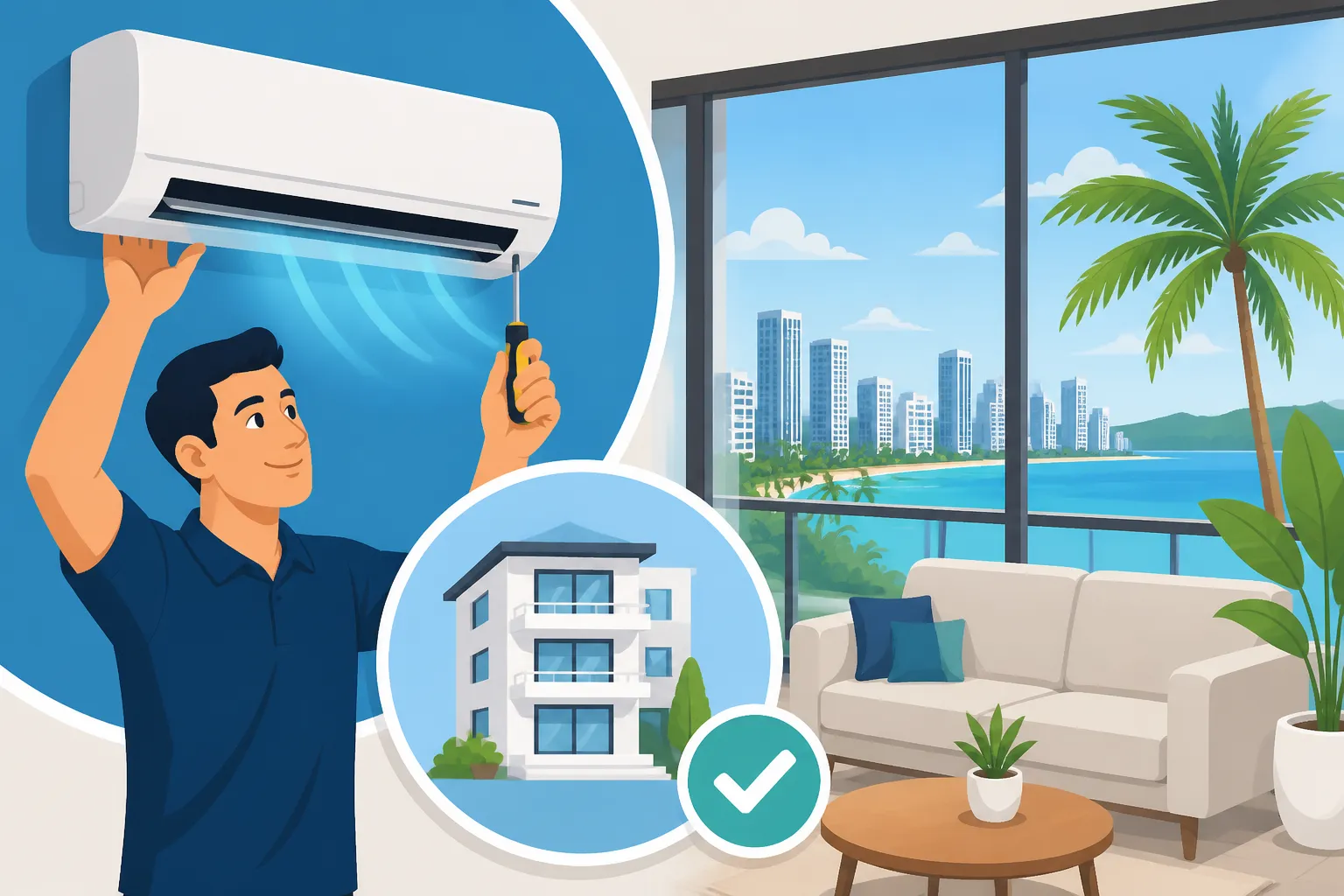
If your apartment doesn't come with AC, or if the existing units are beyond repair, you'll be looking at installation. For split units, this is not a DIY job. You'll need professional installers who understand the electrical requirements and how to properly mount the indoor and outdoor units, connect the refrigerant lines, and ensure proper drainage. A typical installation for a new split unit can take a few hours per unit, depending on the complexity. You can find reputable installers through recommendations from other expats, your real estate agent, or local hardware stores.
Always get multiple quotes for installation. Prices can vary, and it's good to understand what's included (unit cost, installation labor, materials). Make sure the company provides a warranty on their work and the unit itself. It’s also wise to inquire about regular maintenance plans right from the start.
Once installed, the initial setup is usually straightforward. The technicians will test the unit, show you how to use the remote, and explain basic functions. Don’t hesitate to ask questions, especially about optimal temperature settings for energy efficiency and dehumidification. This is also a good time to consider the overall energy consumption impact on your electricity bill. You might be interested in learning more about How Much Does Electricity Cost per Month in Panama? to budget effectively.
Essential Maintenance and Troubleshooting
Regular maintenance is absolutely critical for AC units in Panama's climate. Due to the high humidity, units work harder and are more prone to developing mold and accumulating dust and grime. If you neglect maintenance, you'll quickly notice a drop in efficiency, strange odors, and eventually, costly breakdowns.
Here’s what you should do:
- Regular Cleaning: At least once every 3-6 months, you should have your AC units professionally cleaned. This "mantenimiento" involves cleaning the filters, coils (both indoor and outdoor), and ensuring the drainage lines are clear. Blocked drainage lines are a common culprit for water leaks inside your apartment.
- Filter Checks: You can (and should) clean the air filters yourself every month or two. Most split units have easily removable, washable filters. Just rinse them with water, let them dry completely, and put them back. This improves air quality and unit efficiency.
- Monitor Performance: Pay attention to how your unit is performing. Is it cooling as effectively as before? Are there any unusual noises? Is there an unpleasant smell (often a sign of mold)? Addressing small issues early can prevent them from becoming major problems.
Common troubleshooting issues include:
- Unit not cooling: Check if the remote is on the correct setting (cool mode, not fan only). Ensure the outdoor unit is clear of obstructions. The unit might need more refrigerant (gas), which requires a professional.
- Water leaking: Often due to a clogged drain line. A professional clean usually resolves this.
- Strange noises: Could be anything from a loose fan blade to a failing compressor. Best to call a technician.
Having a reliable contact for AC repair is invaluable. Ask for recommendations from your building administrator or neighbors. When communicating with technicians, especially if there's a language barrier, try to use simple terms or have a friend help translate. You might even find that having instant internet access through an eSIM from a provider like Airalo is helpful for quickly translating terms or showing pictures of the problem.
Dealing with Humidity Without Over-Cooling
One of the biggest challenges in Panama is managing humidity without turning your apartment into an icebox and racking up a huge electricity bill. Most modern AC units have a "dry" or "dehumidify" mode, which is fantastic for this climate. This mode helps remove moisture from the air without significantly lowering the temperature, making the air feel much cooler and more comfortable even at a higher temperature setting (like 25-26°C or 77-79°F).
Investing in a standalone dehumidifier for specific areas, like a walk-in closet or a storage room, can also be a smart move, especially if you're battling persistent dampness. Remember, the goal isn't just to be cold, but to be dry and comfortable. A good AC system, combined with smart usage and regular maintenance, will help you deal with How Do I Deal with the Humidity in My Panama Home? effectively.
Cost Considerations and Energy Efficiency
Living comfortably in Panama involves understanding the costs associated with cooling your home. Air conditioning can be a significant portion of your monthly utility bills, so being smart about it pays off.
Understanding Electricity Consumption
Electricity costs in Panama can be higher than what some expats are accustomed to, especially if you're running multiple AC units constantly. The tariffs are tiered, meaning the more electricity you consume, the higher the rate you pay per kilowatt-hour. This progressive pricing model makes energy efficiency even more important.
Consider the SEF mode or "dry" mode on your AC units, as mentioned before, as it consumes less energy than full cooling mode while still significantly improving comfort by removing humidity. Also, think about setting your thermostats a little higher. Even a couple of degrees difference can result in substantial savings over time. Keeping your windows and doors closed when the AC is on is a no-brainer, but it’s surprising how often this simple rule is forgotten. Make sure your apartment is well-sealed; gaps around doors or windows can let in a lot of hot, humid air, making your AC work much harder.
Here's a breakdown of factors affecting your electricity bill:
- Number of AC units: More units running mean higher consumption.
- Unit efficiency (SEER rating): Newer, more efficient units (often inverter models) consume less power.
- Temperature setting: Lower temperatures require more energy.
- Usage duration: How many hours per day is your AC running?
- Maintenance: A dirty, poorly maintained unit works harder and uses more electricity.
Budgeting for AC Costs
When you're figuring out your The Complete Guide to Cost of Living in Panama for Expats (2026), don’t underestimate the portion that will go towards electricity, mainly for AC. A typical 2-bedroom apartment running AC for a significant portion of the day could see electricity bills ranging from $100 to $300 or more per month, depending on usage habits, unit efficiency, and the size of the apartment.
Beyond the monthly electricity, factor in the costs of:
- Installation: If you need new units, this can range from $500 to $1000+ per unit, not including the unit cost itself (which can be $400-$1000+ for a good split unit).
- Regular Maintenance: Budget around $40-$80 per unit for professional cleaning every 3-6 months.
- Repairs: Unexpected repairs can be costly, so having a small emergency fund set aside for home maintenance is always a good idea. For example, a refrigerant refill might cost $80-$150, while a major compressor replacement could be several hundred dollars.
When evaluating apartments, especially when asking How Much Does It Cost to Rent an Apartment in Panama City in 2026?, always ask about the average electricity bill. Landlords usually have a good idea, and it helps you manage your expectations. Some landlords include utilities in the rent, which simplifies budgeting but often means they factor in a higher usage rate.
For those just starting their move to Panama, figuring out all these nuances can feel overwhelming. Services like Sirelo can assist with the logistics of your move, ensuring your belongings arrive safely, giving you one less thing to worry about so you can focus on getting that AC sorted! And having a local SIM or an eSIM from Airalo already activated when you land is invaluable for coordinating with technicians or even just checking current weather conditions. Being prepared makes a world of difference.
Conclusion
Getting your air conditioning sorted in your Panama apartment is more than just a convenience; it’s a foundational step to comfortable expat living here. From understanding the different types of units to knowing the importance of regular maintenance and budgeting for electricity, being informed will save you headaches and money in the long run. Don't underestimate the Panamanian heat and humidity – embrace the cool, and your body and your home will thank you for it.
Disclaimer
Please remember that I am an expat blogger sharing my personal experiences and research. While I strive to provide accurate and up-to-date information, local regulations, prices, and available services can change. It is always recommended to consult with local professionals, such as real estate agents, legal advisors, and qualified technicians, for specific advice tailored to your situation.