Understanding the Work Rights of Different Residency Types in Panama
One of the trickiest parts of setting up your life as an expat in Panama, beyond navigating the sun-drenched streets of Panama City or the misty mountains of Boquete, is figuring out your work rights. It’s a maze, honestly, and many foreign residents find themselves utterly confused, believing their shiny new residency card automatically grants them permission to work. This guide is here to untangle that confusion, laying out exactly which residency types allow you to earn a living in Panama, and which require a whole separate battle with bureaucracy.
The Foundation: Panama's Stance on Foreign Workers
Before we dive into the nitty-gritty of specific visas, it's vital to understand the underlying philosophy that governs foreign employment in Panama. The country, like many nations, prioritizes its own citizens in the job market, and this principle heavily influences how work permits and residency are granted. You’ll hear a lot about "Panamanianization," and it's not just a buzzword; it's the core of their labor policies.
The 'Panamanianization' Policy and What It Means for You
Panama's labor code is designed to protect Panamanian workers, ensuring they are given preference for jobs whenever possible. This policy, often referred to as "Panamanianization," essentially sets limits on the number of foreign employees a company can hire. For most businesses, this quota is typically 10% of their ordinary workforce and up to 15% for specialized or technical personnel. What this means for you, as an aspiring expat worker, is that a Panamanian employer must often jump through hoops to prove that they need to hire a foreigner because a qualified Panamanian citizen isn't available for the role.
Imagine you're a talented graphic designer from Canada, eager to work for a local ad agency in Panama City. While your skills might be top-notch, the agency first has to demonstrate to the Ministry of Labor that they couldn't find a Panamanian designer with comparable skills or that your specific expertise is somehow indispensable and not easily found locally. This isn't always an easy task for them, which makes securing a job offer that includes sponsorship for a work permit a significant hurdle. It's a system designed to encourage local employment, and while understandable, it can certainly feel frustrating when you're on the other side of it, just trying to make a living.
The Crucial Distinction: Visa vs. Work Permit vs. Residency
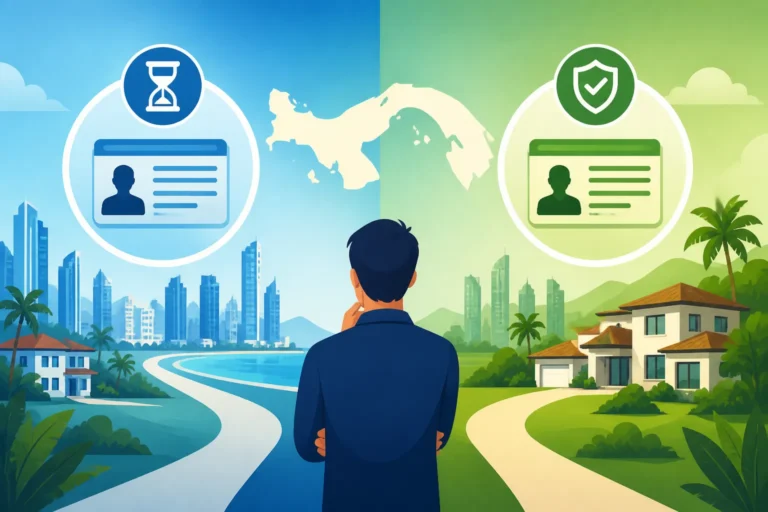
Here's where many new arrivals get tripped up, and this is a common stumbling point. You might arrive in Panama, successfully obtain a residency visa, and think you're all set to start applying for jobs. But that's often not the case at all. A visa grants you permission to enter the country. Residency allows you to live here for an extended period, sometimes permanently. But a work permit is the separate, distinct document that specifically authorizes you to work and earn income within Panama.
Think of it like this: your residency card (your cédula) is your right to live here, to open a bank account, to access services, and generally integrate into society. However, it doesn't automatically grant you the right to be employed or to operate a business that generates Panama-sourced income. For most residency categories, you'll need to apply for a separate work permit through the Ministry of Labor, which comes with its own set of requirements, fees, and often, lengthy processing times. This separation of "the right to live" from "the right to work" is a fundamental concept in Panamanian immigration law that every expat must understand from day one to avoid legal troubles. It’s a common pitfall, and one that requires careful planning, often with the help of a good Panamanian lawyer, before you even begin to think about your move to Panama. You need to understand how your specific visa type will interact with the labor laws.
Residency Types That Grant Direct Work Rights
While many residency categories require a separate work permit application, there are a select few that either inherently include work authorization or provide a streamlined path to it. These are often the most sought-after routes for expats intending to be actively employed in Panama.
The Friendly Nations Visa and Its Evolution
The Friendly Nations Visa has been a cornerstone for many expats seeking to live and work in Panama, and for good reason. It used to be relatively straightforward: if you were a citizen of one of the 50 designated "friendly nations," you could apply for permanent residency and, crucially, gain a path to a work permit. However, the landscape of this visa has evolved significantly. As of recent changes, the process isn't as simple as it once was; you now typically need a legitimate job offer from a Panamanian company or a demonstrable investment in a Panamanian corporation to even apply for the residency itself. This new requirement means that the work authorization is more directly tied to your entry into the country through employment or business creation.
Once you secure the Friendly Nations Visa and then successfully navigate the work permit process, you'll be able to work legally in Panama for the sponsoring employer or your own business. It's a conditional path, of course, requiring proof of economic activity. The type of jobs that typically qualify for this visa are often in specific industries that Panama aims to develop, such as technology, logistics, and tourism, or roles in multinational corporations established here. It’s still a viable route for many, but the key now is to have that employment or investment plan solidified before you even start the residency application, unlike in previous years where finding a job could come after obtaining the visa. This evolution is one of those changes that keeps us expats on our toes!
Professional Rerouting: Qualified Professional Visas
For those with specific professional qualifications, Panama offers a different pathway through what are generally known as Qualified Professional Visas. These are geared towards individuals whose skills are deemed essential and in demand within the country, addressing shortages in particular fields. Historically, this has included professions like doctors, engineers, and certain technical specialists. However, it's not a free-for-all. To qualify, your foreign degree or professional license generally needs to be recognized and validated by the relevant Panamanian authorities, which can be an incredibly rigorous and time-consuming process. The Medical Council, the Technical Board of Engineering, or other collegios must approve your credentials.
The beauty of these visas is that once you obtain one, the work authorization is often inherent or much easier to acquire, as the government has already acknowledged the need for your expertise. However, the challenge lies in the validation itself. It’s not just about showing your diploma; it involves ensuring your curriculum meets Panamanian standards, submitting reams of authenticated documents, and sometimes even taking local exams. For example, if you're a foreign-trained physician, you would likely need to have your degree recognized by the University of Panama and then register with the Panamanian Medical Association. This can be a multi-year endeavor, and many expats find the administrative hurdles here to be among the most formidable. It’s a route for the determined, and those who have successfully navigated it often emphasize the critical importance of patience and excellent legal counsel. You can learn more about this process by reading about How to Get Your Foreign Qualification Recognised in Panama.
Investment and Business Visas
Panama is a hub for business and investment, and naturally, there are residency options tied to these activities that can also grant work rights. These visas are designed to attract foreign capital and entrepreneurial spirit, encouraging job creation and economic growth within the country. One common route is through direct investment in a Panamanian company. If you establish a corporation in Panama and hire Panamanian employees, you, as the owner or a key executive, can often secure residency and a work permit to manage your business. This aligns perfectly with the country's economic development goals, as you're not just moving here, but actively contributing to the local economy.
Another option is the "Self-Economic Solvency Visa," which, while not strictly a business visa, allows you to reside in Panama if you demonstrate substantial economic solvency (e.g., through a high-value bank deposit or real estate investment). While this visa primarily grants residency, it typically allows the applicant to live in Panama based on their wealth, and then, if they choose to engage in business, they would still need to follow the proper steps for a work permit for their active business operations. Similarly, the Qualified Investor (Golden Visa) Programme allows individuals to gain residency through significant investments in real estate, Panamanian stock market, or fixed-term deposits. The critical distinction here is that while the Qualified Investor visa grants you residency, it does not automatically grant you the right to work for another company in Panama. If you want to work, especially for someone else, you'd likely still need to apply for a separate work permit under the general labor laws, which can be challenging due to the quotas. However, if your investment is in your own company where you are a director or manager, your residency often facilitates the process of obtaining the necessary work permits for yourself within that company. It’s a nuanced area, and understanding these subtle differences is crucial for any aspiring business owner or investor.
Residency Types That Require an Additional Work Permit
For a significant number of expats, obtaining residency in Panama doesn't automatically mean the freedom to work. In fact, many popular residency types are specifically not designed for employment and require an entirely separate, often challenging, application process for a work permit. This is where many newcomers face their biggest bureaucratic hurdles.
The Pensionado Visa: A Gateway to Retirement, Not Employment
The Pensionado Visa, or the "Retired Persons Visa," is one of Panama's most attractive and well-known residency programs, drawing countless retirees from around the globe to its warm climate and affordable living. With its generous benefits, including discounts on everything from medical services to entertainment, it’s a fantastic option for those seeking a tranquil retirement. However, it's absolutely crucial to understand its primary limitation: it is unequivocally not designed for working. The Pensionado Visa is predicated on the idea that you have a stable, lifelong pension or annuity from abroad that allows you to live comfortably without needing to enter the Panamanian labor market.
Many expats arrive with this visa, assuming it opens all doors, only to discover that actively seeking employment in Panama is generally disallowed. If you hold a Pensionado Visa and decide you want to work, even part-time, you would typically need to apply for a separate work permit under one of the other categories, subject to all the same quotas and requirements as any other foreign worker. This can be a tough pill to swallow for those who thought they might supplement their pension with some local work. There are very few, highly specific exceptions, such as undertaking purely volunteer work with no compensation, or engaging in passive investments that generate income without active labor. But for anything resembling a conventional job, the Pensionado Visa is explicitly a non-working visa. Many retirees are caught off guard by this, expecting to pick up a casual job, only to find themselves in a legal grey area. It's a hard truth, but an important one to grasp when considering The Expat Guide to the Pensionado (Retiree) Visa in Panama (2027).
Dependent Residency: Work Restrictions for Spouses and Children
Bringing your loved ones with you to Panama is a common goal for expats, and Panama offers various avenues for dependent residency. Whether you’re sponsoring a spouse, children, or even parents, these visas allow your family to reside legally in the country based on your primary residency status. However, like the Pensionado Visa, dependent residency generally does not automatically grant the right to work. This is a significant point of confusion and often a source of frustration for expat families.
If your spouse or adult children, living under your dependent residency, wish to work in Panama, they would typically need to apply for their own separate work permit. This process is often as challenging, if not more so, than for a primary applicant. They would need a job offer from a Panamanian company willing to navigate the extensive documentation, prove that no Panamanian is available for the role, and adhere to the foreign worker quotas. This can be especially difficult for spouses who arrive with professional qualifications but find that companies are reluctant to sponsor work permits for dependents when local talent is available. It means that while your family can enjoy life in Panama, the expectation is generally that the primary resident (you) is supporting them, or they have independent means. Understanding How to Sponsor Your Spouse and Children for Residency in Panama is crucial, but equally important is understanding the limitations regarding their employment. Planning for family finances in Panama often needs to factor in that only one income stream might be legally viable from local employment, at least initially.
Temporary and Other Residency Categories
Beyond the more common routes, Panama offers a range of temporary and specialized residency categories, each with its own set of rules regarding work. These can include student visas, humanitarian visas, religious visas, and specific professional or technical worker visas tied to a particular project or company for a limited time. For instance, if you secure a How to Get a Student Visa and Study in Panama: The Full Guide, you’ll be authorized to study, but typically not to work. Some student visas might allow for very limited, part-time work or internships that are directly tied to your academic program, but this is usually strictly controlled and not a general authorization for employment.
Similarly, other temporary visas, such as those for missionaries or volunteers, are specifically granted with the understanding that the individual is not entering the Panamanian labor market. Any attempt to engage in remunerated work under these visas without securing a separate, appropriate work permit would be a violation of your immigration status. The key takeaway across all these categories is that if the primary purpose of the visa is not explicitly for employment or business ownership, then it's highly probable that work rights are either completely absent or severely restricted. Always verify the specific rules of your particular visa category with immigration authorities or an attorney.
The Work Permit Application Process: A Separate Beast
Even when a residency path allows for work, the work permit application itself is often a whole separate bureaucratic journey. It's not a mere formality; it's a rigorous process managed by the Ministry of Labor and Labor Development (MITRADEL), designed to ensure that the Panamanian labor market is protected. This phase can be daunting, time-consuming, and frankly, a source of major frustration for both expats and their potential employers.
General Requirements for Obtaining a Work Permit
So, you've got a residency visa that might allow you to work, or you've found an employer willing to sponsor you. Great! Now comes the actual work permit application. The list of required documents is extensive and often requires authentication and apostille from your home country, which can add significant time and cost even before you set foot in Panama. Expect to provide things like police background checks, authenticated copies of your educational diplomas and professional certificates, a detailed job offer letter and contract from your Panamanian employer, medical certificates, multiple passport-sized photos, and a copy of your residency card.
You will absolutely, unequivocally need a Panamanian lawyer to guide you through this. They will manage the submission of documents to both the National Immigration Service (SNM) and the Ministry of Labor. This isn't just about filling out forms; it's about knowing the precise order, the correct legal wording, and anticipating any potential issues that could arise. The costs involved include government fees, lawyer fees, and translation/apostille costs. Processing times can vary wildly, from a few months to well over a year in some cases, leaving many expats in a state of limbo. This is where planning ahead and maybe utilizing services like Sirelo for your move can help coordinate everything to minimize stress during this phase. It's a marathon, not a sprint, and patience is your most valuable asset.
Employer Sponsorship and Quota Challenges
One of the biggest hurdles in obtaining a work permit is the requirement for employer sponsorship and the strict adherence to the aforementioned Panamanianization quotas. As mentioned, a company can generally only hire foreigners for up to 10% of their ordinary workforce and 15% for technical specialists. This isn't just a guideline; it's a legal obligation. For an employer, hiring a foreigner means demonstrating to the Ministry of Labor that a Panamanian national with the necessary skills and qualifications for that specific role is simply not available.
This often involves submitting proof of job advertisements, detailing the recruitment process, and justifying why the expat is the most suitable candidate. It's a significant administrative burden for businesses, which is why many Panamanian companies are hesitant to hire foreigners unless they possess highly specialized skills or fill a very niche role. For you, the expat, this means that your job search should realistically target multinational corporations, international organizations, or companies operating in specialized economic zones (like the Panama Pacifico Special Economic Area or the Colón Free Zone) that have different labor regulations. These entities are often more accustomed to, and equipped for, sponsoring foreign workers. However, even with their experience, the process is still complex and time-consuming. Understanding How a Work Permit and Employer Sponsorship Work in Panama is critical for setting realistic expectations.
Exceptions and Special Cases
While the general rules can seem quite restrictive, there are indeed exceptions and special cases that can simplify or modify the work permit process for certain individuals or within specific industries. For instance, professionals in particular fields that Panama has identified as having a critical shortage might find the process slightly less cumbersome, although the degree validation remains a hurdle. Treaties and agreements between Panama and other nations can also influence work rights; for example, citizens of countries with which Panama has specific professional exchange agreements might have an easier time.
Special economic zones, such as the Panama Pacifico Special Economic Area, are often designed to attract foreign investment and talent, and as such, may offer more lenient work permit regulations for companies operating within their boundaries. Companies located in these zones might have different quotas or a faster processing time for work permits. Additionally, there’s the concept of "expert technicians," where highly specialized foreign professionals whose skills are absolutely essential for a specific project can sometimes bypass strict quotas, provided the company can convincingly prove their indispensability. These exceptions are not broad brushstrokes; they are highly specific and often require a deep understanding of Panamanian labor law, typically handled by experienced legal counsel. If you believe your situation might fall under one of these special categories, it's definitely worth exploring with a qualified attorney.
Navigating the System: Practical Advice for Expats
The journey to working legally in Panama, as you’ve probably gathered, is rarely straightforward. It requires careful planning, a thick skin for bureaucracy, and often, professional guidance. But with the right approach and a realistic outlook, it is absolutely achievable.
The Importance of Legal Counsel
I cannot stress this enough: navigating Panama's immigration and labor laws without competent legal counsel is like trying to sail the Pacific in a rowboat – possible, perhaps, but incredibly risky and fraught with peril. A good Panamanian immigration lawyer isn't just there to fill out forms; they are your guide through a complex, ever-changing system. They will help you understand the specific nuances of your residency type, advise on the most viable work permit options for your situation, and manage the entire application process with the relevant government agencies.
They can anticipate potential roadblocks, explain delays (which are common), and ensure all your documents are correctly authenticated and submitted in the proper sequence. They will act as your advocate, communicating with immigration and labor officials on your behalf, which is invaluable if your Spanish isn't perfect or if you're not physically present in Panama for every step. Trying to cut corners here to save money almost always backfires, leading to delays, rejected applications, or worse, legal issues. Investing in reliable legal expertise from the outset is an investment in your peace of mind and your future in Panama.
Realistic Job Search Strategies
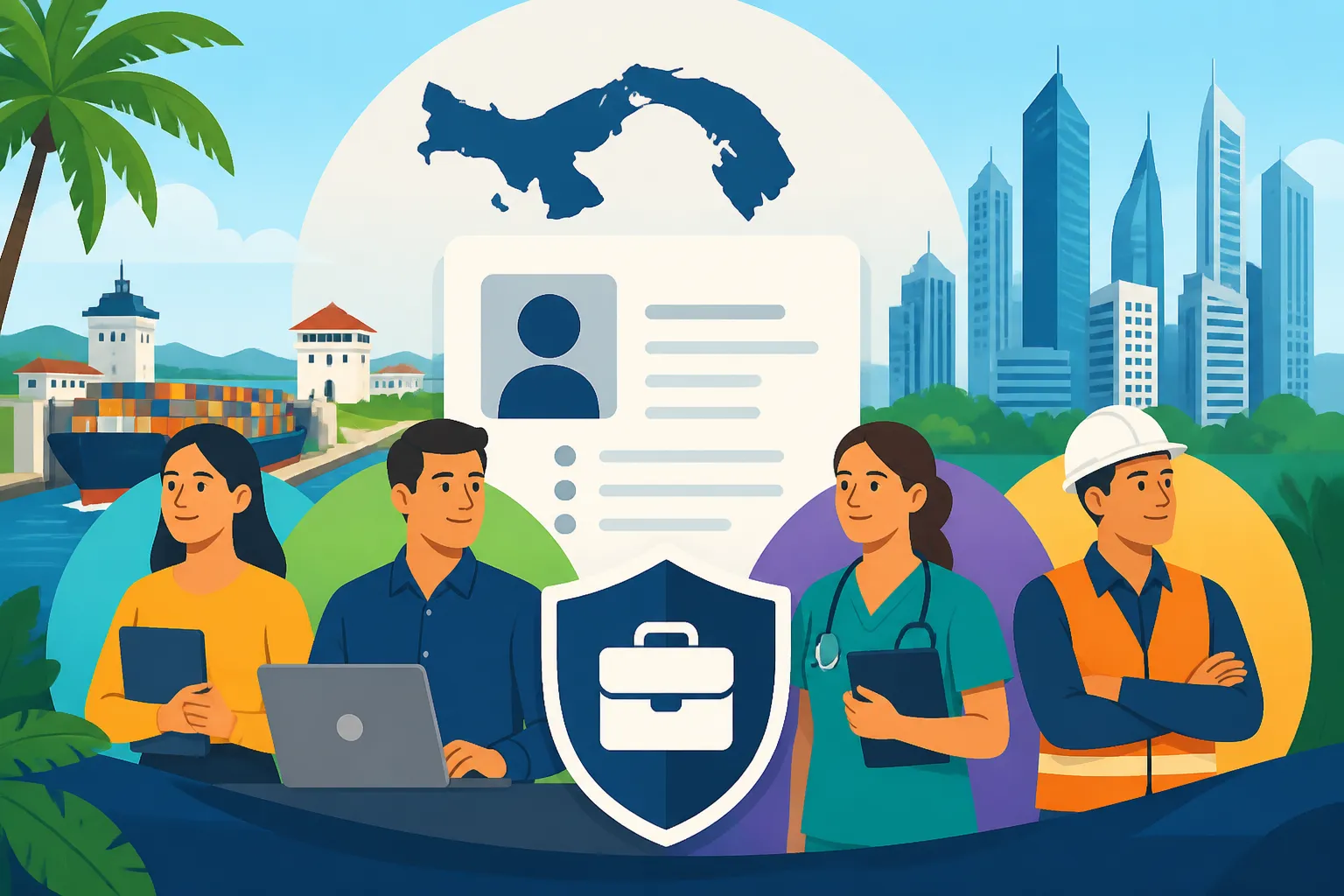
Given the Panamanianization policies and the complexities of work permits, expats need to adopt realistic and strategic approaches to their job search. Simply browsing local job boards and expecting numerous responses might lead to disappointment. Instead, focus your efforts on areas where foreign talent is genuinely sought after or where the regulatory environment is more favorable. This often means looking at multinational corporations with established offices in Panama City, which are more accustomed to sponsoring foreign employees and have the resources to handle the administrative load. The banking, logistics (especially around the Panama Canal), and tourism sectors frequently have roles for expats, particularly those with specialized skills or international experience.
Another increasingly popular route is remote work for a foreign company. If your employer is based outside of Panama and you're earning foreign-sourced income, you typically won't need a Panamanian work permit, as you're not entering the local labor market. This has become a fantastic option for many expats who want to live in Panama but retain their international careers. If you're looking for local employment, leverage your professional network, both expat and local. Attending business events, connecting on LinkedIn, and even reaching out directly to companies you're interested in can be more effective than simply applying online. Remember, finding a job here often requires persistence and a bit of creativity. For more insights, check out The Expat Guide to Finding a Job in Panama (2027) and Working Remotely from Panama: The Definitive Expat Guide (2027).
Understanding Your Obligations and Rights
Once you secure your work permit and start working, your journey isn’t over. It’s crucial to understand your obligations and rights as a foreign worker in Panama. Working illegally, even inadvertently, can lead to severe penalties, including fines, deportation, and a ban from re-entering the country. Always ensure your work permit is current, and renew it well in advance of its expiration date. Any change in employment typically requires a new work permit application or an update to your existing one. This can be particularly relevant for those who plan to switch employers.
Beyond immigration status, familiarize yourself with basic Panamanian labor law. While your employer's human resources department and your lawyer should guide you, knowing your rights regarding working hours, minimum wage, annual leave, and social security contributions will protect you. Panama has specific regulations on Understanding Panamanian Labour Law and Worker Rights (2027), including protections against discrimination. Remember that while your work permit allows you to be employed, it does not exempt you from local labor laws or responsibilities. Ensure you understand how your income will be taxed and what contributions you need to make to the Caja de Seguro Social (CSS), Panama's social security system. Don't forget to consider international health insurance options like Cigna Global to ensure comprehensive coverage, complementing any local provisions. Staying informed and compliant is key to a smooth and successful working life in Panama.
Comparing Work Rights by Residency Type
To help bring all this information together, here's a handy table summarizing the general work rights associated with some of Panama's most common residency types. Please remember that this is a general overview, and individual circumstances, as well as evolving immigration laws, can always introduce specific nuances. Always consult with a qualified Panamanian immigration attorney for personalized advice.
| Residency Type | Primary Purpose | Direct Work Rights Included? | Requires Separate Work Permit? | Key Considerations |
|---|---|---|---|---|
| Friendly Nations Visa | Residency for citizens of specific countries (often with economic ties) | Yes, if based on a valid employment contract or established business | Yes, work permit usually processed concurrently or shortly after residency approval | Evolved to require job offer/business investment upfront. Work permit subject to quotas and Ministry of Labor approval. |
| Pensionado (Retiree) Visa | Retirement for those with stable foreign pension | No | Yes, but highly challenging to obtain (not intended for work) | Explicitly for retirees; not for employment. Any work would require a separate, difficult application, potentially jeopardizing the Pensionado status. |
| Qualified Professional Visa | Residency for professionals in high-demand fields | Yes, after credential validation | Sometimes, but streamlined due to professional qualification | Requires rigorous validation of foreign degrees/licenses by Panamanian authorities. Once validated, work permit is often more accessible, potentially bypassing some quotas for the specific profession. |
| Investment/Business Visas (e.g., Qualified Investor, Investor in Panamanian Company) | Residency via significant investment or business establishment | Yes, for owner/key executive of own company | Work permit often granted to the investor/owner to manage their investment/business; typically not for third-party employment | Focuses on capital injection and job creation. Qualified Investor visa primarily for residency, not employment with other companies. Work rights for the investor in their own company are common. |
| Dependent Residency | Family unification for spouse, children, parents of primary resident | No | Yes, requires separate job offer and Ministry of Labor approval | Dependents do not automatically get work rights. Securing a work permit for a dependent is subject to strict quotas and the same rigorous process as other foreign workers, often proving difficult. |
| Student Visa | Study at a Panamanian educational institution | No (with limited exceptions) | Rarely, and usually for specific, program-related internships or highly restricted part-time work | Primarily for academic pursuits. Work is generally not allowed, or only under very strict conditions directly tied to the study program, requiring special authorization. |
| Temporary Worker Visa (Specific Company/Project) | Short-term employment for a specific Panamanian employer | Yes | Yes (this is the permit itself) | Tied to a specific employer and project for a defined period. Work rights are inherent to this visa but are temporary and non-transferable without a new application. |
Disclaimer
The information provided in this guide is for general informational purposes only and does not constitute legal or professional advice. Immigration and labor laws in Panama are complex and subject to change. It is essential to consult with a qualified Panamanian immigration attorney or legal professional for advice tailored to your specific situation before making any decisions related to visas, residency, or work permits. The author and publisher assume no responsibility for any actions taken based on the information contained herein.