What Is the Difference Between a Student Visa and Residency in Panama?
Navigating the labyrinthine world of Panamanian visas and immigration can feel like an Olympic sport, especially when you're trying to figure out the fundamental difference between a student visa and actual residency. Many newcomers, eager to explore what Panama has to offer through studying Spanish or taking a short course, often confuse these two, thinking one might automatically lead to the other. This guide will meticulously break down the nuances, purposes, and implications of both a student visa and a long-term residency in Panama, helping you understand which path aligns with your aspirations.
Unpacking the Student Visa in Panama: Your Academic Gateway
Think of a student visa in Panama as a specialized, temporary pass designed for one primary purpose: education. It's not about putting down permanent roots or establishing a new life; it’s about engaging with the academic environment here for a specific, often limited, period.
Who It's For: The Aspiring Student
A Panamanian student visa is specifically tailored for individuals whose main objective is academic pursuit. This typically includes:
- Language School Attendees: Many expats come to Panama to immerse themselves in Spanish, and a student visa can legitimize their extended stay for that purpose. These programs usually run for a few weeks to several months.
- Exchange Students: If you're part of an international exchange program with a Panamanian university like the Universidad de Panamá or USMA (Universidad Santa María La Antigua), this is your typical route. You're here for a semester or two, with a clear end date.
- Short-Term Course Takers: Perhaps you're enrolling in a specific vocational course, a culinary program, or a specialized technical certification that doesn't necessarily lead to a full degree but requires an extended presence.
- Initial University Enrollment: While some full-degree programs might eventually lead to other considerations, the student visa is the initial entry point for formal education.
The key takeaway here is temporary intent. Your focus is your studies, and the visa reflects that. It's a permission slip to be here as a student, nothing more, nothing less.
The Application Process: Navigating the System
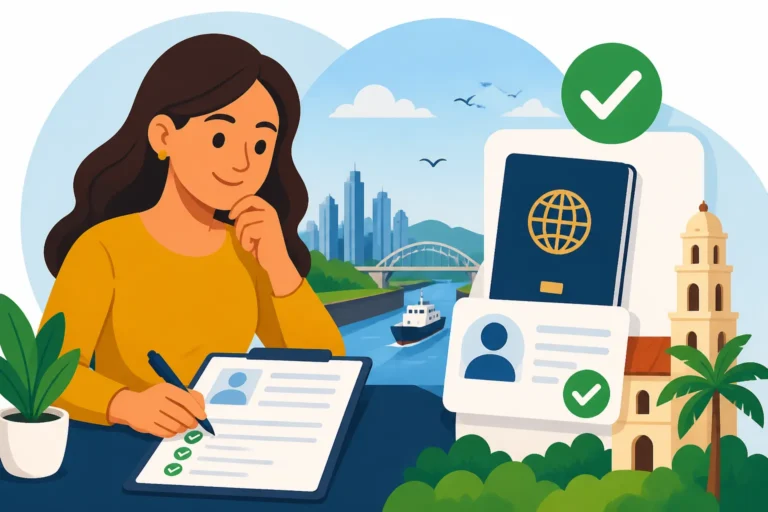
Applying for a student visa in Panama involves a set of specific requirements, and just like anything with immigration, patience is key. Generally, you'll need:
- Acceptance Letter: A formal letter from a recognized educational institution in Panama, confirming your enrollment in a specific program, its duration, and start date.
- Proof of Funds: You'll need to demonstrate that you have sufficient financial resources to cover your tuition, living expenses, and return travel without needing to work illegally. This could be bank statements, scholarship letters, or a letter of financial support from a sponsor.
- Police Records/Background Check: Typically required from your home country, and often from Panama if you've been here for a certain period. These usually need to be apostilled or authenticated.
- Medical Certificate: A health certificate issued by a Panamanian doctor, confirming you are in good health.
- Passport and Photographs: Standard immigration fare, ensuring your passport has adequate validity.
- Application Forms and Fees: The necessary paperwork from the National Immigration Service, filled out diligently.
It's crucial that all foreign documents are properly apostilled (if your country is part of the Hague Convention) or legally authenticated by a Panamanian consulate in your home country before you arrive. This step is a common sticking point for many, so plan ahead! While universities might assist, the onus is ultimately on you to ensure your paperwork is impeccable.
Limitations and Opportunities: What You Can and Can't Do
A student visa grants you the legal right to study in Panama. However, it comes with clear boundaries:
- Work Restrictions: Generally, a student visa does not grant you the right to work in Panama. While some specific programs might have integrated internships or work components, these are exceptions and must be explicitly approved. Don't assume you can pick up a part-time job to support yourself; doing so could jeopardize your visa.
- Duration: Student visas are issued for the duration of your study program, typically for one year at a time, and can be renewed if your studies continue. They are not intended for indefinite stays.
- Family Sponsorship: Student visas usually do not allow you to easily sponsor family members for accompanying visas. This is a solo journey focused on your education.
- Not a Direct Path to Residency: This is perhaps the most critical distinction. Spending years studying in Panama on a student visa does not automatically transition you into a permanent resident. While your time here might help you discover other pathways, the visa itself is a dead end for direct residency conversion.
Demystifying Residency in Panama: Your Long-Term Home
Residency, on the other hand, is a much broader concept, signifying your intention to make Panama your long-term home, whether for work, retirement, or investment. It's about integrating into the fabric of Panamanian society, beyond just a temporary purpose.
More Than Just a Stamp: The Purpose of Residency
When you apply for residency in Panama, you're not just asking for permission to visit or study; you're seeking to establish a legal, long-term presence. This means:
- Intent to Settle: Residency implies a commitment to living in Panama, paying taxes (on local income, thanks to Panama's territorial tax system), and participating in local life.
- Broader Rights: With residency comes a wider array of rights and responsibilities, including the ability to legally work (depending on the type of residency), open bank accounts more easily, obtain a Panamanian driver's license, and access certain public services.
- Pathway to Citizenship: Many residency programs are designed as a stepping stone towards eventual Panamanian citizenship, offering a path to full integration and a Panamanian passport after several years.
Residency signals a significant life change, a genuine move rather than a temporary visit. It allows you to build a life here, rather than just experience it.
Diverse Pathways to Permanent Stay
Panama offers several popular avenues to residency, each with its own set of requirements, catering to different profiles of expats:
- The Friendly Nations Visa: This is a fantastic option for citizens of over 50 specific countries, allowing you to gain permanent residency by demonstrating economic or professional ties to Panama. This could mean establishing a Panamanian company, getting a job offer, or purchasing real estate. It's often favored by those looking to start a business or work here. You can learn more about Understanding the Friendly Nations Visa in Panama (2027).
- The Pensionado (Retiree) Visa: For those looking to enjoy their golden years in paradise, the Pensionado visa is incredibly appealing. It requires proof of a lifetime pension or annuity of at least $1,000 USD per month. It offers significant benefits, including discounts on various services. If you're nearing retirement, this is definitely one to explore. Check out The Expat Guide to the Pensionado (Retiree) Visa in Panama (2027) for full details.
- Qualified Investor Visa (Golden Visa): For high-net-worth individuals, Panama offers residency in exchange for a substantial investment in real estate, Panamanian securities, or a fixed-term deposit in a local bank. This is a faster route to permanent residency for those with significant capital.
- Work Permits and Professional Visas: If you have a job offer from a Panamanian company, your employer can often sponsor you for a work permit, which is then tied to a specific residency status. This is less common for general expats due to strict labor laws protecting Panamanian jobs, but highly specialized roles do get approved.
Each of these paths is complex and requires meticulous documentation, often including apostilled birth certificates, marriage certificates, police records, and detailed financial statements. Hiring a reputable Panamanian immigration lawyer is not just recommended; it's practically essential to navigate the system successfully.
Benefits and Responsibilities: A Comprehensive Overview
Securing residency in Panama opens up a world of possibilities, but also comes with certain obligations:
- Work Rights: Most residency types grant you the right to work legally in Panama, either for a local employer or as a self-employed individual. This is a huge advantage over a student visa.
- Access to Services: Residents generally have better access to banking services, including credit cards and loans, and can more easily integrate into the healthcare system. Whether you opt for public health services through the CSS or private insurance (like those offered by Cigna Global), your residency simplifies these processes significantly.
- Tax Implications: While Panama operates on a territorial tax system (meaning foreign-sourced income is generally not taxed), residents are responsible for taxes on any income earned within Panama. It’s crucial to understand your tax obligations here.
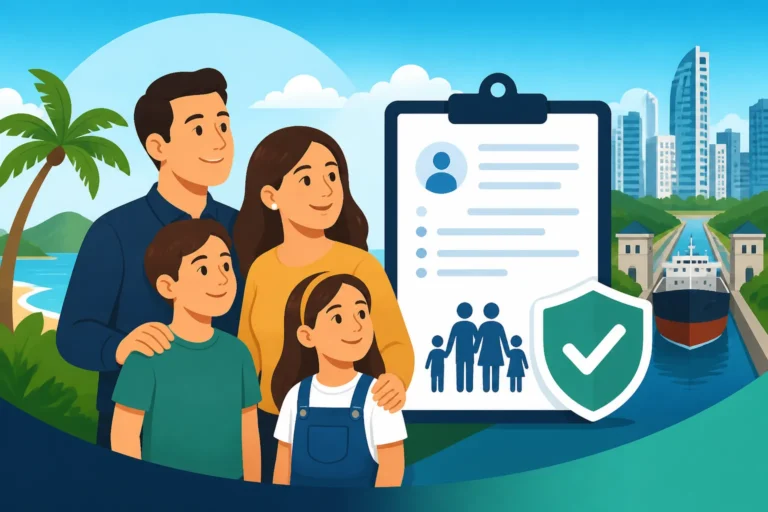
- Family Sponsorship: Most long-term residency categories allow you to include your spouse and dependent children in your application, making it possible to move your entire family. You can learn more about Family and Dependent Residency in Panama: Bringing Your Loved Ones (2027).
- Path to Citizenship: After a certain number of years (typically five for most categories), permanent residents may apply for Panamanian citizenship, offering true long-term security and the ability to hold a Panamanian passport.
- Maintaining Status: Residency is not a one-and-done deal. You must maintain your residency status by renewing your cedula (ID card) and complying with any specific conditions of your visa, such as minimum stay requirements or investment maintenance.
Key Differences: Student Visa vs. Residency at a Glance
Let's distill the core distinctions between these two very different legal statuses.
Intent and Duration
The most fundamental difference lies in the intent behind your stay. A student visa is inherently temporary, tied to a specific educational program, and focused solely on that academic purpose. It's a snapshot in time. Residency, conversely, speaks to a long-term commitment. It's about building a life, not just attending a course. The duration reflects this: student visas are for limited periods, renewable only if studies continue, while residency aims for permanence, often leading to indefinite stay.
Rights and Privileges
When it comes to what you can actually do in Panama, residency offers a far broader spectrum of rights and privileges. A student visa severely limits your ability to work, and generally restricts your ability to sponsor family. It's a very narrow authorization. Residency, depending on the category, provides legal work authorization, the ability to sponsor dependents, easier access to financial services, and a more stable legal footing for long-term planning, including investments and property ownership.
Pathway to Permanence
This is where the confusion often sets in. A student visa is not a direct pipeline to permanent residency. You cannot simply study for five years and then automatically apply for permanent residency based on your student status. Residency categories, however, are specifically designed with a path towards permanence, and ultimately, citizenship. They are fundamentally different immigration tracks.
Here’s a quick comparison to help visualize the differences:
| Feature | Student Visa (Temporary) | Residency (Long-Term) |
|---|---|---|
| Primary Intent | Education, specific course/program | Living, working, retiring, investing, establishing home |
| Duration | Tied to program length (typically 1 year, renewable) | Often indefinite, leading to permanent residency & citizenship |
| Work Rights | Generally none; highly restricted | Generally permitted, depending on residency type |
| Family Status | Does not typically allow dependent sponsorship | Usually allows spouse and dependent children sponsorship |
| Path to PR/Citizenship | No direct path | Direct pathway to permanent residency and naturalization |
| Integration | Limited, academic focus | Full integration into society, broader rights and responsibilities |
| Documentation | Enrollment proof, academic records, limited financial proof | Extensive personal, financial, and background documents, legal ties |
Making the Right Choice: Which Path Suits You?
Deciding between a student visa and a residency pathway depends entirely on your intentions and long-term goals in Panama.
Short-Term Study or Exploration
If your primary goal is to study Spanish for a few months, take a specific short course, or participate in a temporary exchange program, then a student visa is likely the correct choice. It's designed for these kinds of focused, temporary academic endeavors. It allows you to legally stay longer than a typical tourist visa and dedicate yourself to your studies. If you are exploring Panama and considering a move, but aren't ready to commit to residency yet, it can be a good way to test the waters. For those planning their big move after this initial exploration, services like Sirelo can help with the logistics of international relocation.
Long-Term Settlement and Integration
If you envision a future where Panama is your home – where you'll work, retire, invest, or simply live out your days – then you need to explore the various residency options. This is a more significant commitment but offers the stability, rights, and opportunities necessary for building a new life. Think about your income sources, family situation, and how you plan to support yourself long-term. If your goal is to reside, then a student visa is merely a detour that won't get you to your final destination. Consider delving into How to Get Residency in Panama: The Full Guide (2027) to understand the broader landscape. Don't forget that long-term stays also mean long-term healthcare needs. Providers like Cigna Global offer robust international health insurance plans that are crucial for expats establishing residency.
Seeking Professional Guidance
Regardless of whether you choose the student path or a residency route, the intricacies of Panamanian immigration law are best navigated with professional help. A qualified Panamanian immigration lawyer will be invaluable in advising you on the best visa category for your circumstances, helping you gather the correct documentation, ensuring everything is properly apostilled or authenticated, and submitting your application to the National Immigration Service. Their expertise can save you significant time, money, and headaches. This isn't a DIY project for most. For a holistic view on getting settled, you might find Understanding How to Move to Panama Legally from Abroad (2027) a good starting point.
Can a Student Visa Lead to Residency in Panama?
This is a frequently asked question, and the simple answer is: not directly, and not automatically.
The Bridge, Not the Direct Road
While a student visa itself does not convert into a residency visa, your time spent in Panama as a student can certainly inform your decision to pursue residency later. For instance, being physically present in Panama allows you to:
- Explore Opportunities: You might discover job opportunities that could lead to a work permit and associated residency.
- Build Connections: You can meet people, network, and understand the local culture and economy better, which might reveal a viable residency pathway like the Friendly Nations Visa if you decide to start a business.
- Find a Spouse: While not a recommended strategy, marriage to a Panamanian citizen is a pathway to residency, and studying here could naturally lead to such a relationship.
So, while the student visa itself isn't a direct pipeline, it can act as a bridge, giving you the time and presence in Panama to explore and qualify for other residency programs.
Shifting Your Status
If you decide to transition from a student visa to a residency status, you will effectively be applying for a new immigration category. This means meeting all the requirements for that specific residency type, just as if you were applying from outside Panama. For example:
- If you find a job, you'd apply for a work permit and related residency, as outlined in How to Get a Work Permit After Getting Residency in Panama.
- If you're from a "friendly nation" and meet the criteria for economic solvency, you'd apply for the Friendly Nations Visa in Panama (2026).
- If you meet the requirements for the Pensionado visa, you would apply for that specific program.
Your student visa status would likely expire or be superseded by the new residency application. It's not a seamless upgrade; it's generally a new application process entirely.
Disclaimer
The information provided in this guide is for general informational purposes only and does not constitute legal or immigration advice. Immigration laws and policies in Panama are subject to change. It is strongly recommended to consult with a qualified Panamanian immigration lawyer or the National Immigration Service (Servicio Nacional de Migración) for personalized advice regarding your specific situation.