How Long Until I Can Apply for Panamanian Citizenship?
So, you’ve settled into the Pura Vida rhythm in Panama, perhaps you’ve been here for a good few years, enjoying the sunshine, the vibrant culture, and the relative ease of expat life. You’ve got your residency sorted, your cédula in hand, and now you’re pondering the next big step: becoming a Panamanian citizen. It’s a significant move, and many expats wonder exactly how long they need to put in before they can apply for Panamanian citizenship. This guide will meticulously break down the timelines, the essential requirements, and what you can expect on this journey to true Panamanian naturalization.
Understanding the Road to Panamanian Citizenship
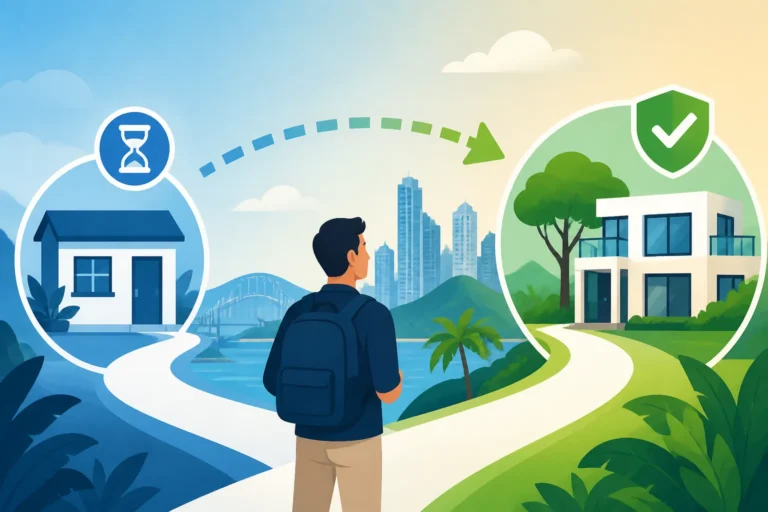
Before we dive into the "how long" question, it’s crucial to understand that simply having permanent residency doesn't automatically confer citizenship. Residency is the foundation, a necessary stepping stone, but naturalization involves a separate and more rigorous process. Think of it as moving from being a long-term guest to becoming a full member of the household. Panama offers several pathways to residency, each with its own advantages, and these paths then influence your eligibility timeline for citizenship.
Distinguishing Residency from Citizenship
When you first arrive, you might be looking into how to Get Residency in Panama: The Full Guide (2026), navigating options like the Friendly Nations Visa or the Pensionado (Retiree) Visa. These visas allow you to live, work (depending on the visa), and contribute to Panamanian society for an extended period. Many expats start with temporary residency and then transition to permanent residency. Your cédula E or cédula N is your national identity card as a resident, but it’s not a passport. Citizenship, on the other hand, grants you full political rights, including the right to vote and hold public office, and of course, a Panamanian passport. It also often requires you to renounce your previous citizenship, which is a major consideration for many.
Common Residency Pathways Leading to Naturalization
Panama has been a welcoming country for foreigners, offering various residency programs that can eventually lead to citizenship. Some of the most common include:
- Friendly Nations Visa: This popular visa, revised in 2021, allows citizens from a list of "friendly nations" to obtain permanent residency by demonstrating economic solvency, often through a work contract or establishing a Panamanian corporation. While it's relatively straightforward to obtain permanent residency, the path to citizenship still requires time and adherence to other criteria.
- Pensionado (Retiree) Visa: For those enjoying their golden years, the Pensionado Visa is a fantastic option, requiring a lifetime pension of at least $1,000 USD per month. This visa grants permanent residency from the outset and offers excellent benefits, but like other visas, it has a distinct timeline to citizenship. You can learn more about The Expat Guide to the Pensionado (Retiree) Visa in Panama (2027) if this applies to you.
- Qualified Investor Visa (Golden Visa): For those making a significant investment in Panama (e.g., real estate purchase, fixed-term deposit, or stock market investment), this visa grants permanent residency. This path is designed to attract high-net-worth individuals and offers a direct route to permanent residency.
- Marriage to a Panamanian Citizen: This is a distinct and often faster track to citizenship, acknowledging the deep personal ties established through matrimony.
Each of these pathways provides a legal basis for long-term stay, culminating in the right to apply for permanent residency. And once you have your permanent residency, that's when the clock truly starts ticking for citizenship eligibility. Getting The Complete Guide to Permanent Residency in Panama (2027) squared away is your first major hurdle before even thinking about citizenship timelines.
Key Timelines for Panamanian Naturalization
Now, let's get to the heart of the matter: how long do you actually have to wait? The answer isn't a single number, as it depends on your specific circumstances, particularly your marital status and your country of origin.
General Naturalization for Non-Spouses
For most expats who obtain permanent residency through routes like the Friendly Nations Visa, Pensionado Visa, or Qualified Investor Visa, the general rule is that you must have been a permanent resident of Panama for at least five (5) consecutive years immediately preceding your citizenship application. This means five full years from the date your permanent residency was officially granted.
Let's say you moved to Panama, spent a year getting your temporary Friendly Nations Visa, then two more years on provisional residency before finally securing your permanent residency. The five-year clock for citizenship doesn't start until you receive that permanent residency stamp. So, while you might have physically been in Panama for three years already, your citizenship clock has just begun. This is where many expats get tripped up, thinking their total time in Panama counts. It's specifically the permanent residency period that matters.
Naturalization Through Marriage to a Panamanian Citizen
If you're married to a Panamanian citizen, the timeline is significantly shorter, reflecting the Panamanian government's recognition of familial integration. In this case, you only need to demonstrate three (3) consecutive years of permanent residency in Panama, immediately prior to your citizenship application. The marriage must, of course, be valid and legally recognized in Panama. The Panamanian authorities will scrutinize the legitimacy of the marriage to prevent fraudulent applications. This pathway offers a faster track, but it still requires genuine integration and a solid understanding of the Panamanian way of life.
Naturalization for Citizens of Specific Latin American and Spanish Countries
Panama has special agreements with certain countries due to historical and cultural ties. Citizens of Spain and the majority of Latin American countries (excluding a few Caribbean nations and non-Spanish-speaking countries) can often apply for citizenship after just three (3) consecutive years of permanent residency. This is a reciprocal arrangement, often based on treaties. If you're from a country like Colombia, Costa Rica, or Spain, this could be your route. Always confirm the exact list with a Panamanian immigration lawyer, as agreements can change.
Here’s a summary of the typical naturalization timelines:
| Naturalization Pathway | Minimum Permanent Residency Required | Key Conditions |
|---|---|---|
| General Naturalization | 5 years (consecutive) | For most individuals holding permanent residency (e.g., Friendly Nations, Pensionado, Qualified Investor). |
| Marriage to Panamanian | 3 years (consecutive) | Valid, legal marriage to a Panamanian citizen, with demonstrated cohabitation. |
| Citizens from Specific Latin American/Spanish Countries | 3 years (consecutive) | Based on reciprocal treaties; verify eligibility for your specific country. |
It's important to understand that these are minimum timelines. The actual processing of your citizenship application can take additional time, sometimes several years, due to bureaucratic processes, backlogs, and the thoroughness of the review. So, while you might be eligible to apply after three or five years, don't expect to have your Panamanian passport in hand immediately. This is a marathon, not a sprint.
The Nitty-Gritty: Requirements and the Application Process
Meeting the residency timeline is just the first hurdle. The actual application process for naturalization is comprehensive and demands meticulous preparation. Panama wants to ensure that those becoming citizens are truly integrated and committed to the country. This means demonstrating much more than just physical presence. To truly understand the full scope of what's required, I highly recommend checking out What Are the Requirements for Panamanian Citizenship?.
Essential Requirements for Naturalization
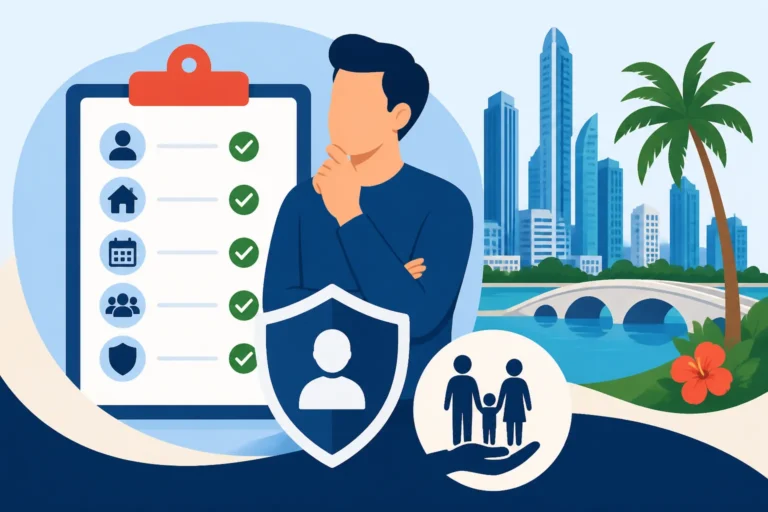
Beyond the residency period, here are the core requirements you'll need to satisfy:
- Language Proficiency: This is a big one for many expats. You must demonstrate a working knowledge of the Spanish language. This isn't just about ordering food; it means being able to hold a conversation, understand basic instructions, and communicate effectively. You'll likely face an interview and potentially a written test to assess your Spanish skills.
- Knowledge of Panamanian History, Geography, and Civic Duties: You'll need to prove you understand Panama’s past, its geographical layout, and the rights and responsibilities of its citizens. This often involves a civic exam. They want to know you're not just a resident, but an informed member of the society. Think about it: could you pass a citizenship test for your home country without some study? Panama is no different.
- Good Conduct and Moral Standing: The Panamanian government will conduct a thorough background check to ensure you have a clean criminal record both in Panama and in your country of origin. This includes police clearances and other certificates of good standing. They're looking for individuals who will be contributing members of society, not a liability.
- Financial Solvency: While you've likely demonstrated this for your initial residency, you'll need to prove ongoing financial stability. This ensures you can support yourself and your dependents without becoming a burden on the state. This usually involves bank statements, income declarations, and possibly property ownership documents.
- Renunciation of Previous Citizenship: This is perhaps the most significant point of contention for many considering Panamanian citizenship. Panama generally does not allow dual citizenship by naturalization for most foreign nationals. This means that upon becoming a Panamanian citizen, you will typically be required to formally renounce your previous citizenship. There are exceptions for certain Latin American countries and Spain due to reciprocal treaties, but for most North Americans and Europeans, this is a firm requirement. This is a critical decision, and you should thoroughly research Does Panama Allow Dual Citizenship? and seek legal advice regarding the implications for your original citizenship before proceeding. Losing your original citizenship can have far-reaching effects on inheritance, property rights, and travel.
- Loyalty to Panama: While less tangible, your application should convey a genuine intention to integrate and contribute to Panama. This is often assessed through interviews and your overall record of residency.
The Application Process – A Marathon, Not a Sprint
The process of how to Apply for Panamanian Citizenship by Naturalisation is complex and involves multiple steps, usually taking several years from application submission to final approval.
- Gathering Documentation: This is where the real work begins. You'll need an extensive array of documents, many of which must be apostilled in your home country and then translated into Spanish by a certified public translator in Panama. This includes birth certificates, marriage certificates (if applicable), police records from all countries you've lived in for a certain period, bank statements, tax returns, your cédula, and more. Familiarize yourself with Understanding Document and Apostille Requirements for Panama Immigration early on.
- Submission to the National Immigration Service (SNM): Your application, along with all supporting documents, is submitted to the Servicio Nacional de Migración.
- Interviews and Exams: You will typically be called for an interview, and as mentioned, you may face tests on Spanish language proficiency and Panamanian civics, history, and geography.
- Background Checks and Investigations: Panamanian authorities will conduct their own investigations, verifying your claims and background. This can involve checks with various government agencies.
- Presidential Decree: If your application is approved, citizenship is granted by a presidential decree, which is then published in the Official Gazette. This is the formal recognition of your new status.
- Oath of Allegiance: The final step is taking an oath of allegiance to the Republic of Panama.
Throughout this entire process, delays are common. It's not unusual for applications to sit for extended periods at different stages. This is where patience truly becomes a virtue.
Navigating the Journey: Challenges and Practical Advice
The journey to Panamanian citizenship is not without its challenges. From bureaucratic hurdles to personal considerations, it’s important to be prepared. Many of us expats have faced moments of sheer frustration with the administrative systems here, and the citizenship process is often the pinnacle of that experience.
The Reality of Panamanian Bureaucracy
Let’s be honest, Panamanian bureaucracy can be slow, unpredictable, and sometimes baffling. What might take weeks in another country can take months or even years here. Documents can get misplaced, requirements can subtly change, and communication isn't always as clear as you'd hope. Don't take it personally; it's just how things work sometimes. This is why having a robust support system and managing your expectations are key. We've all been there, waiting endlessly in government offices, feeling like we're caught in a slow-motion movie. Patience and persistence are your greatest allies.
The Indispensable Role of a Panamanian Lawyer
Given the complexity and the stakes involved, trying to navigate the naturalization process without a competent Panamanian immigration lawyer is akin to trying to sail the Pacific in a rowboat without a compass. A good lawyer will:
- Ensure Proper Documentation: They know exactly which documents are needed, how they need to be formatted, translated, and apostilled. A single missing or incorrectly prepared document can lead to significant delays or rejection.
- Guide You Through the Process: They can advise you on the specifics of the interviews and exams, help prepare you for questions, and track your application's progress.
- Act as Your Advocate: They can follow up with government agencies, address any issues that arise, and represent your interests.
- Provide Realistic Expectations: They can give you an honest appraisal of the timeline and potential challenges, helping you manage your expectations.
While there’s a cost involved, it’s an investment that can save you immense time, stress, and potential pitfalls. Understanding Why You Need a Panamanian Lawyer for Residency applies even more so to the citizenship process.
Financial and Emotional Considerations
Becoming a citizen isn’t just a legal process; it’s an emotional and financial one. The fees for naturalization can be substantial, covering legal services, government application fees, and costs for document preparation and translation. Beyond the direct costs, there's the emotional weight of potentially renouncing your original citizenship, which can be a profound step for many. Think about how this might impact your ties to your home country, especially if you have family or assets there.
While you're building your life here and considering citizenship, don't forget the importance of robust health coverage. Options like Cigna Global offer peace of mind, knowing that you're covered for unexpected medical events, which is crucial no matter your citizenship status. Having proper insurance allows you to focus on these important life changes without added health worries. Many of us, when we first arrived, relied on services like Sirelo to help navigate the complexities of international relocation, and now that you're considering a permanent future here, similar diligence is needed for your legal and personal well-being.
Maintaining Your Permanent Residency
Throughout this journey, it’s vital to maintain your permanent residency status. This means adhering to any travel restrictions or minimum stay requirements that your specific residency type might have. You generally don't want to jeopardize your permanent residency while your citizenship application is pending, as it forms the basis of your eligibility. Once you've secured your permanent residency, remember to manage your Cedula (Residency ID) in Panama, as it's your key identity document.
The overall Understanding the Cost and Timeline of the Panama Residency Process gives you a good foundation for what to expect, but citizenship takes it to another level of commitment and complexity. It's a testament to your dedication to Panama, and while challenging, it's a truly rewarding step for those who complete it.
Disclaimer
Please remember that immigration laws and requirements in Panama are subject to change. The information provided in this article is for general guidance only and does not constitute legal advice. It is always recommended to consult with a qualified Panamanian immigration lawyer or the appropriate government authority for the most current and accurate information pertaining to your specific situation.