How Much Does a Doctor Visit Cost in Panama?
One of the most immediate concerns that pops up for any expat or long-term visitor stepping foot in Panama is, naturally, "What happens if I get sick?" And right on the heels of that question is the very practical one: "How much does a doctor's visit cost here?" The Panamanian healthcare landscape, while generally good, can feel a bit like a maze at first, especially when you're trying to figure out the financial implications. This guide is here to shed light on exactly what you can expect to pay for a doctor's visit, whether you're tapping into the public system or opting for private care.
Understanding the Landscape of Doctor Visits in Panama
Before we dive into the nitty-gritty of costs, it’s crucial to grasp the two main avenues for medical care in Panama: the public system, primarily run by the Caja de Seguro Social (CSS), and the extensive private healthcare network. Each has its own structure, benefits, and, most importantly, cost implications for foreigners. Navigating these options is often the first hurdle, and it can feel overwhelming trying to decide which path is right for you, especially when you're feeling under the weather.
Public Healthcare System CSS
The Caja de Seguro Social (CSS) is Panama's social security fund, and it provides public healthcare services to eligible residents who contribute to the system. If you're formally employed in Panama, your employer likely registers you with the CSS, and contributions are deducted directly from your paycheck. This system is designed to be accessible and affordable for its contributors.
However, for expats, getting fully integrated into the CSS can be a process, and often, immediate needs push them towards the private sector. The CSS system has its quirks, often involving longer wait times for appointments and sometimes, though not always, less modern facilities compared to the top-tier private hospitals. Don't get me wrong, the doctors and nurses are often highly skilled, but the infrastructure and efficiency can sometimes test your patience. If you're curious about the deeper workings of this system, our article, How Panama's Health System Works: CSS and Private Care Explained (2026), dives into the specifics.
Private Healthcare Clinics and Hospitals
Panama boasts a robust private healthcare sector, especially in major cities like Panama City, David, and Coronado. This is where many expats, particularly those new to the country or not yet fully integrated into the CSS, find themselves seeking care. These private facilities range from small, independent clinics to large, state-of-the-art hospitals such as Hospital Punta Pacifica, Hospital Nacional, and Centro Médico Paitilla in the capital.
The private sector offers a significant advantage in terms of accessibility – often same-day or next-day appointments are available, and many doctors speak English, which is a huge relief when you're trying to explain symptoms in a foreign country. The facilities are generally modern, clean, and offer a level of comfort many expats are accustomed to. However, this convenience and quality come at a cost, which we'll explore in detail. For a broader perspective on your choices, consider reading our guide on Public vs Private Healthcare in Panama: What Expats Need to Know.
Breaking Down the Costs: Public vs. Private
Let's get down to the numbers, because this is often what keeps us expats up at night. The cost of seeing a doctor in Panama can vary dramatically based on whether you choose the public or private route, and even within the private sector, there's a wide range.
Costs in the Public System CSS
If you are a contributing member of the CSS, a standard doctor's visit for a general practitioner is remarkably low, often just a few dollars, or even free. The idea here is that you've already contributed through your monthly payments, so the direct point-of-service cost is minimal. This includes consultations with general practitioners, and often, referrals to specialists within the CSS network.
However, it's important to reiterate that while the monetary cost is low, the "cost" in terms of time and bureaucratic hoops can be higher. You might face longer waits for appointments, especially for specialists, and navigating the system can be challenging if you don't speak Spanish or understand the specific protocols. For many, especially in an urgent but non-emergency situation, the thought of spending half a day waiting at a public clinic might push them towards a private option, even if it means shelling out more cash. If you're considering How to Register with the CSS (Caja de Seguro Social) in Panama, be prepared for this reality.
Private General Practitioner Visits
This is likely the most common scenario for many expats seeking routine or non-urgent care. In the private sector, a visit to a general practitioner will typically cost you anywhere from $30 to $70 USD. This can fluctuate based on the doctor's experience, the clinic's location, and whether they are affiliated with a larger hospital.
For instance, a consultation in a smaller, independent clinic in a neighborhood like El Cangrejo might be on the lower end, say $40. Whereas, seeing a GP at a more upscale clinic attached to a major hospital like Hospital Nacional could be closer to $60-$70. These prices are often paid out-of-pocket at the time of the visit. If you have private health insurance in Panama, you might be able to claim reimbursement, or if the clinic is part of your network, they might handle the billing directly, requiring only a co-pay from you. Companies like SafetyWing offer travel insurance options that can cover unforeseen medical expenses for those not yet settled with local insurance.
Private Specialist Consultations
When it comes to specialists – think cardiologists, dermatologists, or gastroenterologists – the costs naturally go up. Expect to pay between $60 and $120 USD for a private specialist consultation. Again, this range depends heavily on the specialist's reputation, their specific field, and where their clinic is located.
A visit to a highly sought-after specialist in a prestigious hospital in Panama City, for example, could easily be $100 or more. In contrast, a consultation with a specialist in a smaller city like David might be closer to the $70-$80 mark. It’s a good idea to inquire about the fee when you make an appointment. Sometimes, if you're referred by a general practitioner within the same network, there might be a slight discount, but don't count on it. Our detailed article on How to Access Specialist Care in Panama provides more context on this.
Here’s a quick overview of estimated costs:
| Type of Visit | Public System (CSS Member) | Private Clinic (Panama City) | Private Clinic (Outside Capital) |
|---|---|---|---|
| General Practitioner Consultation | $0 – $5 | $30 – $70 | $30 – $60 |
| Specialist Consultation | $0 – $10 | $60 – $120 | $60 – $90 |
| Emergency Room Visit (Non-critical) | Minimal (with CSS) | $80 – $200+ | $70 – $150+ |
Note: These are estimates and actual costs may vary. Always confirm fees beforehand.
Factors Influencing Doctor Visit Costs
Beyond the public vs. private divide, several other elements can significantly impact the final bill for your doctor's visit. It’s not just about the consultation itself; often, there are other services that add to the cost, sometimes unexpectedly.
Location and Clinic Type
As briefly mentioned, where you see a doctor matters. Panama City, being the bustling capital and a hub for medical tourism, generally has higher prices. The most modern hospitals and clinics, particularly in upscale areas like Punta Pacifica or Marbella, will command higher fees. This isn't just for the doctors; the overhead for these facilities, the advanced equipment, and the amenities all contribute to the price point.
If you venture outside the capital to places like David in Chiriqui, Coronado, or even smaller towns, you'll often find that private doctor visits are slightly less expensive. The quality of care remains high, but the cost of living and operating a practice is lower, which translates to savings for patients. For example, understanding How Much Does a Private Clinic Visit Cost in David? can give you a local perspective. It's a trade-off: more options and English speakers in the capital versus potentially more affordable, community-focused care elsewhere.
Insurance Coverage and Payment Methods
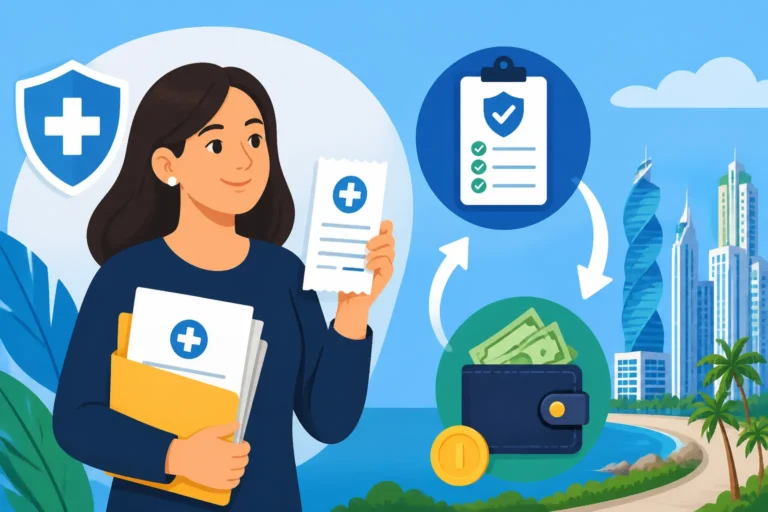
This is a big one. Having health insurance can drastically alter your out-of-pocket expenses. If you have local Panamanian private health insurance, many clinics and hospitals have direct billing agreements, meaning you only pay a co-pay (often $5-$20) at the time of the visit. Your insurer covers the rest. This can be a huge relief, saving you from large upfront payments and the hassle of filing claims yourself.
International health insurance plans, like those offered by SafetyWing, may require you to pay upfront and then submit a claim for reimbursement. This means you need to be prepared to cover the full cost of the visit initially. Always check with your insurance provider before your appointment to understand their specific procedures for Panama, including what documents they require for claims. Also, clarify if the clinic accepts credit cards or if cash is preferred, as some smaller practices might be cash-only.
Without any insurance, you are, of course, responsible for the full amount. This is where understanding Out-of-Pocket Healthcare Costs and Co-Pays in Panama becomes critical. It's not uncommon for expats to initially rely on travel insurance or pay out-of-pocket while they explore longer-term health insurance solutions.
Additional Services and Diagnostic Tests
The quoted price for a doctor's visit almost always refers only to the consultation itself. It does not include any additional services or diagnostic tests the doctor might order. These can quickly add up:
- Blood tests: A routine blood panel can cost anywhere from $30 to $100+, depending on the specific tests ordered and the lab.
- X-rays: Expect to pay $50-$150 per X-ray.
- Ultrasounds: These can range from $70-$200, again, depending on the type and complexity.
- Medications: Prescriptions will be an additional cost, though generally, medications in Panama are quite affordable compared to many Western countries. Our guide, Prescription Medications and Pharmacies in Panama: The Complete Guide, offers more insights.
So, while a $60 doctor visit sounds reasonable, if you walk out with a blood test, an X-ray, and a prescription, your total bill for that day could easily be $200-$300 or more. Always ask for an estimate for additional tests if you're concerned about costs.
Practical Tips for Managing Doctor Visit Costs
Navigating the healthcare system and its associated costs in a new country can be daunting, but with a bit of foresight and knowledge, you can manage your expenses effectively. You've got options, and understanding them is half the battle.
Navigating Insurance and Payment
The best way to manage costs is to have appropriate health insurance. As an expat, you have a few options:
- Local Private Insurance: Once you're settled, many expats opt for a local private health insurance plan. Companies like ASSA Compañía de Seguros, MAPFRE, and others offer comprehensive plans that are tailored to the Panamanian market. These often have direct billing agreements with major private hospitals and clinics, simplifying the payment process. They cover a wide range of services, from consultations to surgeries, often with a manageable co-pay. Our guide on How to Choose Private Health Insurance in Panama (2026) can help you decide.
- International Health Insurance: If you travel frequently or prefer a plan that offers global coverage, an international health insurance provider might be a better fit. Providers like SafetyWing are popular among digital nomads and expats for their flexible and often more budget-friendly options, especially for short-term or travel-focused needs. These plans usually require you to pay upfront and then seek reimbursement.
- Travel Insurance: For short stays or while you're in the process of setting up long-term residency, travel insurance is a must. It covers emergencies and unexpected medical needs, providing a safety net. This is particularly important for tourists or newcomers who are still figuring out the local system. Remember, a good travel insurance policy will ensure you're not left in a lurch if you have a medical emergency while travelling from Panama.
Always keep your insurance card handy and understand your policy's terms regarding deductibles, co-pays, and reimbursement procedures. Don't hesitate to call your insurance provider if you're unsure.
Finding Affordable Care Options
Even with insurance, you might want to find ways to reduce costs or locate convenient care.
- Walk-in Clinics (Clínicas Generales): For minor ailments, these clinics can be a cost-effective alternative to a full hospital visit. They often have general practitioners on staff and operate on a first-come, first-served basis, similar to urgent care centers in other countries. The consultation fee here is typically on the lower end of the private sector scale.
- Pharmacy Consultations: Many pharmacies in Panama, especially the larger chains like Farmacias Arrocha or Farmacias Metro, have a small consultation office with a general practitioner. For very minor issues like a common cold, minor skin irritation, or to simply get a prescription refilled for a non-controlled substance, these can be incredibly convenient and inexpensive, sometimes as low as $10-$20. However, for anything beyond very basic advice, a full doctor's visit is recommended.
- English-Speaking Doctors: Finding a doctor who speaks English can be a huge relief, eliminating potential misunderstandings. Many private clinics, especially in Panama City, employ English-speaking staff and doctors. You can often find lists through expat forums or by asking for recommendations within the expat community. Our guide, How to Find an English-Speaking Doctor in Panama, has some great tips. Don't assume that because a clinic is modern, all staff will speak English – it's always worth confirming beforehand.
By understanding the costs and the options available, you can navigate the Panamanian healthcare system with greater confidence and less financial stress. It’s a learning curve, for sure, but Panama offers quality care at prices that are often more accessible than in many other developed nations.
Disclaimer
The information provided in this guide is for general informational purposes only and does not constitute medical, legal, or financial advice. Healthcare costs in Panama can change, and individual circumstances will vary. Always consult with a qualified healthcare professional for medical advice and an immigration lawyer or financial advisor for specific legal or financial guidance regarding your situation in Panama.