How Do I Find a Pediatrician in Panama City?
Moving to a new country with children is a monumental task, and one of the biggest anxieties for any expat parent is figuring out the healthcare system, especially how to find a reliable pediatrician. Panama City, with its bustling urban sprawl and diverse medical options, can feel overwhelming when you're trying to locate that perfect doctor for your little ones. This comprehensive guide is here to walk you through the process, offering practical advice and insider tips to help you secure the best pediatric care for your family.
Understanding Panama City's Pediatric Landscape
When you first arrive in Panama City, the healthcare system can seem like a bit of a maze, especially with the added layer of finding a doctor for your kids. It’s not just about finding any doctor; it’s about finding one you trust, who speaks your language, and who understands the unique needs of expat families.
Public vs. Private Pediatric Care
Just like many countries, Panama operates with both public and private healthcare systems. For pediatric care, most expats in Panama City tend to lean heavily towards the private sector, and for good reason.
The public system, primarily managed by the Caja de Seguro Social (CSS), does offer pediatric services, but they are often stretched thin. You might encounter longer wait times, crowded clinics, and less access to English-speaking staff. While the Hospital del Niño is a dedicated children's hospital within the public system, it primarily serves a specific demographic and can be challenging to navigate for those unfamiliar with the local processes and language. If you're contributing to the CSS through your employer, you technically have access, but many expats find the experience for routine pediatric care more cumbersome. For a deeper dive into the overall system, check out our guide on Public vs Private Healthcare in Panama: What Expats Need to Know.
The private sector, on the other hand, offers a much more streamlined and comfortable experience. Panama City boasts several excellent private hospitals with dedicated pediatric departments, state-of-the-art facilities, and a higher likelihood of finding English-speaking doctors and staff. These include well-known institutions like Hospital Punta Pacifica, Hospital Nacional, and Centro Médico Paitilla. These hospitals often have associated private clinics where pediatricians have their practices. The quality of care in these private facilities is generally very high, often on par with Western standards.
Key Considerations for Expat Parents
Beyond the public versus private debate, expat parents have a unique set of concerns when choosing a pediatrician in Panama City.
One of the most immediate hurdles is the language barrier. While many doctors in the private sector have some level of English proficiency, it's not always guaranteed. Imagine trying to explain your child's nuanced symptoms in a language you're not fully comfortable with, or misunderstanding critical instructions. It's a source of immense stress. Prioritizing a pediatrician who can communicate effectively in English can alleviate a significant amount of anxiety.
Another important consideration is continuity of care. As expats, our lives can be a bit more transient. We might move within Panama, or even leave the country eventually. Finding a pediatrician who maintains thorough records and is comfortable with sharing information if needed can be crucial. It's also about building a relationship – you want a doctor who knows your child's history, not just someone you see for an isolated incident.
Finally, understanding cultural nuances in healthcare is vital. Medical practices and expectations can differ. For instance, the approach to antibiotics or fever management might vary from what you're used to. Finding a pediatrician who is respectful of your background while effectively guiding you through the local medical culture is ideal. Don't be afraid to ask questions about their philosophy of care during your initial interactions.
Practical Steps to Finding Your Pediatrician
Now that we've covered the lay of the land, let's get down to the nitty-gritty: how do you actually find that perfect pediatrician in Panama City? It’s less about stumbling upon them and more about a strategic search.
Leveraging Your Network and Online Resources
Your fellow expats are truly your best resource when you’re navigating the intricacies of life in Panama. This is where the power of community comes into play.
- Expat Groups and Forums: Dive into local expat Facebook groups, WhatsApp chats, and online forums dedicated to Panama City. Post a query asking for pediatrician recommendations. You'll often receive a flood of candid, personal experiences and direct contacts. Parents love to share who they trust with their children's health. You'll hear about specific doctors, their personalities, their clinics, and their availability. Many expats have already gone through the exact search you're embarking on, and their insights are invaluable.
- Personal Recommendations: If you've already made some local friends, whether Panamanian or fellow expats, ask them directly. Word-of-mouth is still incredibly powerful here. A recommendation from someone whose judgment you trust can narrow down your options significantly.
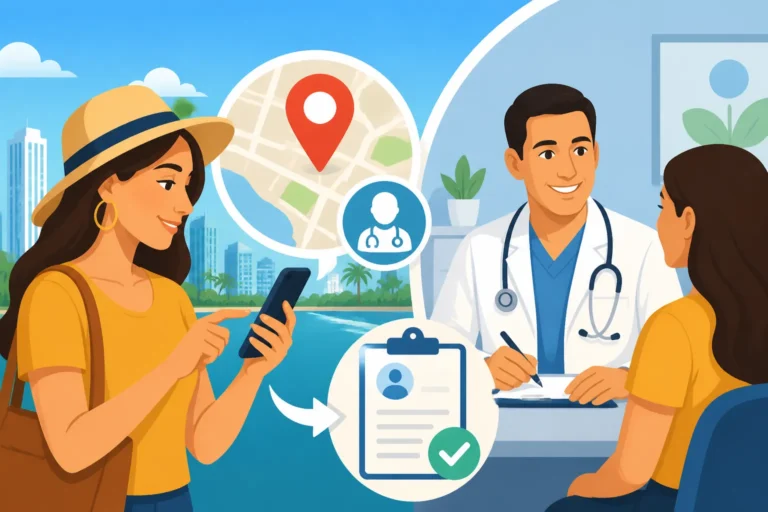
- Online Directories: Websites like "Doctores en Panama" or specific hospital directories (e.g., Hospital Punta Pacifica's physician finder, Hospital Nacional's directory) can provide lists of pediatricians. These sites often include doctor profiles, specialties, and sometimes even patient reviews. While these are a good starting point to gather names, always cross-reference them with expat reviews if possible, or consider them as a list to call for further information. Remember to also check out our comprehensive guide on How to Find an English-Speaking Doctor in Panama which applies equally to pediatricians.
What to Look For in a Pediatrician
Once you have a few names, it’s time to be discerning. Choosing a pediatrician is a very personal decision, and what works for one family might not work for another.
- Language Proficiency: As discussed, this is often paramount for expat parents. Don't be shy about asking directly if the pediatrician or their staff speaks English fluently. Some clinics even advertise their bilingual capabilities.
- Location and Accessibility: Panama City traffic is no joke. Think about where you live and where your child might need to be seen for routine check-ups or unexpected illnesses. A pediatrician’s office located in a convenient area, perhaps near your home or work, or easily accessible by public transport or Metro line, will save you a lot of headaches in the long run.
- Clinic Hours and Emergency Protocols: What are their regular office hours? Do they offer evening or weekend appointments for urgent but non-emergency situations? How do they handle after-hours calls or advice? Some pediatricians are part of larger groups that have a rotating on-call schedule, which can be reassuring.
- Philosophy of Care: Every doctor has a slightly different approach. Do they have a preventive focus? Are they quick to prescribe medication, or do they prefer a more conservative approach? Are they open to discussing alternative treatments if that's important to you? For example, inquire about their stance on vaccinations – typically, Panamanian doctors follow standard international vaccination schedules, which is great, but it’s always good to confirm. More information on Understanding Childhood Vaccination Schedules in Panama can be found here.
- Experience and Specializations: While all pediatricians are generalists for children, some may have particular interests or experience with certain conditions. Consider their years of practice and their affiliations with reputable hospitals like Hospital Punta Pacifica or Hospital Nacional, which can indicate higher standards. You can learn more about these facilities in our guide on How to Use Major Hospitals Like Punta Pacifica and Hospital Nacional.
- Bedside Manner: This is crucial, not just for your child, but for you as a parent. A good pediatrician should be empathetic, patient, and able to put both children and nervous parents at ease. You want someone who listens to your concerns without rushing you, and who explains things clearly. Pay attention to how they interact with your child – do they make an effort to connect?
Initial Consultations and "Meet and Greets"
Unlike some countries where a "meet and greet" before committing to a pediatrician is standard, it's less common in Panama City. However, many private clinics and doctors are open to a brief initial consultation, often at a reduced fee or even complimentary, if you explain you are looking for a long-term pediatrician.
During this interaction, come prepared with a list of questions. This isn't just about their medical credentials; it's about fit.
- Ask about their policies on communication (e.g., do they respond to WhatsApp messages for quick questions?).
- Inquire about their typical wait times for appointments.
- Discuss how they handle referrals to specialists, should your child ever need one.
- Most importantly, observe the environment of the clinic. Is it clean, child-friendly, and welcoming? Does the staff seem organized and kind? These initial impressions are incredibly telling.
Navigating Appointments, Costs, and Insurance
You've done the hard work of finding a potential pediatrician. Now, let's talk about the practicalities of actual appointments, understanding costs, and how your health insurance fits into the picture.
Booking Appointments and Clinic Visits
Booking an appointment in Panama City is generally straightforward, but it might differ slightly from what you're accustomed to.
- Communication Channels: Most private pediatricians and clinics use a combination of phone calls, WhatsApp, and sometimes even dedicated online portals for scheduling. WhatsApp is widely used in Panama for professional communication, so don't be surprised if your doctor's office relies heavily on it for confirming appointments, sending reminders, or even answering quick, non-urgent questions.
- Typical Wait Times: For routine check-ups, you might need to book a week or two in advance, especially for highly sought-after pediatricians. However, for urgent, sick-child appointments, clinics usually make an effort to fit you in on the same day or the next. It’s always best to call early in the morning if your child wakes up unwell.
- Walk-in vs. Scheduled: While some clinics might accommodate walk-ins, it's generally advisable to schedule an appointment to avoid long waits and ensure the pediatrician is available. Emergency situations are, of course, an exception and should always head straight to a hospital emergency room.
Understanding Pediatric Costs and Payment
One of the pleasant surprises for many expats in Panama is the generally lower cost of private medical care compared to countries like the US or Canada. This holds true for pediatric services as well.
- Typical Consultation Fees: A standard private pediatrician consultation in Panama City can range from $40 to $80 USD. This fee covers the doctor's time and basic examination. Any additional tests, medications, or specialist referrals will incur separate charges. These costs are significantly more affordable than similar services in many Western countries.
- Payment Methods: Most private clinics accept cash and major credit/debit cards. It's always a good idea to confirm payment methods when booking your first appointment. Some smaller clinics might prefer cash, so having some on hand is never a bad idea. For a broader understanding of out-of-pocket expenses, see our guide on Understanding Out-of-Pocket Healthcare Costs and Co-Pays in Panama.
Health Insurance for Pediatric Care
Having good health insurance is paramount when living abroad, especially with children. It provides peace of mind and covers unexpected medical expenses.
- Private Local Insurance: Many expats opt for private local health insurance plans. These plans are tailored to the Panamanian healthcare system and often have direct billing arrangements with major private hospitals and clinics, making the process very smooth. Providers like ASSA, Mapfre, or Generali are popular choices. When choosing, ensure pediatric care is explicitly covered and understand your deductibles and co-pays. Our guide on How to Choose Private Health Insurance in Panama (2027) offers excellent advice.
- International Health Insurance: If you have an international health insurance plan (like SafetyWing, for example, which is excellent for digital nomads and those who travel frequently), you can certainly use it in Panama. These plans often offer a wider network of providers globally and can be very comprehensive. However, you might need to pay upfront for services and then claim reimbursement later. This means keeping meticulous records of all receipts and medical reports. Our article on How to Claim Reimbursement from Private Insurance in Panama can help you navigate this process.
- CSS (Caja de Seguro Social): If you are formally employed in Panama and contributing to the CSS, your children will also be covered under the public system. However, as mentioned earlier, many expats find the private route more convenient and efficient for pediatric care.
| Service Type | Typical Cost (USD) – Private Clinic | Payment Method (Common) | Insurance Coverage (Typically) |
|---|---|---|---|
| Routine Pediatric Visit | $40 – $80 | Cash, Credit/Debit Card | Yes (private/international) |
| Urgent Sick Visit | $50 – $100 | Cash, Credit/Debit Card | Yes (private/international) |
| Specialist Referral | $80 – $150 (initial consult) | Cash, Credit/Debit Card | Yes (private/international) |
| Vaccinations | Varies (often includes admin fee) | Cash, Credit/Debit Card | Yes (private, sometimes) |
| Prescriptions | Varies widely | Cash, Credit/Debit Card | Yes (some plans, often partial) |
Emergency Pediatric Care and Specialised Services
Even with the best pediatrician for routine care, knowing what to do in an emergency or when your child needs a specialist is crucial. This is where the private hospitals in Panama City truly shine.
When to Seek Emergency Pediatric Care
It's every parent's worst nightmare: your child suddenly becomes seriously ill or has an accident. Knowing where to go and what to do can save precious time and reduce stress.
- Recognizing Serious Symptoms: Trust your parental instincts. If your child has very high fever, difficulty breathing, severe pain, signs of dehydration, a serious injury, or any symptom that causes you significant concern, do not hesitate. Head directly to the emergency room.
- Where to Go: For genuine medical emergencies, bypass smaller clinics and head straight to the emergency department of a major private hospital. Hospital Punta Pacifica, Hospital Nacional, and Centro Médico Paitilla all have well-equipped emergency rooms, often with dedicated pediatric emergency sections or doctors on call. These hospitals are accustomed to treating foreigners and generally have English-speaking staff available, especially in the ER. Remember, the emergency phone number in Panama is 911, and while ambulances are available, sometimes the fastest route for a stable child is a private car to the nearest well-equipped ER. For more details on emergency situations, read Emergency Medical Care in Panama: What Every Expat Needs to Know.
Accessing Pediatric Specialists
Sometimes your child will need care beyond what a general pediatrician can provide. This might mean seeing a pediatric cardiologist, dermatologist, endocrinologist, or another specialist.
- Referral Process: In Panama's private system, it’s quite common for your pediatrician to provide a referral to a specialist. They usually have a network of trusted colleagues they work with and can guide you to the right professional. This is a good sign of a well-connected and comprehensive care team. You don't always need a referral to see a private specialist, but it's often helpful for continuity of care and can ensure you're seeing the most appropriate doctor for your child's specific issue.
- Availability of Specialists: Panama City has a surprisingly robust and comprehensive range of pediatric specialists. Given the capital's status as a regional medical hub, you'll find experts in almost every sub-specialty.
- Finding English-Speaking Specialists: While your general pediatrician might speak English, it's not always guaranteed for specialists. When you get a referral, don't hesitate to ask your pediatrician or the clinic staff if the specialist speaks English. Alternatively, you can search online directories or expat groups for recommendations for specific pediatric specialists who are known to be bilingual. The goal is always clear and effective communication, especially when discussing complex medical issues for your child.
Finding a pediatrician in Panama City might seem like a daunting task at first, but with a bit of research, networking, and understanding of the local healthcare system, you'll be able to secure excellent medical care for your children. Lean on the expat community, prioritize communication, and don't hesitate to ask questions until you find the perfect fit for your family's needs. Panama has a fantastic array of medical professionals, and peace of mind is well within reach.
Disclaimer
Please note that this guide provides general information based on common expat experiences in Panama and is not a substitute for professional medical or legal advice. Healthcare systems and regulations can change, and individual situations vary. Always consult with qualified medical professionals and, where applicable, legal or insurance experts for advice tailored to your specific circumstances.