Are Prescription Medications Expensive in Panama?
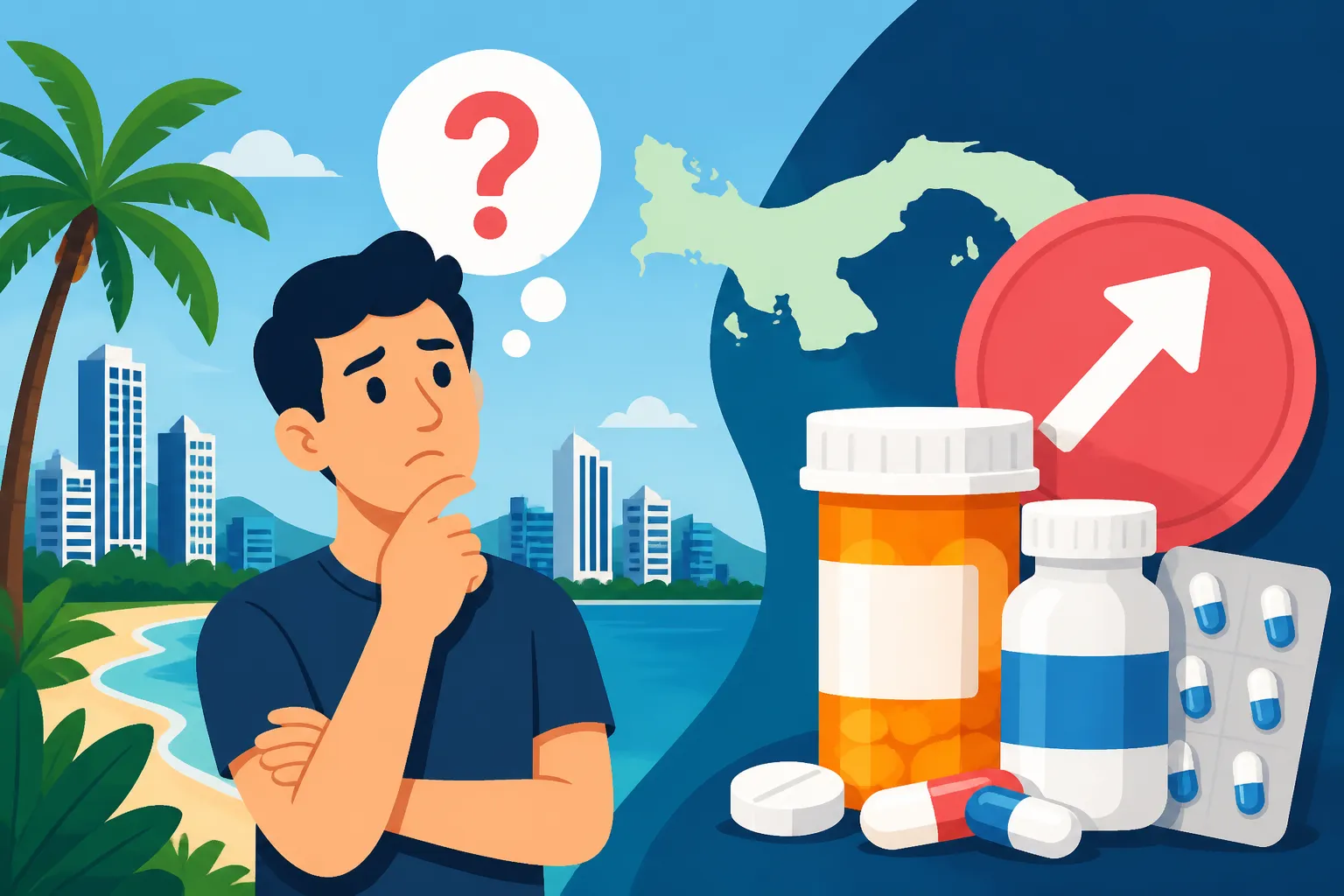
Moving to a new country like Panama can bring a whirlwind of excitement, but it often comes with a heap of practical questions and anxieties, especially when it comes to something as vital as healthcare. One common worry that I hear from fellow expats, myself included, is about the cost of prescription medications. Will that life-saving drug break the bank here? Is it easy to get what you need? This comprehensive guide will walk you through the real-world costs of prescription medications in Panama, dispelling myths and equipping you with the knowledge to navigate the system with confidence.
The General Landscape of Prescription Medication Costs in Panama
Let's be honest, medication costs can be a huge concern no matter where you live. In Panama, it's not a simple "expensive" or "cheap" answer. It's more of a nuanced picture, one that depends heavily on the specific medication, whether it's a brand name or a generic, and even which pharmacy you visit. My experience, and that of many others who've made Panama their home, suggests that overall, many common medications are quite affordable, especially compared to countries like the United States. However, certain specialized or brand-name drugs can indeed carry a hefty price tag.
A Mixed Bag: What to Expect
When you first start exploring pharmacies in Panama, you might be pleasantly surprised by the prices of many over-the-counter and common prescription drugs. For instance, antibiotics, pain relievers, and even some basic allergy medications can often be purchased for a fraction of what they cost elsewhere. This is particularly true if you're open to generic versions, which are widely available and encouraged here.
However, don't let that initial relief lull you into a false sense of security for all medications. If you rely on a very specific brand-name drug for a chronic condition, especially one that's relatively new or patented, you might find the prices comparable to, or even higher than, what you'd pay in North America or Europe. The key takeaway here is that you absolutely cannot assume all your medications will be cheaper. It's truly a mixed bag, and knowing the specifics of your needs is paramount.
Factors Influencing Pricing
So, why the variation? Several factors play into the final price you pay at the pharmacy counter in Panama. Firstly, the source of the medication is crucial. Many common generic drugs are either manufactured locally or imported from other Latin American countries or India, where production costs are lower. This significantly reduces their retail price. On the other hand, cutting-edge, brand-name pharmaceuticals are often imported from larger markets with higher research and development costs, which are then passed on to the consumer.
Secondly, import taxes and distribution channels can add to the cost. Even with free trade agreements, the logistical chain for bringing certain medications into Panama can be complex and expensive, especially for temperature-sensitive or highly regulated drugs. Lastly, the type of pharmacy itself can influence pricing, with smaller, independent "boticas" sometimes offering slightly different prices than large national chains. Understanding these underlying dynamics helps demystify the price fluctuations you might encounter.
Navigating Pharmacies and Finding Affordable Options
Once you've got your prescription in hand, the next step is actually buying the medication. This is where a bit of local knowledge and savvy can save you a significant amount of money and frustration. Panama has a robust network of pharmacies, but they aren't all created equal when it comes to selection and, more importantly, price.
Chain Pharmacies vs. Independent Boticas
Panama is home to several large pharmacy chains that you'll quickly become familiar with. Farmacias Arrocha, Farma Value, and Farmacias Metro are the big players, often found in malls, plazas, and standalone locations throughout major cities like Panama City, David, and Santiago. These chains typically have a wider inventory, longer operating hours (many are 24/7), and generally good service. They also tend to be more organized and might have English-speaking staff, especially in expat-heavy areas. For convenience and guaranteed stock, they are often the go-to.
However, don't discount the smaller, independent boticas (pharmacies) or farmacias that you'll see scattered around neighborhoods. These often have a more intimate feel, and sometimes, just sometimes, they might have a slightly better price on certain generics, or offer a more personalized service where the pharmacist knows you by name. It's worth checking them out, especially for your more routine needs. For more complex or specialized medications, the larger chains are usually your best bet simply due to their purchasing power and broader distribution networks. You can learn more about where to find your meds in our guide on Prescription Medications and Pharmacies in Panama: The Complete Guide.
The Power of Generics
This is perhaps the biggest tip I can give any expat concerning medication costs in Panama: always ask for the generic option, or genérico. Unless your doctor has specifically stated otherwise due to a unique medical reason, generics are chemically equivalent to their brand-name counterparts and are significantly cheaper. Panama's healthcare system actively promotes the use of generics, and pharmacists are usually happy to provide them.
Let me give you a personal example. When I needed a common antihistamine that was a popular brand back home, I braced myself for the cost. The pharmacist, without me even asking, offered the generic version for about $3 for a month's supply, whereas the brand-name equivalent was nearly $15. The savings add up quickly, especially if you're on multiple medications. Don't be shy; when handing over your prescription, just ask, "Hay un genérico de esto?" (Is there a generic for this?). Most doctors will even write "sustitución permitida" (substitution permitted) on the prescription to make it even easier.
Bulk Buying and Special Deals
Unlike some countries where you can often get a discount for buying a three-month supply of a prescription, "bulk buying" in Panama isn't as prevalent a cost-saving strategy for prescription medications. Most pharmacies will dispense exactly what your doctor has prescribed, typically for a 30-day period. Some may offer slightly larger quantities for chronic conditions, but don't expect a significant price break for doing so.
However, some of the larger chains like Farmacias Arrocha or Farma Value occasionally have promotional deals on certain over-the-counter items, vitamins, or even specific generic prescriptions, especially around holidays or during health campaigns. It's always worth keeping an eye out for these, but they shouldn't be relied upon as your primary cost-saving method for essential medicines. You might also find loyalty programs at some of these pharmacies that offer small discounts over time, so it's worth inquiring if you plan to be a regular customer.
Insurance and Other Strategies for Cost Savings
While being smart about generics and knowing your pharmacies helps a lot, true peace of mind, especially for unforeseen medical emergencies or chronic conditions, often comes down to having the right health insurance. The Panamanian healthcare system, while good in many private aspects, still requires proactive planning from expats.
The Role of Private Health Insurance
Private health insurance is a game-changer for many expats in Panama when it comes to managing medication costs, particularly for more expensive or long-term prescriptions. Most private insurance plans offered in Panama, whether local or international, include some level of prescription drug coverage. This might involve a co-pay (a fixed amount you pay per prescription) or a co-insurance (a percentage of the cost you pay, with the insurance covering the rest), after which the insurer covers the bulk of the cost.
For example, a specialist medication costing $200 might only cost you $20 or $40 out-of-pocket with a good private plan. This is a massive relief for those dealing with ongoing health issues. Reputable local insurers like ASSA, Internacional de Seguros, or MAPFRE, as well as international options like SafetyWing, offer plans tailored for expats. It’s crucial to understand your plan's specific medication benefits, including any deductibles, co-pays, or formularies (lists of covered drugs). If you're looking for flexible, international health insurance that covers you not just in Panama but worldwide, an option like SafetyWing can be incredibly useful, especially for those who travel frequently or are still figuring out long-term residency. Don't underestimate the value of comprehensive coverage; it can truly protect your wallet when you least expect it. Diving deeper into your options can be done by reading our guide on Health Insurance in Panama: Private and International Options Explained.
Public Health System (CSS) Coverage
For those who are legally employed in Panama and contributing to the Caja de Seguro Social (CSS), Panama's public social security system, prescription medications are generally covered. If you're registered with the CSS and seeing a CSS doctor, your prescriptions dispensed by a CSS pharmacy should be free or come at a very minimal cost. However, there are significant caveats. The CSS system can be notoriously slow, with long wait times to see doctors and sometimes limited stock in their pharmacies. You might not always get the exact brand you're used to, and it might take time to receive it.
While it's an excellent safety net and a fundamental right for contributors, relying solely on the CSS for all your medication needs, especially for urgent or very specific drugs, might not be practical for every expat. Many expats, even those contributing to CSS, opt for private insurance for the speed, convenience, and wider access to medication that private pharmacies and clinics offer. You can get a deeper understanding of how the public system works by exploring How Panama's Health System Works: CSS and Private Care Explained (2027).
Comparing Prices Across Different Pharmacies
This might sound like a hassle, but for non-urgent, high-cost medications, it can be a real money-saver. Prices for the same medication, even the same generic, can vary slightly between different pharmacy chains. I've heard stories from friends who saved 10-20% on a particular specialized drug just by calling around to a few different Farmacias Arrocha or Farma Value locations.
This is especially true for those more expensive, non-substitutable brand-name drugs. If you know you'll be on a particular medication for an extended period, it's worth investing a little time upfront to do some comparison shopping. Keep in mind that some medications require specific storage, so always ensure the pharmacy is reputable and handling the drugs correctly. Having international insurance like SafetyWing can sometimes make this process smoother if they have a network of preferred pharmacies, but a quick phone call in Spanish (or with a friend's help) can often yield results.
Common Medication Costs and Real-World Examples
To give you a clearer picture, let's break down some typical medication scenarios you might encounter and what they could cost. This isn't a definitive price list, as prices can fluctuate, but it should provide a realistic expectation.
Over-the-Counter vs. Prescription
One of the pleasant surprises in Panama is how many medications you can get over the counter that might require a prescription in your home country. For instance, many antibiotics, stronger pain relievers, and even some anti-fungal creams are often available without a doctor's note. This isn't universally true, and pharmacists generally adhere to guidelines, but for minor ailments, it can save you a doctor's visit fee.
- Common Pain Relievers (e.g., Ibuprofen, Acetaminophen): Expect to pay $2-$5 for a standard pack of generics. Brand names might be $5-$10.
- Basic Antibiotics (e.g., Amoxicillin): A full course can be surprisingly affordable, often in the range of $5-$15 for generics.
- Allergy Medications (e.g., Loratadine, Cetirizine): Generic versions are very cheap, often $3-$7 for a month's supply.
- Vitamins and Supplements: Prices vary wildly depending on brand and type, but expect similar or slightly lower prices than in North America.
Chronic Condition Medications
This is where planning and insurance truly shine. If you have a chronic condition like high blood pressure, diabetes, or thyroid issues, you'll be taking medication long-term.
- Blood Pressure Medication (e.g., Losartan, Amlodipine): Generic versions are incredibly affordable, often $10-$25 for a month's supply. Brand names can jump to $40-$80+.
- Diabetes Medication (e.g., Metformin): Another very affordable generic, typically $8-$20 for a month. Insulin prices can be higher and vary by type, so check with your doctor and insurance.
- Thyroid Medication (e.g., Levothyroxine): Generics are cheap, usually under $15 for a month. Brand names (like Synthroid equivalents) might be $30-$60.
Here's a quick comparison for some common conditions, based on current generic pricing I've encountered:
| Medication Type (Generic) | Estimated Monthly Cost (USD) | Notes |
|---|---|---|
| High Blood Pressure | $10 – $25 | e.g., Losartan, Amlodipine |
| Diabetes (Oral) | $8 – $20 | e.g., Metformin |
| Cholesterol | $15 – $30 | e.g., Atorvastatin |
| Depression/Anxiety | $20 – $50 | e.g., Sertraline, Fluoxetine |
| Asthma Inhaler (basic) | $25 – $45 | e.g., Salbutamol |
| Thyroid (Levothyroxine) | $8 – $15 |
Prices are estimates and can vary based on dosage, specific drug, and pharmacy.
Specialty Medications
For complex or rare conditions, requiring specialty medications, the costs can escalate significantly. These are often newer drugs, biologics, or treatments for conditions like certain cancers, autoimmune diseases, or specific genetic disorders. These drugs are almost always brand-name and often imported.
For these types of medications, prices can range from hundreds to thousands of dollars per month. This is precisely where having robust private health insurance, whether local or an international policy like SafetyWing, becomes not just a convenience, but a financial necessity. Without insurance, these costs can be prohibitive for most individuals. Always discuss with your doctor and insurance provider how these medications are covered and what your out-of-pocket expenses might be. They might even know of patient assistance programs, though these are less common in Panama than in some other countries.
Practical Tips for Expats Seeking Medications
Moving to Panama means adjusting to new systems, and healthcare is no exception. A little preparation and understanding of local customs can make a world of difference when it comes to getting your prescriptions filled.
Doctor's Consultation and Prescriptions
The first step, of course, is getting a prescription. In Panama, you'll need to see a doctor to get most prescription medications. You can't just walk into a pharmacy and ask for a refill if you're out. When you see a doctor, don't hesitate to discuss costs. A good doctor will be sensitive to your financial concerns and can often prescribe a generic option if available and appropriate for your condition.
It’s also wise to bring a detailed list of your current medications (generic names preferred) with you to your first few doctor appointments. This helps ensure continuity of care and that you get precisely what you need. Many private clinics, especially in Panama City, have English-speaking doctors who are accustomed to treating expats and understanding international drug names. For guidance on finding the right medical professional, check out our article on How to Find and Register with a Doctor in Panama.
Understanding Pharmacy Labels and Language
While Panama is generally friendly to expats, English isn't universally spoken, especially outside of major tourist areas or large private hospitals. Pharmacy staff might have varying levels of English proficiency. It's incredibly helpful to know the Spanish names for your medications, or at least have them written down clearly on your prescription.
Panamanian prescription labels will be in Spanish and will include:
- Nombre del Paciente: Patient's Name
- Medicamento: Medication Name (often both brand and generic)
- Dosis: Dosage (e.g., 500 mg, 10 mg)
- Frecuencia: Frequency (e.g., "tomar una tableta cada 8 horas" – take one tablet every 8 hours)
- Duración: Duration (e.g., "por 7 días" – for 7 days)
- Fecha de Expedición: Date Issued
- Nombre del Doctor: Doctor's Name
If you're unsure, don't be afraid to politely ask the pharmacist to clarify the instructions. "Podría explicarme cómo tomar esto?" (Could you explain how to take this?) is a useful phrase. For a deeper dive into the pharmacy system, our Prescription Medications and Pharmacies in Panama: The Complete Guide offers more practical tips.
Importing Medications and Customs
Many expats wonder if they can just bring a large supply of their medications from home. The short answer is: yes, to a reasonable extent. Panama allows you to bring personal-use medications, but it's crucial to follow certain guidelines to avoid issues with customs.
- Keep them in original packaging: This helps identify the medication.
- Bring your prescription: Carry a copy of your doctor's prescription, ideally in English and Spanish, clearly stating the medication, dosage, and why you need it.
- Limit the quantity: Generally, a three-month supply for personal use is considered acceptable. Anything significantly more might raise questions.
- Narcotics/Controlled substances: If you take any controlled substances (like strong painkillers, certain ADHD medications, or anxiety medications), this requires extra caution. You absolutely must have a doctor's prescription, a letter from your doctor explaining the medical necessity, and ideally, check with the Panamanian embassy or consulate in your home country about specific regulations before you travel. These rules are strict globally, and Panama is no exception.
Always err on the side of caution. While it might seem convenient to stock up, relying on local pharmacies for long-term supplies is usually safer and ensures you're getting medications approved for sale in Panama. Plus, with a good international insurance plan like SafetyWing, you'll have coverage for your medications wherever you are, reducing the need for excessive stockpiling from abroad.
Disclaimer
Please remember that this guide provides general information based on common expat experiences and publicly available data. Healthcare regulations, medication availability, and pricing can change. Always consult with a qualified medical professional and your insurance provider for personalized advice regarding your specific health needs and medication costs in Panama. This article is not a substitute for professional medical or financial advice.