How Do I Access Mental Health Support in English in Panama?
Moving to Panama, or living here as an expat, brings a whirlwind of excitement, new experiences, and let's be honest, a fair share of stress and administrative headaches. When you're dealing with cultural adjustments, language barriers, and figuring out basic logistics, it's easy to push your mental well-being to the back burner. But what happens when you hit a wall, feel overwhelmed, or just need someone to talk to, especially if English is your primary language? This guide is here to walk you through the often-confusing landscape of accessing mental health support in English in Panama, helping you find the care you need with as little added stress as possible.
The Unique Challenges of Expat Mental Health in Panama
It's absolutely normal to feel a bit lost or even overwhelmed when you're an expat seeking mental health support in a foreign country. Panama is beautiful, vibrant, and welcoming in many ways, but its healthcare system, especially when it comes to mental health, operates differently from what many of us are used to back home. You might find yourself grappling with cultural nuances that affect how mental health is perceived, or simply struggling to find a professional who speaks your language and understands your unique expat experience.
One of the biggest hurdles is often the perception of mental health itself. In some cultures, there can still be a stigma surrounding therapy or seeking help for emotional distress. While Panama is becoming more open, this can still manifest in subtle ways, making it harder to initiate conversations or even know where to begin looking. You might encounter well-meaning advice from locals that, while kind, doesn't quite align with Western approaches to mental health care. For instance, sometimes physical ailments are prioritized, and the link to mental well-being isn't always immediately made by a general practitioner in the same way it might be in your home country. This isn't a criticism, just a reality of differing healthcare philosophies that expats need to navigate.
Then there’s the language barrier. Even if you've mastered ordering coffee and negotiating prices in Spanish, discussing complex emotions, past traumas, or deep-seated anxieties in a second language can feel impossible. You need a therapist who not only speaks fluent English but also grasps the subtle undertones, idioms, and cultural context of your expressions. A slight misunderstanding could derail an entire session or, worse, lead to misdiagnosis or ineffective coping strategies. Imagine trying to explain nuanced feelings like homesickness, identity shifts, or the specific stresses of adapting to a new culture when you’re constantly searching for the right vocabulary. It adds another layer of anxiety to an already vulnerable situation.
Moreover, the sheer act of finding any kind of therapist can be a task in itself. Panama doesn't have a single, widely recognized directory specifically for English-speaking mental health professionals that expats can easily consult. It often requires a fair bit of detective work, word-of-mouth recommendations, and tapping into expat networks. This can feel isolating, especially if you’re already feeling down or anxious. The usual support systems you rely on – friends, family, familiar healthcare providers – are often thousands of miles away, amplifying the need for accessible local help that truly understands your situation. You’re not just looking for a therapist; you’re looking for a bridge back to a sense of stability and understanding.
Locating English-Speaking Mental Health Professionals
Finding an English-speaking mental health professional in Panama might seem like searching for a needle in a haystack at first, but it's absolutely doable with the right approach. Your journey will likely involve a combination of online resources, expat community connections, and leveraging international networks. Remember, you're not alone in this search; many expats before you have successfully found excellent support.
The most straightforward starting point for many is online therapy directories. Websites like Psychology Today have a feature where you can filter by location and language. Simply type "Panama" or specific cities like "Panama City" or "Boquete" and then select "English" as the language. You'll often find a list of psychologists, psychiatrists, and counselors, many of whom have profiles detailing their specialties, approaches, and even video introductions. While some listed professionals might be Panamanian and fully bilingual, others might be expats themselves, which can be an added bonus as they often have firsthand experience with the challenges of living abroad. It's always a good idea to read their profiles carefully and perhaps send a brief introductory email to gauge their responsiveness and confirm their services.
Another invaluable resource is the expat community. Seriously, don't underestimate the power of word-of-mouth in Panama. Join local expat Facebook groups, attend expat meetups in areas like El Cangrejo or Casco Viejo in Panama City, or ask for recommendations in online forums. Fellow expats who have been through similar struggles are often the best source for honest, firsthand reviews and referrals. They can tell you who they’ve had good experiences with, who understands the expat context, and even details about pricing or appointment availability. I know many people who found their perfect therapist simply by asking in a trusted expat group. People here genuinely want to help each other out, so don't be shy about asking. These communities are also a great place to understand more about How to Find an English-Speaking Doctor in Panama for general medical needs, which often go hand-in-hand with mental well-being.
When it comes to the type of professional, it's worth understanding the difference:
- Psychologists typically offer therapy and counseling. They have doctoral degrees (Psy.D. or Ph.D.) and focus on behavioral and emotional issues. They cannot prescribe medication in Panama.
- Psychiatrists are medical doctors (MDs) who specialize in mental health. They can diagnose mental health conditions, provide therapy, and, crucially, prescribe and manage medication. If you suspect you might need medication, a psychiatrist is your go-to.
- Counselors/Therapists (often with Master's degrees) provide guidance and support for various life challenges, emotional issues, and mental health concerns. Their titles and qualifications can vary, so always check their credentials.
Many private clinics and hospitals in Panama City, like Hospital Punta Pacifica or Hospital Nacional, have departments or affiliated specialists that include mental health professionals. While their primary language for staff might be Spanish, they often have a roster of doctors who are bilingual or cater to international patients. It’s worth calling their general information desk and specifically asking for mental health specialists who consult in English. Sometimes these larger institutions also have dedicated international patient services that can help bridge the communication gap and point you in the right direction. Just be prepared for a bit of back and forth; it's part of the Panamanian experience!
Here's a quick overview of where to start your search:
| Resource Type | How It Helps | Considerations |
|---|---|---|
| Online Directories | Filters for location, language, specialty. Detailed profiles, contact info. | May not be exhaustive; always verify credentials and availability. |
| Expat Communities | Word-of-mouth recommendations, personal experiences, cultural insights. | Information can be anecdotal; ensure it aligns with professional standards. |
| Private Hospitals | Access to medical doctors (psychiatrists), often with international patient services. | Primarily in Panama City; may require Spanish initial contact; often higher costs. |
| Telehealth Platforms | Wide selection of English-speaking therapists worldwide, convenient access from home. | Check licensing for therapists in your home country/Panama; ensure secure internet connection. |
| Embassy/Consulate | May provide a list of English-speaking doctors (including mental health professionals) as a courtesy. | Lists are often not endorsements; verify each professional independently. |
Understanding Costs and Insurance Coverage
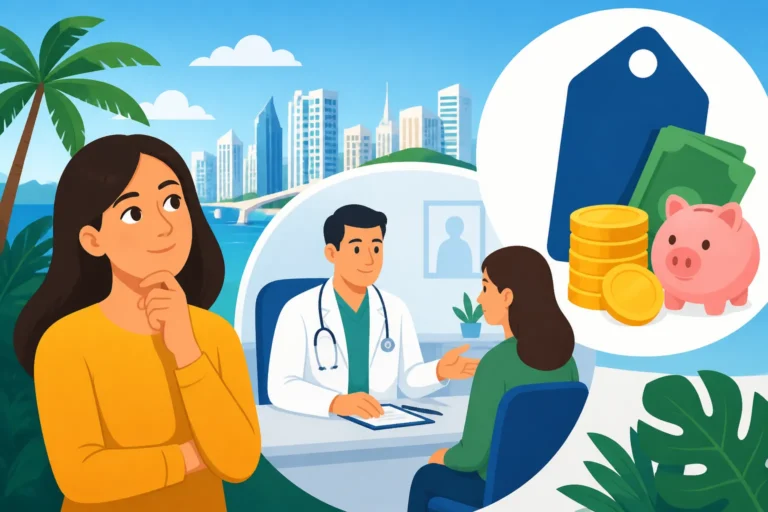
Let’s talk money, because honestly, mental health support can be a significant investment, especially when you're navigating a new healthcare system. The costs for mental health services in Panama can vary widely, just like anywhere else, depending on the professional's experience, their location, and whether they are a psychologist or a psychiatrist.
A single session with a private English-speaking psychologist or therapist might range from $50 to $120 USD. Psychiatrist consultations, given their medical degree and ability to prescribe medication, tend to be on the higher end, sometimes starting around $80 and going up to $150 or more per session. These figures can fluctuate, particularly in Panama City where demand for specialized services is higher. When you factor in multiple sessions, especially during initial intensive periods, these costs can add up quickly. It’s always a good idea to confirm the fees upfront when you make your first inquiry. Don't be shy about asking; it’s standard practice. For a broader understanding of overall medical expenses, you might find our guide on The Cost of Healthcare in Panama: A Complete Breakdown for Foreigners (2026) helpful.
Now, let's talk about insurance. This is where it gets a bit tricky for mental health, as coverage can vary significantly.
-
Panamanian Public Health System (CSS): If you’re formally employed in Panama and contribute to the Caja de Seguro Social (CSS), you do have access to public healthcare, which includes mental health services. However, finding English-speaking professionals within the CSS system can be extremely challenging, if not impossible. The wait times can also be substantial, and the system is primarily designed for Spanish speakers. For many expats, relying solely on the CSS for mental health support is not a viable option if English-language care is a priority. Learn more about How Panama's Health System Works: CSS and Private Care Explained (2027).
-
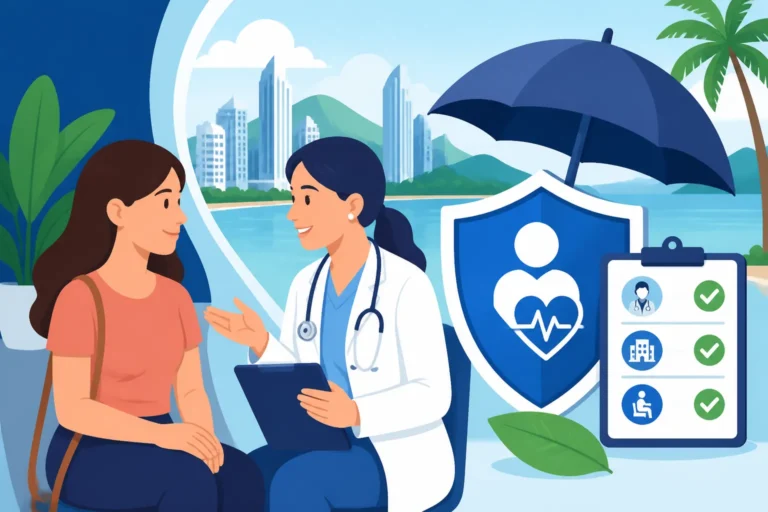
Private Local Health Insurance: Many expats opt for private health insurance in Panama. Policies offered by local providers like Assa Compañía de Seguros, Generali, or Mapfre often provide more comprehensive coverage, shorter wait times, and access to private hospitals and clinics where you have a better chance of finding bilingual staff. When choosing a private plan, it is absolutely critical to check the fine print regarding mental health coverage. Some plans may cover psychiatric consultations but exclude therapy with a psychologist, or they might have specific limits on the number of sessions or a lower reimbursement rate for mental health services compared to physical health. Make sure to ask explicit questions about:
- What types of mental health professionals are covered (psychiatrists, psychologists, counselors)?
- Are there limits on the number of sessions per year?
- What is the co-pay or deductible for mental health services?
- Is there a waiting period before mental health benefits kick in?
- Are pre-existing mental health conditions covered, and if so, under what terms?
Our guide on How to Choose Private Health Insurance in Panama (2027) can help you navigate these decisions.
-
International Health Insurance: This is often the preferred route for many expats, especially digital nomads or those who frequently travel. Providers like SafetyWing offer travel medical insurance that can include some mental health benefits, particularly for emergencies or acute conditions. Many international health insurance plans are designed to be globally comprehensive and often have clearer policies around mental health support, including outpatient therapy. What's great about these plans is that they understand the expat lifestyle and often offer access to a wider network of providers, sometimes even covering telehealth services with professionals outside of Panama. If you’re looking at long-term, comprehensive coverage, make sure your international plan explicitly covers ongoing therapy, not just crisis intervention. The flexibility of a plan like SafetyWing can be a huge relief, especially when you're figuring things out in a new country. They often have helpful customer service that can clarify coverage details, which is a massive plus when dealing with the complexities of mental health and insurance. Understanding Health Insurance in Panama: Private and International Options Explained can help you make an informed choice.
It's essential to understand How to Claim Reimbursement from Private Insurance in Panama if you have an international or local private plan. Typically, you'll pay upfront for your session and then submit an invoice or receipt to your insurance provider for reimbursement. Keep meticulous records of all appointments, payments, and diagnoses.
Leveraging Digital Platforms and Community Support
Even with the best intentions and the most comprehensive insurance, sometimes finding that perfect in-person, English-speaking therapist in Panama just doesn't happen, or it takes time. Thankfully, the digital age has opened up a world of possibilities for mental health support, and the expat community is a powerful force for collective well-being.
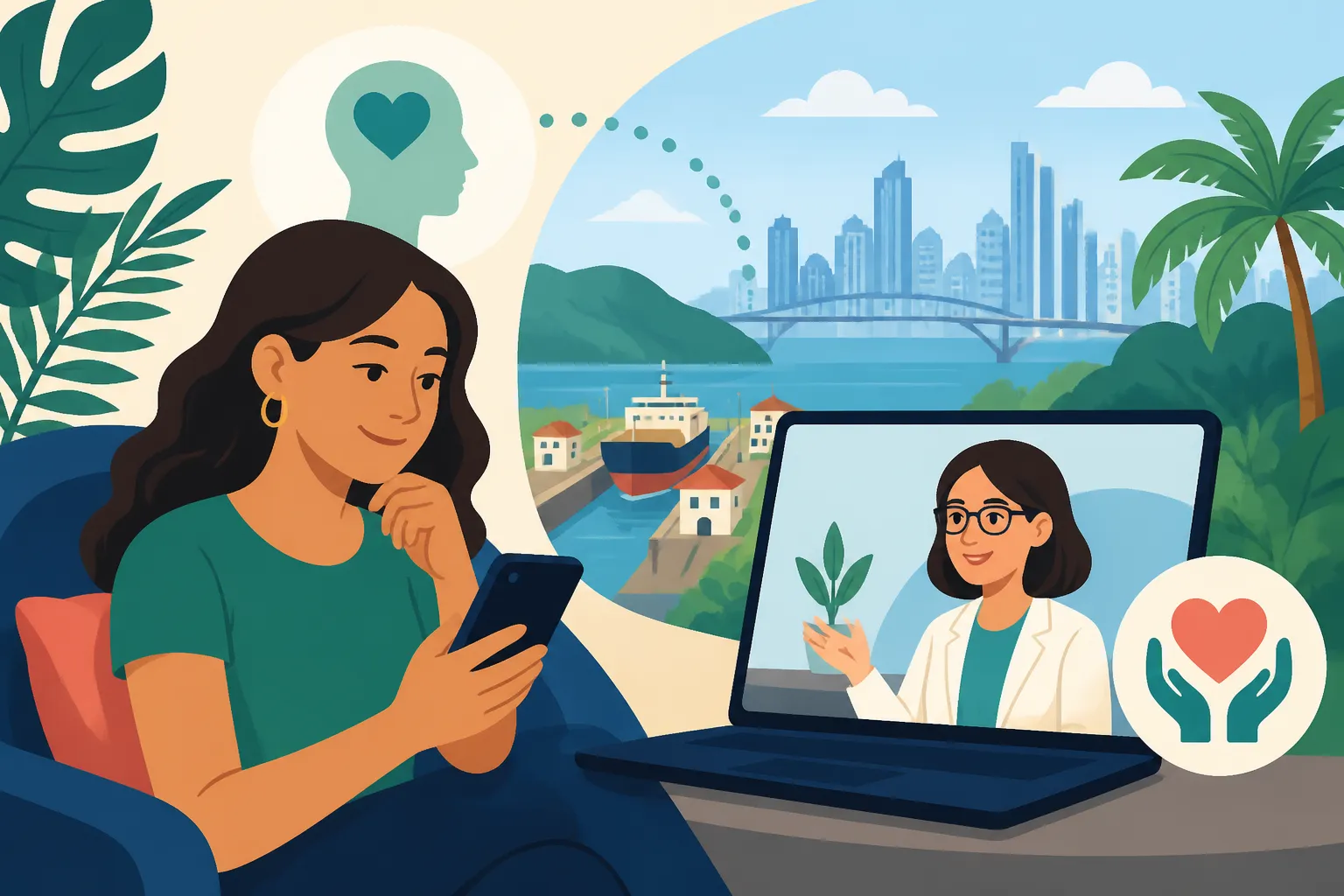
Online therapy, also known as telehealth or teletherapy, has become incredibly popular and effective, especially for expats. The beauty of this option is that it removes geographical barriers. You can connect with a licensed English-speaking therapist from anywhere in the world, often from the comfort and privacy of your Panamanian home. Platforms like BetterHelp, Talkspace, or even independent therapists offering virtual sessions via Zoom or similar secure platforms, provide a wide range of specialties and approaches. Many expats prefer this because they can find a therapist who genuinely understands their cultural background, even if that therapist isn't physically located in Panama. This can be especially comforting if you're dealing with specific issues related to your home country or previous experiences.
When considering online therapy, remember a few key things:
- Licensing: Ensure your chosen online therapist is licensed in the jurisdiction where they practice. While you might be in Panama, their licensing governs their practice.
- Time Zones: Coordinate time zones! Panama operates on Eastern Standard Time (GMT-5), so if your therapist is in Europe or Asia, you’ll need to schedule carefully.
- Internet Stability: A stable internet connection is crucial. Panama has decent internet, especially in major cities, but always have a backup plan (like mobile data) if possible.
- Privacy: Ensure you have a private, quiet space for your sessions where you won't be interrupted or overheard.
The financial aspect of online therapy often aligns well with international health insurance plans. Many comprehensive international policies, including those from providers like SafetyWing, are increasingly recognizing and covering telehealth services for mental health. It's definitely worth checking with your provider to see what their specific policies are for virtual consultations, as this can make a huge difference in managing costs. This flexibility can be a lifeline for expats.
Beyond formal therapy, never underestimate the power of your community. Expat communities in Panama, both online and in person, are incredible resources for mental well-being. Knowing that others are going through similar struggles can be profoundly validating.
- Online Expat Groups: Join Facebook groups specific to expats in Panama (e.g., "Expats in Panama," "Panama City Expats"). People often share experiences, coping strategies, and support each other through tough times. These are also excellent places to ask for therapist recommendations without publicly disclosing your personal needs.
- In-Person Meetups: Attend expat meetups, coffee mornings, or social events. Connecting with people who understand your journey, even if you're just sharing a laugh, can significantly reduce feelings of isolation. Organizations like Internations or local hobby groups are great for this. You might even find opportunities to explore How to Access Mental Health Support in English in Panama more informally, sharing insights and experiences with others.
- Support Groups: While less common for mental health specifically in English in Panama, some larger cities might have informal support groups for various topics (e.g., grief, addiction, general well-being). Keep an eye out for postings in community centers or online.
Remember, mental health isn't just about therapy; it's also about building a supportive environment. Engaging in activities you enjoy, maintaining a healthy lifestyle, connecting with nature (Panama has plenty!), and nurturing friendships are all crucial components. If you're feeling isolated, actively seek out connections. Reach out to new acquaintances, invite someone for coffee, or join a club. Even small steps can make a big difference in bolstering your emotional resilience while living abroad.
Disclaimer
The information provided in this guide is for general informational purposes only and does not constitute medical, psychological, or legal advice. While we strive to offer accurate and up-to-date information, healthcare systems and regulations in Panama can change. Always consult with a qualified mental health professional or a medical doctor for personalized advice regarding your specific situation. We recommend verifying all professional credentials, insurance coverage details, and costs directly with service providers before committing to any treatment.