What Should I Do in a Medical Emergency in Panama City?
Finding yourself in a medical emergency in a foreign country is one of the most terrifying scenarios any expat or traveler can face, and Panama City, with its bustling energy, can feel even more overwhelming in such moments. From navigating a new healthcare system to language barriers and understanding local protocols, the stress can be immense. This comprehensive guide is here to walk you through the critical steps to take if you experience a medical emergency in Panama City, offering practical advice and a clear roadmap during those frightening times.
Initial Steps and Emergency Contacts
When seconds count, knowing exactly what to do can make all the difference. It's easy to panic, but a calm, methodical approach will serve you best.
Recognizing a True Emergency
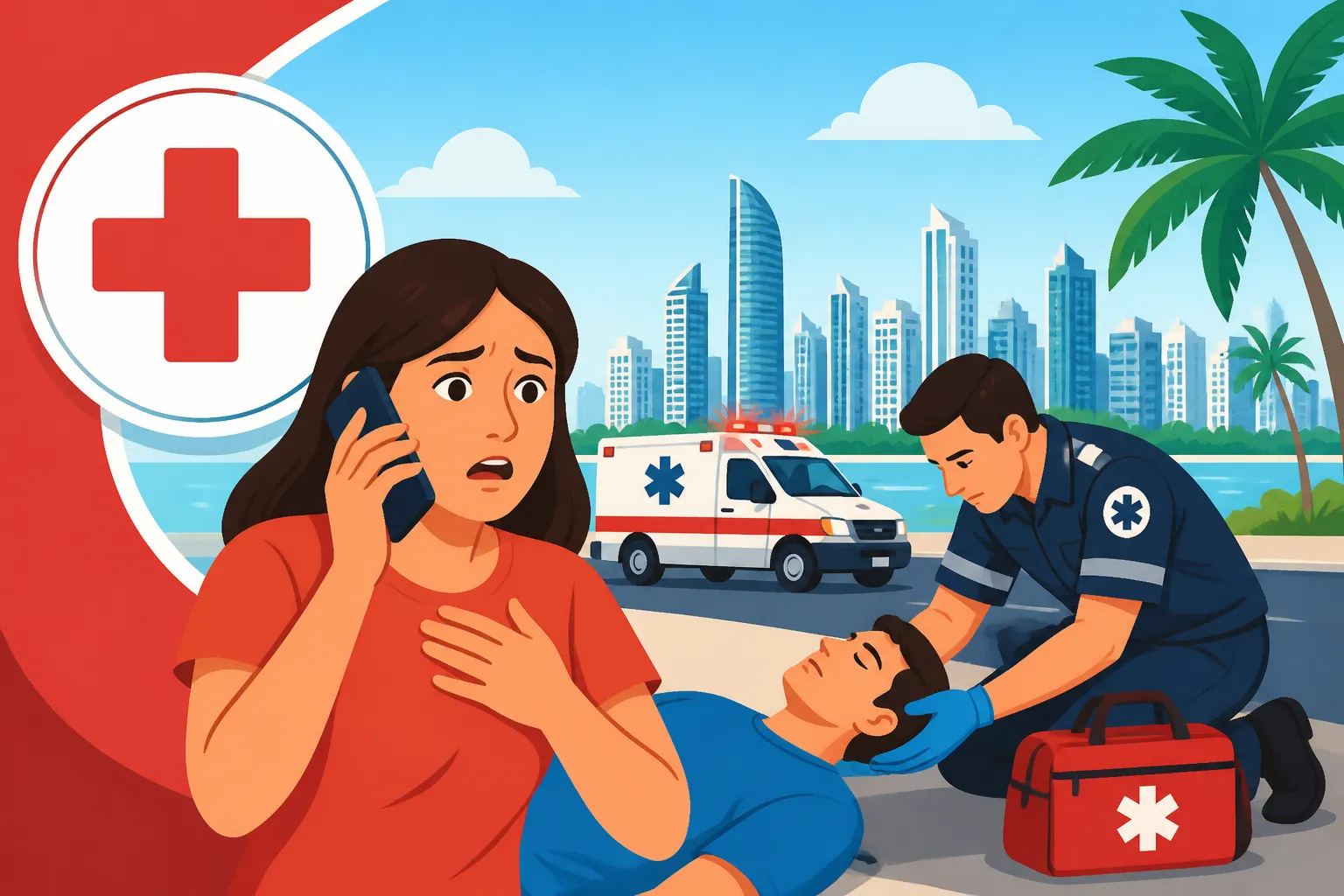
First things first: understand what truly constitutes a medical emergency here. Panama City has a tiered healthcare system, much like many places, and misusing emergency services can lead to longer wait times for real critical cases, or unnecessary expenses for you. A true emergency is a condition that, if left untreated, could result in serious harm, permanent disability, or death. Think severe chest pain, sudden loss of consciousness, uncontrolled bleeding, suspected stroke or heart attack, major trauma from an accident, or difficulty breathing.
For less urgent matters—a persistent cough, a sprained ankle where you can still walk, a fever without other severe symptoms—you're generally better off heading to an urgent care clinic (often called clínica ambulatoria or centro de atención primaria) or a general practitioner during regular hours. This not only saves you money but also ensures that the emergency room resources are available for those who truly need them. Knowing the difference upfront can prevent a lot of stress and expense.
Calling for Help: Emergency Numbers
Panama's national emergency number is 911. This number connects you to a central dispatch that can route you to police, fire, or medical services. However, and this is a crucial piece of expat wisdom, the 911 system for medical emergencies here isn't always as swift or comprehensive as what you might be accustomed to in North America or Europe. Ambulance response times can vary wildly depending on traffic (which is often horrendous in Panama City), location, and available units. Sometimes, they might even connect you to the police first, who then decide if medical assistance is needed.
Because of these potential delays, many expats and even locals often opt for direct transport to a private hospital's emergency room via taxi or private car if the patient is stable enough to be moved. If someone is truly incapacitated or critically injured, always call 911. Be prepared to give clear, concise information in Spanish if possible: your exact location (street name, building, apartment number, and any nearby landmarks), the nature of the emergency, and the patient's condition. Speak slowly and clearly. Having someone who speaks Spanish with you during an emergency call is a huge advantage. For more details on this, check out our guide on Understanding Emergency Numbers (911) and Ambulance Care in Panama.
Communicating Your Needs
The language barrier is a very real challenge in a medical emergency. While many doctors and some hospital staff in private hospitals in Panama City speak at least some English, especially in the more internationally-oriented facilities, it's not a guarantee. Nurses, receptionists, and ambulance personnel might have limited English proficiency.
Having a few key Spanish phrases ready can be a lifesaver:
- Es una emergencia médica. (It's a medical emergency.)
- Necesito un médico. (I need a doctor.)
- Me duele aquí. (It hurts here.) – Point to the area.
- No puedo respirar. (I can't breathe.)
- Soy alérgico a… (I'm allergic to…)
- Tomo estos medicamentos… (I take these medications…)
Better yet, consider carrying a small card with your essential medical information: blood type, known allergies, current medications, any chronic conditions, and emergency contact details. Have it translated into Spanish. Also, a translation app on your phone can be invaluable, though relying solely on technology in a high-stress, potentially chaotic environment isn't ideal. If possible, bring a Spanish-speaking friend or colleague with you. Their presence can significantly reduce miscommunication and advocate on your behalf.
Navigating Hospitals and Medical Facilities
Once you've made the initial call for help or are en route, your next step is determining which medical facility is best equipped to handle your situation. Panama City offers a range of options, from public hospitals to world-class private institutions.
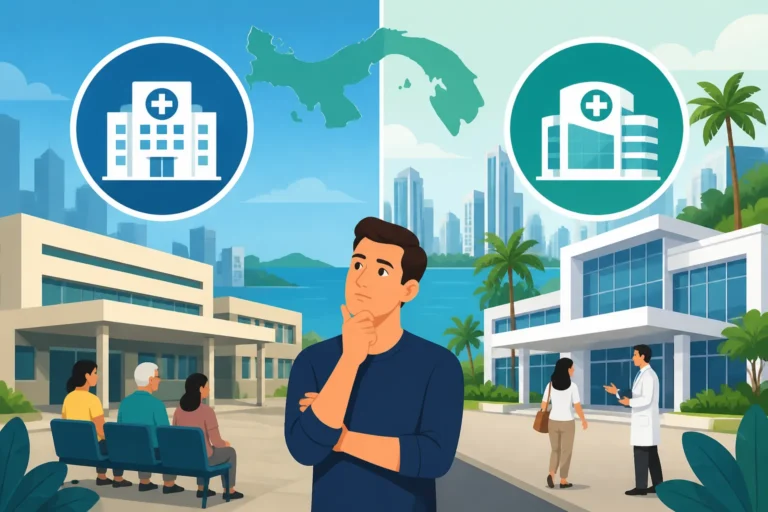
Public vs. Private Hospitals in Panama City
Panama operates a dual healthcare system: the public system, primarily managed by the Caja de Seguro Social (CSS) and the Ministry of Health (MINSA), and a robust private system.
-
Public Hospitals: Institutions like Hospital Santo Tomás in Bella Vista, or the Complejo Hospitalario Arnulfo Arias Madrid (the main CSS hospital), are the backbone of public healthcare. They are generally much more affordable, sometimes even free, for those covered by the CSS or without the means to pay for private care. However, they can be crowded, wait times for emergency services can be extremely long, and English-speaking staff are rare. Resources, while adequate for many situations, might not be as state-of-the-art as in private facilities, and privacy can be limited. If you are covered by the CSS, you can access these services, but expats often find the experience challenging due to bureaucratic hurdles and the environment. You can learn more about Public vs Private Healthcare in Panama: What Expats Need to Know.
-
Private Hospitals: These are where most expats, if they have insurance, tend to go. Panama City boasts several excellent private hospitals that offer modern facilities, advanced technology, and a higher likelihood of English-speaking doctors and staff. These include Hospital Punta Pacifica, Hospital Nacional, and Clínica Hospital Paitilla. They are often affiliated with international medical networks and provide a standard of care comparable to many Western countries. The downside, of course, is the cost, which can be significantly higher, especially without private health insurance.
For immediate emergencies, especially if you have private insurance or the means to pay, heading directly to a private hospital's emergency room is almost always the preferred option for expats.
Choosing the Right Hospital for Your Situation
Knowing which private hospital to choose in Panama City can still be a bit of a decision point in an emergency. Here’s a quick overview of some top choices:
- Hospital Punta Pacifica: Often considered the most technologically advanced hospital in Panama, it has a strategic alliance with Johns Hopkins Medicine International. Located in the exclusive Punta Pacifica neighborhood, it's known for its high-quality care, extensive services, and modern amenities. It’s a top choice for complex cases and those seeking a very high standard of comfort and care.
- Hospital Nacional: Situated in the heart of Panama City, this hospital is another highly respected private option. It offers a wide range of specialties, an established emergency department, and a strong reputation for skilled medical professionals. It's often a good balance between advanced care and accessibility.
- Clínica Hospital Paitilla: Also located centrally, Paitilla has been a trusted institution for decades. It's known for its comprehensive services and is a popular choice for many residents and expats. Its emergency services are well-regarded, and it generally offers a good level of English support.
If you have specific medical conditions, it might be worth researching which hospital specializes in those areas before an emergency arises. For example, some hospitals might have better cardiology units, while others excel in orthopedics. Our guide on How to Use Major Hospitals Like Punta Pacifica and Hospital Nacional delves deeper into these facilities.
Arrival at the Emergency Room
When you arrive at a private hospital emergency room, the process will typically involve:
- Triage: A nurse will assess your condition to determine the severity and prioritize your treatment. Be clear and honest about your symptoms.
- Registration: You’ll need to provide personal details, identification (passport or cédula), and insurance information. If you have private health insurance, have your policy details and card readily available. This is where having international travel medical insurance like SafetyWing can be incredibly helpful, as they are often recognized by these private institutions.
- Consultation: You'll see an emergency room doctor, who will conduct a more thorough examination, order tests (blood work, X-rays, scans), and determine the course of treatment.
- Treatment/Admission: Depending on your diagnosis, you’ll either be treated and discharged, or admitted for further care.
It's common for private hospitals, especially if you don't have established direct billing with an insurer, to ask for an upfront deposit or payment guarantee before significant treatment begins. This can be jarring, but it's a reality of the system here. Don't be afraid to ask for a breakdown of estimated costs.
| Feature | Public Hospitals (e.g., Santo Tomás) | Private Hospitals (e.g., Punta Pacifica) |
|---|---|---|
| Cost | Very Low / Free (with CSS) | High |
| Wait Times | Long, especially for non-critical | Shorter, more efficient |
| Staff Language | Primarily Spanish | Often bilingual (Spanish/English) |
| Facilities | Basic, functional | Modern, advanced technology |
| Comfort & Privacy | Limited | High |
| Expats Often Use | For CSS members, or extreme budget | Preferred by most insured expats |
| Payment Expected | Minimal or none (with CSS) | Upfront deposit or insurance guarantee |
Financial Considerations and Insurance
The financial impact of a medical emergency can be substantial, and understanding how costs work in Panama is critical. This is where your preparations before an emergency truly pay off.
Understanding Costs
Healthcare costs in Panama can vary wildly. Public hospitals are incredibly affordable, but as discussed, they come with trade-offs. Private hospitals, on the other hand, can be expensive, though often still more affordable than comparable private care in the US. An emergency room visit might start from around $100-$300 for a basic consultation and go up significantly once tests, procedures, and medications are added. For serious emergencies requiring hospitalization, surgeries, or intensive care, bills can quickly climb into the thousands or tens of thousands of dollars. Our comprehensive guide on The Cost of Healthcare in Panama: A Complete Breakdown for Foreigners (2026) provides more detailed figures.
Always ask for an itemized bill (cuenta detallada) if possible, and don't hesitate to question charges you don't understand. Sometimes, there can be minor discrepancies, and it's your right to clarify.
Using Private Health Insurance
For most expats, private health insurance is not just recommended, it's virtually essential for peace of mind and access to quality care in Panama City. Both local Panamanian insurance plans and international health insurance options are available.
- Local Panamanian Plans: Companies like ASSA or Internacional de Seguros offer good coverage within Panama. They often have direct billing agreements with the major private hospitals, which means the hospital bills your insurance company directly, reducing your upfront out-of-pocket expenses to just co-pays or deductibles.
- International Health Insurance: Providers such as Health Insurance in Panama: Private and International Options Explained offer coverage that extends beyond Panama, which is great if you travel frequently. Some international plans also have direct billing, but others might require you to pay upfront and then submit a claim for reimbursement. It's crucial to understand your policy's specifics, especially for emergency care and direct billing capabilities, before an emergency arises. Providers like SafetyWing are well-known among digital nomads and short-term expats for their travel medical insurance, which can cover emergency situations in Panama and can be a fantastic stop-gap solution when you first arrive or for shorter stays. Even if you have a local plan, supplemental coverage like that offered by SafetyWing can provide an extra layer of protection, particularly if you travel outside of Panama regularly.
When you're admitted or receive treatment, inform the hospital staff immediately about your insurance. Provide your policy number, the insurance company's contact details, and ideally, a copy of your insurance card. If you have a plan that requires upfront payment and reimbursement, make sure to collect all necessary documentation: itemized bills, medical reports, and receipts. Your insurer will need these to process your claim. Understand How to Claim Reimbursement from Private Insurance in Panama to ensure a smooth process.
What if You Don't Have Insurance?
This is a scenario we all hope to avoid, but it's a reality for some. If you find yourself in a medical emergency in Panama City without health insurance, your options are more limited and potentially much more expensive.
- Public Hospitals: If you absolutely cannot afford private care, a public hospital like Hospital Santo Tomás will provide necessary emergency treatment regardless of your ability to pay. However, as noted, expect longer waits, basic facilities, and less privacy.
- Private Hospitals (Self-Pay): You can still seek care at a private hospital, but you will be expected to pay for services out-of-pocket, often requiring an upfront deposit for critical care. This can quickly deplete savings. They may also be less willing to perform non-life-threatening procedures without a significant initial payment. In these situations, try to negotiate a payment plan if a large sum is required, but be aware that their primary focus will be on securing payment. To avoid such a stressful situation, seriously consider securing at least a basic travel medical insurance plan like SafetyWing before your arrival or as soon as possible if you're already here. It’s better to have something than nothing. Our article What Happens If I Get Sick Without Insurance in Panama? explores this scenario in depth.
Post-Emergency Follow-up and Support
The immediate crisis might pass, but the journey to full recovery often involves crucial follow-up care and, sometimes, emotional support.
Discharge and Aftercare
When you're discharged from the hospital, make sure you thoroughly understand all instructions for aftercare. Ask questions about:
- Medications: What they are, how to take them, potential side effects, and where to purchase them. Panama's pharmacies are generally well-stocked, and many medications are available without a prescription, but always follow your doctor's advice. Our guide on Prescription Medications and Pharmacies in Panama: The Complete Guide can help.
- Follow-up Appointments: When and with whom you need to schedule follow-up visits. Confirm the doctor’s name, clinic location, and contact number.
- Activity Restrictions: What you can and cannot do during your recovery period.
- Warning Signs: What symptoms should prompt you to seek further medical attention immediately.
Don't be afraid to ask for explanations to be repeated or written down. If there's a language barrier, request a translator or ask a bilingual friend to help you clarify everything. The hospital should provide a discharge summary (resumen de alta) with your diagnosis and treatment details.
Accessing Your Medical Records
Having access to your medical records is essential, especially if you need to coordinate care with other specialists or for insurance claims. Private hospitals generally have digitized records, and you can request a copy of your full medical file. There might be an administrative fee for this, but it’s a worthwhile expense. Ensure you receive copies of all test results, imaging reports, and doctor's notes. This information is invaluable for continuity of care.
If you plan to follow up with a specific specialist or a general practitioner outside the hospital, bring these records with you to your appointment. This saves time and ensures your new doctor has a complete picture of your emergency and recovery. For ongoing care, finding a reliable How to Find an English-Speaking Doctor in Panama can be a great relief.
Mental Health Support
A medical emergency, especially in a foreign country, can take a significant toll on your mental and emotional well-being. The fear, pain, uncertainty, and the administrative hurdles can leave you feeling drained and anxious. It's okay to acknowledge these feelings and seek support.
Panama City has a growing number of mental health professionals, including psychologists and therapists, many of whom are fluent in English. Don't underestimate the power of talking through your experience. You might also find solace in expat support groups, where others have likely faced similar challenges and can offer empathy and practical advice. Taking care of your mental health after a traumatic medical event is just as important as physical recovery. Our guide on How to Access Mental Health Services in Panama as an Expat offers resources and advice.
Stay prepared, understand your options, and know that you’re not alone in facing these challenges. Being an expat means adapting, and this guide is designed to help you navigate one of the toughest situations you might encounter.
Disclaimer
The information provided in this guide is for general informational purposes only and does not constitute medical, legal, or financial advice. While we strive to provide accurate and up-to-date information, local regulations, healthcare services, and costs can change. Always consult with qualified medical professionals for health concerns, legal experts for immigration and legal matters, and financial advisors for financial planning. Your specific situation may require personalized advice.