Are Generic Medicines Available in Panamanian Pharmacies?
Navigating a new country’s healthcare system can be one of the most stressful parts of expat life, and finding familiar medications at an affordable price often adds to that anxiety. Many of us arrive in Panama wondering if we'll be stuck paying premium prices for brand-name drugs, or if there's a more budget-friendly option. This comprehensive guide will walk you through everything you need to know about generic medicines in Panamanian pharmacies, helping you feel more confident and in control of your health and your wallet.
The Reality of Panamanian Pharmacies and Generic Availability
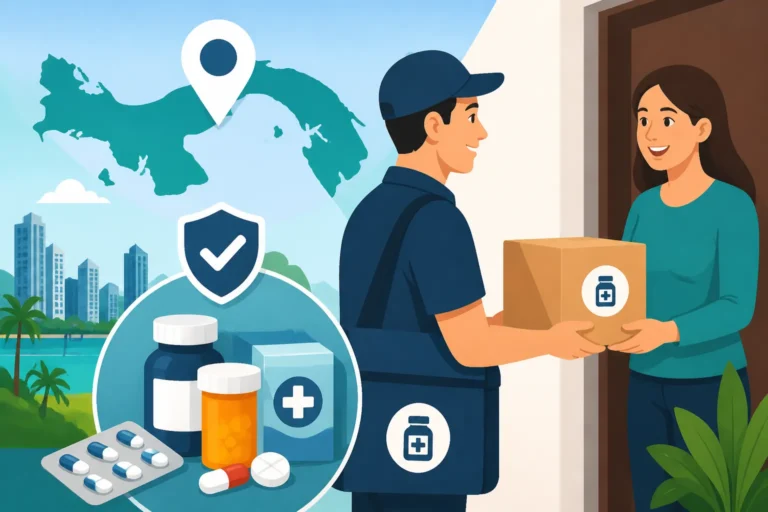
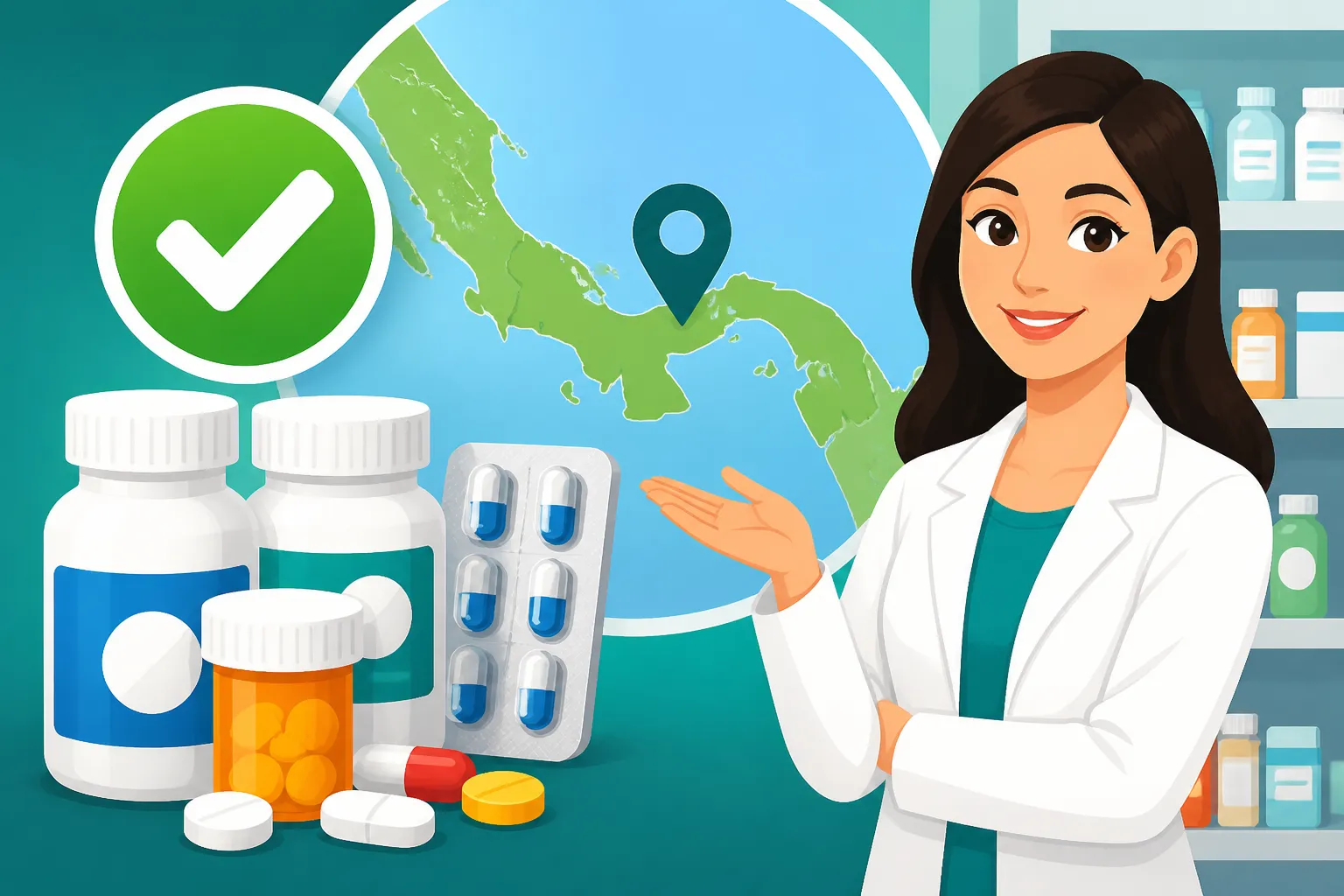
When you first step into a farmacia in Panama, it can feel a little different from what you might be used to back home. But let me tell you, one of the pleasant surprises for many expats is the widespread availability and acceptance of generic medications. This isn't just a niche option; it's a fundamental part of how healthcare works here, often championed by doctors and readily stocked by pharmacies. The good news is, yes, generic medicines are not only available but often encouraged as a cost-effective alternative to their brand-name counterparts.
Panama's pharmaceutical landscape is quite robust, with a mix of large chain pharmacies and smaller, independent establishments. You'll quickly become familiar with names like Farmacias Arrocha, Farmacias Metro, and even larger supermarkets like El Machetazo, which often have well-stocked pharmacy sections. These places are your go-to for everything from over-the-counter pain relievers to specialized prescription drugs. What’s more, many Panamanian doctors are very comfortable prescribing generics, understanding the financial burden that brand-name drugs can place on patients. They often write prescriptions using the active ingredient name, or explicitly note that a generic substitute is acceptable, which really smooths the process for you at the pharmacy counter.
Dispelling the Myth: Are Generics as Good?
It’s a common, completely valid concern, especially if you’re from a country where generics might have a different reputation or where the cost difference isn’t as stark. You might wonder if you're compromising on quality by opting for a generic. Let me put your mind at ease: in Panama, as in many parts of the world, generic medications are regulated to ensure they meet the same strict standards for quality, safety, and effectiveness as their brand-name versions. The Panamanian health authority, the Ministerio de Salud (MINSA), works to ensure that these standards are upheld.
What this means in practical terms is that a generic medication contains the exact same active ingredient, in the same dosage, and is intended to be absorbed and utilized by the body in the same way as the original brand-name drug. The only differences are usually in the inactive ingredients, such as binders, fillers, or dyes, which don't affect the therapeutic action. So, when your doctor suggests a generic version of a drug you've been taking for years, or when a pharmacist offers it, you can generally accept with confidence. This adherence to rigorous bioequivalence standards is crucial for patient safety and efficacy, and it’s something Panama takes seriously.
The Cost Savings Factor
This is where generic medicines really shine for expats in Panama. The price difference between a brand-name drug and its generic equivalent can be substantial, often saving you anywhere from 30% to 80% or even more on your medication costs. This can make a significant impact on your monthly budget, especially if you’re managing a chronic condition that requires ongoing prescriptions. For many expats, one of the key attractions of living in Panama is the Cost of Living in Panama for Expats (2026), and medication costs play a big role in that equation.
Consider a hypothetical scenario: you've been prescribed a common antibiotic. The brand-name version might cost $30-$40 for a course, while the generic could be as low as $5-$10. Multiply that by several medications or ongoing treatments, and you can see how quickly those savings add up. This is particularly valuable if you're paying out-of-pocket, which many expats do, especially when first arriving or if they only have international travel insurance like SafetyWing that might require upfront payments before reimbursement. Even with local private health insurance, opting for generics often means lower co-pays or faster depletion of your deductible, putting more money back in your pocket. This isn’t just about saving a few dollars; it’s about making healthcare more accessible and affordable in your new home.
How to Find and Request Generic Medicines in Panama
So, you’ve got a prescription in hand, or you know you need a specific over-the-counter medication. How do you go about making sure you get the generic version? It’s often simpler than you might think, but a little preparation and clear communication go a long way, especially if your Spanish isn't fluent yet. Knowing the active ingredient, being direct with your doctor, and confidently asking at the pharmacy are your best tools.
Understanding Prescriptions and Doctor Communication
When you visit a doctor in Panama, whether it's a general practitioner or a specialist, be proactive about discussing medication costs. Don't be shy; it's a common conversation. Many Panamanian doctors are accustomed to prescribing generics, and if they don't explicitly write "genérico" on the prescription, a simple request like "Puede recetar la versión genérica, por favor?" (Can you prescribe the generic version, please?) will usually suffice. You can also ask them to write the active ingredient name rather than a specific brand name. This is often the default practice, but it's good to confirm.
For instance, if you need a pain reliever, they might write "Ibuprofeno" instead of "Advil" or "Motrin." Knowing the active ingredient is key here. If you're coming from another country, it's a good idea to research the active ingredients of any medications you regularly take. This makes it much easier to communicate your needs to a Panamanian doctor and ensures you get the correct generic equivalent. Even if you're used to brand-name recognition, focusing on the chemical compound will serve you best in the Panamanian system. For more on navigating doctor visits, check out our guide on How to Find and Register with a Doctor in Panama.
Navigating the Pharmacy Counter
Once you have your prescription, head to your chosen pharmacy. When you hand over your prescription, it’s perfectly acceptable, and frankly, expected, to ask for the generic option. You can say, "Tienen la versión genérica de esto?" (Do you have the generic version of this?) or "Prefiero la versión genérica, si está disponible" (I prefer the generic version, if it's available). The pharmacists here are generally very helpful and will often present you with the options, including the brand name and one or more generic versions, along with their respective prices.
Don't feel pressured to buy the more expensive option. If they only show you the brand name, simply reiterate your preference for the generic. Sometimes, there might not be a generic available for a very new or specialized medication, but for most common ailments and chronic conditions, you'll have options. Always confirm the price before the pharmacist rings it up. This is also a good time to ask about any specific instructions for taking the medication, especially if the packaging is in Spanish and you need a quick clarification.
Important Considerations for Expats Regarding Generics
While the availability and affordability of generics in Panama are a huge plus, there are still a few things expats should keep in mind to ensure a smooth experience. Understanding the nuances of medication names, knowing about quality assurances, and how your insurance factors in are all crucial pieces of the puzzle.
Brand Names vs. Generic Names: The Importance of Active Ingredients
This can't be stressed enough: focus on the active ingredient. While you might know a medication by its catchy brand name from back home, that name might be entirely different, or even non-existent, in Panama. The active ingredient, however, remains universal. For example, if you take a medication called 'Panadol' in some countries, you should know its active ingredient is Paracetamol or Acetaminophen. By asking for "Paracetamol" in Panama, you're much more likely to get what you need, and likely in a generic form.
Keeping a list of your regular medications, noting both their brand name and, crucially, their active chemical compound, will save you a lot of potential headaches and confusion. This proactive step helps bridge any language barriers or differences in local branding. It's also incredibly useful if you need to discuss your medication history with a new doctor in Panama, ensuring continuity of care. This practice is also vital for understanding Prescription Medications and Pharmacies in Panama: The Complete Guide.
Quality Control and Sourcing Concerns
It's natural to have concerns about medication quality, especially when purchasing in a foreign country. The good news is that Panama's regulatory bodies, primarily MINSA, are tasked with overseeing the quality and safety of pharmaceuticals, including generics, sold within the country. This means that drugs, whether brand-name or generic, generally undergo approval processes to ensure they meet established standards before they hit pharmacy shelves. Most medications you'll find in reputable pharmacies like Farmacias Arrocha or Farmacias Metro are sourced from well-known international and local manufacturers, many of whom adhere to global pharmaceutical manufacturing practices.
However, just as you would anywhere in the world, it's always wise to purchase from established, licensed pharmacies rather than from unregulated street vendors or unverified online sources. Sticking to recognized pharmacy chains minimizes any potential risk. In my years here, I’ve found the pharmacists to be knowledgeable and professional, always willing to address any concerns. If you ever have doubts about a specific generic medication, don't hesitate to ask the pharmacist or your doctor for reassurance or alternative options.
Insurance Coverage for Generics
How your health insurance handles generic medications can vary widely depending on whether you have a local Panamanian plan or an international policy. Most Panamanian private health insurance plans, and even the public Caja de Seguro Social (CSS) if you're enrolled, are designed to cover or heavily subsidize generic medications, often with lower co-pays than brand-name drugs. This is because generics are more cost-effective for the insurance providers themselves. If you are exploring How to Choose Private Health Insurance in Panama (2027), make sure to inquire about their policy on generic vs. brand-name drug coverage.
For those relying on international travel insurance, like SafetyWing, for initial coverage or short-term stays, you might pay for prescriptions out-of-pocket and then submit for reimbursement. In these cases, opting for generics is even more financially advantageous, as it reduces your initial outlay and the amount you'll need to claim back. It's always best to check the specifics of your policy regarding prescription drug coverage, including any deductibles, co-insurance, or preferred pharmacy networks. This will help you understand Understanding Out-of-Pocket Healthcare Costs and Co-Pays in Panama for your specific situation.
Common Generic Medications and What to Expect
Let's get down to some practical examples. You'll find that a vast array of common medications, both over-the-counter and prescription-only, are available in generic form in Panama. This includes everything from simple pain relievers to medications for chronic conditions like hypertension or diabetes. The pricing, as discussed, is usually significantly lower for generics.
Over-the-Counter Generics You'll Find Easily
For everyday aches, pains, colds, and minor ailments, you'll be spoiled for choice with generic options. Here are some common examples:
- Pain Relievers/Fever Reducers: Ibuprofeno (Ibuprofen), Paracetamol (Acetaminophen), Naproxeno (Naproxen). These are universally available and very affordable.
- Allergy Medications: Loratadina (Loratadine), Cetirizina (Cetirizine). If you suffer from seasonal allergies, you'll find these readily available without a prescription.
- Antacids: Ranitidina (Ranitidine), Omeprazol (Omeprazole, often available over the counter in lower doses). Great for indigestion.
- Cold and Flu Remedies: You'll find many generic combinations for coughs, congestion, and sore throats. Look for active ingredients like Pseudoefedrina (Pseudoephedrine) or Guaifenesina (Guaifenesin).
- Topical Creams: Hydrocortisona (Hydrocortisone) for skin irritations, Miconazol (Miconazole) for fungal issues.
These medications are usually displayed openly on pharmacy shelves, much like in a supermarket, so you can browse and compare prices directly. If you're unsure, just ask one of the pharmacy staff, who are typically very helpful.
Prescription Generics: Availability and Pricing
For medications that require a doctor's prescription, the availability of generics is equally high. This is where the real savings come in for those managing ongoing health issues. Some common prescription generics you can expect to find include:
- Antibiotics: Amoxicilina (Amoxicillin), Ciprofloxacina (Ciprofloxacin), Azitromicina (Azithromycin). You'll typically find a good selection.
- Blood Pressure Medications: Losartán (Losartan), Amlodipina (Amlodipine), Enalapril (Enalapril). These are widely prescribed and have affordable generic versions.
- Diabetes Medications: Metformina (Metformin), Glibenclamida (Glibenclamide). Essential for managing blood sugar.
- Cholesterol-Lowering Drugs: Atorvastatina (Atorvastatin), Simvastatina (Simvastatin).
- Antidepressants/Anxiety Medications: Sertralina (Sertraline), Fluoxetina (Fluoxetine), Clonazepam (Clonazepam). Note that some of these might require a special prescription form or be subject to stricter dispensing rules.
- Thyroid Medication: Levotiroxina (Levothyroxine).
The pricing for these prescription generics is usually a fraction of their brand-name counterparts. For example, a month's supply of generic Losartan might cost you less than $10-$15, whereas the branded equivalent could be $50 or more. This affordability makes managing chronic conditions in Panama far more accessible than in many Western countries, even if you are entirely self-funded. This is particularly relevant if you're trying to calculate The Cost of Healthcare in Panama: A Complete Breakdown for Foreigners (2026).
To give you a clearer picture, here's a table comparing some common medication types and what you might expect:
| Medication Type | Common Active Ingredient (Generic Name) | Typical Brand Name (example) | Average Generic Cost (USD) | Average Brand Name Cost (USD) | Notes |
|---|---|---|---|---|---|
| Pain/Fever | Paracetamol | Tylenol, Panadol | $2 – $5 | $8 – $15 | Widely available OTC in various strengths. |
| Anti-Inflammatory | Ibuprofeno | Advil, Motrin | $3 – $7 | $10 – $20 | Also widely available OTC, good for muscle aches and inflammation. |
| Allergy | Loratadina | Claritin | $4 – $10 | $15 – $30 | Common antihistamine, readily found in all pharmacies. |
| Acid Reflux | Omeprazol | Prilosec | $5 – $15 | $20 – $45 | Lower doses often OTC, higher doses prescription. |
| Antibiotic | Amoxicilina | Amoxil | $7 – $20 | $30 – $60 | Requires prescription. Pricing depends on dosage and duration. |
| Blood Pressure | Losartán | Cozaar | $10 – $25 | $50 – $100+ | Requires prescription. Monthly supply. |
| Cholesterol | Atorvastatina | Lipitor | $12 – $35 | $70 – $150+ | Requires prescription. Monthly supply. |
| Antidepressant | Sertralina | Zoloft | $15 – $40 | $80 – $180+ | Requires prescription. Specific regulations may apply to certain psychotropic medications. For related information, see How to Access Mental Health Services in Panama as an Expat. |
Note: Prices are approximate and can vary between pharmacies, specific brands, and dose/quantity. Always confirm current pricing at the pharmacy.
As you can see, the financial benefits of opting for generic medicines in Panama are clear and significant. It's a system that truly benefits the consumer, allowing expats to manage their health needs effectively without breaking the bank. So next time you're at the farmacia, don't hesitate to ask for the generic; your wallet will thank you!
Disclaimer
The information provided in this guide is intended for general informational purposes only and does not constitute medical advice. While we strive to provide accurate and up-to-date information based on typical expat experiences in Panama, individual circumstances may vary. Always consult with a qualified healthcare professional or pharmacist in Panama for personalized medical advice, diagnosis, or treatment. Local regulations and availability of medications can change, so it's always recommended to verify information with official sources or medical practitioners.