What Private Insurance Covers Pre-Existing Conditions in Panama?
Finding health insurance in Panama that adequately covers pre-existing conditions can feel like a labyrinth, leaving many expats feeling frustrated and vulnerable. It's a common worry: how do you ensure chronic issues, past surgeries, or ongoing treatments won't leave you in a lurch, or worse, financially devastated, while living far from home? This guide will walk you through the often-complex world of private health insurance in Panama, specifically addressing the nuances of pre-existing conditions and helping you uncover which options genuinely offer the coverage you need.
The Reality of Pre-Existing Conditions in Panama's Insurance Landscape
Let's be real, the moment you mention "pre-existing conditions" to an insurance agent, you often see a subtle shift in their demeanor. In Panama, like many places, insurance companies are in the business of assessing risk, and a known health issue introduces a level of uncertainty that makes them hesitant. It’s not just you; it’s a universal challenge for expats everywhere.
Defining "Pre-Existing Condition" in the Panamanian Context
When we talk about pre-existing conditions, we're referring to any medical condition for which you've received diagnosis, treatment, medication, or advice from a doctor before the effective date of your new insurance policy. This isn't just about active illnesses; it can include things you might consider resolved. For instance, if you had a knee surgery five years ago and occasionally feel a twinge, that knee issue could be considered pre-existing. If you're managing high blood pressure with medication, or had a cancer diagnosis that's now in remission, those absolutely fall into this category.
In Panama, local insurers tend to be quite strict about this definition. They often look back several years, sometimes five or even ten, into your medical history. This means that a condition that you might not even think about anymore, but which required medical attention in the past, can surface during the application process. This often comes as a surprise to many, especially if they've been healthy for a long time. They're not just looking for recent hospitalizations; even a history of anxiety for which you saw a therapist, or a minor allergy prescribed medication, can be flagged. The key is anything documented in your medical records that predates your application.
Why Local Insurers Are Often Hesitant or Exclude
Panama's local insurance market, while growing and offering some excellent services, operates on a different scale than larger, international markets. This often means they have less capacity for high-risk clients or complex medical histories. Their risk assessment models are generally more conservative.
Firstly, they might outright exclude any pre-existing condition from coverage. This means that if your policy explicitly states an exclusion for "hypertension," then any doctor's visits, medications, or hospitalizations related to your blood pressure would not be covered. You'd be paying out of pocket for those, which, as we know, can quickly add up, even with Panama’s more affordable healthcare costs compared to North America or Europe.
Secondly, they might offer coverage but with significantly higher premiums. This is the insurer's way of mitigating their risk – they're essentially charging you more to offset the potential cost of your known condition. This can make local policies prohibitively expensive for some expats, defeating the purpose of moving to Panama for a lower cost of living.
Lastly, some local plans might impose a longer waiting period specifically for pre-existing conditions. While many policies have a general waiting period (e.g., 30 days for illnesses, 12 months for maternity), for pre-existing conditions, this could extend to a year or even longer after your policy starts. This means you’d have to wait that entire period before the condition is eligible for any coverage, leaving you exposed during that time. It's crucial to ask directly, "What exactly will be covered, and when, if I have [specific condition]?" Don't assume anything.
Navigating Your Options: What's Really Available?
Given the often-rigid stance of local Panamanian insurers, expats with pre-existing conditions typically need to cast a wider net. It's not impossible to find coverage, but it requires understanding where to look and what to prioritize.
The Role of International Health Insurance Providers
This is often where expats find the most flexibility and comprehensive solutions. International health insurance providers are designed to cover individuals living abroad, and their underwriting processes are generally more sophisticated when it comes to pre-existing conditions. They operate on a global scale, meaning their risk pools are much larger, allowing them to absorb more diverse medical histories.
Many international plans offer various approaches to pre-existing conditions:
- Full Coverage with Loading: This is when they agree to cover your pre-existing condition, but they'll add a "loading" (an extra percentage) to your premium to account for the increased risk. While this makes the policy more expensive, it provides the peace of mind that your condition is fully covered.
- Coverage with Specific Exclusions: Similar to local insurers, they might exclude a very high-risk condition, but cover everything else. The key here is that they might be more willing to cover milder pre-existing conditions that local insurers would shy away from.
- Moratorium Underwriting: This is a common approach for international plans. Instead of declaring all your pre-existing conditions upfront, the insurer applies a moratorium, usually 12-24 months. During this period, any pre-existing conditions are not covered. However, if you don't experience symptoms, treatment, or advice for that condition during the moratorium, it may become eligible for coverage after the moratorium ends. This can be a gamble, but it's an option for those with stable, non-acute conditions.
- Coverage with a Waiting Period: As discussed, even if they agree to cover your pre-existing condition, there might be a specific waiting period before that coverage kicks in. This is different from a general policy waiting period.
Providers like SafetyWing, while often known for their travel medical insurance, also offer longer-term expat health insurance solutions that address some of these complexities. Their Nomad Insurance, for instance, has benefits that apply to sudden and unexpected acute onset of pre-existing conditions, which can be a lifeline in an emergency. For full, planned care of a chronic condition, you'd typically look at a more comprehensive expat health plan. Companies like Cigna Global, Aetna International, and GeoBlue are also well-regarded in the international expat insurance space and are worth exploring for their tailored offerings, especially if you have chronic conditions requiring ongoing management.
The medical underwriting process for these international plans is thorough. You'll typically fill out a detailed medical questionnaire, and they may request medical records from your previous doctors. Honesty here is paramount; failing to disclose a condition can lead to your policy being voided when you need it most.
If you're looking for how to choose private health insurance in Panama, understanding these distinctions is vital.
Group Plans and Employer-Provided Coverage
Sometimes, the easiest way to secure coverage for pre-existing conditions in Panama is through a group plan. If you're employed by a Panamanian company or a multinational corporation with offices here, their employer-sponsored health insurance might be more lenient. Group policies generally have less stringent underwriting requirements because the risk is spread across a larger number of people.
Many companies in Panama, especially larger ones in Panama City or those operating within the Panama Canal Zone, offer decent health benefits. These plans often come with better terms for pre-existing conditions, sometimes covering them immediately or after a much shorter waiting period, or even waiving the exclusions entirely, depending on the size of the group.
However, relying solely on an employer's plan has its drawbacks. What happens if you change jobs or decide to become self-employed? You could find yourself back at square one, trying to find individual coverage. It’s also crucial to understand the specifics of what their group policy covers. Just because it's a group plan doesn't automatically mean all pre-existing conditions are covered without limitation. Always get a copy of the policy details and read the fine print regarding pre-existing conditions. For insights into Understanding Health Insurance Contributions Through the CSS in Panama, remember that employer-provided private insurance is distinct from the public social security system, though both contribute to your overall health safety net.
High-Risk Pools and Special Programs (Limited Availability)
In some countries, there are government-sponsored "high-risk pools" or specific programs designed to help individuals with pre-existing conditions obtain coverage. In Panama, such explicit, broadly accessible programs for foreigners are rare in the private sector. The public health system (Caja de Seguro Social – CSS) does cover pre-existing conditions once you're a contributor, but access can be challenging, and the quality of care for complex conditions is often better managed through private hospitals and specialists.
For expats, the closest alternatives typically fall under the banner of comprehensive international plans, which often have higher actuarial flexibility to take on such risks, albeit at a higher cost. These aren't "special programs" in the government sense, but rather a commercial solution to a common expat problem. For instance, some of the more robust international plans might have partnerships with specific clinics or hospitals that specialize in certain chronic conditions, offering a more streamlined (though still costly) approach to care. This isn't a "pool" in the traditional sense, but it serves a similar function by providing access for those who otherwise might be denied.
Understanding how Panama's health system works: CSS and private care explained is vital, as the public system will technically cover pre-existing conditions once you are a legal resident and contributor, but the wait times and resource limitations often push expats towards private solutions.
Key Considerations When Choosing a Policy
Once you understand the landscape, the next step is to meticulously evaluate policies. This isn't a quick decision; it requires careful thought and thorough investigation.
Understanding Waiting Periods and Exclusions
This is arguably the most critical section for anyone with pre-existing conditions. As mentioned, waiting periods mean a specific duration must pass after your policy's start date before coverage for certain conditions or treatments begins. For pre-existing conditions, these can be quite lengthy.
For example, a typical international policy might have a 12-month waiting period for any condition related to a pre-existing illness. This means if you have a stable heart condition and sign up for a new policy, you won't be covered for any cardiac-related expenses for that first year. If you suddenly need emergency surgery for that condition within that period, you'd be footing the bill entirely.
Exclusions are even more definitive: they are conditions or treatments that the policy will never cover. An insurer might say, "We will cover your policy, but your diabetes and any complications arising from it are permanently excluded." This means you'd need to pay for all insulin, doctor visits, specialist care, and any related hospitalizations out of pocket. For serious chronic conditions, this can be financially unsustainable.
It's absolutely paramount to get these details in writing. Don't rely on a verbal promise from an agent. Request the full policy document and highlight the sections pertaining to pre-existing conditions, exclusions, and waiting periods. Read every word. If anything is unclear, demand clarification in writing. Consider hypothetical scenarios: "If my [pre-existing condition] flares up during the waiting period, what exactly is covered? What is not?" And what happens if you need to access specialist care in Panama?
The Importance of Full Disclosure and Medical Underwriting
This cannot be stressed enough: always be completely honest about your medical history during the application process. Insurance companies have sophisticated ways of verifying information, especially for larger claims. If you intentionally withhold information about a pre-existing condition and later file a claim related to it, the insurer has every right to deny the claim, or worse, void your entire policy from its inception. This means you could be left with no coverage and a hefty bill.
The medical underwriting process is designed to assess your risk profile. It involves you completing a detailed health questionnaire, which might include questions about past illnesses, surgeries, medications, and even family medical history. For significant pre-existing conditions, the insurer may request your medical records directly from your previous doctors. This is a normal part of the process, especially for international health insurance. Be prepared to provide comprehensive documentation, including diagnoses, treatment plans, and prognoses. The more information you provide, the better the insurer can make an informed decision and potentially offer more favorable terms.
It may feel intrusive, but it's for your own protection. Full disclosure ensures that if and when you need to make a claim, there won't be any nasty surprises or disputes over your medical history. This is also why having good documentation from your home country, translated into Spanish if possible, is incredibly helpful.
Cost Implications: Premiums, Deductibles, and Co-pays for Pre-Existing Conditions
When a pre-existing condition is covered, it almost always comes with additional costs. You'll primarily see this reflected in:
- Higher Premiums: This is the most direct impact. An insurer will factor the increased risk into your annual or monthly premium. The extent of the increase depends on the severity, stability, and treatability of your condition. A well-managed, stable condition might incur a minor loading, while a more complex or volatile one could significantly increase your premium.
- Higher Deductibles: Some policies might offer coverage for a pre-existing condition but require a higher deductible specifically for claims related to that condition. A deductible is the amount you pay out of pocket before your insurance coverage kicks in. For example, your general deductible might be $500, but for your pre-existing back pain, it could be $2,000.
- Increased Co-pays: Similarly, co-pays (a fixed amount you pay for a doctor's visit or prescription) might be higher for services related to your pre-existing condition.
- Limited Coverage Amounts: In some rare cases, an insurer might cap the total amount they will pay out for a specific pre-existing condition over the lifetime of the policy or per year. Always check for these limitations.
It's essential to get a clear breakdown of all these costs before committing to a policy. Compare quotes from several providers, understanding that the cheapest option might not offer the best coverage for your specific needs. Sometimes, paying a slightly higher premium for comprehensive coverage of a pre-existing condition is far more cost-effective in the long run than facing massive out-of-pocket expenses. This is especially true if you plan to navigate the Panamanian healthcare system: an expat's roadmap.
Here's a simplified comparison of what you might encounter:
| Feature | Local Panamanian Insurers (Often) | International Insurers (Often) |
|---|---|---|
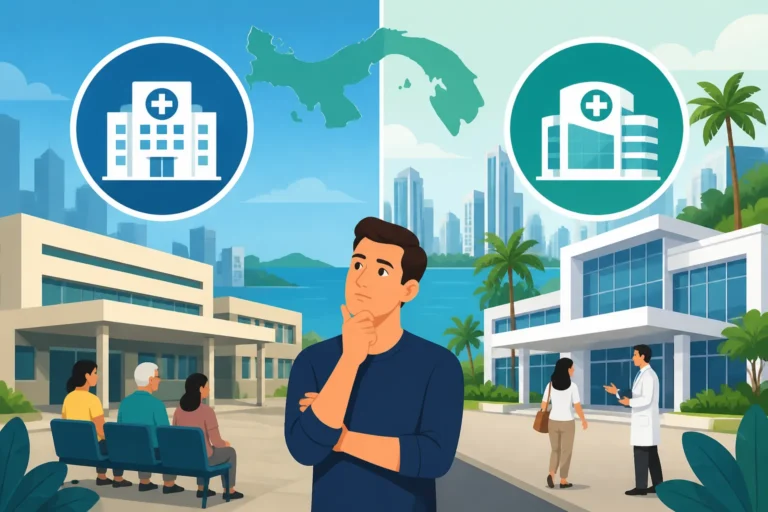
| Pre-Existing Coverage | Strict exclusions, outright denial, or very high premiums. | More flexible options: loading, moratorium, specific waiting periods. |
| Underwriting Process | Can be less thorough for smaller policies, but strict for claims. | Comprehensive medical questionnaires, may request medical records. |
| Premiums with PEC | Significantly higher or conditions excluded. | Higher but often with better coverage for the condition. |
| Network Coverage | Primarily Panama, limited international options. | Global network, including top hospitals in Panama City like Punta Pacifica. |
| Portability | Difficult if you leave Panama or change employers. | Designed for global mobility, easier to maintain coverage. |
| Emergency Coverage for PEC | Often limited to acute, sudden onset (if covered at all). | Clear protocols for emergencies related to pre-existing conditions. |
Practical Steps for Expats with Pre-Existing Conditions
Don't let the complexities overwhelm you. With a methodical approach, you can significantly improve your chances of securing appropriate health insurance.
Gathering Your Medical History
The first and most critical step is to compile a complete and accurate medical history. This means going back as far as possible, ideally 5-10 years, and collecting all relevant documents.
What you'll need:
- Doctor's Notes: Summaries from your general practitioner about any ongoing conditions, treatments, and medications.
- Specialist Reports: Any reports from cardiologists, endocrinologists, orthopedists, psychiatrists, etc., detailing diagnoses, test results, and treatment plans.
- Hospital Discharge Summaries: For any hospitalizations, especially surgeries or significant medical events.
- Prescription History: A list of all medications you've been prescribed, including dosages and dates.
- Test Results: Copies of significant blood tests, imaging (MRIs, X-rays), or other diagnostic procedures.
- Vaccination Records: While not directly related to pre-existing conditions, a complete health profile is always helpful, especially if you're looking into understanding childhood vaccination schedules in Panama.
It's highly recommended to have these documents organized, dated, and, if not already in English or Spanish, consider getting key summaries translated by a certified professional. This upfront effort will not only expedite the insurance application process but also be incredibly useful when you're looking for How to Find and Register with a Doctor in Panama and explaining your medical background to a new physician. Remember, having your medical history at your fingertips ensures full disclosure and minimizes potential disputes later on.
Working with Brokers and Experts
Navigating the world of international health insurance, especially with pre-existing conditions, can be incredibly complex. This is where a knowledgeable, independent insurance broker who specializes in expat insurance for Panama becomes an invaluable ally.
A good broker:
- Understands the Market: They know which international providers are generally more amenable to covering specific pre-existing conditions and which policies offer the best value for money in Panama. They might be familiar with the nuances of how companies like SafetyWing or Cigna handle particular cases.
- Acts as Your Advocate: They can explain your situation to multiple insurers, negotiate terms on your behalf, and help you present your medical history in the most favorable light while maintaining full honesty.
- Simplifies the Process: They can help you fill out complex application forms, ensure all necessary documentation is provided, and liaise with the insurance companies, saving you a tremendous amount of time and stress.
- Explains the Fine Print: They can break down the jargon and ensure you fully understand the implications of waiting periods, exclusions, deductibles, and co-pays for your specific condition.
While it might seem like an added expense, the expertise of a broker can save you thousands of dollars in uncovered medical costs and countless hours of frustration. Look for brokers who have experience specifically with expats in Panama and who have a strong track record of helping clients with pre-existing conditions. Ask for references and don't hesitate to interview a few before choosing one.
Reviewing Policy Wording Carefully
Once you receive policy quotes and draft documents, do not sign anything until you have meticulously reviewed the full policy wording. This is often a lengthy document, but it's your contract, and every detail matters.
Pay particular attention to:
- The "Definitions" Section: How does the policy define "pre-existing condition," "acute onset," "medical necessity," and other key terms? These definitions can significantly impact coverage.
- "Exclusions" Clause: Look for any specific exclusions related to your conditions. Are they permanent? Are there general exclusions that might indirectly affect you (e.g., exclusions for chronic conditions, mental health, or specific types of therapy)?
- "Waiting Periods" Clause: Clearly identify any waiting periods that apply to your pre-existing conditions, general illnesses, or specific treatments (like dental care or maternity coverage, if applicable).
- "Benefits Schedule": Understand the limits and sub-limits for different types of treatment (e.g., inpatient, outpatient, specialist visits, prescription medications). Does it meet your expected needs for managing your condition?
- "Claims Process": Familiarize yourself with how to make a claim, what documentation is required, and the timelines involved. Knowing this beforehand can make a stressful situation much smoother.
If the policy is in Spanish and you're not fully proficient, invest in professional translation or have your broker walk you through every critical clause. Don't be afraid to ask for clarifications in writing. A clear understanding of your policy's terms and limitations is your best defense against unexpected costs and frustrations. The cost of healthcare in Panama: a complete breakdown for foreigners can vary wildly depending on your insurance terms, so diligence here is key.
Disclaimer
This article is for general informational purposes only and does not constitute professional advice. Laws, prices and regulations vary by location and change over time. Consult a qualified professional for guidance on your specific situation.