Can I Get IVF Treatment in Panama?
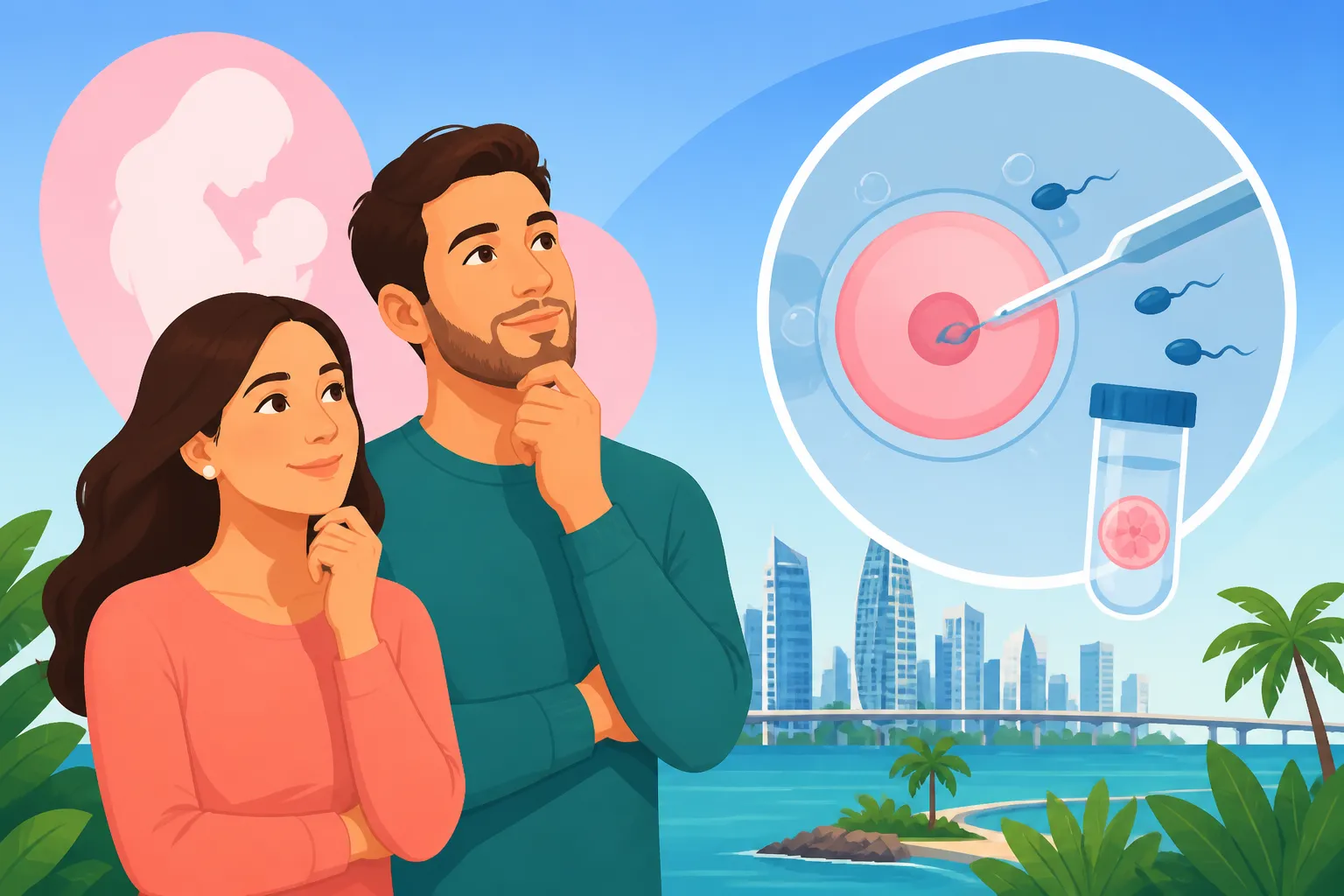
Let's be real, facing fertility challenges is tough enough without throwing an international move into the mix. You're in a new country, trying to figure out how everything works, and then you have to navigate the deeply personal and often emotionally draining journey of IVF. It's overwhelming, it’s frustrating, and it feels like you're starting from scratch with a medical system you barely understand. This guide is here to cut through the confusion, offering a comprehensive, realistic look at getting IVF treatment in Panama, drawing from my own experience and those of countless other expats who’ve had to navigate specialized medical care here.
The Landscape of IVF Treatment in Panama
When you first land in Panama, especially outside of Panama City, you might wonder if highly specialized medical procedures like In Vitro Fertilization are even available. The good news is, yes, they absolutely are. Panama has positioned itself as a hub for medical tourism and advanced private healthcare in Central America, and that includes state-of-the-art fertility clinics. For those of us used to healthcare systems back home, it’s a relief to know that high-quality options exist here, often at a fraction of the cost you might expect in North America or Europe.
Availability of Advanced Fertility Clinics
Panama City is where you'll find the vast majority of these specialized clinics. We're talking about dedicated fertility centers that often operate as independent entities or as specialized departments within larger private hospitals. These aren't just small offices; they are fully equipped facilities with embryology labs, surgical suites for egg retrieval, and recovery areas. You'll find clinics like Panama Fertility or the Panama Fertility Center, which have built reputations for offering a full spectrum of assisted reproductive technologies (ART), including IVF, ICSI (intracytoplasmic sperm injection), PGD/PGS (preimplantation genetic diagnosis/screening), and even egg or sperm donation programs.
The staff at these clinics are often internationally trained, with many doctors having completed residencies or fellowships in the United States, Europe, or other well-regarded medical centers. This means they are up-to-date on the latest techniques and protocols. The equipment is generally modern and comparable to what you'd find in top-tier clinics elsewhere. It's a far cry from what some might imagine when they think of medical care in a developing country, and that's a common misconception we expats quickly learn to shed. For a broader overview of the medical system, you might want to check out our guide on The Complete Guide to Healthcare in Panama for Expats (2027).
Quality and Success Rates Compared to International Standards
One of the biggest anxieties when considering IVF abroad is the concern about quality and success rates. Many expats fret, "Will it be as good as back home?" Based on accounts from people who have gone through the process, Panamanian fertility clinics often boast success rates that are competitive with, if not slightly below, those reported by leading clinics in the US or Europe. It's important to remember that IVF success rates are highly dependent on individual factors like age, specific fertility issues, and the number of cycles attempted, so a direct comparison is always tricky.
However, these clinics are often very transparent about their internal success data, and you should always ask for this information during your initial consultation. They adhere to international standards for lab practices, patient safety, and ethical guidelines. For instance, many clinics participate in regional or international professional organizations that oversee fertility treatment quality. The doctors and embryologists are typically highly skilled, performing intricate procedures with precision. The level of personalized care is often a standout feature, with more direct access to your medical team than you might experience in larger, more bureaucratic systems elsewhere. You’ll find that the private sector here, especially for specialist care, really prioritizes patient experience, which can make a huge difference during such a sensitive time.
Navigating the IVF Process as an Expat
Embarking on IVF treatment is a journey, and doing it in a foreign country adds layers of complexity. From initial consultations to understanding local regulations and managing logistical hurdles, it’s essential to be prepared. This isn’t like walking into your local walk-in clinic; it requires diligent planning and an understanding of the local nuances.
Initial Consultations and Diagnostic Testing
Your IVF journey in Panama will likely begin with an initial consultation, similar to how it works anywhere else. You'll meet with a fertility specialist to discuss your medical history, previous treatments, and your goals. This is your chance to ask every single question that’s churning in your head – don’t hold back. They’ll usually order a battery of diagnostic tests for both partners. For women, this typically includes hormone level assessments (like FSH, LH, AMH, estradiol), ovarian reserve testing, ultrasound scans to check uterine health and ovarian follicles, and possibly a hysterosalpingogram (HSG) to check fallopian tubes. For men, a comprehensive semen analysis is standard.
What’s critical for expats here is understanding the logistics. While many doctors in these private clinics speak excellent English, the reception staff or other technicians might not. Bring a trusted friend or family member who speaks Spanish, or be prepared to use a translation app. Better yet, some clinics cater specifically to international patients and might have bilingual coordinators. Remember, this is a long-term process, involving many appointments, so clear communication is paramount. If you're wondering how to find an English-speaking doctor in Panama, we have a dedicated guide that can help. When it comes to accessing specialist care in general, the process in Panama is quite streamlined compared to other countries, especially within the private system where you can often self-refer.
Legal Considerations and Ethical Guidelines
Panama's legal framework regarding assisted reproductive technology is generally quite liberal and supportive, making it an attractive destination for fertility treatments. However, it's not a free-for-all, and certain ethical guidelines are followed. For example, while egg and sperm donation are legal and practiced, regulations regarding anonymity and donor compensation are in place. Surrogacy is a more complex area, with specific legal interpretations that can vary, so if that's a path you're considering, you'll need to consult with a specialized lawyer in Panama.
The key takeaway for expats is that IVF for married or unmarried couples using their own genetic material is widely accepted and legally sound. Most clinics will require clear consent forms, often in both Spanish and English, and will ensure you understand the legal implications of the treatment. It's not uncommon for clinics to recommend consulting with a local lawyer, especially if you have specific concerns about parental rights or the legal status of embryos. While it may seem like an extra hurdle, these measures are in place to protect all parties involved. Remember, even though Panama's system for How Your Residence Status Affects Health Coverage in Panama might vary, the legal rights to pursue medical treatment like IVF are usually independent of your residency type, as long as you can cover the costs.
The Financial Side of IVF: Costs and Insurance
Let's talk about the elephant in the room: money. IVF is expensive, no matter where you do it. However, one of Panama’s biggest advantages for expats seeking fertility treatment is the significantly lower cost compared to countries like the United States, Canada, or Western Europe. This can make a huge difference in whether IVF is even a financially viable option for many couples.
Breaking Down the Costs of an IVF Cycle
A full IVF cycle in Panama typically ranges from $5,000 to $10,000 USD, but this is just for the core procedure. It’s crucial to understand what this price usually includes and, more importantly, what it doesn’t.
What’s Generally Included:
- Initial consultations (sometimes separate, sometimes bundled)
- Ovarian stimulation monitoring (ultrasounds, blood tests)
- Egg retrieval procedure (including anesthesia and recovery room)
- Sperm preparation
- In-vitro fertilization and embryo culture
- Embryo transfer
What’s Often NOT Included (and adds significantly to the total):
- Medications: These are a major cost, often adding an extra $2,000 to $5,000 or more per cycle, depending on the dosage and type of drugs needed for ovarian stimulation.
- Pre-cycle diagnostic tests: Initial blood work, ultrasounds, semen analysis before starting the actual cycle might be billed separately.
- Additional ART procedures: ICSI, assisted hatching, PGD/PGS, embryo freezing and storage, sperm or egg donation, and testicular sperm extraction (TESE) are all extra costs.
- Follow-up care: Pregnancy tests, early pregnancy monitoring, and subsequent consultations.
- Travel and accommodation: If you're not based in Panama City, you'll need to factor in these expenses for multiple visits.
This makes it absolutely essential to get a detailed, itemized quote from any clinic you’re considering. Don’t be shy about asking for a full breakdown of costs, including all potential add-ons and medication estimates. Having a clear picture upfront prevents nasty surprises down the line. To get a handle on other medical expenses, take a look at our article, The Cost of Healthcare in Panama: A Complete Breakdown for Foreigners (2026).
Health Insurance Coverage and Out-of-Pocket Expenses
Here’s where it gets tricky for many expats: traditional health insurance, whether local Panamanian or international, rarely covers IVF or other elective fertility treatments. The public health system, the Caja de Seguro Social (CSS), definitely does not cover it. And even with private insurance plans in Panama, or even comprehensive international plans, IVF is almost universally excluded as a pre-existing condition, an elective procedure, or simply not part of the standard benefits package. This means that for the vast majority of expats, IVF will be an out-of-pocket expense.
This reality can be a bitter pill to swallow, especially if you’ve been relying on robust insurance coverage for other medical needs. However, there might be very specific, rare exceptions. Some high-end, bespoke international health insurance plans might offer limited coverage for diagnostic testing related to infertility or for very specific, medically necessary procedures that are not the IVF cycle itself. It's always worth carefully reviewing your policy documents or contacting your insurance provider directly to understand any potential coverage, no matter how small. For general health emergencies or unforeseen travel medical needs while undergoing treatment, an international travel insurance like SafetyWing might offer a safety net, but it's crucial to understand it won't cover the IVF treatment itself. It's more for unexpected accidents or illnesses that could derail your travel plans.
Because of the high out-of-pocket costs, financial planning is paramount. Many couples consider loans, savings, or even crowdfunding. Remember that success often requires more than one cycle, so budget for the possibility of multiple attempts. Understanding Out-of-Pocket Healthcare Costs and Co-Pays in Panama for other treatments can help put these costs into perspective, but for IVF, expect to pay the full amount yourself.
| IVF Treatment Component | Estimated Cost Range (USD) | Notes |
|---|---|---|
| Initial Consultation | $150 – $300 | Often separate, sometimes deducted if you proceed with treatment. |
| Diagnostic Tests | $500 – $1,500 | Blood work, ultrasounds, semen analysis. |
| IVF Cycle (Core) | $5,000 – $10,000 | Includes egg retrieval, fertilization, embryo transfer. |
| Medications | $2,000 – $5,000+ | Varies greatly based on dosage and duration. |
| ICSI | $800 – $1,500 | Add-on for male factor infertility. |
| Embryo Freezing/Storage | $500 – $1,000 (annual) | For unused embryos, annual storage fees. |
| PGD/PGS | $2,000 – $4,000+ | Preimplantation genetic testing. |
| Donor Eggs/Sperm | $3,000 – $8,000+ | Costs vary significantly based on donor profiles and agency fees. |
| Total per cycle (Excl. complicated add-ons) | $7,650 – $17,800+ | This is a general estimate and can fluctuate. |
This table provides a rough guide, but remember, every clinic and every patient's situation is unique. Always get a personalized quote.
Choosing Your IVF Clinic and Support Systems
Deciding where to undergo IVF is a deeply personal and critical choice. As an expat in Panama, you have the advantage of several reputable clinics, but knowing how to select the right one and understanding what support is available can ease the process considerably.
Factors to Consider When Selecting a Clinic
With several clinics available in Panama City, how do you pick? It's not just about the price tag. Here are some key factors to weigh:
- Doctor's Experience and Specialization: Look for clinics where the primary specialists have extensive experience specifically in IVF and a strong track record. Don't hesitate to ask about their qualifications, certifications, and affiliations with international fertility societies.
- Success Rates: While individual results vary, clinics should be transparent about their overall success rates, ideally broken down by age groups and specific diagnoses. Ask for data that's independently verified if possible, or at least clearly presented.
- Technology and Lab Quality: The embryology lab is the heart of an IVF clinic. Inquire about their lab technology, equipment, and the experience of their embryologists. Are they using the latest techniques for embryo culture and selection?
- Patient Reviews and Testimonials: Online reviews on platforms like Google or expat forums can offer valuable insights into other patients' experiences, both positive and negative. Take them with a grain of salt, but look for recurring themes.
- Communication and Language Support: For expats, this is paramount. Does the clinic offer English-speaking doctors and support staff? Do they have dedicated international patient coordinators? Clear communication is non-negotiable for understanding complex medical information.
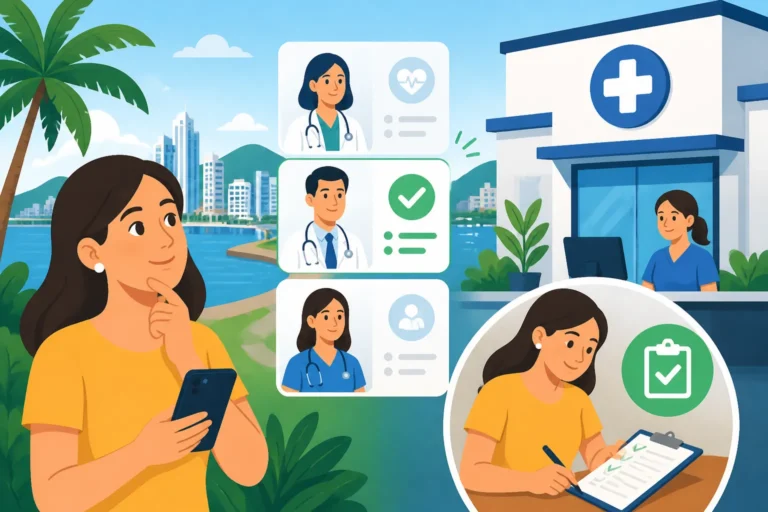
- Clinic Culture and Support: The emotional toll of IVF is immense. Choose a clinic where you feel supported, respected, and heard. A compassionate and empathetic team can make a huge difference in your experience. You might also want to explore our guide on How to Choose and Register with a Doctor or Clinic in Panama for general advice that applies to specialist care too.
Don't be afraid to schedule initial consultations at a couple of different clinics. It's like interviewing them – you’re looking for the best fit for your unique situation. This will give you a feel for their approach, their staff, and their facilities.
Emotional and Practical Support for Expats
Undergoing IVF is emotionally, physically, and financially demanding. As an expat, you might be far from your usual support network, which intensifies these pressures. Building a local support system is incredibly important.
- Expat Communities: Panama has vibrant expat communities, particularly in Panama City, Boquete, and David. Many online forums and social media groups exist where people share experiences and offer advice. You might find others who have gone through IVF in Panama and can share their insights or offer a listening ear.
- Counselling and Therapy: Some fertility clinics offer in-house psychological support or can refer you to therapists specializing in fertility issues. Accessing mental health services in Panama as an expat is possible, and many therapists offer sessions in English. Don't underestimate the benefit of professional emotional support during this time.
- Partner Support: Ensure you and your partner are a united front. This journey affects both of you, and open communication and mutual support are vital.
- Practical Assistance: Consider hiring a part-time helper or asking friends for practical support during times of intense treatment, especially around egg retrieval or embryo transfer, when you might feel physically uncomfortable or emotionally drained. If you have other healthcare needs, remember that navigating the Panamanian healthcare system, while often efficient in the private sector, still benefits from a good roadmap, like our article on Navigating the Panamanian Healthcare System: An Expat's Roadmap (2027). For general medical needs, especially when traveling or in unpredictable situations, an international travel and medical insurance like SafetyWing could be beneficial to cover any non-fertility related emergencies, giving you one less thing to worry about.
The journey to parenthood through IVF can be arduous, but in Panama, you'll find modern medical facilities staffed by competent professionals ready to help. By being informed, prepared, and proactive in seeking support, you can navigate this complex process with greater confidence.
Disclaimer
The information provided in this guide is intended for general informational purposes only and does not constitute medical, legal, or financial advice. While we strive to provide accurate and up-to-date information, local laws, medical practices, and costs can change. Always consult with qualified medical professionals, legal advisors, and financial experts in Panama for advice tailored to your specific situation. Reliance on any information in this guide is solely at your own risk.