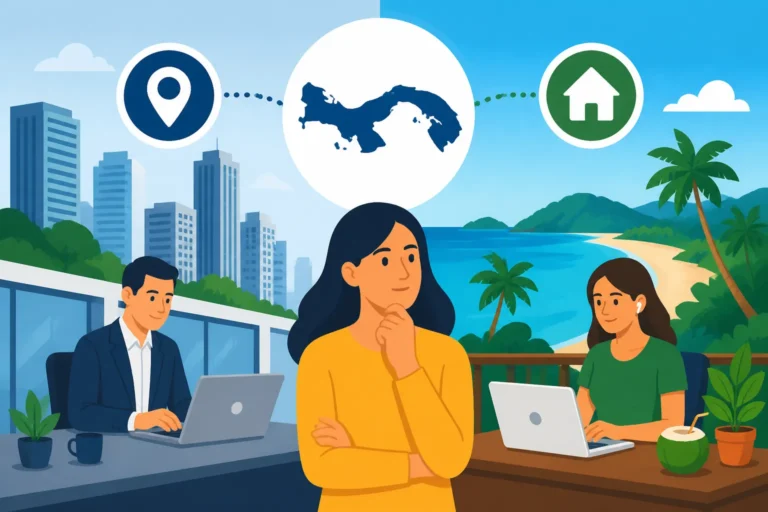
How Long Is the Probationary Period for Jobs in Panama?
When you first land that dream job in Panama, it's a huge relief, right? You've navigated the visa maze, perfected your CV for the local market, and finally, you're in! But then you remember: there's that pesky probationary period. For many expats, this can feel like walking on eggshells, unsure of what the rules are, how long it truly lasts, and what happens if things don't quite work out. This comprehensive guide is here to shed light on everything you need to know about probationary periods for jobs in Panama, helping you confidently embark on your new career journey.
Understanding the Basics of Probationary Periods in Panama
Alright, let's cut through the jargon and get to what really matters. A probationary period in Panama isn't just a casual "try-out" phase; it's a legally recognized and crucial part of the employment contract, designed to benefit both you and your new employer. It's often misunderstood, especially by those coming from different labor law systems, so let's break it down.
What Exactly Is a Probationary Period in Panama?
In essence, a probationary period, or período de prueba as it's known here, is an initial phase of employment where both the employer and the employee evaluate the job fit without the full obligations of a permanent contract. For the employer, it's a chance to assess your skills, performance, and overall compatibility with the company culture and specific job requirements. Think of it as a trial run to ensure you're the right person for the role, not just on paper, but in practice.
From your perspective, it’s equally important. This is your opportunity to determine if the job, the company, the team, and even the lifestyle in Panama are truly what you expected and desired. Maybe the role description sounded perfect, but the day-to-day reality is different. Perhaps the office environment isn't a good fit, or the commute is more brutal than anticipated. This period allows you to experience the job firsthand before committing to a long-term contract. It’s a two-way street for evaluation, even if the primary focus often feels like it's on the employee.
The legal framework in Panama is clear: during this time, either party can terminate the employment relationship without having to pay severance or justify the decision extensively, as would be required for a permanent employee. This specific clause is what makes the probationary period distinct and often a source of anxiety for new hires. It’s important to familiarize yourself with these nuances, which are part of the broader framework of Understanding Panamanian Labour Law and Worker Rights (2027).
Standard Lengths of Probationary Periods
So, how long is this período de prueba actually? In Panama, the standard legal duration for a probationary period is three months. This isn't just a suggestion; it's generally enshrined in the labor code, meaning that for most regular employment contracts, you can expect this three-month window. This period starts from your very first day on the job.
However, it’s Panama, and there can sometimes be nuances or industry-specific practices, though the three-month rule is quite firm for general employment. You might find certain highly specialized roles or senior management positions where contracts are structured differently, but these are exceptions. For the vast majority of expat roles, particularly in sectors like logistics, finance, or tourism, you'll be looking at that standard 90-day assessment. It's usually a non-negotiable part of the initial contract.
Compared to what you might be used to in your home country, three months can feel short, or perhaps even long, depending on where you're from. Some countries have longer periods, while others have shorter or more flexible arrangements. The key here is to understand that Panama’s system is quite clear-cut. Don't go into a job expecting it to be shorter just because your previous experience dictates it. Always confirm the exact terms in your employment contract, as even if the law states three months, a poorly drafted contract could cause confusion later on. This also extends to understanding how your social security contributions begin from day one, which is part of Understanding Social Security and Worker Protections in Panama.
Rights and Responsibilities During Your Probation in Panama
It's easy to feel like you're in a vulnerable position during probation, but it’s vital to remember that you still have fundamental rights as an employee. Your probationary status doesn't mean you're working "for free" or without protection. Likewise, your employer has certain expectations and rights during this period, which are important to respect.
Employee Rights During Probation
Even though your job might be on a trial basis, you are still an employee and are entitled to all the basic worker rights from day one. This includes receiving your agreed-upon salary on time, working within legal limits for hours per week, and accessing standard benefits like social security (CSS) contributions. Your employer is legally obligated to register you with the Caja de Seguro Social (CSS), Panama's social security fund, as soon as your employment begins. This ensures you start building your contributions record and have access to medical services, even if you opt for private healthcare later.
You also have the right to a safe working environment, free from harassment or discrimination. Any unfair treatment based on nationality, gender, religion, or any other protected characteristic is strictly against the law, regardless of whether you're in a probationary period or not. You are also entitled to receive the necessary training and tools to perform your job effectively. If your employer fails to provide these, it can hinder your ability to meet expectations, which would be an unfair assessment.
It's crucial not to feel "less than" or afraid to ask for what you need because you're in probation. If you're unclear about your tasks, or if you feel a procedure is unsafe, speak up. A good employer will appreciate your proactive approach and commitment to doing the job right. Remember, this period is also for you to assess them. If they treat probationary employees poorly, it's a red flag for the company culture as a whole.
Employer Rights and Expectations
On the flip side, employers have specific rights during your probationary period. Their primary right is to evaluate your performance and suitability for the role without being tied down by the typical complexities of terminating a permanent employee. This means they can assess your technical skills, work ethic, ability to integrate with the team, and adherence to company policies. They expect you to demonstrate competence, initiative, and reliability.
They also have the right to provide feedback, set performance goals, and, if necessary, terminate your employment if you don't meet their standards. The key here is that the termination generally needs to be related to job performance or fit, not arbitrary. While they don't need to provide the extensive justification required for a permanent employee, employers generally still document performance issues during probation to avoid future legal disputes. It's in their best interest to show that their decision was made fairly based on performance.
Clear communication from both sides is incredibly important. As an employee, you should expect to receive feedback on your progress, both positive and constructive. If you're not getting regular check-ins or clear expectations, it's a good idea to politely request them. This proactive step helps you understand where you stand and gives you the chance to address any shortcomings before it’s too late.
What Happens if You're Terminated During Probation?
This is often the most anxiety-inducing part of the probationary period for expats. The simple truth is that if your employment is terminated during probation in Panama, you are generally not entitled to severance pay. This differs significantly from the generous severance packages Panamanian law mandates for permanent employees. The legal rationale is that the employment relationship hasn't yet fully "matured" into a permanent one.
Regarding notice, employers are typically not required to give an extensive notice period during probation, though a few days or a week's notice is common courtesy. In some cases, you might be asked to leave immediately. It’s a stark difference from the notice periods and termination protocols for regular employees, as detailed in Understanding Notice Periods and Termination Under Panamanian Law. The good news is that for you, as the employee, there are usually no financial penalties for leaving during probation either, should you decide the job isn't for you.
While it can be disheartening, a termination during probation typically doesn't carry a significant stigma for your future job searches in Panama. It’s understood that probationary periods are for evaluation, and sometimes it's simply not a good fit for either party. Focus on learning from the experience, rather than dwelling on it. Your work permit situation, however, is a critical consideration if your residency is tied to that specific employment. You’ll need to understand your options, which might involve seeking new employment quickly to maintain your legal status in Panama. This is why knowing about your visa status and options is so vital, especially when it comes to subjects like How a Work Permit and Employer Sponsorship Work in Panama.
| Aspect | Details During Probationary Period (Panama) | Details for Permanent Employees (Panama) |
|---|---|---|
| Duration | Up to 3 months (standard) | Indefinite, after probation period |
| Severance Pay | Generally Not Applicable | Mandatory, based on tenure and salary |
| Notice Period | No extensive legal requirement; courtesy days | Legally mandated (e.g., 2 weeks to months) |
| Justification for Termination | Performance/fit; less stringent justification | Just cause required; extensive documentation needed |
| Basic Rights | Full salary, CSS contributions, safe environment | Full salary, CSS contributions, full benefits |
| Employee Resignation | No penalty for leaving | Notice period usually required; potential contract clauses |
Navigating and Excelling in Your Panamanian Probationary Period
Making a strong first impression and performing consistently well are crucial during probation, perhaps even more so when you're an expat adapting to a new culture. It's about demonstrating your value and proving you're the right fit, not just for the job, but for the team and the company's unique Panamanian environment.
Key Strategies for Success
First and foremost, communication is king. Don't be afraid to ask questions. Panamanian workplaces, like any, have their own ways of doing things, and it’s always better to clarify than to make assumptions and potentially make a mistake. Be proactive in seeking feedback. Schedule regular check-ins with your manager, even if they don't explicitly offer them. Ask, "How am I doing? Is there anything I should be doing differently?" This shows initiative and a willingness to learn and adapt.
Secondly, immerse yourself in the company culture. Pay attention to how people interact, how decisions are made, and what the unspoken rules might be. Punctuality is often highly valued, but meetings might start a little later than you're used to – understanding these nuances is part of the game. For expats, sometimes the biggest hurdle isn't the job itself, but adapting to the local work environment and cultural expectations, which you can dive deeper into with articles like How Do I Adapt to the Panamanian Workplace Culture?.
Another powerful strategy is to demonstrate genuine enthusiasm and a proactive attitude. Take initiative where appropriate, offer to help colleagues, and look for ways to contribute beyond your immediate tasks. If language is a barrier, actively work on improving your Spanish. Even basic conversational Spanish can make a massive difference in integrating with colleagues and understanding office dynamics. Resources like iTalki can be a game-changer here, offering affordable online lessons with native speakers who can teach you workplace-specific vocabulary and cultural etiquette. Showing that you're making an effort to connect culturally goes a long way.
Common Pitfalls to Avoid
As an expat, some common pitfalls might seem minor but can accumulate quickly. Punctuality and attendance are foundational. While Panama might operate on a slightly more relaxed pace outside of work, being consistently late or taking too many unscheduled absences during probation sends a clear signal of unreliability. Aim to be early, always.
Another pitfall is failing to clarify expectations. Assuming you know what's required without confirming can lead to delivering work that doesn't meet the employer's standards. This goes back to communication – don't be shy about asking for examples, templates, or more detailed instructions. Sometimes, cultural differences in communication styles can lead to misunderstandings, so over-communicating initially can be beneficial.
Lastly, don't shy away from constructive criticism. If your manager gives you feedback, even if it feels harsh, take it as an opportunity to improve. Reacting defensively or ignoring the advice can quickly lead to a perception of inflexibility or an unwillingness to learn. Remember, the goal of probation is improvement and integration. Show them you're coachable and dedicated to becoming a valuable team member.
When to Consider Resigning During Probation
The probationary period is a two-way street, remember? Just as your employer is evaluating you, you have every right—and indeed, it’s advisable—to evaluate them. If, within those first three months, you realize the job isn't a good fit, the company culture is toxic, or the role isn't what you expected, you absolutely have the right to resign.
The beauty of resigning during probation in Panama is that, just like termination by the employer, you are generally not bound by long notice periods or financial penalties. This offers a degree of flexibility that isn't available once you're a permanent employee. It allows you to extricate yourself from a bad situation without significant repercussions. However, it's still good practice to give a polite notice, usually a week or two, to maintain a professional relationship and ensure a smooth handover, especially if you're planning to stay and work in Panama long-term.
Considering factors like your visa status is paramount if you're thinking about resigning. If your residency is directly tied to your current employer, resigning means you'll need to swiftly find new employment or consult with an immigration lawyer to understand your options for maintaining your legal status in the country. This is a big reason why many expats choose to tough out a less-than-ideal probationary period. But if it's genuinely untenable, it's a decision you can make, as further explored in Can I Resign During My Probationary Period in Panama?.
Legal and Administrative Considerations
Beyond the day-to-day work, there are vital legal and administrative aspects of your probationary period that expats often overlook. Understanding these can save you headaches and ensure you remain compliant with Panamanian law.
Contractual Agreements and What to Look For
Before you even step foot in the office, the employment contract is your most important document. It should clearly stipulate the length of the probationary period, your salary, job duties, and any specific conditions. While the three-month rule is standard, always verify it's written into your contract. Look out for clauses that might deviate from standard Panamanian labor law, and if anything seems ambiguous or unusual, don't hesitate to seek clarification.
For expats, it's highly advisable to have a local Panamanian lawyer review your employment contract before you sign it. They can spot red flags, explain the legal implications in plain language, and ensure your rights are protected. While some employers might use standard templates, others might try to introduce clauses that are less favorable. Being proactive here can prevent major issues down the line. Remember, signing means agreeing, even if you didn't fully understand it. This diligence is part of setting yourself up for success in The Complete Guide to Working in Panama as a Foreigner (2027).
Also, ensure the contract accurately reflects your job title and responsibilities. Sometimes, initial discussions can differ slightly from the final written agreement. If you’ve negotiated salary or benefits, confirm these are correctly documented. Even minor discrepancies can lead to bigger problems later. Understanding your contract is the foundation for a secure working relationship.
Work Permits and Visa Implications
For most expats, securing a job in Panama is intrinsically linked to obtaining a work permit and, subsequently, a residency visa. This connection makes your probationary period even more critical. If your work permit and visa are tied to your specific employment, a termination during probation means that your legal right to live and work in Panama could be jeopardized.
Typically, your employer is the sponsor for your work permit. If that employment ends prematurely, your work permit generally becomes invalid, and you will need to either find a new sponsoring employer, change your visa status, or leave the country within a grace period. This adds immense pressure to the probationary period for expats, far beyond just evaluating job fit. It’s not just your job on the line, but your entire legal status in the country.
It's absolutely essential to understand the intricacies of your visa and work permit from the outset. Discuss these scenarios with your immigration lawyer. Ask questions like: "What happens to my visa if my probation isn't successful?" or "How long do I have to find new employment?" Being prepared for this possibility, even if you don't expect it, is a smart move. This is also covered in detail in our guide: Do I Need a Work Permit to Work in Panama?.
Tax and Social Security During Probation
Rest assured, from day one of your employment, including your probationary period, you are subject to Panamanian tax laws and social security contributions. Your employer will withhold income tax and your portion of the Caja de Seguro Social (CSS) contributions directly from your salary. There's no special exemption just because you're in probation.
These contributions are vital because they immediately start counting towards your eligibility for public healthcare services and future pension benefits in Panama. Even if you don't use the public system, it's a legal obligation for both you and your employer. Understanding these deductions is crucial for calculating your take-home pay and managing your finances while living in Panama. For detailed insights, you might find resources like Understanding Income Tax and Social Contributions for Employees in Panama incredibly helpful.
Navigating the tax system as an expat can be complex, especially with Panama's territorial tax system. While your employer handles the deductions, it's still good to understand your overall tax obligations. This is where services that specialize in Taxes for Expats can be incredibly useful, providing clear guidance on your responsibilities both in Panama and potentially in your home country. Don't let tax matters become a surprise later on; get informed early.
Disclaimer
This article is for general informational purposes only and does not constitute professional advice. Laws, prices and regulations vary by location and change over time. Consult a qualified professional for guidance on your specific situation.