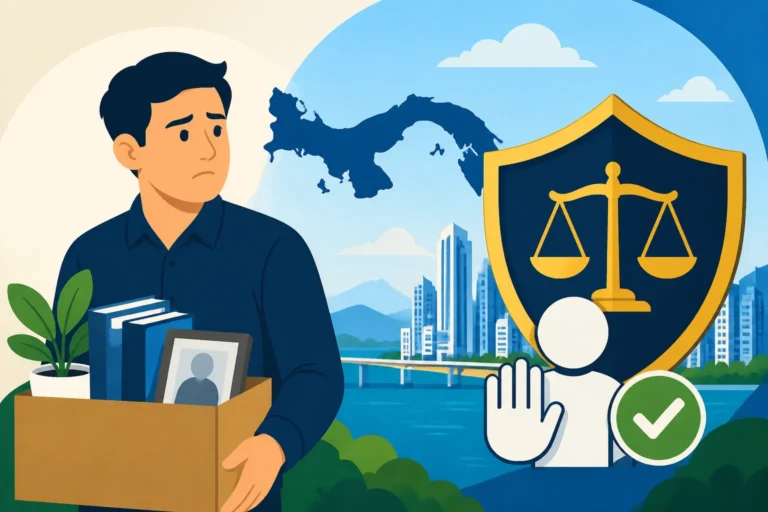
What Notice Do I Have to Give When Resigning in Panama?
Deciding to leave a job, especially when you're an expat living in a new country like Panama, can be a mix of excitement for what's next and a whole lot of anxiety about navigating the local rules. You’re probably wondering, "What notice do I really have to give when resigning in Panama?" It's a question that many of us have grappled with, fearing we might accidentally step on a legal landmine. This guide is here to untangle the complexities of Panamanian labor law, offering clear, empathetic advice on how to gracefully (and legally) exit your current role.
Understanding Panamanian Labour Law Regarding Resignation
When you're working abroad, it’s easy to assume that the rules are similar to back home, but Panama has its own distinct legal framework governing employment. This is where many expats get tripped up, often overthinking the notice period for resignation. The truth, as is often the case in foreign legal systems, might surprise you, but it also comes with important caveats.
The Panamanian Labour Code: What It Says (and Doesn't Say)
Panama's Labour Code (Código de Trabajo) is the overarching legal document that defines the rights and obligations of both employers and employees. When it comes to an employee's resignation, or renuncia as it's known here, the Labour Code doesn't actually stipulate a mandatory notice period that an employee must give. Yes, you read that right. Unlike many countries where giving two weeks' or a month's notice is a statutory requirement, Panamanian law, in its most basic interpretation, places no such legal obligation on the employee.
This often comes as a shock, especially if you're from a country with strict notice period rules. However, this doesn't mean you can simply walk out the door without consequences or that it's good practice. The Labour Code focuses heavily on protecting the employee from unfair dismissal, and less on dictating the terms of an employee's voluntary departure, other than ensuring final payments are correctly handled. It's a nuance that can be a source of confusion and even frustration for those unfamiliar with the system. For a broader view, you might find our guide on Understanding Panamanian Labour Law and Worker Rights (2027) helpful.
The Power of Your Employment Contract
While the Labour Code doesn't mandate a notice period for resignations, your individual employment contract most certainly can, and often does. This is the critical distinction that expats often overlook. Many employers in Panama, especially larger companies or those with international ties, include clauses in their contracts that specify a required notice period for an employee's resignation. This could be anything from two weeks to a month or even longer, particularly for senior positions or roles requiring extensive handover.
If your contract includes a notice period, then that is the period you are generally expected to respect. The contract, once signed, becomes a legally binding agreement between you and your employer. Failing to adhere to a contractual notice period could potentially lead to consequences, such as:
- Loss of benefits: Some companies might tie bonuses, unused vacation pay, or other benefits to adhering to the contractual notice period.
- Negative references: Burning bridges is never a good idea, and not honoring your contract can certainly lead to a poor reference.
- Legal action (rare, but possible): In extreme cases, if your sudden departure causes significant financial harm to the company (e.g., you are a key project manager and leave a critical project in the lurch), an employer could theoretically pursue damages, though this is uncommon for typical resignations.
Therefore, your first step should always be to thoroughly review your employment contract for any clauses related to resignation notice. If you're working through a probationary period for new jobs in Panama, the terms might also differ. Don't rely solely on word-of-mouth; get it in writing and understand what you agreed to. This diligence can save you a lot of headaches later on.
Practicalities of Giving Notice: Beyond the Legal Minimums
Even if your contract is silent on a notice period, or if it only specifies a very short one, professional courtesy and strategic thinking often dictate a different approach. Resigning isn't just about fulfilling legal obligations; it's about maintaining your professional reputation and ensuring a smooth transition for both yourself and your soon-to-be former employer.
Calculating a Reasonable Notice Period
Determining what constitutes a "reasonable" notice period often goes beyond the bare minimums set out in a contract. It depends heavily on your role, your responsibilities, and the time it would realistically take for your employer to find and train a replacement, or at least manage your handover.
Consider these factors:
- Your role and responsibilities: Are you in a highly specialized role? Do you manage critical projects or client relationships? The more crucial your position, the longer a reasonable notice period tends to be, simply to ensure continuity.
- Complexity of handover: How much knowledge transfer is needed? Do you have ongoing projects that require significant wrap-up or delegation? A complex handover suggests a longer notice period would be beneficial.
- Company culture: Some Panamanian companies have a very formal, traditional culture where giving ample notice is highly valued. Others, particularly smaller, more agile businesses, might be more flexible. Observing how others have resigned in the past can offer clues.
- Your relationship with management: If you have a good relationship, a frank discussion about your departure and a mutual agreement on a notice period can often lead to the best outcome.
While the Labour Code doesn't impose a notice period, adhering to what’s generally accepted as professional practice in Panama can protect your professional standing. It shows respect for your colleagues and the company, which can be invaluable for future references or networking. For a broader context on leaving a job, you might want to look at Understanding Notice Periods and Termination Under Panamanian Law.
Here's a general guideline for common practice, which often differs from the legal default:
| Employee Tenure | Panamanian Labour Law (Default for Resignation) | Common Contractual Practice (Varies by Employer & Role) | Professional Courtesy Recommendation |
|---|---|---|---|
| Less than 3 months (Probationary Period) | No notice legally required | Often 1-2 weeks, or no formal notice | 1-2 weeks is generally polite |
| 3 months to 1 year | No notice legally required | 2 weeks to 1 month | 2 weeks to 1 month |
| 1 year to 5 years | No notice legally required | 1 month | 1 month |
| More than 5 years | No notice legally required | 1-2 months or more, depending on role | 1-2 months, especially for senior roles |
Remember, this table outlines common practice and professional recommendations, not legal mandates from the Labour Code itself regarding employee resignation notice. Your contract is key.
Why Giving Notice Matters (Even if Not Legally Required)
Beyond legalities, there are compelling reasons to provide adequate notice, even if your contract doesn't strictly enforce it or if the Labour Code doesn't demand it.
Firstly, professional reputation is paramount. Panama is a relatively small country, and the professional community, particularly within expat circles and specific industries, can be even smaller. News travels fast. Leaving on bad terms by providing insufficient or no notice can damage your reputation, making it harder to find future employment or to network effectively. A good reference from a past employer is invaluable, and a smooth exit ensures you maintain that possibility.
Secondly, a proper handover benefits everyone. Think about the projects you're currently managing or the relationships you've built. Giving notice allows you time to document your processes, transition responsibilities to colleagues, and even train your replacement if one is found quickly. This professionalism reflects well on you and ensures that the company isn't left in a difficult position. If you're looking to enhance your professional communication skills in Spanish for such conversations, or even for your next role, platforms like iTalki offer fantastic opportunities for tailored language lessons with native speakers. It can make all the difference in these delicate professional interactions.
Finally, it can positively impact your final settlement. While not a legal requirement for resignation notice, showing good faith and professionalism during your departure can influence how amicably your final payments are handled. This includes things like unused vacation days, outstanding commissions, or even a discretionary bonus. You'll also want to be clear on understanding severance pay and worker rights in Panama if you're ever in a situation where the company initiates the termination.
Crafting Your Resignation Letter
Once you’ve reviewed your contract and decided on a reasonable notice period, the next step is to formalize your resignation. In Panama, like many places, this typically means a formal resignation letter. This isn't just a formality; it's a legal document that formally communicates your intent to leave and the effective date of your departure.
Key Elements to Include in a Panamanian Resignation Letter
A well-crafted resignation letter should be clear, concise, and professional. Here are the essential components to include:
- Your Intent to Resign: Clearly state that you are resigning from your position. Avoid ambiguity.
- Your Last Day of Employment: Specify the exact date that will be your final day of work. This is crucial for payroll and administrative purposes. Ensure this date aligns with your chosen notice period.
- Your Position Title and Company Name: Clearly state the position you are resigning from and the name of the company.
- Date of the Letter: This establishes when you formally communicated your resignation.
- A Brief Statement of Gratitude (Optional but Recommended): A sentence or two thanking them for the opportunity, even if you’re thrilled to be leaving, can go a long way in maintaining goodwill.
- Offer of Assistance for Transition (Optional but Recommended): State your willingness to assist in the handover process to ensure a smooth transition. This reinforces your professionalism.
- Your Signature: A physical signature is important for formal documents.
Avoid using your resignation letter as an opportunity to air grievances or complain about your employer. Keep it positive and forward-looking. Remember, this letter will be part of your employment record, and you want it to reflect professionalism.
Tone and Professionalism in Your Resignation
The tone of your resignation letter and the subsequent conversations with your manager are incredibly important. Even if your experience with the company has been less than ideal, maintaining a professional and respectful demeanor is in your best interest.
When you present your letter, request a private meeting with your direct manager. Inform them of your decision personally before the news spreads through the grapevine. Be prepared to discuss your reasons for leaving, but you are not obligated to go into extensive detail if you don't wish to. A simple "I've decided to pursue other opportunities that align with my career goals" is perfectly acceptable.
During this conversation, reiterate your last day and your commitment to ensuring a smooth handover. Discuss any pending projects, client relationships, or administrative tasks that need to be addressed before your departure. This proactive approach demonstrates your responsibility and respect for your colleagues and the company. Remember, a graceful exit preserves your reputation and opens doors for future professional interactions, even in a new country.
Navigating the Transition: What Happens After You Resign
Once your resignation is formally submitted and acknowledged, the next phase involves wrapping up your responsibilities and ensuring all administrative and financial matters are settled. This period is crucial for a clean break and to avoid any lingering issues.
Severance, Outstanding Payments, and Benefits
When you resign voluntarily in Panama, you are generally not entitled to severance pay (indemnización) unless your contract explicitly states otherwise or if you had specific circumstances that could be argued as constructive dismissal (which is a more complex legal matter). The Labour Code's provisions for severance primarily apply when an employer terminates the contract without just cause.
However, even with a voluntary resignation, your employer is legally obligated to pay you for:
- Unused accumulated vacation days: If you have any vacation days that you've earned but haven't used, these must be paid out.
- Proportional Thirteenth Month (Décimo Tercer Mes): Panama has a "thirteenth-month" bonus, which is essentially an extra month's pay, typically divided into three payments throughout the year. If you resign mid-year, you are entitled to a proportional payment for the portion of the year you worked.
- Any outstanding salary or commissions: Naturally, you're entitled to payment for all hours worked up to your final day, as well as any earned commissions or bonuses according to your contract.
It's vital to keep accurate records of your work hours, vacation days, and any commissions. After your last day, your employer should provide you with a detailed breakdown of your final payment. Ensure you review this carefully. Understanding your tax obligations on these final payouts is crucial, as is your general financial planning as an expat. Services like Taxes for Expats can be incredibly helpful in navigating these financial waters, ensuring you understand your income tax and social contributions for employees in Panama. If you have doubts or discrepancies, address them promptly and professionally with your HR department. For more details on final payments, check our article on How is Severance Pay Calculated in Panama.
Handover and Professional Etiquette
The period between your resignation and your last day is often spent on handover activities. This is your opportunity to leave a lasting positive impression and ensure a smooth transition for your colleagues and replacement.
- Documentation: Take the time to document your processes, ongoing projects, key contacts, and any critical information someone stepping into your role would need. This is immensely helpful and reduces the burden on others after you leave.
- Knowledge Transfer: Offer to train your replacement or designated colleagues on your responsibilities. Schedule meetings to walk them through your daily tasks, systems, and current priorities.
- Client and Stakeholder Communication: If your role involves external clients or internal stakeholders, work with your manager to communicate your departure appropriately. This might involve introducing your replacement or sending a professional farewell message.
- Return of Company Property: Ensure all company property, such as laptops, phones, ID badges, and keys, are returned in good condition. Get a written acknowledgment for their return if possible.
Leaving a job in Panama, like anywhere else, is a natural part of a career journey. By understanding the local labour laws, adhering to your contractual obligations, and acting with professionalism and grace, you can ensure a positive and smooth transition to your next adventure. Many expats find their new roles through networking, and maintaining good relationships is always a plus. For those looking at future job prospects in Panama, our article The Complete Guide to Working in Panama as a Foreigner (2027) offers valuable insights.
Disclaimer
The information provided in this guide is for general informational purposes only and does not constitute legal, financial, or professional advice. Labour laws in Panama can be complex and are subject to change. It is strongly recommended to consult with a qualified Panamanian labour lawyer or HR specialist for advice tailored to your specific situation and employment contract. We are not liable for any actions taken or not taken based on the information presented herein.