How Does Territorial Taxation Work in Panama?
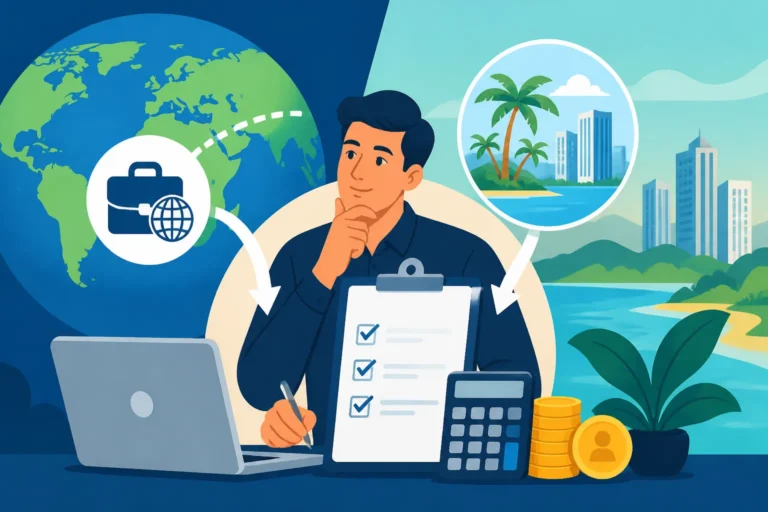
Moving to Panama comes with a whole new set of administrative puzzles, and perhaps one of the biggest head-scratchers for newcomers is figuring out the local tax system. Many expats arrive here with a vague idea that Panama is a "tax haven" or that they "don't pay taxes" on their foreign income, but the reality is often more nuanced and, frankly, a bit confusing until you truly understand it. If you're wondering how the unique concept of territorial taxation actually works on the ground and what it means for your finances, you're in the right place. This comprehensive guide is here to demystify Panama's territorial tax system, help you understand your obligations, and offer practical advice for navigating your financial life as an expat.
What Exactly is Territorial Taxation? The Panama Primer
Let's cut to the chase and tackle the core concept that often baffles people: territorial taxation. Unlike many countries that operate on a worldwide taxation system – meaning they tax their residents on all income, no matter where it's earned – Panama takes a distinctly different approach. The Panamanian tax system is purely territorial. This isn't just a fancy legal term; it's the fundamental principle that shapes how every single expat and local resident is taxed here.
The Core Principle: Source-Based Income
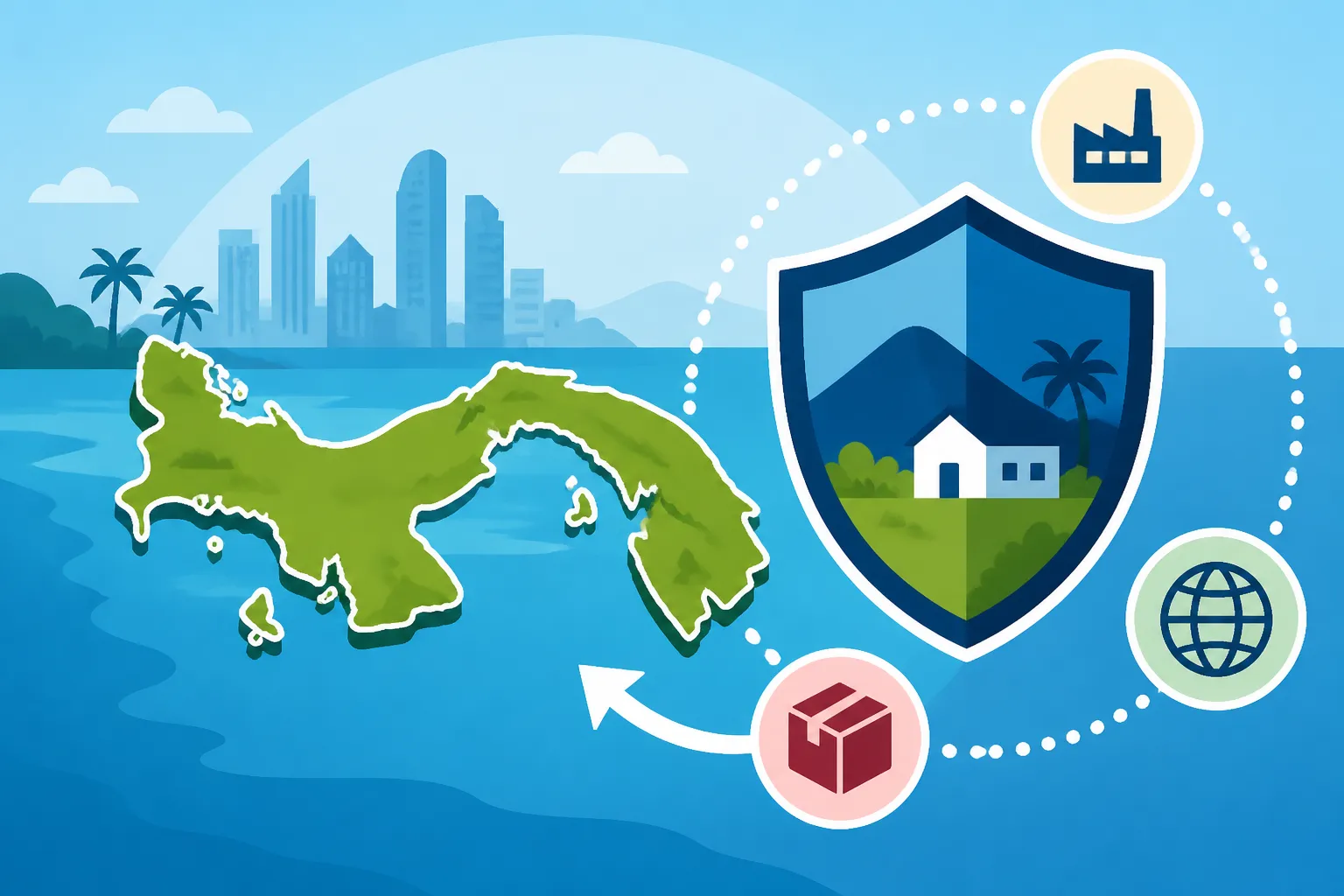
At its heart, territorial taxation means that Panama only levies income tax on earnings that have their source within its geographical borders. Think of it like this: if the economic activity that generates your income physically takes place in Panama, or if the asset providing the income is located here, then it's considered Panama-source income and is potentially taxable in Panama. If the economic activity, the services rendered, or the assets are located outside Panama, then that income is considered foreign-source and is generally not subject to Panamanian income tax.
This concept sounds simple enough, but where does the confusion often creep in? It's in defining "source." It's not about where the money lands in your bank account, or even where your employer is headquartered. It's about where the income-generating activity occurs. For instance, if you own a property in Panama and rent it out, the rental income is Panama-source because the property itself is located here. Similarly, if you work for a local Panamanian company, your salary is Panama-source income. The key takeaway is that Panama taxes the income generated within its territory, regardless of your nationality or residence status.
This distinction is absolutely crucial for expats. For many, the draw of Panama's tax system is precisely this: the ability to live here and potentially not pay local income tax on earnings from abroad. However, mistaking this for a complete absence of taxation for all income can lead to serious legal and financial headaches down the line. It's about understanding the specific nature of your income streams.
Why Panama Adopted This System
Panama's territorial tax system isn't a new phenomenon or a recent loophole; it's a deeply embedded policy that has been a cornerstone of its economic strategy for decades. The country has long positioned itself as an attractive hub for international business, investment, and individuals seeking a more favorable financial environment. By adopting territorial taxation, Panama aimed to encourage foreign investment and attract skilled professionals and entrepreneurs without burdening them with taxes on income already earned or taxed elsewhere.
This system has played a significant role in fostering Panama's growth, particularly in sectors like its international banking services, logistics (thanks to the Panama Canal), and its thriving corporate registration services. It's a calculated move to keep capital and talent flowing into the country, benefiting its overall economy. For individuals, especially those with passive foreign income or remote jobs, it presents a compelling case for relocation. It's part of the fabric of what makes Panama unique as an international player, distinguishing it from many other nations that adhere to a global taxation model.
Understanding this historical and economic context helps to grasp why the system is so rigorously applied. It's not a temporary perk; it's a fundamental part of Panama's fiscal identity, designed to create a competitive and appealing environment for those contributing to its economic landscape, directly or indirectly.
Deciphering Panama-Source vs. Foreign-Source Income for Expats
Now that we've covered the basics, let's dive into the practical application for expats. This is where most of the questions, and potential misunderstandings, arise. It's vital to clearly distinguish between income generated within Panama and income generated outside, as this dictates your tax obligations here.
Common Scenarios: Where Expats Earn Income
Expats in Panama come from all walks of life, with diverse income streams. Let's break down some of the most common scenarios to help you understand how the territorial principle applies:
- Local Employment: This is the most straightforward. If you secure a job with a Panamanian company – be it a multinational corporation operating here, a local startup, or a small business in your neighborhood – your salary, wages, and any bonuses are considered Panama-source income. This is because the employer is based in Panama, and you are physically performing the work within Panama's borders. As such, this income will be subject to Panamanian income tax, and your employer will typically handle the necessary deductions, including contributions to the Caja de Seguro Social (CSS) or social security system. For more on what that means for your take-home pay, you might want to look into "Understanding Income Tax in Panama (2026)".
- Remote Work for Foreign Companies: Ah, the classic expat scenario! Many foreigners move to Panama with the intention of continuing to work remotely for companies based in their home country or elsewhere outside Panama. This is where territorial taxation becomes a huge advantage. If you work from Panama for a company outside Panama, and the services you provide are delivered to clients outside Panama, your income is generally considered foreign-source income. For example, if you're a graphic designer in Panama City creating designs for a client in the US, or a software engineer coding for a European tech firm, as long as the economic benefit of your work primarily accrues outside of Panama, your income would typically not be subject to Panamanian income tax. The key here is that the source of the income, meaning the economic activity and the market served, is external to Panama. This is a significant draw for many seeking to work remotely from Panama.
- Local Business Ownership: Starting your own venture in Panama? If you open a shop, provide consulting services to Panamanian clients, or run any business that operates and generates revenue within Panama, the profits from that business are Panama-source income. You'll need to register your business, obtain a RUC (tax ID), and file annual tax returns, paying income tax on your net profits. Even if you're a freelancer offering services to local clients, that income is Panama-source. If you’re looking to get started, you might find "How to Register as a Self-Employed Taxpayer in Panama" helpful.
- Foreign Business Ownership: Conversely, if you own a business that is legally registered and operates entirely outside Panama, generating all its revenue and serving clients exclusively abroad, any profits you draw from that business would be foreign-source income. This means you generally won't owe Panamanian income tax on those profits, even if you are residing in Panama.
- Rental Income: If you've invested in real estate here, any rental income you earn from properties located in Panama is unequivocally Panama-source income. This income is taxable in Panama. On the other hand, if you own rental properties in another country, the income generated from those properties is foreign-source income and is not taxed in Panama. Understanding "Understanding Property Tax (IBI) for Homeowners in Panama" is crucial if you own property here.
- Investment Income: This can be a little tricky. Dividends, interest, or capital gains derived from investments in Panamanian companies, banks, or properties are generally Panama-source income and may be subject to local taxes. However, income from investments held entirely outside Panama – whether in foreign stocks, bonds, or bank accounts – is considered foreign-source income and is not taxed in Panama.
- Pensions: Most expat pensions, whether from a government or a private company in your home country, are considered foreign-source income. This is because the pension fund or the government making the payments is located outside Panama. Therefore, your pension income typically is not subject to Panamanian income tax. This is a significant benefit for retirees choosing to live here. The Pensionado (Retiree) Visa itself is a testament to Panama's welcoming stance towards international retirees, offering various benefits beyond just tax considerations.
The "Execution of Services" Test: A Key Distinction
The crux of determining whether your income is Panama-source or foreign-source, especially for service-based work like remote jobs, often boils down to what's known as the "execution of services" test. Simply put, where are the services physically performed, and to whom are they ultimately rendered?
Let's use a clear example: imagine you're a consultant living in Panama City.
- If you consult for a Panamanian company, meeting clients in their offices in Costa del Este and sending invoices to a local address, your services are executed within Panama for a Panamanian entity. This is Panama-source income.
- Now, imagine you're a freelance writer residing in Boquete, and you write articles for a digital marketing agency based in Canada, with all your communication and submissions happening online. You perform all your writing physically in Boquete, but the articles are published for Canadian audiences, and the agency is entirely Canadian. In this scenario, the services are executed by you from Panama, but they are rendered for a foreign entity in a foreign market. This is generally considered foreign-source income.
The key differentiator is not just where you are physically sitting when you do the work, but where the economic benefit of your services ultimately accrues. If the value you create is consumed or primarily benefits an entity or market outside of Panama, even if you're physically present here, the income is usually considered foreign-source. This is a subtle but critical distinction that often requires careful consideration. It’s important to understand this nuance, because while Panama is attractive for remote workers, you want to ensure you're compliant. Remember, merely receiving money into a Panamanian bank account doesn't automatically transform foreign-source income into Panama-source income. The source is determined by the origin of the economic activity, not the final destination of the funds. This is where services like Wise can be helpful for managing international funds, allowing you to separate your foreign income from any local transactions.
Practical Implications for Expats Living in Panama
Understanding the nuances of territorial taxation is crucial, but what does it really mean for your day-to-day financial life in Panama? Let's break down what you do and don't typically pay tax on here.
What You DO Pay Tax On Panama-Source Income
Even with Panama's territorial tax system, if you have income with its source here, you absolutely have tax obligations. This isn't a "no tax" country for everything; it's a "no tax on foreign income" country. The distinction is key.
- Income Tax on Local Employment: If you're employed by a Panamanian company, your salary will be subject to progressive income tax rates. Panama's income tax brackets mean that lower earners pay less or no tax, while higher earners pay a greater percentage. For instance, the first $11,000 of taxable income is exempt, the next $9,000 is taxed at 15%, and income above $20,000 is taxed at 25%. Your employer will typically withhold this directly from your paycheck. This means you'll see deductions for income tax and social security contributions (CSS). It’s important to understand "How Much Income Tax Will I Pay in Panama in 2026?" if you are working for a local company.
- ITBMS (Sales Tax/VAT): This is Panama's equivalent of VAT or sales tax, currently standing at 7%. You'll encounter ITBMS when you purchase goods or services within Panama. This includes everything from your grocery bill to restaurant meals, hotel stays, and professional services. If you operate a business in Panama, you will be responsible for collecting and remitting ITBMS on taxable goods and services you sell.
- Property Taxes on Panamanian Real Estate: If you own property in Panama, you'll be subject to Impuesto de Bien Inmueble (IBI), or property tax. The rates vary depending on the value of the property and whether it's for residential or commercial use. There are also exemptions for certain property values. Keeping up with your property tax payments is essential for maintaining your property's good standing. You can find more specific details on this when looking into "Understanding Property Tax (IBI) for Homeowners in Panama".
- Capital Gains Tax on Panamanian Assets: If you sell a property located in Panama, you'll generally be subject to a capital gains tax, usually 10% of the gain or 5% of the total sale price, whichever is greater. Similarly, capital gains from the sale of shares in Panamanian companies may also be taxable.
- Social Security Contributions (CSS): If you are formally employed by a Panamanian entity, both you and your employer will contribute to the Caja de Seguro Social (CSS). These contributions cover healthcare, pensions, and other social benefits. If you are self-employed and providing services within Panama, you may also be required to make CSS contributions. This is a fundamental part of the local employment landscape and provides access to public healthcare services. You can learn more about this by reading "How Does CSS Health Coverage Work in Panama?".
What You Generally DON'T Pay Tax On (Foreign-Source Income)
This is the golden ticket for many expats! If your income truly originates from outside Panama, you generally won't owe Panamanian income tax on it.
- Foreign Salaries and Remote Work Income: As discussed, if you're working remotely for a company outside Panama, and the services are primarily rendered to clients or markets outside of Panama, your salary is considered foreign-source. This means Panama's DGI (Dirección General de Ingresos) won't levy income tax on it. This is a massive financial advantage, allowing many expats to maintain a higher disposable income compared to if they were living in a worldwide taxation country.
- Foreign Investment Dividends, Interest, and Capital Gains: Money earned from your investments in foreign stocks, bonds, mutual funds, or bank accounts held outside Panama is typically foreign-source income. This includes dividends, interest payments, and any capital gains you realize from selling these foreign assets.
- Foreign Rental Income: If you own rental properties in another country, the income generated from those properties is considered foreign-source and is not subject to Panamanian income tax.
- Foreign Pensions: Your retirement pension payments from a foreign government or private pension scheme are also foreign-source income and are generally exempt from Panamanian income tax.
It's crucial to maintain clear documentation and, ideally, keep your foreign-source income separate from any Panama-source income. While Panama doesn't tax foreign income, it's still good practice to have your financial affairs organized. Many expats use services like Wise to manage their international transfers and hold funds in different currencies, which can help in clearly demarcating these income streams if needed for clarity. The key is to demonstrate that the economic activity generating that income does not have its source within Panama.
Navigating Tax Residency and Double Taxation
While territorial taxation is the primary lens through which Panama views income, it's still important to understand the concept of tax residency and how it might interact with your home country's tax system.
Panama typically considers an individual a tax resident if they spend more than 183 days (consecutive or not) in the country within a fiscal year. For most expats, living here means they will become a tax resident of Panama. However, unlike many countries, becoming a tax resident in Panama does not automatically mean you are taxed on your worldwide income. Thanks to the territorial principle, your tax residency status primarily dictates which local taxes (like property tax, ITBMS, and income tax on Panama-source earnings) you're obligated to pay, and also potentially affects your ability to open a bank account or access certain services. The 183-day rule is more about establishing your presence for administrative purposes than fundamentally altering the territorial nature of income taxation. For a deeper dive, you can explore "Understanding the 183-Day Test for Tax Residency in Panama".
The interplay between Panama's territorial system and your home country's tax system (especially if they operate on a worldwide taxation basis, like the US or Canada for citizens) is where things can get complex. Many countries have Double Taxation Agreements (DTAs) in place to prevent individuals from being taxed twice on the same income. Panama has signed several DTAs, but their application to foreign-source income for expats can be tricky. Often, because Panama doesn't tax your foreign income, there's no "double taxation" to alleviate here. However, your home country might still expect you to declare your worldwide income, even if you reside in Panama. For example, US citizens must report all income, regardless of where they live or where it's sourced, although they may qualify for exclusions like the Foreign Earned Income Exclusion (FEIE). This is why seeking expert advice that considers both Panamanian law and the tax laws of your country of origin is so critical. Firms like Taxes for Expats specialize in helping individuals navigate this often-confusing cross-border tax landscape.
Essential Steps and Best Practices for Expats
Navigating any new country's administrative and financial systems can feel like a minefield. Panama is no exception, but with the right information and proactive steps, you can ensure you're compliant and financially sound.
Registering with the DGI and Filing Requirements
Even if you believe all your income is foreign-source and therefore not subject to Panamanian income tax, you might still need to interact with the Dirección General de Ingresos (DGI), Panama's tax authority.
- Obtaining an RUC (Tax ID): An RUC, or Registro Único de Contribuyente, is your unique tax identification number in Panama. You'll need an RUC for a variety of reasons beyond just paying income tax. For instance, if you own property in Panama, you'll need an RUC to pay your property taxes. If you plan to register a local business or if you are formally employed in Panama, an RUC is mandatory. Even some banking services might request it. The process for foreigners generally involves submitting documentation such as your passport, visa, and possibly utility bills to establish residence. It’s definitely something you'll want to sort out early on. For more details, refer to "How to Register with the DGI (Direccion General de Ingresos) in Panama".
- Annual Tax Return Filing (for Panama-Source Income): If you have any Panama-source income – such as local employment income, rental income from Panamanian properties, or profits from a local business – you are legally required to file an annual income tax return with the DGI. This applies even if your income falls below the taxable threshold, as you're still obliged to declare it. The DGI's online portal is where you'll generally submit these returns.
- No Filing for Purely Foreign-Source Income: Critically, if you genuinely have only foreign-source income and absolutely no Panama-source income, you are generally not required to register with the DGI for income tax purposes or file an annual income tax return. This is a significant point of confusion for many. However, as mentioned, other activities like property ownership will necessitate an RUC for other tax obligations. Always confirm your specific situation with a qualified professional.
Maintaining Records and Seeking Professional Advice
Living in Panama means adapting to new systems, and one of the best habits you can cultivate is meticulous record-keeping, especially concerning your finances.
- Separating Income Streams: To simplify your financial life and demonstrate compliance with territorial taxation, it's a good practice to keep your Panama-source income (if any) and foreign-source income as distinct as possible. This means having clear documentation for where your money originates. For example, if you're a remote worker for a foreign company, keep copies of your employment contract, bank statements showing direct deposits from your foreign employer, and any invoices that clarify the foreign nature of your services. For managing international transactions, a service like Wise can help facilitate transfers and maintain clear records of your foreign funds, which can be useful should any questions arise regarding the source of your income.
- Meticulous Record Keeping: Keep all financial documents organized, including bank statements, invoices, contracts, receipts for local expenses (especially if you have a local business), and records of any property transactions. Should the DGI ever have questions, clear, organized records will be your best defense.
- The Indispensable Role of Professional Advice: This is perhaps the most important piece of advice for any expat in Panama. While this guide provides a comprehensive overview, tax laws are complex and subject to interpretation and change. Your individual circumstances – your specific income sources, your visa type, your country of origin's tax laws, and any business ventures – will all influence your tax situation. Do not rely solely on internet forums or anecdotal advice. It is highly recommended to consult with a qualified Panamanian tax lawyer or accountant who specializes in expat taxation. They can provide personalized advice, help you obtain your RUC, assist with filing any necessary returns, and ensure you remain fully compliant with Panamanian law. They can also help you understand how Panama's territorial taxation interacts with your home country's tax obligations, especially if you're an American citizen with worldwide tax reporting requirements, for which firms like Taxes for Expats are particularly well-versed. Investing in professional advice upfront can save you significant headaches and potential penalties down the road.
Navigating the Panamanian tax landscape, especially with its unique territorial system, can seem daunting at first. However, by understanding the core principles, being diligent with your records, and seeking expert guidance, you can ensure a smooth and compliant financial life in your new home.
Disclaimer
The information provided in this guide is for general informational purposes only and does not constitute legal, tax, or financial advice. While we strive to keep the information up-to-date and accurate, tax laws and regulations are subject to change and may vary based on individual circumstances. We strongly recommend consulting with a qualified Panamanian tax professional or legal expert to discuss your specific situation and ensure compliance with all applicable laws.