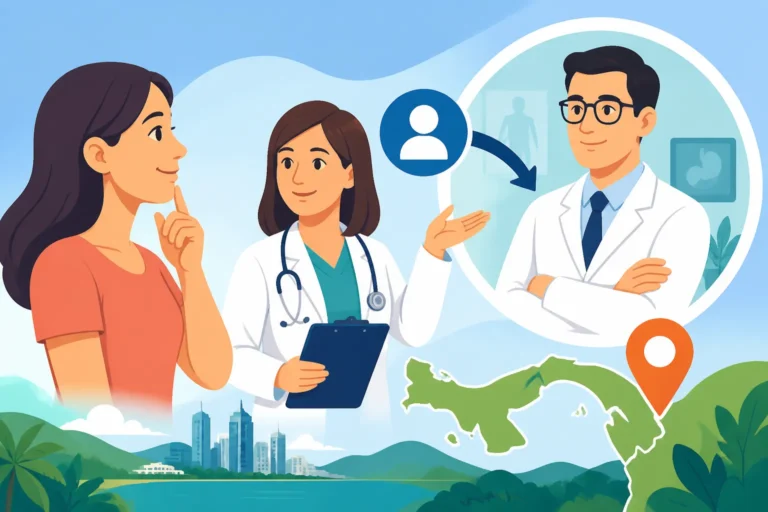
The Complete Guide to Healthcare in Panama for Expats (2027)
One of the biggest anxieties for anyone considering a move to Panama, or who has just arrived, is understanding how the healthcare system actually works. It's not like back home, and the sheer thought of navigating a foreign medical landscape can be overwhelming, especially when you're feeling vulnerable or unwell. This comprehensive guide is here to unravel the complexities, from public and private options to insurance and emergency care, so you can feel prepared and confident about your health in your new Panamanian life.
Understanding Panama's Dual Healthcare System
When you first land in Panama, the healthcare system can feel like a labyrinth, especially if you're used to a single, unified structure. What we have here is really a dual system, running almost in parallel, with the public sector handled by the Caja de Seguro Social (CSS) and a robust private sector. Trust me, understanding the nuances of both is absolutely crucial for any expat. Many foreigners arrive assuming it's one way or the other, only to find themselves utterly confused when they need care.
The Public System: Caja de Seguro Social (CSS)
The Caja de Seguro Social, or CSS, is Panama's public social security system, encompassing healthcare, pensions, and other benefits. If you're employed by a Panamanian company, a portion of your salary, along with your employer's contribution, goes towards the CSS. On paper, it sounds great: comprehensive, affordable healthcare for all contributors and their dependents. In reality, it's often where many expats face their first major dose of "Panama reality."
While the CSS provides essential services, the experience can be… challenging. Picture long wait times – and I mean long – for everything from a routine check-up to seeing a specialist. Hospitals and clinics in the CSS system, particularly outside of Panama City, can be overcrowded, and facilities might not always be up to the modern standards you're accustomed to. Equipment can be dated, and cleanliness, while generally acceptable, might not meet Western expectations in all areas. Appointments often require you to show up at the crack of dawn, sometimes even earlier, to queue for a number, and then wait for hours, only to be told the doctor isn't available that day. It's a test of patience, to say the least. While the care itself can be competent, particularly from dedicated doctors and nurses, the process often overshadows it. This is why you'll find that most expats, even those contributing, rarely rely solely on the CSS for their primary medical needs. If you're interested in the specifics, we have a detailed article on How Panama's Health System Works: CSS and Private Care Explained (2027).
The Private Healthcare Sector
Now, let's talk about the private sector, which is where the vast majority of expats, myself included, choose to receive their medical care. The difference is stark, almost like stepping into a different country. Panama's private hospitals and clinics, especially in Panama City, are modern, well-equipped, and staffed by highly trained, often US-trained, medical professionals. Think state-of-the-art diagnostic equipment, private rooms, and a focus on patient comfort that feels much more familiar.
Here, you'll find facilities like Hospital Punta Pacifica, Hospital Nacional, and Centro Médico Paitilla, which are all excellent options. These hospitals are accredited internationally and maintain high standards. The staff often speaks English, particularly in the larger, more expat-oriented facilities, which is a huge relief when you're trying to explain a symptom. The waiting times are minimal, and appointments are usually easy to schedule. Of course, this level of care comes with a cost, but many find it a worthwhile investment for peace of mind. It’s a completely different ballgame from the CSS system.
Navigating Both: When to Use Which
So, how do you decide between the public and private systems? For most expats, the answer is usually a combination, though heavily weighted towards private care. If you're employed locally and contributing to the CSS, it’s there as a fallback, and it can be useful for certain situations, especially if you have a tight budget and incredible patience. For example, if you need a routine vaccination or a very basic check-up, and you don't mind the wait, the CSS can work. However, for anything urgent, serious, or requiring specialized attention, the private sector is almost always the preferred choice.
Imagine you wake up with a severe earache or a concerning rash. In the private system, you could likely get an appointment with a general practitioner or even an ENT specialist within hours or a day. In the CSS, you might spend half your day waiting just to be triaged. For emergencies, while the CSS hospitals will not turn you away, private hospitals offer faster, more efficient, and often higher-quality emergency care. Understanding Public vs Private Healthcare in Panama: What Expats Need to Know is really about managing expectations and knowing where to go for different types of care. It’s about being pragmatic and prioritizing your health and well-being.
The Nuts and Bolts of Private Healthcare in Panama
Stepping into the private healthcare sector in Panama, especially in Panama City, is a much more reassuring experience for most expats. It’s where you’ll find the comfort, efficiency, and quality of care that often mirrors what you’d find in North America or Europe. But even within this system, there are things you need to know to make the most of it.
Finding English-Speaking Doctors and Specialists
One of the biggest relief points for non-Spanish speaking expats is the availability of English-speaking medical professionals. In major cities like Panama City, it’s relatively easy to find doctors who are fluent in English, many of whom have even trained abroad. This is invaluable, as accurately describing symptoms or understanding diagnoses in a foreign language can be incredibly stressful and prone to miscommunication. You’ll find English-speaking doctors across various specialties, from general practitioners and pediatricians to cardiologists and dermatologists.
The best way to find these doctors is often through word-of-mouth recommendations from other expats, online expat forums, or by checking the websites of major private hospitals like Hospital Punta Pacifica, Hospital Nacional, or Centro Médico Paitilla, which often list their doctors and their language proficiencies. Some clinics, particularly those catering to the expat community, will explicitly advertise their bilingual staff. Don't be shy about asking if a doctor speaks English when you call to make an appointment. It's perfectly normal, and they're used to it. We have a dedicated guide on How to Find an English-Speaking Doctor in Panama that can help you get started.
Private Hospitals and Clinics: What to Expect
Panama boasts several excellent private hospitals and clinics that offer a very high standard of medical care. Hospital Punta Pacifica, for example, is affiliated with Johns Hopkins Medicine International, which speaks volumes about its quality. Hospital Nacional is another top-tier facility known for its comprehensive services and specialized departments. Centro Médico Paitilla is also highly regarded, offering a wide range of services from diagnostics to surgery.
When you walk into one of these private facilities, you’ll notice a significant difference from the public system. The waiting areas are comfortable, the facilities are clean and modern, and the administrative staff are generally efficient and helpful. For a typical appointment, you'll register at reception, often fill out minimal paperwork, and then be directed to the doctor’s office. If tests are required, they’re usually done on-site with modern equipment, and results are often delivered quickly. Hospital stays in these private facilities generally involve private rooms, attentive nursing staff, and a focus on patient comfort. It’s a world apart from the public sector and provides the kind of medical environment many expats prefer when dealing with their health.
Understanding Out-of-Pocket Costs and Payments
While the quality in the private sector is high, so too are the costs compared to the public system. For a standard consultation with a general practitioner, you can expect to pay anywhere from $40 to $70 USD. Specialist visits typically range from $70 to $120 USD, or sometimes more depending on the specialty and the doctor's reputation. Diagnostic tests, such as X-rays, ultrasounds, or blood work, will add to this. An MRI, for instance, could cost several hundred dollars.
Payments are usually made directly at the clinic or hospital, either before or immediately after your consultation or service. Most private facilities accept cash, credit cards (Visa, MasterCard, American Express), and debit cards. If you have private health insurance, you’ll typically pay upfront and then submit a claim for reimbursement, unless the provider has a direct billing agreement with your insurance company (which is less common for routine visits but more so for hospital admissions). It's always wise to clarify payment procedures and whether direct billing is an option when you book your appointment. Being prepared for these out-of-pocket expenses is key to avoiding surprises. Take a look at Understanding Out-of-Pocket Healthcare Costs and Co-Pays in Panama for more details on managing these costs.
Health Insurance Options for Expats in Panama
Okay, so we've talked about the private sector being the preferred choice for most expats. But who's footing the bill? That's where health insurance comes in, and understanding your options is absolutely crucial. You simply cannot move to Panama and expect to rely on the public system for all your needs, especially if you're not an employee contributing to CSS, or even if you are. Getting sick without insurance here could quickly deplete your savings.
Local Private Health Insurance
Panama has a number of reputable local private health insurance providers. These plans are generally more affordable than international options, but they often come with geographical limitations – meaning they primarily cover treatment within Panama. They can be an excellent choice if you plan to live in Panama long-term and don't anticipate needing extensive medical care outside the country. Providers like Assa Compañía de Seguros, MAPFRE Panamá, and Internacional de Seguros offer various plans with different levels of coverage, deductibles, and co-pays.
Typically, these plans will cover doctor visits, specialist consultations, diagnostic tests, prescriptions, and hospital stays, often with a network of approved doctors and facilities. The application process might require a medical examination, especially if you're older or have pre-existing conditions, which might be excluded or subject to a waiting period. It’s important to read the fine print regarding what’s covered, what the deductibles are, and what percentages you'll be responsible for (co-insurance). While these plans can provide solid coverage within Panama, their limitations outside the country are a significant factor for many globally-minded expats. If you’re weighing these options, our guide on How to Choose Private Health Insurance in Panama (2027) offers invaluable insights.
International Health Insurance
For many expats, especially those who travel frequently or envision themselves living in multiple countries over time, international health insurance is often the gold standard. These plans offer comprehensive coverage not just in Panama, but globally (with the common exception of the USA, which can be an add-on). This means you have the flexibility to seek medical treatment wherever you feel most comfortable or where you can access the best care for your specific needs.
Companies like SafetyWing specialize in catering to the needs of digital nomads and expats, offering flexible and affordable international health insurance plans that are designed for people living abroad. Their approach is often simpler, more transparent, and built for a mobile lifestyle, covering you both in your adopted country and during your travels. This kind of portability is a massive advantage. Imagine needing a specific surgery that you feel more comfortable having done in your home country, or simply getting sick while visiting family abroad. An international plan ensures you're covered. These plans usually offer a broader range of benefits, higher coverage limits, and often less hassle with claims due to their international infrastructure. They provide peace of mind that transcends borders, which is invaluable when you're thousands of miles from your comfort zone. Check out Understanding Private Health Insurance Plans in Panama to compare options.
Travel Insurance vs. Comprehensive Health Insurance
It’s absolutely critical to understand the distinction between travel insurance and comprehensive health insurance, because confusing the two could leave you in a very difficult situation.
- Travel Insurance: This is designed for short-term trips and typically covers emergencies, medical evacuation, trip cancellations, and lost luggage. It’s excellent for vacations or brief visits. However, it’s not designed for long-term residency or chronic conditions. If you move to Panama with only travel insurance, it will eventually expire or simply won't cover ongoing medical needs once you're considered a resident. It's a temporary safety net, not a permanent one.
- Comprehensive Health Insurance (Local or International): This is what you need for expat life. It covers routine doctor visits, prescriptions, specialist consultations, diagnostic tests, hospital stays, and ongoing care for both acute and chronic conditions. It's designed to be your primary healthcare coverage while you live abroad.
Many new expats, in an attempt to save money, might try to extend travel insurance or go without, but this is a huge risk. If you fall ill, need ongoing medication, or face a non-emergency medical issue, travel insurance won’t help, and you’ll be left with hefty out-of-pocket expenses. SafetyWing, for instance, offers plans that bridge this gap, providing continuous coverage that is more robust than typical travel insurance, but still designed for the mobile expat lifestyle. Don't make the mistake of thinking one can substitute for the other. For a deeper dive into all your options, read Health Insurance in Panama: Private and International Options Explained.
| Feature | CSS (Public System) | Local Private Insurance (e.g., Assa, MAPFRE) | International Health Insurance (e.g., SafetyWing) |
|---|---|---|---|
| Cost | Very low (payroll deductions) | Moderate | Moderate to High (depending on coverage, age, add-ons) |
| Quality/Facilities | Basic, often crowded, long waits, dated equipment | High, modern facilities, shorter waits | High, access to best facilities in Panama & globally |
| Accessibility | Universal for contributors, but bureaucratic process | Good, network of private clinics/hospitals | Excellent, broad network globally, freedom to choose |
| English-Speaking Staff | Rare (except perhaps in larger cities) | Common in expat-favored clinics/hospitals | Common, particularly in international divisions of hospitals |
| Geographic Coverage | Limited to Panama | Primarily Panama, limited or no international coverage | Worldwide (often excluding USA by default, but optional add-on) |
| Pre-existing Conditions | Covered (with CSS), but long waits for treatment | Often excluded or subject to waiting periods/higher premiums | Varying policies, often manageable with thorough underwriting |
| Ideal For | Employees on a tight budget, very basic care | Expats settled in Panama, prefer local coverage | Digital nomads, frequent travelers, globally mobile expats |
Essential Medical Services and Specialized Care
Beyond just getting a doctor's appointment, you'll need to understand how to access other vital medical services in Panama. From picking up prescriptions to handling emergencies, knowing the ropes can save you a lot of stress and even ensure you get the right care when it matters most.
Pharmacies and Prescription Medications
Panamanian pharmacies are plentiful, well-stocked, and generally quite accessible. You'll find large chains like Farmacias Arrocha, FarmaValue, and El Javillo throughout the cities and even in smaller towns. Many pharmacies have extended hours, with some even operating 24/7 in major urban centers. Pharmacists in Panama are highly trained and often play a more active role in healthcare than their counterparts in some Western countries, frequently offering advice for minor ailments and over-the-counter remedies.
For many common medications, particularly antibiotics and pain relievers, you might find that you don't even need a prescription from a doctor. However, for stronger drugs, controlled substances, or specific maintenance medications, a Panamanian doctor's prescription will be required. If you're arriving with a prescription from your home country, it's best to see a local doctor to get it re-written onto a Panamanian script, especially if it's for long-term use. Prices for medications are often lower than in North America, and generic versions are widely available and encouraged. Always ask for the genérico option if you're looking to save money. We have an extensive guide titled Prescription Medications and Pharmacies in Panama: The Complete Guide that covers everything you need to know.
Emergency Medical Care and Ambulances
When a medical emergency strikes, panic can quickly set in. Knowing the local emergency protocols beforehand is vital. The national emergency number in Panama is 911, which will connect you to police, fire, and ambulance services. However, for medical emergencies, many expats, particularly those with private insurance, often opt to call a private ambulance service directly or head straight to the emergency room of a private hospital. Services like those offered by SEMM Mantenimiento de Salud are private ambulance companies that offer faster response times and transport to private facilities.
If you go to a private hospital's emergency room, expect efficient service. You’ll be triaged, and if your condition is serious, you'll be seen quickly. For less urgent matters, you might still experience a wait, but generally far less than in the public system. It’s always a good idea to carry your insurance information, a form of ID, and ideally, a local contact number with you at all times. If you have a serious medical condition, consider carrying a card with key medical information (allergies, medications, contact person) in Spanish. Remember, for a true emergency, don't hesitate. Head to the nearest reputable private hospital ER. Our article on Emergency Medical Care in Panama: What Every Expat Needs to Know provides critical information for these situations.
Dental, Optical, and Mental Health Services
Just like general medical care, Panama offers a robust private sector for dental, optical, and mental health services.
- Dental Care: Panama is known for its high-quality, affordable dental care, making it a popular destination for dental tourism. You'll find modern dental clinics, especially in Panama City, equipped with the latest technology. Prices are significantly lower than in many Western countries. A routine cleaning might cost $40-$60, while more complex procedures like crowns or implants are also considerably less expensive. Many dentists speak English, and again, word-of-mouth recommendations are golden.
- Optical Services: Opticians and ophthalmologists are readily available. You can get eye exams, prescription glasses, and contact lenses without breaking the bank. Many optical shops offer packages including frames and lenses at very competitive prices.
- Mental Health Services: This area can be a bit more challenging, primarily due to language barriers. While there are excellent psychologists, psychiatrists, and therapists in Panama, finding one who offers services in English can take some searching. However, with the growing expat community, more bilingual professionals are emerging. Telehealth options from your home country or international platforms can also be a good alternative if in-person, English-speaking support isn't readily available or comfortable. It's an area where proactive searching and recommendations are particularly important.
The Cost of Healthcare in Panama: A Detailed Breakdown
Let's get down to brass tacks: what's this all going to cost you? Understanding the financial implications of healthcare in Panama is critical for budgeting and peace of mind. While generally more affordable than countries like the US, it's not "free," and costs can certainly add up, especially if you're relying solely on out-of-pocket payments.
Typical Costs for Common Procedures and Visits
When using the private healthcare system, which most expats do, you'll encounter direct costs for consultations and basic procedures. These are estimates, but they give you a good idea:
- General Practitioner Visit: Expect to pay around $40-$70 USD. This is for a basic check-up, common cold, or minor ailment.
- Specialist Consultation: This will be higher, usually $70-$120 USD. If you need to see a cardiologist, dermatologist, or gynecologist, plan for this range.
- Blood Tests: A basic blood panel might run $30-$60, while more extensive tests could be $100-$200+.
- X-rays: A single X-ray can cost $30-$70.
- Ultrasounds: Expect around $80-$150.
- Prescription Medications: As mentioned, these are generally more affordable than in North America. A course of antibiotics might be $10-$30, while chronic condition medications will vary widely.
These costs might seem manageable individually, but if you have multiple visits, tests, and prescriptions, they quickly accumulate. This is precisely why having good health insurance is not just a luxury, but a necessity for expat life here. Without insurance, a simple urinary tract infection that requires a doctor's visit, a lab test, and a course of antibiotics could easily be $100-$150 out of pocket. For a full picture, delve into The Cost of Healthcare in Panama: A Complete Breakdown for Foreigners (2026).
Hospital Stays and Major Surgeries
This is where costs can really skyrocket, making robust insurance coverage absolutely non-negotiable. An unplanned hospital stay, even for a few days, can run into thousands of dollars.
- Daily Hospital Room Rate: A private room in a top-tier hospital like Punta Pacifica can cost several hundred dollars per night, not including medical services, medications, or doctor fees.
- Appendectomy: A straightforward appendectomy could range from $5,000 to $10,000, depending on the hospital, surgeon's fees, and any complications.
- Major Surgery: More complex surgeries, like orthopedic procedures or heart operations, could easily exceed $15,000-$30,000 or even more.
- Childbirth: A normal delivery can range from $2,000 to $4,000, while a C-section could be $4,000 to $7,000, again depending on the hospital and any unforeseen complications.
These figures are stark reminders that even if daily doctor visits are affordable, a serious medical event could be financially devastating without proper coverage. Your insurance, whether local or international, will typically cover a significant portion of these costs, often after you meet your deductible and co-insurance. Always remember to clarify what exactly your plan covers before any major procedure, if possible.
Saving Money on Healthcare in Panama
While quality care has its price, there are ways to be smart about your healthcare spending in Panama:
- Get Comprehensive Insurance: This is the number one way to save money in the long run. Whether it's a local Panamanian plan or an international plan like SafetyWing, having coverage for major medical events is paramount. Don't cheap out on this. Do I Need Private Health Insurance in Panama? is a question worth exploring.
- Negotiate Cash Prices: For smaller, non-emergency procedures or tests, sometimes clinics offer a slight discount if you pay in cash upfront, especially if you don't have insurance or are choosing not to file a claim. It never hurts to ask, but don't expect miracles.
- Choose Generic Medications: Always ask your pharmacist for the genérico (generic) version of a prescribed medication. They are usually just as effective and significantly cheaper.
- Preventive Care: Regular check-ups, maintaining a healthy lifestyle, and addressing minor issues before they become major problems can prevent costly interventions down the line. Many clinics offer annual health check-up packages that can be a good value.
- Research and Compare: If you need a specific procedure, don't hesitate to call a few different private hospitals or clinics to compare prices. While quality is important, there can sometimes be variations in pricing for the same service.
- Medical Tourism Advantage: For some specialized treatments, Panama itself is a destination for medical tourism due to its high quality and lower costs compared to the US. If you're coming from a country with very high medical costs, even Panama's private sector can represent a significant saving.
Administrative Hurdles and Expat Tips for Success
Beyond the medical procedures themselves, dealing with the administrative side of healthcare in Panama can sometimes feel like another full-time job. As an expat, you'll inevitably encounter unique challenges, but with a bit of foresight and patience, you can navigate them successfully.
Registering with the CSS (if applicable)
If you're working for a Panamanian company, your employer is legally obligated to register you with the Caja de Seguro Social (CSS). This means a portion of your salary and your employer's contribution will go towards the system. While many expats primarily use private healthcare, being registered with the CSS does offer a baseline of coverage and contributes to your social security benefits, including a pension later on.
The registration process itself is usually handled by your employer's HR department. You'll need your cédula (Panamanian ID card, once you have residency) and other personal identification documents. Once registered, you'll receive a CSS card. Accessing care within the CSS system can involve bureaucratic steps, like obtaining a ficha (appointment slip) or navigating multiple departments. If you're self-employed or not employed by a local company, you generally won't be contributing to the CSS unless you opt into a voluntary program, which isn't common for most expats. For a detailed walkthrough of the process, refer to How to Register with the CSS (Caja de Seguro Social) in Panama.
Understanding Medical Records and Referrals
In the private sector, the process for medical records and referrals is generally straightforward, resembling what you might be used to. Most clinics and hospitals maintain electronic records, making it relatively easy to get copies if needed, though a formal request might be required. When seeing a specialist, a referral from a general practitioner isn't always strictly necessary in the private system, but it's often a good idea. Your GP can provide a detailed note (in Spanish, if possible) outlining your symptoms and why you need to see a specialist, which helps streamline the process and ensures the specialist has relevant background information.
One tip: always ask for copies of important test results, reports, and doctor's notes. Keeping your own personal medical file, either physical or digital, can be incredibly helpful, especially if you switch doctors or clinics. It empowers you to be an active participant in your healthcare and ensures continuity of care.
Language Barriers and Cultural Nuances
Even with English-speaking doctors, language can still be a hurdle in a country where Spanish is the official language. While many medical professionals are bilingual, administrative staff, nurses, and pharmacists may not always be fluent in English. Having a basic grasp of medical Spanish phrases can be immensely helpful, as can using translation apps on your phone.
Culturally, Panamanian doctors are generally respectful and thorough. However, don't expect the same level of hand-holding or extensive explanations you might receive in some Western healthcare systems. It's common to have shorter consultations, and sometimes you might need to proactively ask questions to get all the information you need. Being assertive but polite is key. Always clarify instructions for medications, follow-up appointments, or treatment plans. A good strategy is to write down your questions beforehand and confirm you understand the answers. Don't be afraid to ask for a written summary of instructions if you're unsure. Embracing these nuances can make your healthcare journey much smoother and less stressful.
Disclaimer
The information provided in this guide is for general informational purposes only and does not constitute medical, legal, or financial advice. Healthcare systems, regulations, and costs are subject to change, and individual circumstances vary. Always consult with qualified medical professionals, insurance providers, and legal experts for advice tailored to your specific situation in Panama.