The Complete Guide to Renting an Apartment in Panama (2027)
Moving to a new country like Panama often feels like navigating a labyrinth, and finding a rental property can be one of the most perplexing challenges. It’s not just about finding a place, it’s about understanding the unspoken rules, the bureaucratic hoops, and the cultural nuances that can make or break your apartment hunt. This comprehensive guide is here to unravel the complexities, offering you a veteran expat’s perspective on how to secure your perfect rental home in Panama, from the bustling cityscapes to the tranquil highlands, without losing your sanity along the way.
Getting Started: Understanding the Rental Market in Panama
Stepping into Panama's rental market can feel like diving into a different world, especially if you're coming from North America or Europe. It's not just about a change of scenery; it's a whole new set of expectations, regulations, and ways of doing business. Understanding the landscape before you even start looking is crucial to avoid frustration and make a smooth transition.
The Lay of the Land: What to Expect in Major Expat Areas
Panama is incredibly diverse, and so is its rental market. Where you choose to live will heavily influence the types of properties available, the prices, and even the rental process itself.
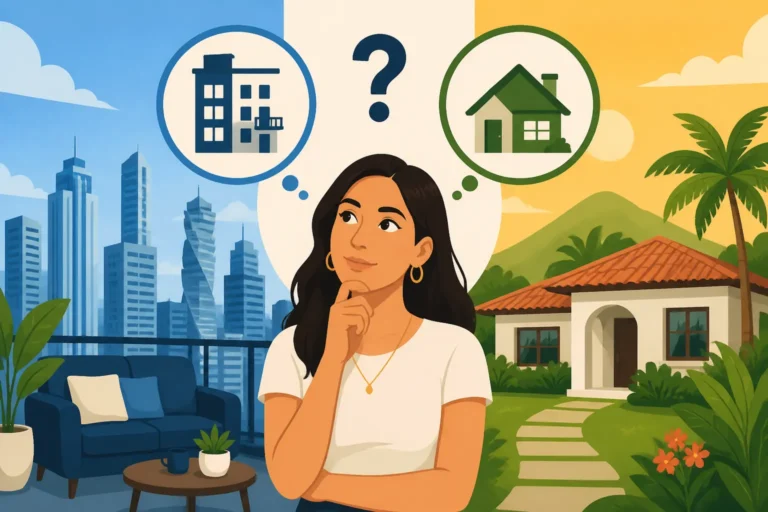
If you're eyeing Panama City, prepare for a vibrant, cosmopolitan experience. Areas like El Cangrejo, Bella Vista, San Francisco, and Costa del Este are popular among expats. Here, you'll find a plethora of high-rise apartment buildings, often with amenities like gyms, pools, and 24/7 security. These neighborhoods offer convenience, proximity to international schools, shopping malls, and excellent restaurants. However, this convenience comes at a price. Rents can be significantly higher, especially for modern, well-maintained units. Expect smaller living spaces compared to what you might get outside the city, and a faster pace of life. The trade-off is often walking distance to necessities and a lively social scene. For those contemplating the urban sprawl, understanding the local dynamics is essential, so check out our guide on How Much Does It Cost to Rent an Apartment in Panama City in 2026? for a detailed breakdown.
Venture outside the capital, and the vibe shifts dramatically. Boquete in the Chiriquí highlands, for instance, offers cooler temperatures, lush greenery, and a slower, more community-focused lifestyle. Here, you're more likely to find houses or duplexes, often with gardens, rather than high-rise apartments. Rentals might be older, but often come with more space and a strong sense of community among the expat residents. The market here is smaller, driven more by word-of-mouth and local connections, which can be both charming and challenging. Prices are generally lower than in Panama City, offering more bang for your buck, especially if you're seeking a tranquil retreat.
Then there’s Coronado and the Pacific Beaches region, a favorite for those craving ocean views and a relaxed beach lifestyle. This area features gated communities, houses, and some mid-rise condos. Many properties are vacation rentals or second homes, so year-round availability might vary, and prices can fluctuate seasonally. You’ll find more North American-style homes with pools and outdoor living spaces. These areas are quite spread out, so a car is often a necessity, and while there's an expat community, it might not be as integrated as in Boquete. Each area has its unique charm and drawbacks, so spend time researching and visiting different locations to see which truly resonates with your lifestyle.
Rental Market Dynamics: Supply, Demand, and Pricing
The Panamanian rental market is, like any market, subject to the forces of supply and demand, but with some local twists. In Panama City, the sheer volume of new construction over the last two decades has meant a relatively stable, sometimes even oversupplied, market for high-end apartments. This can sometimes give tenants a bit more leverage, especially if they are looking for properties that have been on the market for a while. However, certain desirable buildings or areas, particularly those close to international schools or business districts, always command premium prices and move quickly.
For example, a modern two-bedroom apartment in a sought-after area like Costa del Este could easily rent for $1,800 to $2,500+ per month, excluding utilities. In contrast, a similar sized, albeit older, apartment in El Cangrejo might fetch $1,000 to $1,500. The cost of living in Panama varies significantly depending on your choices, but housing will likely be your biggest expense. It's always worth asking what the going rate is, but also being realistic about what you can get for your budget in your preferred area.
Outside of Panama City, particularly in popular expat hubs like Boquete or Coronado, the market can be tighter. There’s less inventory, and what’s available might not always be advertised widely online. Many rentals are found through local real estate agents, expat Facebook groups, or simply by walking around and seeing "Se Alquila" (For Rent) signs. This localized market can mean that prices are less negotiable, especially for properties in high demand or those offering unique features like spectacular views or large lots. Be prepared to act quickly if you find something you like, especially in peak moving seasons for expats (often around the school year).
Understanding these dynamics will help you temper your expectations and strategize your search more effectively. Don’t expect to find a sprawling mansion for $500 a month in the heart of Panama City, but also don’t assume that everything is exorbitantly priced. There are always deals to be found with patience and persistence.
Furnished vs. Unfurnished: Making the Right Choice for Your Move
One of the biggest decisions you'll face when renting in Panama is whether to opt for a furnished or unfurnished apartment. Both have their pros and cons, and the "right" choice really depends on your specific circumstances and how long you plan to stay.
Furnished apartments are incredibly appealing, especially for newcomers. They typically come with all major furniture, kitchen appliances, and often even smaller items like dishes and linens. The convenience of simply walking in with your suitcases and starting your new life cannot be overstated. This option saves you the immediate hassle and cost of buying furniture, which can be a significant upfront expense and logistics headache in Panama. Furthermore, if you’re only planning a short-term stay, say one to three years, a furnished unit can be a more economical and practical choice, as you won't have to worry about selling or shipping furniture when you leave. Many executive rentals cater specifically to this need, providing high-quality furnishings. However, furnished apartments usually command a higher monthly rent. You also might have to live with someone else's taste in decor, and storage space can sometimes be limited if the apartment is fully packed with items.
On the flip side, unfurnished apartments offer greater flexibility and often a lower monthly rent. "Unfurnished" in Panama generally means no furniture, but usually includes basic kitchen appliances like a stove and refrigerator, and importantly, air conditioning units, especially in the city. You get a blank canvas to decorate as you please, bringing your own style and making the space truly feel like home. If you're planning a long-term stay, perhaps five years or more, investing in your own furniture can make financial sense and provide you with a greater sense of permanence. However, the initial outlay for furniture, even second-hand, can be substantial. You'll also need to manage the logistics of sourcing, buying, and moving items, which can be time-consuming and challenging, particularly if your Spanish isn't fluent. When considering an unfurnished place, remember to factor in the cost and effort of buying things like a bed, sofa, dining table, and possibly even a washer and dryer if they aren't included.
A hybrid option sometimes exists where an apartment is "partially furnished" – perhaps with major appliances and built-in closets, leaving you to bring or buy the rest. Always clarify exactly what is included (and what is not) before you commit. It’s a good idea to create a detailed inventory if you opt for a furnished unit, documenting the condition of everything, to avoid disputes down the line.
The Search Begins: Finding Your Ideal Rental Property
Now that you have a clearer picture of the Panamanian rental market, it's time to roll up your sleeves and start the actual hunt. This phase can be exciting, but also requires patience and a proactive approach. Don't expect properties to simply fall into your lap; you'll need to explore various avenues.
Online Portals and Social Media Groups
In today's digital age, online resources are often the first port of call for any rental search, and Panama is no exception. Several platforms cater to the rental market, and a combination of these will give you the broadest overview.
Degusta is one of the most popular and comprehensive online real estate portals in Panama. It lists a wide range of properties, from apartments in gleaming high-rises to houses in suburban communities. The website is relatively user-friendly, often featuring good photos, detailed descriptions, and contact information for agents or landlords. It's a great place to start to get a sense of what's available and what prices look like in different areas. Keep an eye on how long a listing has been up; if it's been there for months, there might be a reason, or perhaps the price is negotiable.
Other platforms like Encuentra24 and even international sites like Point2Homes also feature listings for rentals in Panama. While these might not be exclusively focused on Panama, they can offer additional options, especially from individual landlords who prefer direct engagement rather than going through an agent.
Beyond dedicated real estate sites, social media groups are an invaluable, often overlooked, resource for expats. Facebook groups such as "Expats in Panama," "Boquete Panama Info," or "Panama City Expats" frequently have members posting available rentals, often directly from landlords or fellow expats moving out. These groups offer a more personal touch; you can ask questions, get recommendations, and sometimes even find properties that haven't hit the major portals yet. Just be cautious and apply due diligence when dealing with individuals you meet online – always verify listings and never send money before seeing a property and signing a contract. These groups also offer a fantastic way to connect with other expats who can share their experiences, recommendations, and even warnings about specific landlords or areas.
Working with a Real Estate Agent
While online searching is a good starting point, engaging a reputable real estate agent can significantly streamline your rental process, especially if you're not fluent in Spanish or are new to Panama. A good agent acts as your guide, translator, and negotiator, navigating the local market on your behalf.
Here’s why an agent can be a lifesaver:
- Access to exclusive listings: Many properties, especially in the higher-end market or those seeking long-term tenants, are only listed through agents. They have access to a wider inventory than what you'll find publicly online.
- Local expertise: A knowledgeable agent knows the neighborhoods inside out – which areas are safe, which have good amenities, traffic patterns, and the real market value of properties. They can steer you towards areas that match your lifestyle and budget, saving you countless hours of unproductive searching.
- Negotiation power: They can negotiate rent and contract terms on your behalf. In Panama, it's common for agents to represent both landlord and tenant, so ensure your agent is truly looking out for your best interests.
- Paperwork and legalities: Panamanian rental contracts can be complex and are almost always in Spanish. An agent can explain the terms, ensure the contract is fair, and help you gather the necessary documents. For more details on this, our guide on How to Sign a Rental Contract and Pay a Deposit in Panama will be incredibly helpful.
- Time-saving: Instead of endlessly scrolling through listings and scheduling viewings, an agent will pre-screen properties and organize tours based on your criteria, maximizing your time, especially if you're visiting Panama specifically to find a home.
When choosing an agent, look for one with experience working with expats. Ask for referrals from other expats, check online reviews, and interview a few before committing. Clarify their fees upfront; typically, the landlord pays the agent's commission (often one month's rent) upon signing a contract, but sometimes the tenant may be expected to contribute or pay a finder's fee, so always ask. Reputable agencies often have bilingual staff and a clear understanding of expat needs, such as International Realty Panama or Keller Williams. Don't be shy about asking direct questions about their process and what services they provide.
Exploring Local Neighborhoods on Foot
While digital searches and agents are incredibly helpful, nothing beats pounding the pavement and exploring neighborhoods in person. This grassroots approach can reveal hidden gems and give you a true feel for an area that no online photo or agent description ever could.
Imagine strolling through El Cangrejo, discovering a charming little cafe, or noticing how quiet a particular street is despite being just a block from a busy avenue. These are the intangible details that contribute to your daily quality of life. As you walk around, keep an eye out for "Se Alquila" (For Rent) or "Alquilo" (I Rent) signs. Many smaller landlords, especially for older buildings or individual houses, still rely on physical signage rather than online advertising. Jot down the phone numbers you see and, if your Spanish is up to it, call them directly or ask a local friend to help.
Exploring on foot also allows you to assess practical aspects:
- Amenities: How close are grocery stores (Super 99, Riba Smith), pharmacies, parks, and public transport stops?
- Safety: Do you feel comfortable walking around at different times of day? Are the streets well-lit at night?
- Noise levels: Is the area bustling with traffic, or is it a peaceful oasis? Is there construction nearby that could affect your peace and quiet?
- Community vibe: Do you see families, young professionals, or a mix? Does it feel like a place you'd enjoy living?
This on-the-ground research is particularly vital for areas outside Panama City, like Boquete, where the online rental market is less developed. Local bulletin boards, coffee shops, and community centers often display rental notices. Don't underestimate the power of simply asking around – many expats find their perfect home through connections made within the local community. It also helps you gauge the true vibe of different areas, informing your decision on What Are the Best Cities to Live in Panama? for your specific needs. Take your time, walk around, and truly envision yourself living in each area you consider.
The Rental Process: Documents, Deposits, and Contracts
Once you've found a property you love, the next step is navigating the official rental process. This involves a bit of paperwork, understanding financial commitments, and thoroughly reviewing your rental contract. For expats, this stage can sometimes feel daunting due to language barriers and unfamiliar legal procedures, but being prepared can make it much smoother.
Essential Documents for Expats
When you're ready to put an offer on a rental, your landlord or real estate agent will typically ask for a set of documents to verify your identity and financial stability. These requirements are standard, but for foreigners, they can require a little extra legwork.
Here’s a common list of what you'll need:
- Passport and Visa/Residency Card: This is crucial for identification and to prove your legal status in Panama. Ensure your visa or residency permit is current and that you have physical copies readily available.
- Proof of Income/Financial Solvency: Landlords want assurance that you can consistently pay the rent. This can include recent bank statements (showing sufficient funds), employment letters detailing your salary, pay stubs, or a letter from your employer confirming your income. If you're self-employed or retired, you might need to provide more extensive financial records, such as tax returns or pension statements.
- Bank Reference Letter: Sometimes, landlords or agents will request a letter from your bank, either in Panama or your home country, confirming you are a client in good standing. This is less common for simple rentals but can be requested for higher-value properties.
- Personal References: While not always required, having a few personal references (e.g., previous landlords, employers, or even a local contact if you have one) can strengthen your application.
- Panamanian RUC (Registro Único de Contribuyente): If you're working or running a business in Panama, having your RUC number can be beneficial as it serves as a general tax identification. However, it's not strictly necessary for all rental agreements.
It's a good idea to have copies of these documents organized and ready to go. Consider having key documents translated into Spanish by a certified translator if you anticipate potential issues, though often English documents are accepted, especially when working with expat-friendly agents. Be wary of landlords who ask for an excessive amount of personal information beyond what's reasonably necessary for a rental application, or who demand original documents for an extended period. Generally, they should only need to see the originals and keep copies.
Understanding Deposits and Advance Payments
This is often where expats get a little surprised by the local customs. Unlike some countries where a single month's rent deposit is standard, Panama's rental market typically requires more upfront.
Most landlords will ask for:
- Security Deposit (Depósito de Garantía): This is usually equivalent to one or two months' rent. This deposit is held by the landlord (or sometimes in an escrow account, though this is less common for residential rentals) to cover any damages beyond normal wear and tear, or unpaid rent at the end of your lease. By law, this deposit must be held with the MIVI (Ministry of Housing and Territorial Planning) for contracts over a certain value or duration, but in practice, many individual landlords still hold onto it. It's supposed to be returned to you after you vacate the property, assuming no damages and all rent is paid. For further details on what you can expect, consult our guide on How Much Deposit Do I Need to Rent in Panama?
- First Month's Rent (Primer Mes de Alquiler): You'll almost always need to pay the first month's rent upfront when you sign the contract.
- Last Month's Rent (Último Mes de Alquiler): Some landlords also request the last month's rent in advance, especially for longer lease terms or if you don't have a strong local credit history. This means you could be paying up to four months' rent upfront (first month + two security deposits + last month).
So, if your rent is $1,500 per month, you might need to have $4,500 to $6,000 readily available when you sign the contract. This can be a significant chunk of change, so it's vital to budget for these upfront costs. Always get a clear receipt for all payments made, specifying what each amount covers (e.g., "Depósito de Garantía," "Primer Mes," "Último Mes"). Understand the terms for the return of your security deposit, including any deductions, and ideally, have these terms explicitly written into your rental contract.
Navigating the Rental Contract (Contrato de Arrendamiento)
The rental contract is the cornerstone of your agreement with the landlord, and it’s paramount that you understand every clause before you sign. Panamanian contracts are legally binding documents, and while they generally follow a standard format, specific terms can vary widely.
Key elements you must pay close attention to include:
- Lease Term and Renewal: Most residential leases in Panama are for one year, often renewable. The contract should clearly state the start and end dates, and how renewals are handled. Will the rent increase upon renewal? What notice period is required if either party wishes to terminate or not renew?
- Rent Amount and Payment Schedule: This seems obvious, but ensure the exact monthly rent is stated, along with the due date and acceptable payment methods. Most landlords prefer direct bank transfers, but some might accept cash (always get a receipt). Clarify any penalties for late payment.
- Security Deposit Terms: As mentioned above, ensure the contract specifies the amount of the deposit, how it will be held, and the conditions for its return. This should include a timeframe for its return after you vacate the property.
- Utilities and Services: The contract should clearly outline who is responsible for paying which utilities (electricity, water, gas, internet, cable TV, trash collection). In most cases, the tenant pays for all utilities. It should also state whether community fees (PH fees, if applicable) are included in the rent or paid separately by the tenant.
- Maintenance and Repairs: This is a crucial section. Typically, tenants are responsible for minor repairs and general upkeep, while landlords handle major structural issues or appliance repairs that are not due to tenant negligence. The contract should define what constitutes "minor" versus "major" repairs and the process for reporting issues.
- Use of Property: The contract will likely specify that the property is for residential use only and prohibit subletting without permission. It might also include clauses about pets, noise levels, or modifications to the property.
- Inventory (for furnished properties): If you're renting a furnished apartment, insist on a detailed inventory list of all items provided, noting their condition. This should be appended to the contract and signed by both parties. Take photos or videos on move-in day to document everything.
If your Spanish isn’t fluent, do not sign anything without having the contract thoroughly reviewed by a trusted, independent, bilingual Panamanian lawyer or a seasoned expat who understands local law. A good real estate agent will assist, but an independent legal review offers an extra layer of protection. They can ensure the terms are fair, legal, and that your rights as a tenant are protected. Remember, once you sign, you're bound by its terms.
Costs Beyond Rent: Budgeting for Your Panamanian Home
Many expats arrive in Panama focusing solely on the monthly rent, only to be surprised by the additional costs that come with setting up and maintaining a household. Budgeting effectively means looking beyond the sticker price of the rent and accounting for all the recurring and one-off expenses. Ignoring these can quickly strain your finances and lead to unnecessary stress.
Utilities: Electricity, Water, Gas, and Internet
Once you've secured your rental, the next step is typically to get all your utilities set up and understand how they work. This can be a bit of a dance with different service providers.
- Electricity (Electricidad): This is often the biggest variable in your utility bill, especially in Panama's tropical climate. Air conditioning units are practically a necessity for comfort in many areas, and using them frequently will significantly drive up your electricity consumption. Expect bills ranging from $50 for a modest apartment with minimal AC use to $200-$400+ for larger units with constant AC. Setting up electricity usually involves contacting the local provider (e.g., Naturgy or ENSA, depending on your region), providing your Cedula (residency ID) or passport, and the address. Sometimes, if the previous tenant's account is still active, you might just need to transfer it. Our guide on How Do I Set Up Electricity After Moving to Panama? dives deeper into this process.
- Water (Agua): Water bills, managed by IDAAN, are generally quite low in Panama, often ranging from $10 to $30 per month for a typical apartment. The process for setting up water service is similar to electricity.
- Gas (Gas): Many apartments in Panama use gas for cooking and sometimes for water heaters. This is typically delivered in cylinders (tanques de gas) that you exchange when empty. A large cylinder might cost around $5-$10 and last for several weeks or months depending on usage. Some larger buildings have piped gas, which is billed separately, but this is less common in older buildings.
- Internet and Cable TV: High-speed internet is widely available, especially in urban areas. Providers like Tigo (formerly Cable Onda), Liberty (formerly Cable & Wireless), and +Móvil offer various packages for internet, cable TV, and phone bundles. Prices typically range from $40 to $100+ per month, depending on speed and package. Installation can take a few days to a couple of weeks, so plan ahead. You'll generally need your passport/Cedula and rental contract to set this up. We've got a detailed breakdown on How Do I Set Up Internet in My Panama Home that can walk you through the specifics.
Always ask your landlord or agent which utilities are already connected and which you’ll need to set up in your name. Get clear instructions on how to pay your utility bills, as some services require payment at specific banks or authorized payment centers. You can also often pay them through online banking, once you've set that up. For more details on paying your utilities, check out How Do I Pay My Electricity Bill in Panama?
Building Fees and Maintenance (PH Fees)
If you're renting an apartment or a unit within a gated community, you'll almost certainly encounter "PH Fees" (Propiedad Horizontal fees), also known as HOA fees or maintenance fees. These are monthly charges levied by the building or community administration to cover the upkeep of common areas and shared services.
What do PH fees typically cover?
- Common Area Maintenance: Cleaning and maintenance of lobbies, hallways, elevators, stairwells, and landscaping.
- Amenities: Upkeep of pools, gyms, social areas, playgrounds, and any other shared facilities.
- Security: Salaries for security guards, operation of security cameras, and gate control.
- Utilities for Common Areas: Electricity for hallways, water for the pool, etc.
- Building Administration: Salaries for building managers and administrative staff.
The amount of PH fees can vary dramatically, from as little as $50-$100 per month for older, more basic buildings to $300-$500+ for luxurious complexes with extensive amenities and services. The larger and more amenity-rich the building, the higher these fees tend to be.
Crucially, clarify with your landlord or agent whether PH fees are included in your stated monthly rent or if they are an additional charge you, as the tenant, are expected to pay. In many rental agreements, especially for furnished units, these fees are included in the rent. However, it's not uncommon for unfurnished or mid-range rentals to expect the tenant to cover them. This needs to be explicitly stated in your rental contract. Failing to clarify this upfront can lead to an unexpected increase in your monthly housing costs. Make sure you understand How Much Are the HOA Fees (PH Fees) for an Apartment in Panama? before you sign anything.
Other Potential Costs: Appliances, Insurance, and Services
Beyond the major utilities and PH fees, there are other potential expenses that can creep into your budget.
- Appliances: While most unfurnished apartments come with a stove and refrigerator, you might need to purchase a washer, dryer, and possibly a microwave or small kitchen appliances. The cost of new appliances can be significant, but you can often find good deals on used items through expat groups or online marketplaces.
- Home Contents Insurance: While not mandatory, it's highly recommended. Your landlord's insurance covers the building structure, but not your personal belongings inside the apartment. Policies are generally affordable and can protect your valuables against theft, fire, or other damages. Discuss this with a local insurance broker, especially if you have high-value items.
- Cleaning Services: If you're accustomed to having a cleaner, expect to budget for this. You can find independent cleaners or use agencies. Hourly rates can vary but are generally more affordable than in many Western countries.
- Pest Control: Given the tropical climate, occasional pest control might be necessary, even in modern buildings. Some buildings include this in their PH fees, others require individual units to arrange it.
- Transportation: Factor in costs for taxis, Ubers, Metrobús, or Metro if you don't have a car. While Panama City has a decent public transport network, you might still rely on taxis or ride-sharing for convenience, especially at night or for specific destinations.
- Cell Phone Plan: Don't forget the cost of your mobile service. You can get prepaid SIM cards or a monthly contract from providers like +Móvil, Tigo, or Claro. For immediate connectivity upon arrival, consider an eSIM from a provider like Airalo, which allows you to have data access without needing a physical SIM card right away. This can be a lifesaver for navigating, contacting your agent, or confirming appointments as soon as you land.
By meticulously accounting for these "hidden" costs, you can create a much more realistic budget for your life in Panama, preventing unwelcome financial surprises down the road.
Living in Your Rental: Rights, Responsibilities, and Troubleshooting
Once you've moved into your Panamanian rental, the relationship with your landlord begins in earnest. It’s a two-way street, governed by the rental contract and Panamanian law. Understanding your rights as a tenant and your responsibilities will help you maintain a positive relationship and know how to act if issues arise.
Tenant Rights and Landlord Obligations
Panamanian rental law, primarily governed by Decree Law No. 17 of 1999, aims to protect both tenants and landlords. As a tenant, you have specific rights that ensure a safe and habitable living environment, and your landlord has obligations to uphold their end of the agreement.
Your Rights as a Tenant:
- Right to a Habitable Property: The landlord must provide a property that is fit for living, safe, and meets basic health and safety standards. This includes functioning plumbing, electricity, and structural integrity.
- Right to Peaceful Enjoyment: You have the right to live in your rental without undue interference from the landlord. This means the landlord generally cannot enter your apartment without prior notice (usually 24-48 hours), except in emergencies.
- Right to a Written Contract: You have the right to a clear, written rental contract that outlines all terms and conditions, including rent, duration, and deposit details. This is your primary legal protection.
- Right to the Return of Your Security Deposit: Upon vacating the property, and assuming you’ve met all your obligations (no damages beyond normal wear and tear, all rent paid), you have the right to receive your security deposit back within a specified timeframe.
- Protection Against Arbitrary Eviction: Landlords cannot simply kick you out. There are legal procedures for eviction that must be followed.
Landlord Obligations:
- Maintain the Property: Landlords are generally responsible for major structural repairs, upkeep of common areas, and ensuring essential services like water and electricity supply to the property.
- Respect Privacy: As mentioned, they must provide notice before entering the property.
- Provide Receipts: They must provide receipts for all rent and deposit payments.
- Abide by the Contract: Landlords must adhere to all terms specified in the rental agreement.
It’s always a good idea to know the basic tenets of Understanding Tenant and Landlord Rights in Panama. While the law leans towards protecting residential tenants, knowing your rights empowers you to address issues confidently.
Dealing with Maintenance Issues and Repairs
Things break. It’s an inevitable part of living anywhere, and Panama is no different. The key is knowing how to address maintenance issues efficiently and effectively, according to your contract and local norms.
Generally, the rule of thumb is:
- Landlord's Responsibility: Major structural issues (e.g., roof leaks, foundational cracks), major appliance breakdowns (if they came with the property), electrical wiring problems, and plumbing issues not caused by tenant misuse.
- Tenant's Responsibility: Minor repairs (e.g., changing light bulbs, unclogging a drain if caused by tenant action), general cleanliness, and maintaining the property in good condition.
What to do when something breaks:
- Document everything: Take photos or videos of the issue as soon as it arises. Note the date and time.
- Notify the landlord/agent in writing: Send an email, WhatsApp message, or even a registered letter. A verbal notification might be missed or denied later. Clearly describe the problem and request a repair. Keep copies of all communication.
- Follow up: If you don't hear back or the repair isn't scheduled promptly, follow up politely but persistently.
- Be patient (to a point): "Mañana" (tomorrow) can sometimes mean "sometime in the near future" in Panama. However, for urgent issues, you shouldn't have to wait excessively long. Your contract might specify a timeframe for repairs.
- Don't attempt major repairs yourself: Unless explicitly authorized by the landlord, avoid attempting major repairs that could cause further damage. If you do, you could be held responsible for the cost.
If a critical issue (e.g., no running water, major electrical fault) is not addressed by the landlord within a reasonable timeframe (e.g., a few days), and it renders the property uninhabitable, you might have legal recourse. In such cases, seeking legal advice is prudent. Good communication is always the first line of defense, so try to build a respectful and open relationship with your landlord or their agent from the start.
Lease Renewals and Exiting Your Rental Agreement
The end of your lease term will eventually approach, prompting a decision about renewal or moving on. Both scenarios have specific protocols that must be followed.
Lease Renewal:
If you're happy with your rental and wish to stay, you typically need to notify your landlord in writing within the timeframe specified in your contract (often 30 to 60 days before the lease expires). The landlord may propose a new contract, possibly with a slight rent increase. This is often negotiable, especially if you've been a good tenant. Ensure you get a new, signed contract, or an amendment to the existing one, detailing the new terms and duration. Don't just continue paying rent without a formal agreement, as this could shift your status to a month-to-month tenancy, offering less security.
Exiting Your Rental Agreement:
If you plan to move out, you must also provide written notice to your landlord or agent within the contractual timeframe. This notice period is usually 30 to 60 days. Failing to provide adequate notice could result in you being liable for additional rent, or the loss of part of your security deposit.
Before moving out:
- Clean the Property: Return the apartment in the same condition (or better) than you received it, accounting for normal wear and tear. A professional cleaning service is often a good investment to ensure this.
- Repair Damages: Fix any damages you are responsible for, as per your contract.
- Clear All Bills: Ensure all utility bills (electricity, water, internet) are paid up to your move-out date. Obtain "Paz y Salvo" (proof of no outstanding debt) from utility companies if possible, as this strengthens your case for deposit return.
- Final Inspection: Schedule a joint final inspection with your landlord or agent. Refer to the initial inventory (if applicable) and document the property's condition with photos/videos. This is critical for the return of your security deposit.
The security deposit is often the most contentious part of moving out. Be prepared to discuss any proposed deductions. If you documented the initial condition well and leave the place immaculate, you increase your chances of getting your full deposit back. If you encounter significant issues with the return of your deposit, or if the landlord proposes unfair deductions, you may need to seek legal advice or contact the MIVI (Ministry of Housing) for mediation, though this can be a lengthy process.
Common Challenges and How to Overcome Them
Living in Panama is an incredible experience, but it's not without its bumps in the road, especially when it comes to practicalities like renting. Being forewarned about common challenges can help you navigate them with grace and reduce stress.
Language Barriers and Cultural Differences
One of the most significant hurdles for many expats, particularly outside of Panama City's more international circles, is the language barrier. While many real estate agents and landlords in expat-heavy areas speak some English, the day-to-day interactions, utility companies, and legal documents are predominantly in Spanish.
Imagine trying to understand the nuances of a rental contract, discuss a complex maintenance issue with a local plumber, or dispute an unexpected charge on your electricity bill, all in a language you're not fully comfortable with. It can be incredibly frustrating. This is where having a reliable, Spanish-speaking friend, a good agent, or a lawyer is invaluable. Don't be too proud to ask for help, or to use translation apps like Google Translate (though always double-check important phrases).
Cultural differences also play a role. Panama has a more relaxed approach to time and bureaucracy (often referred to as "Panamanian time"). What might seem like an urgent matter to you could be seen as something that can wait until mañana for a local. This can manifest in delayed repairs, slower responses to inquiries, or prolonged processing times for paperwork. Patience is key. Express your needs clearly and persistently, but understand that things might not move at the pace you're used to. Building personal relationships, even with your landlord, can often smooth over these challenges. A friendly, respectful demeanor can go a long way in Panama.
Avoiding Rental Scams and Red Flags
Unfortunately, rental scams exist everywhere, and Panama is no exception. Expats, especially newcomers, can sometimes be targets due to their unfamiliarity with local customs and processes. Vigilance is crucial.
Here are some red flags and tips to avoid being scammed:
- Never Pay Before Seeing the Property: This is the golden rule. No matter how enticing the photos or how urgent the landlord sounds, never send money (deposit or first month's rent) for a property you haven't personally visited or had a trusted representative inspect. If you’re searching from abroad, use a reputable real estate agent who can provide live video tours.
- Unbelievably Low Prices: If a property seems too good to be true for its location and amenities, it probably is. Do your research on average rental costs in the area (our guide on How Much Does It Cost to Rent an Apartment in Panama City in 2026? can help).
- Requests for Wire Transfers to Personal Accounts: Be extremely cautious if asked to wire money to a personal bank account, especially overseas. Reputable landlords and agents will usually have local Panamanian bank accounts.
- Lack of a Written Contract: Insist on a formal, written rental contract. Verbal agreements offer no protection if something goes wrong.
- Pressure to Act Quickly: Scammers often try to pressure you into making a decision or payment immediately, claiming others are waiting. Take your time, do your due diligence, and never feel rushed.
- Landlord Is Unavailable to Meet: If the "landlord" consistently makes excuses for not meeting in person, or claims to be out of the country indefinitely and wants to handle everything remotely, be suspicious.
- No Contact Information: Legitimate listings will have clear contact details. Be wary of generic emails or those that only offer vague ways to communicate.
- Vague or Incorrect Information: If property details seem inconsistent, or the person can't answer basic questions about the property or neighborhood, it's a warning sign.
Always verify the identity of the landlord and agent. If you’re working with an agent, ensure they are licensed and reputable. When in doubt, walk away or seek independent legal advice. Trust your gut feeling; if something feels off, it probably is.
Moving Your Belongings: Logistics and Planning
Once you’ve found your perfect Panamanian pad, the next logistical hurdle is often getting your belongings there. This is a significant undertaking, and choosing the right method depends on how much you’re bringing and your budget.
If you’re shipping an entire household of furniture and personal effects, you’ll need to work with international moving companies. This involves complex logistics, customs declarations, and often long transit times. It’s highly recommended to use a reputable, experienced moving company that specializes in international moves to Panama. They can guide you through the customs process, which can be bureaucratic and prone to delays. You’ll need to provide detailed inventories, and there will be import duties and taxes on certain items. Platforms like Sirelo can be incredibly helpful here. Sirelo acts as a global platform where you can compare quotes from various international moving companies, read reviews, and find services tailored to your specific needs, making the daunting task of moving your life across borders much more manageable.
For those bringing fewer items, or just a few suitcases, air cargo or simply checking extra luggage might be sufficient. This is faster but generally more expensive per pound than sea freight. Remember to label everything clearly and ensure you have an inventory list for your own records and for customs.
Regardless of the method, ensure your belongings are adequately insured against loss or damage during transit. Pack essentials (important documents, medications, a few changes of clothes, toiletries) in a carry-on bag or a separate box that travels with you, as your main shipment can take weeks or even months to arrive.
Also, consider the local conditions upon arrival. Is your new apartment accessible for a large moving truck? Is there an elevator, or will everything need to be carried up stairs? Discuss these details with your landlord or agent and your moving company to avoid last-minute surprises. Getting your possessions to your new home can be a major stress point, so planning well in advance is essential. For more advice on setting up your life, our guide on The Complete Guide to Moving to Panama: Your First 90 Days (2027) can provide additional useful information.
Making Your Rental Feel Like Home: Settling In
Finding the apartment is just the beginning; making it truly feel like home involves a series of practical steps to get you connected and comfortable in your new surroundings. This phase is about transitioning from visitor to resident, engaging with the local infrastructure and amenities.
Setting Up Your Utilities Smoothly
Once you have the keys, getting your utilities in your name is a top priority. As we've discussed, this typically involves electricity, water, and often gas. While it sounds straightforward, the process can sometimes test your patience, especially if you're not fluent in Spanish or familiar with the local system.
For electricity (Naturgy or ENSA) and water (IDAAN), you’ll usually need your passport or Cedula (Panamanian ID), a copy of your rental contract, and sometimes a recent utility bill from the previous tenant (if available) to show the account number. You’ll visit their local offices, which can involve waiting in lines. Many offices have bilingual staff, but it's not guaranteed. Be prepared for a bureaucratic process; bring all your documents and a healthy dose of patience. If there are any outstanding bills from the previous tenant, ensure these are cleared before you put the service in your name, or you might end up liable for their debt. Your landlord or agent should assist with this, but always double-check. Getting these essentials connected smoothly ensures you can start enjoying your new space without immediate discomfort.
Getting Connected: Internet and Mobile
In today's world, reliable internet and mobile service are not luxuries, but necessities. Setting these up will be crucial for everything from staying in touch with family to navigating your new city and working remotely.
- Internet: Major providers like Tigo, Liberty, and +Móvil offer home internet services, often bundled with cable TV and landline phone. You'll need to visit one of their service centers with your passport/Cedula and rental contract. Installation usually requires scheduling a technician visit, which can take several days to a couple of weeks, depending on demand and location. Ask about fiber optic options for the fastest speeds. While you wait for home internet, consider using your mobile phone as a hotspot or getting a temporary mobile data plan.
- Mobile Service: You have two main options:
- Prepaid SIM Card (Tarjeta SIM de prepago): This is the easiest and fastest way to get connected. You can buy a SIM card (chip) from any phone provider store, grocery store, or even street vendors for a few dollars. You'll load credit (saldo) onto it as needed. This is great for immediate communication but can be more expensive long-term for heavy data users.
- Postpaid Plan (Plan de contrato): For more extensive usage and better rates, a postpaid plan is usually better. You'll need your passport/Cedula and potentially a local bank account or credit card. Providers offer various data, call, and text packages. The process can take a little longer than a prepaid SIM, but it's worth it for long-term residents.
Remember, for that crucial first week or two before your local SIM or home internet is fully functional, an eSIM from a provider like Airalo can bridge the gap. It provides immediate data access upon landing, letting you use apps for navigation, messaging, and communicating with your agent without worrying about finding a physical SIM card right away. This can significantly reduce initial arrival stress.
Embracing Your New Neighborhood
Beyond the practicalities, truly settling in means getting to know and embrace your new neighborhood. This is where your personal journey as an expat truly begins.
- Explore Local Businesses: Walk around and discover the local mini-supers (small grocery stores), fruterías (fruit stands), bakeries, and restaurants. These small businesses are the heartbeat of any Panamanian neighborhood and offer a chance to practice your Spanish and interact with locals.
- Connect with Neighbors: Panamanian culture is generally very friendly. A simple "Hola" or "Buenos Días" to your neighbors can open doors. If you're in an apartment building, you'll often see residents gathering in common areas. Be open to casual conversations.
- Find Your Local Go-Tos: Identify your nearest pharmacy (Farmacia Arrocha or Farmacias Metro are common chains), clinic, and police station. Knowing where these essential services are located will give you peace of mind.
- Join Expat Groups: Especially if you're in an expat hub like Boquete or Panama City, joining local expat social groups (online and in person) can be a fantastic way to meet people who understand your experiences, get recommendations, and find social activities. They often host meetups, coffee mornings, or special events.
- Learn the Culture: Read up on Panamanian customs, etiquette, and local events. Attending local festivals, trying traditional foods, and learning a few Spanish phrases beyond the basics will help you feel more integrated and comfortable.
Making your rental feel like home is about more than just unpacking boxes; it's about connecting with the rhythm of your new life in Panama. Embrace the journey, the occasional challenge, and the many joys of discovering your new community.
Final Considerations Before You Sign
Before you put pen to paper and commit to a rental agreement, there are a few critical final checks and understandings you absolutely must have in place. These aren't just details; they are fundamental safeguards for your peace of mind and financial security during your tenancy.
Inspecting the Property Thoroughly
This step cannot be overemphasized. Before signing the lease and handing over any money, conduct a meticulous walk-through of the property. Do not just glance around; inspect every nook and cranny. This is your last chance to identify any existing damage or issues that you don't want to be held responsible for later.
Here’s a detailed checklist:
- Take Photos and Videos: Document the condition of every room, wall, floor, ceiling, appliance, fixture, and piece of furniture (if furnished). Pay close attention to any pre-existing scratches, dents, stains, or wear and tear. This visual evidence will be invaluable if there's a dispute over your security deposit when you move out.
- Test Everything:
- Appliances: Turn on the stove, open the refrigerator, run the washing machine (if included), and test the microwave.
- Plumbing: Flush toilets, run all faucets, and check for leaks under sinks. Observe water pressure.
- Electricity: Flip light switches, test all outlets (bring a phone charger), and make sure all fixtures work.
- Air Conditioning: Turn on all AC units and ensure they cool effectively. This is crucial in Panama!
- Windows and Doors: Check that they open and close properly, and that locks are functional and secure.
- Hot Water: Confirm that the water heater works and provides sufficient hot water.
- Look for Pests: While difficult to spot completely, check for signs of roaches, ants, or other pests, especially in the kitchen and bathrooms.
- Check for Mold/Mildew: Panama’s humidity means mold can be an issue. Check corners, bathrooms, and around windows for any signs of mold or mildew.
- Verify Amenities: If the building advertises a pool, gym, or other amenities, ask to see them and confirm they are operational and accessible to tenants.
- Clarify Repairs: Point out any identified issues to the landlord or agent immediately and get a written agreement on who will fix them and by when, before you sign the lease. Ideally, these repairs should be completed before you move in.
A thorough inspection is your strongest defense against unwarranted deductions from your security deposit down the line. Treat it as a critical legal step, not just a casual look around.
Understanding Eviction and Dispute Resolution
While no one wants to think about the worst-case scenario, understanding the legal framework for eviction and dispute resolution in Panama is essential for your protection. Being aware of the process ensures you know your rights and don't get caught off guard.
Eviction in Panama:
A landlord cannot simply ask you to leave. There is a legal process that must be followed, typically involving:
- Breach of Contract: The most common reason for eviction is non-payment of rent, but it can also be due to significant breaches of other contract terms (e.g., unauthorized subletting, causing extensive damage, illegal activities).
- Notice: The landlord must provide you with formal, written notice of the breach and a reasonable opportunity to rectify it (e.g., pay overdue rent).
- Legal Process: If the breach is not rectified, the landlord must initiate an eviction proceeding through the proper legal channels, usually at the Ministry of Housing and Territorial Planning (MIVI) or a local court. This can be a lengthy process in Panama.
- Court Order: Only with a court order can a tenant be legally compelled to vacate the property.
As a tenant, if you receive an eviction notice, seek legal advice immediately. Do not ignore it.
Dispute Resolution:
Disagreements can arise over various issues, from maintenance responsibilities to the return of the security deposit.
- Communication First: Always try to resolve issues amicably and directly with your landlord or their agent through clear, written communication.
- Contract as Your Guide: Refer back to your rental contract. Most disputes can be resolved by carefully reviewing the terms you both agreed to.
- Mediation: If direct communication fails, the MIVI often provides mediation services for landlord-tenant disputes. This can be a less formal and costly alternative to court.
- Legal Counsel: For serious disputes, especially those involving significant money or the threat of eviction, engaging a Panamanian lawyer is advisable. They can interpret the law, represent your interests, and guide you through the legal system.
Knowing the steps involved in dispute resolution can help you navigate conflicts more effectively and protect your interests, ensuring that you have a smooth tenancy in Panama.
Insurance for Your Peace of Mind
While not always mandatory for tenants, getting renter's insurance in Panama is a smart financial decision that can offer significant peace of mind.
- Protecting Your Belongings: Your landlord’s property insurance covers the building structure, but it does not cover your personal possessions inside the apartment. Imagine a fire, a flood, or a theft – without renter's insurance, you would be solely responsible for replacing all your lost or damaged items.
- Liability Coverage: Renter's insurance also typically includes liability coverage. If a guest is injured in your apartment due to your negligence, or if you accidentally cause damage to the building (e.g., a bathtub overflows and damages the unit below), this coverage can protect you from hefty legal and repair costs.
- Cost-Effectiveness: Renter's insurance policies are generally quite affordable, especially compared to the potential financial devastation of losing all your belongings or facing a liability lawsuit. The premium is a small price to pay for such comprehensive protection.
You can speak to local insurance brokers in Panama who specialize in expat coverage. Companies like ASESUISA or Internacional de Seguros offer various home insurance products. They can help you determine the right level of coverage for your valuables and assess your liability needs. Investing in this small layer of protection is a responsible way to safeguard your financial future and allow you to truly enjoy your new life in Panama without constantly worrying about unforeseen circumstances.
Disclaimer
The information provided in this guide is intended for general informational purposes only and does not constitute legal, financial, or professional advice. While we strive to ensure accuracy, the laws, regulations, and market conditions in Panama can change, and individual situations may vary. We strongly recommend consulting with a qualified Panamanian attorney, real estate agent, and financial advisor for advice tailored to your specific circumstances. We are not responsible for any actions taken based on the information presented herein.