The Cost of Healthcare in Panama: A Complete Breakdown for Foreigners (2026)
When you first think about moving to a tropical paradise like Panama, visions of sun-drenched beaches and vibrant city life often fill your head. What often gets overlooked until you're actually here, staring down a sniffle or a sprained ankle, is the bewildering question of healthcare costs. Navigating a new medical system in a foreign country can be genuinely daunting, leaving many expats feeling vulnerable and unsure of what to expect financially. This comprehensive guide is designed to peel back the layers of Panama's healthcare economy, offering a realistic breakdown of what foreigners can expect to pay for various medical services in 2026, from basic check-ups to more complex procedures.
Navigating Panama's Healthcare Cost Landscape as an Expat
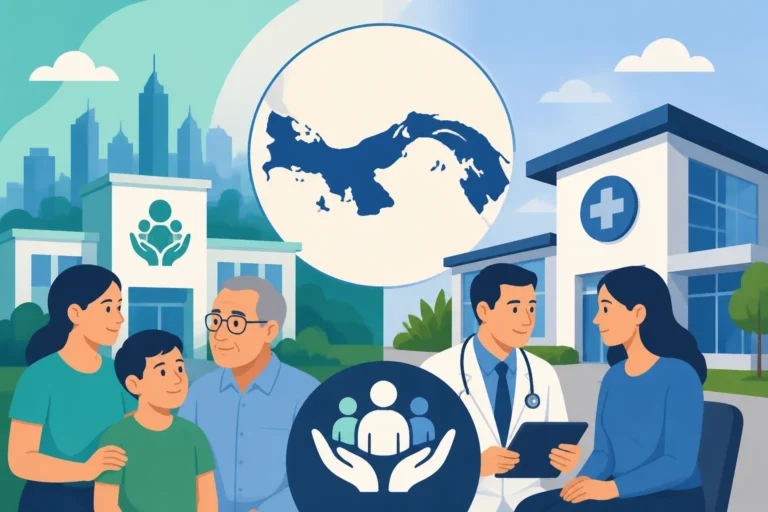
For many of us who've landed in Panama, the healthcare system can feel like a maze with two very distinct paths: the public system and the private system. Each comes with its own set of costs, benefits, and frankly, frustrations. It's not as simple as "cheap" or "expensive"; it's about understanding the nuances and making informed choices that suit your health needs and your wallet. Unlike some countries with universal healthcare, Panama's public system, the Caja de Seguro Social (CSS), is primarily for employees and their dependents who contribute to it. Foreigners, especially retirees or those working remotely, often gravitate towards the private sector, which offers a higher standard of care and significantly shorter wait times but, as you can imagine, comes with a heftier price tag.
Public vs. Private Healthcare: A Cost Overview
The fundamental difference in cost starts with the system itself. The public system, while technically "cheaper" if you're a contributor, often involves significant indirect costs like time spent waiting, bureaucratic hurdles, and sometimes, the need to purchase medications or supplies that the public system is out of stock of. Private healthcare, on the other hand, provides immediate access, modern facilities, and English-speaking staff, but at prices that can rival or even exceed those in your home country for certain specialized treatments.
For example, a simple general practitioner visit in the public system might only cost a few dollars, or even be "free" if you're a CSS contributor, but you might spend half a day in waiting rooms. The same visit in a private clinic could be anywhere from $40 to $80, and you're in and out within an hour. This initial comparison sets the stage for every other medical cost you'll encounter here. Understanding Public vs Private Healthcare in Panama: What Expats Need to Know is crucial for making smart financial decisions about your well-being.
Factors Influencing Healthcare Costs for Foreigners
Several elements directly impact what you'll ultimately pay for healthcare in Panama. First, your residency status plays a big role. If you are a legal resident working in Panama, your employer will likely register you with the CSS, meaning you'll contribute monthly and have access to public services. However, if you're a retiree on a Pensionado Visa or a digital nomad not officially employed by a Panamanian company, you'll be primarily relying on private care and private insurance.
Secondly, location matters. Healthcare costs, especially in the private sector, tend to be higher in Panama City compared to smaller cities like David or regions like Boquete. A specialist consultation that costs $100 in Panama City might be $60-$70 in David. Lastly, your specific health needs and preferences—whether you prioritize convenience and English-speaking doctors over cost savings—will significantly dictate your overall healthcare expenditure. For those who are just arriving or planning a short-term stay, finding travel insurance like SafetyWing can provide a crucial safety net while you get acquainted with the local healthcare scene and before you commit to a long-term plan. It's a pragmatic approach for initial coverage.
The Public Healthcare System (CSS) Costs
The Caja de Seguro Social (CSS) is Panama's social security fund, which provides public healthcare services to its contributors. If you're officially employed in Panama, you'll contribute a percentage of your salary to the CSS, and your employer will contribute too. This system is designed to provide comprehensive medical care, from basic consultations to surgeries and medications. However, the "cost" here isn't always a direct payment, but often involves significant trade-offs.
Contribution Rates and Coverage Nuances
As an employee, your contribution to the CSS is typically 9.75% of your gross salary, while your employer contributes 12.25%. These contributions grant you access to CSS hospitals and clinics across the country. On paper, this sounds fantastic – comprehensive healthcare for a fixed percentage of your income. The reality, however, can be a different story. While consultations and treatments are technically covered, obtaining them can be a challenge.
For instance, getting an appointment with a specialist often involves long waiting lists, sometimes stretching for months. Patients frequently report having to arrive at clinics hours before opening to secure a spot for same-day treatment. Medications, while part of the coverage, are not always in stock, forcing patients to purchase them at private pharmacies out-of-pocket, essentially doubling the cost for that specific item. It's a system designed for a different pace, and many expats find the How to Register with the CSS (Caja de Seguro Social) in Panama process and subsequent experience to be quite a culture shock.
Hidden Costs and Practical Challenges
Beyond the direct contributions, there are several "hidden" costs when relying solely on the public CSS system. Transportation can become a major expense if your local CSS clinic lacks the necessary specialist or equipment, requiring you to travel to a larger CSS facility, possibly in Panama City. Time off work or away from your routine for appointments and waiting is another often-uncalculated cost. The language barrier, if you're not fluent in Spanish, can also lead to miscommunication and the need for a translator, which adds to the overall expense and stress.
Furthermore, while emergency care is available through the CSS, the facilities can be overcrowded, and the standard of care may not be what many expatriates are accustomed to. For critical situations, many still opt for private hospitals if they can afford it, even if they contribute to the CSS, highlighting the perceived gaps in the public system for complex or urgent needs.
Private Healthcare Costs: General Practice and Outpatient Care
When expats talk about healthcare in Panama, more often than not, they're referring to the private system. This is where most foreigners seek care due to the significantly higher quality facilities, advanced equipment, shorter wait times, and often, English-speaking medical professionals. However, this convenience and quality come at a price.
General Practitioner Visits
A standard visit to a General Practitioner (GP) in a private clinic in Panama City will typically cost between $40 and $80. In smaller cities or towns, you might find prices slightly lower, perhaps in the $30-$60 range. This fee usually covers the consultation itself, basic examination, and perhaps a prescription if needed. It doesn't include any lab tests, imaging, or specialized procedures.
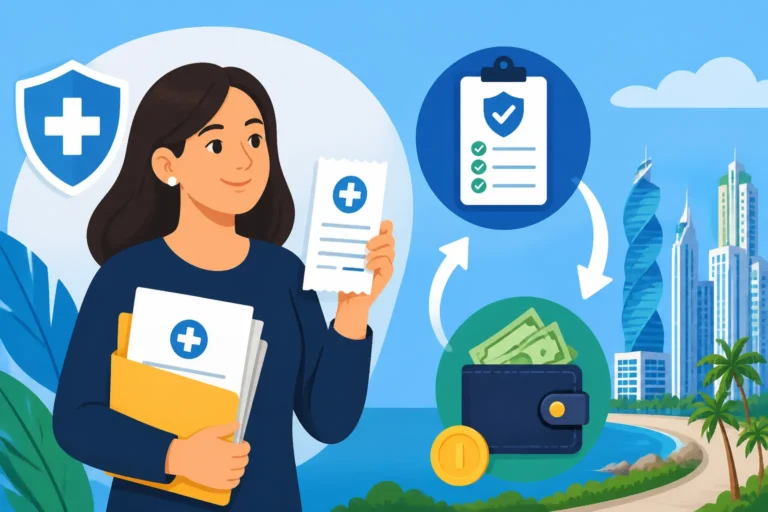
It's common practice here to pay the doctor directly after your consultation, usually in cash or with a debit/credit card. If you have private insurance, you’ll then submit the receipt for reimbursement, though some clinics with direct billing agreements might handle this for you. The good news is that these appointments are usually easy to schedule, often same-day or next-day, a stark contrast to the CSS system. Finding an How to Find an English-Speaking Doctor in Panama is often a priority for new arrivals, and the private system is where you'll have the most luck.
Routine Check-ups and Preventative Care
For routine check-ups, like an annual physical, the costs can vary widely depending on what's included. A basic physical might cost around $50-$100. However, if your doctor recommends blood work (lipid panel, glucose, kidney function, etc.), a urine test, or other common screenings, those will be separate charges.
For example, a comprehensive blood panel could range from $50 to $150, depending on the number and type of tests. Women's health check-ups, including a Pap smear, can add another $40-$70 for the lab work on top of the consultation fee. These costs, while not exorbitant, can add up quickly if you're diligent about preventative care and don't have robust private health insurance coverage. It's an important aspect to consider when looking at the overall The Cost of Healthcare in Panama: A Complete Breakdown for Foreigners (2026).
Specialist Consultations and Diagnostic Testing Costs
Once you move beyond general practice, the costs for specialist care and diagnostic testing can climb significantly. Panama has excellent specialists, particularly in Panama City, often trained internationally, which means you're getting top-tier expertise, but you'll pay for it.
Specialist Fees
Consultations with specialists such as cardiologists, dermatologists, gastroenterologists, or ophthalmologists typically range from $80 to $150 per visit in major private hospitals or clinics in Panama City. In some cases, highly sought-after specialists or those practicing in premium facilities like Hospital Punta Pacifica might charge even more, sometimes reaching $200 or higher for an initial consultation. Follow-up visits are often slightly less expensive but still significant.
Unlike some countries, a formal referral from a GP isn't always strictly required to see a specialist in the private system. You can often book directly, which offers convenience but also means your initial diagnosis and treatment path are entirely in your hands or those of the specialist you choose. Understanding How Specialist and Hospital Referrals Work in Panama can still be beneficial, especially for insurance purposes.
Diagnostic Imaging and Lab Work
Diagnostic tests are another area where costs can accumulate rapidly. Here’s a general breakdown of what you might expect:
- X-rays: A standard X-ray can cost anywhere from $30 to $80 per view.
- Ultrasounds: Depending on the area (e.g., abdominal, pelvic, obstetric), ultrasounds typically range from $70 to $150.
- CT Scans: These are more expensive, usually starting around $200 and going up to $500 or more, depending on the area scanned and whether contrast dye is used.
- MRIs: An MRI is one of the pricier diagnostic tools, with costs ranging from $400 to $800, again depending on the body part and complexity. This is comparable to what you might pay in some Western countries, so don't expect a huge discount just because you're in Panama. For detailed insights, you might want to look into How Much Does an MRI Scan Cost in Panama in 2026?.
- Comprehensive Lab Tests: While individual blood tests can be relatively inexpensive ($5-$20 each), a full panel of tests ordered by a specialist (e.g., for thyroid function, hormone levels, or specific disease markers) can easily add up to $100-$300 or more.
It's wise to always ask for a detailed estimate of costs before undergoing any major diagnostic tests. Many clinics offer packages, which might be slightly more economical than individual tests.
Hospitalization and Surgical Expenses in Panama
Hospital stays and surgical procedures represent the highest potential costs in Panamanian healthcare. While the quality of private hospitals in Panama City, particularly, is exceptional, the bills can quickly escalate.
Daily Hospital Rates and Room Costs
Private hospitals in Panama City, such as Hospital Punta Pacifica (affiliated with Johns Hopkins Medicine International), Hospital Nacional, and Centro Médico Paitilla, offer modern facilities, private rooms, and a high level of patient care. The cost of a standard private room can range from $150 to $350 per night, excluding doctor's fees, medications, and other services. Intensive Care Unit (ICU) stays are significantly more expensive, potentially running from $500 to $1,000+ per night.
These daily rates cover the room and basic nursing care, but everything else is added on. This includes meals, medical supplies used, diagnostic tests performed during your stay, and all professional fees from attending physicians, specialists, and anesthetists. It’s a common experience for expats to be surprised by the total bill, even if they have insurance, as co-pays and deductibles can still be substantial. Getting familiar with How to Use Major Hospitals Like Punta Pacifica and Hospital Nacional can help manage expectations.
Surgical Procedures
The cost of surgery varies dramatically based on the type of procedure, its complexity, the length of the hospital stay, and the medical team involved. Here are some approximate ranges for common procedures:
- Appendectomy: A straightforward appendectomy might cost between $3,000 and $7,000.
- Gallbladder Removal (Laparoscopic Cholecystectomy): This could range from $5,000 to $10,000.
- Hernia Repair: Depending on the type and complexity, expect to pay anywhere from $2,500 to $6,000.
- Knee Replacement: More complex surgeries like knee replacement can be $10,000 to $20,000 or more, especially if implants are required.
- Childbirth (Normal Delivery vs. C-section): A normal delivery can range from $1,500 to $3,000 in a private hospital, while a C-section is typically $3,000 to $6,000. These costs usually include the hospital stay for mother and baby, obstetrician fees, and pediatrician fees. For more details on this, you can check How Much Does a Normal Delivery Cost in Panama?.
These figures are estimates and can fluctuate based on the specific hospital, the surgeon's fees, anesthesia, and any unforeseen complications. For major procedures, it's absolutely vital to have robust private health insurance, as these costs can quickly wipe out savings if you're paying out-of-pocket.
Understanding Prescription Medications and Pharmacy Costs
Getting your prescriptions filled in Panama is generally a straightforward process, but the cost can vary depending on the medication, whether it's generic or brand-name, and even the specific pharmacy.
Cost of Common Medications
Pharmacies are abundant in Panama, from large chains like Arrocha and Metro Pharmacies to smaller, independent stores. For many common, non-specialized medications, prices are often lower than in the United States, and sometimes even competitive with other developed nations. For example, a course of standard antibiotics might cost $10-$30, and common over-the-counter pain relievers or cold medicines are very affordable.
However, brand-name, imported, or highly specialized medications can be quite expensive, sometimes on par with or even exceeding US prices. Panamanian pharmacies often carry a good selection of both brand-name and generic alternatives. Always ask for the generic option (known as genérico), as it can offer substantial savings. Many medications that require a prescription in other countries can sometimes be purchased over-the-counter in Panama, although this practice is becoming less common for stronger drugs. If you're wondering about specific prices, checking Are Prescription Medications Expensive in Panama? can provide more context.
The Pharmacy System and Availability
Panama's pharmacy system is efficient, and you'll find pharmacies virtually everywhere, often with extended hours or even 24/7 locations, especially in larger cities. You'll typically need a doctor's prescription for most medications, but the process of getting it filled is usually quick. Just hand over your prescription, and they'll prepare it for you.
One important point to note is the availability of specific drugs. While major pharmacies usually have a good stock, there might be instances where a particular brand or a very specialized medication is out of stock or not available in Panama at all. In such cases, your doctor might suggest an alternative, or you might need to have it imported, which adds to the cost and complexity. It’s always a good idea to check for refills a bit in advance, especially if you rely on critical daily medications. For a more complete overview, refer to Prescription Medications and Pharmacies in Panama: The Complete Guide.
The Reality of Health Insurance Premiums and Coverage
Health insurance is not just a good idea for expats in Panama; it's practically essential for financial peace of mind, especially if you plan to utilize the private healthcare system. Relying solely on out-of-pocket payments for anything beyond routine check-ups can quickly become a significant financial burden.
Local vs. International Health Insurance
Expats generally have two main choices for private health insurance: local Panamanian plans or international health insurance plans.
-
Local Panamanian Plans: Providers like ASSA, Internacional de Seguros, and Blue Cross Blue Shield of Panama offer various plans designed for residents. These plans are often more affordable than international options, with premiums potentially ranging from $80 to $300+ per month, depending on your age, health status, and desired coverage level. They typically have a network of approved doctors and hospitals, often require co-pays (a fixed amount you pay per visit) and deductibles (an amount you pay out-of-pocket before insurance kicks in), and may have limitations on coverage outside of Panama. If you plan to stay long-term and primarily use Panamanian medical facilities, a local plan might be cost-effective. You can learn more about these in Understanding Private Health Insurance Plans in Panama.
-
International Health Insurance Plans: Companies like Cigna Global, Aetna International, and even travel insurance like SafetyWing (for initial periods or specific needs) offer plans that provide coverage both in Panama and internationally. These are usually more expensive, with premiums ranging from $200 to $600+ per month, but they offer greater flexibility if you travel frequently or want the option to seek treatment in your home country. They often come with higher annual deductibles but provide extensive coverage, including for evacuations. For those still weighing options, How to Choose Private Health Insurance in Panama (2027) provides excellent guidance.
Deductibles, Co-pays, and Out-of-Pocket Maximums
Understanding these terms is critical when evaluating any health insurance policy:
- Deductible: This is the amount you must pay out of your own pocket for medical expenses before your insurance company starts paying. For example, if your deductible is $1,000, you pay the first $1,000 of covered medical services yourself each policy year.
- Co-pay: This is a fixed amount you pay for a covered healthcare service after you've met your deductible. For instance, you might have a $20 co-pay for a doctor's visit or a $50 co-pay for a specialist.
- Out-of-Pocket Maximum: This is the most you'll have to pay for covered services in a policy year. Once you reach this limit, your insurance company pays 100% of the cost of covered benefits for the rest of the year.
Premiums for private health insurance for an individual in Panama could range from $1,000 to $4,000+ per year, depending on age, health, and coverage. For a family, these costs multiply, potentially reaching $3,000 to $10,000+ annually. For example, a healthy 40-year-old might find a good local plan for $1,800 a year with a $500 deductible and $25 co-pays, while a 60-year-old might pay $3,500 for similar coverage. The exact cost of private health insurance in Panama in 2026 can be explored further in How Much Does Private Health Insurance Cost in Panama in 2026?. It’s a significant investment, but one that provides crucial protection.
Dental, Vision, and Other Specialized Care Costs
Beyond general medical care, expats often need to consider costs for dental, vision, and other specialized services like mental health or physiotherapy. Panama offers quality care in these areas, often at more affordable rates than in many Western countries, making it a popular destination for medical tourism, particularly for dentistry.
Dental Care Expenses
Dental care in Panama is generally considered excellent value. Many dentists in Panama City and larger towns are US-trained or internationally certified, with modern clinics and equipment.
Here's a snapshot of typical dental costs:
| Service | Average Cost (USD) |
|---|---|
| Dental Cleaning | $40 – $70 |
| Fillings (Amalgam) | $50 – $100 |
| Fillings (Composite) | $70 – $150 |
| Tooth Extraction | $80 – $200 |
| Root Canal (Molar) | $300 – $600 |
| Crown (Porcelain) | $350 – $700 |
| Dental Implant | $800 – $1,500 |
As you can see, complex procedures like implants are significantly cheaper than in North America or Europe. Many expats specifically travel to Panama for major dental work, effectively turning a vacation into a cost-saving dental trip. For more specific details, you can dive into Understanding Dental Care Costs in Panama.
Vision Care and Eyeglasses
Vision care is also quite accessible and reasonably priced. A standard eye exam by an optometrist might cost $30-$60. If you need prescription eyeglasses, the cost will vary widely depending on the frames and lens type (e.g., single vision, progressive, anti-glare coatings). You can often find a full pair of prescription glasses, including frames and lenses, for $100-$300. Designer frames will, of course, push that price higher. Contact lenses are also readily available, with prices similar to those found internationally.
Mental Health Services and Physiotherapy
Accessing mental health services in English in Panama is becoming easier, especially in Panama City. A session with a private psychologist or therapist can range from $60 to $120 per session. Some international health insurance plans may offer partial coverage for these services. How to Access Mental Health Services in Panama as an Expat can guide you further.
Physiotherapy sessions, often needed after injuries or for chronic conditions, typically cost $30-$70 per session. Many physiotherapists operate out of private clinics, and some offer package deals if you require multiple sessions. The availability of these specialized services at competitive prices makes them more accessible for expats than in many other countries.
Anticipating Hidden and Ancillary Healthcare Expenses
While we've covered the direct costs of consultations, procedures, and medications, it's crucial to acknowledge the "hidden" or ancillary expenses that often catch expats off guard. These aren't typically part of your insurance deductible or co-pay but can add up, impacting your overall healthcare budget.
Transportation and Logistics
Getting to and from medical appointments, especially if you're in a smaller town and need to travel to Panama City for specialist care, can become a significant expense. Taxis, ride-sharing services like Uber, or even bus fares accumulate. If you own a car, fuel and parking fees at major hospitals in the city can be steep. Public transport, while affordable, might not be practical if you're feeling unwell or have mobility issues.
For instance, if you live in Coronado and need to see a specialist in Panama City, a round trip could involve $50-$100 in travel costs, plus the time commitment. This is particularly relevant if you require frequent follow-ups or diagnostic tests. Sometimes, the most accessible clinic might not be the cheapest, but the travel savings could balance it out.
Unexpected Supplies and Services
Even within the private system, there can be unexpected costs. You might be asked to purchase specific medical supplies (e.g., bandages, antiseptic wipes) from a pharmacy before a minor procedure, as clinics sometimes prefer patients to bring their own. For procedures requiring lab work, while the test itself is covered by your payment or insurance, the small fee for the flebotomista (person drawing blood) might be a separate, nominal charge.
Another often-overlooked expense for non-Spanish speakers is the need for a translator. While many doctors in private facilities speak English, not all do, and certainly, clinic staff or pharmacists might not. Hiring a translator for crucial appointments, especially when discussing diagnoses or complex treatment plans, is a wise investment that comes with its own fee, typically $20-$50 per hour.
Follow-Up Care and Post-Procedure Expenses
The initial consultation or procedure cost doesn't always include all follow-up care. Subsequent visits, new prescriptions, or unexpected complications that require additional tests will naturally incur more expenses. For surgeries, post-operative physiotherapy or rehabilitation is often a separate cost not fully covered by basic insurance plans.
It’s important to clarify with your doctor and the clinic what is included in a quoted price for a procedure or treatment plan. Does it cover all follow-ups for a certain period? Are all necessary medications for recovery included? Asking these questions upfront can prevent surprises on your final bill.
Practical Strategies for Managing Healthcare Costs in Panama
Navigating healthcare costs in Panama doesn't have to be an exercise in panic. With a bit of planning and strategic thinking, you can effectively manage your medical expenses and ensure you receive quality care without breaking the bank.
Compare Prices and Seek Quotes
One of the best strategies in Panama's private healthcare system is to shop around. Prices for the same service can vary between different clinics and hospitals. Don't hesitate to call a few different private clinics or even major hospitals to inquire about the cost of a general consultation, a specific diagnostic test, or a dental procedure. Many clinics are accustomed to providing price estimates.
For example, if your doctor recommends an MRI, call Hospital Nacional, Hospital Punta Pacifica, and perhaps a specialized imaging center to compare their rates. You might find a significant difference that makes a phone call well worth your time. This goes for medications too – sometimes the same prescription can be slightly cheaper at a different pharmacy chain.
Understand Your Insurance Policy Thoroughly
Before you ever need to use it, sit down and read your health insurance policy. Understand your deductible, co-pays, and your annual out-of-pocket maximum. Know exactly what is covered and what isn't. For instance, some plans might not cover pre-existing conditions or might have specific exclusions. Some might require prior authorization for certain procedures.
Knowing these details helps you budget and makes processing claims much smoother. If you have an international plan, understand their reimbursement process. For local plans, know which hospitals and doctors are within their network to maximize your benefits. Having a clear grasp of your policy can save you not only money but also a lot of stress during a health event. This insight is also covered in Understanding Out-of-Pocket Healthcare Costs and Co-Pays in Panama.
Consider a Health Savings Account (HSA) Approach
While Panama doesn't have a formal HSA system like some countries, you can effectively create your own. If your health insurance plan has a high deductible, consider setting aside money specifically for healthcare expenses in a separate savings account. This way, if you have an unexpected medical bill, you have funds readily available to cover your deductible or other out-of-pocket costs.
This approach is particularly useful for those who are relatively healthy and don't anticipate frequent major medical events. It allows you to benefit from lower monthly insurance premiums while still being financially prepared for potential healthcare needs. It’s a proactive way to manage future Emergency Medical Care in Panama: What Every Expat Needs to Know situations.
Utilize Public Resources Where Appropriate
While the private system offers unparalleled convenience, don't completely discount public health resources for non-urgent or basic needs, especially if you are a CSS contributor. For minor ailments, routine vaccinations (many public health centers offer free or very low-cost vaccinations), or simply to get a basic health check, public clinics can be an option. The key is managing your expectations regarding wait times and facilities.
Moreover, Panama's public health system plays a crucial role in preventative health campaigns and managing public health crises. Being aware of these resources, even if you primarily use private care, can be beneficial for community health information or specific public health initiatives.
Medical Tourism Within Panama
Panama is increasingly becoming a destination for medical tourism, especially for dental work, cosmetic surgery, and certain specialized procedures. The presence of world-class facilities like Hospital Punta Pacifica and Hospital Nacional, coupled with highly skilled, often internationally trained, medical professionals, makes it an attractive option.
For expats, this means that even if a procedure seems expensive compared to local wages, it might still be considerably cheaper than in countries like the US or Canada. For example, a dental implant in Panama might be half the cost of one in Florida. If you have a significant procedure looming, researching various clinics and even hospitals known for medical tourism can lead to substantial savings.
Disclaimer
The information provided in this guide regarding healthcare costs in Panama is for general informational purposes only and is subject to change. Medical costs can vary significantly based on individual circumstances, specific medical conditions, the chosen healthcare provider, facility, and current economic conditions. It is always recommended to seek personalized advice from healthcare professionals, insurance providers, and legal experts when making decisions about your health and financial planning in Panama. This article does not constitute medical, financial, or legal advice.