Prescription Medications and Pharmacies in Panama: The Complete Guide
One of the most immediate concerns that bubbles up for many expats and long-term tourists when they first arrive in Panama is, "What happens if I get sick, and how do I get my medication?" It’s a totally valid worry. Navigating a new healthcare system, especially when it comes to prescriptions and pharmacies, can feel like stepping into a labyrinth. This comprehensive guide is here to demystify the process, offering you a clear, empathetic roadmap to understanding prescription medications and pharmacies in Panama.
Understanding the Panamanian Pharmacy System
Moving to a new country often means adjusting to different systems, and healthcare is no exception. Panama’s pharmacy system, while efficient in many ways, has its own quirks and nuances that are important for foreigners to grasp. It's not quite like North America or Europe, so ditch those preconceived notions and let's dive into how things really work on the ground.
The Role of Pharmacies in Panama's Healthcare
In Panama, pharmacies are far more than just places to pick up your pills. They often serve as a first point of contact for minor ailments and health advice, particularly in smaller towns or during off-hours when a doctor's office might be closed. Many pharmacists here play a more active role in guiding patients, especially concerning common over-the-counter (OTC) remedies and even "behind-the-counter" medications that might require a prescription in your home country.
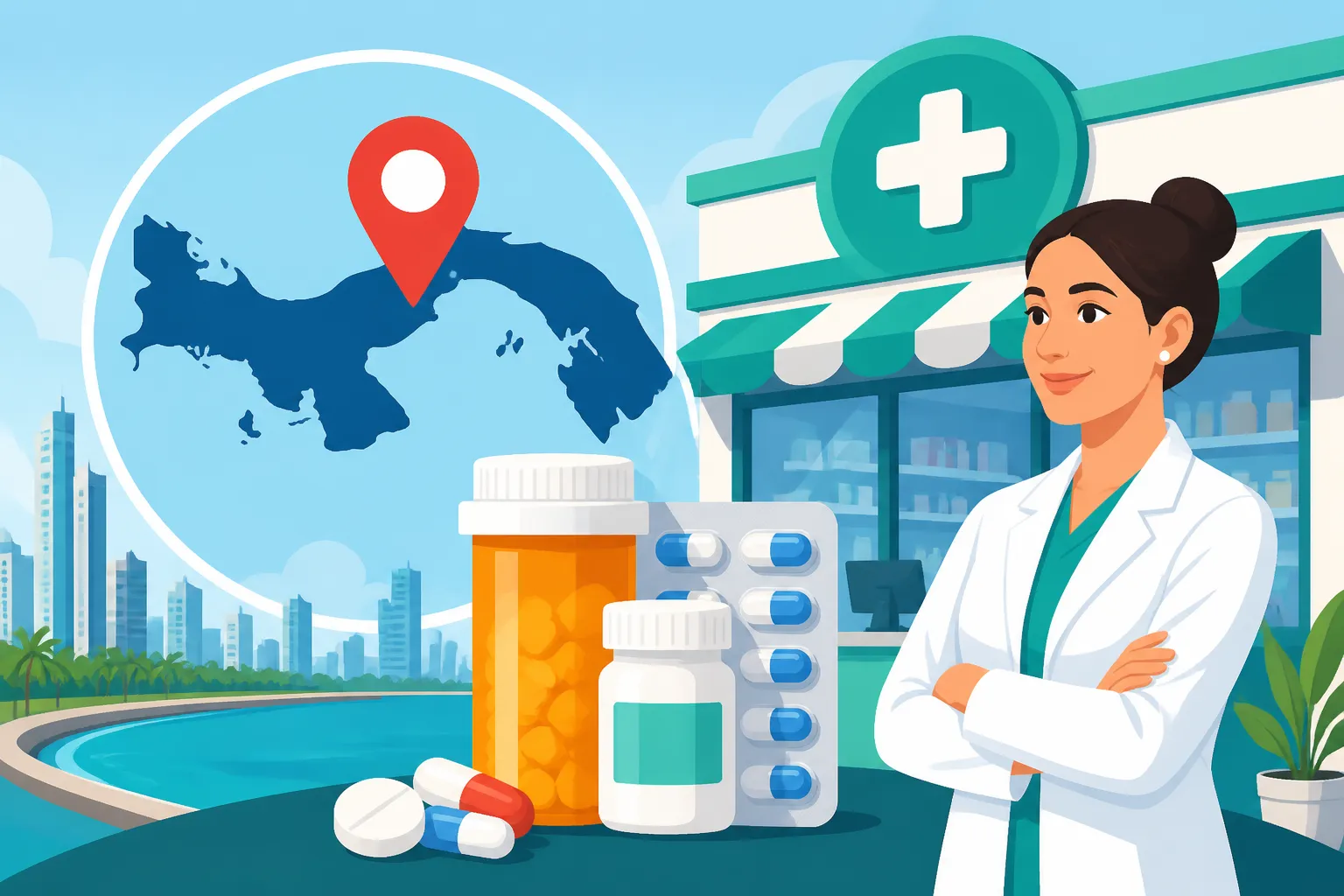
You'll quickly notice that many pharmacies are part of larger retail chains, often integrated into supermarkets or shopping centers, making them incredibly accessible. They are usually well-stocked and staffed with pharmacists who are generally very helpful, even if English isn't always their first language. Don't be shy about using a translation app or bringing a local friend if you're unsure – it's better to be safe than sorry when it comes to your health. These establishments are crucial to the daily health of Panamanians and expats alike, bridging gaps where immediate doctor access might be limited.
General Availability and Regulations
The good news is that most common medications, both prescription and over-the-counter, are widely available throughout Panama. Major cities like Panama City, David, and Santiago boast a plethora of well-stocked pharmacies. However, if you rely on a very specific or rare medication, especially one for a niche condition, it’s always a good idea to check its availability before you make the big move or travel extensively.
Panama's regulatory body for medicines, the Dirección Nacional de Farmacia y Drogas, oversees the licensing and distribution of pharmaceuticals. While their standards are generally high, the system for dispensing certain medications can differ significantly from what you might be accustomed to. For instance, some medications that require a doctor's prescription in many Western countries are available "behind the counter" without one in Panama. Conversely, some seemingly innocuous items might be harder to find. It's a bit of a learning curve, but generally, essential and common medications are readily accessible. You might be surprised at what you can purchase without a doctor's note compared to your home country, which can be a double-edged sword: convenient but also potentially risky if you self-diagnose.
Types of Pharmacies and Where to Find Them
Just like back home, not all pharmacies are created equal. Panama offers a variety of pharmacy types, each with its own advantages, operating hours, and locations. Knowing where to go for what can save you a lot of time and hassle when you need medication.
Major Pharmacy Chains
Panama's major pharmacy chains are usually your best bet for reliability, broad selection, and often, competitive pricing. These are the equivalent of your Boots, CVS, or Walgreens back home, and they are ubiquitous in urban centers and even many larger towns.
- Farmacias Arrocha: This is arguably the most prominent and popular pharmacy chain in Panama. You'll find Farmacias Arrocha stores everywhere, from bustling city corners in El Cangrejo and Obarrio to large shopping malls. They are known for their extensive range of not just medications but also beauty products, personal care items, and even some household goods. Many Arrocha locations are open 24 hours, which is an absolute godsend for late-night emergencies. Their staff is generally well-trained, and in more expat-dense areas, you might even find English-speaking pharmacists or at least those willing to help with a translation app. Their size and reach mean they usually have the best stock levels.
- Farmacias Metro: Another major player, Farmacias Metro, also offers a wide selection of medications and health products. They are often found in strategic locations, including commercial areas and near hospitals. While perhaps not as omnipresent as Arrocha, they are still a reliable choice with good service.
- Farmacias Revilla: Slightly smaller in scale than Arrocha or Metro, Farmacias Revilla still provides a solid range of pharmaceuticals and is a trusted name, particularly in certain neighborhoods and smaller cities outside of the capital.
These chains often have loyalty programs and frequently run promotions, so it's worth checking them out. When you're looking for a specific item, starting with one of these major chains is usually your most efficient approach.
Independent and Hospital Pharmacies
Beyond the big chains, you'll also encounter independent pharmacies and those specifically located within hospitals. These often serve particular needs or provide specialized services.
- Independent Pharmacies: In smaller towns like Boquete, or even tucked away in neighborhoods in Panama City, you'll find independent pharmacies. These smaller operations often offer a more personalized touch, and the pharmacists might know the local doctors well. While their stock might not be as extensive as the large chains, they can often order specific medications for you if given a day or two. They are an integral part of community healthcare, sometimes the only option in very rural areas, and are especially useful for getting a feel for the local health landscape.
- Hospital Pharmacies: Pharmacies located within or directly adjacent to major hospitals, such as Hospital Punta Pacifica or Hospital Nacional, are invaluable, especially during medical emergencies or after a consultation with a specialist. These pharmacies are typically very well-stocked with a wide array of medications, including more specialized drugs that might not be found in smaller community pharmacies. They are designed for immediate dispensing following a doctor’s visit or discharge from the hospital. The convenience of getting your prescription filled right after seeing the doctor, especially in an urgent situation, cannot be overstated. They also tend to be open for extended hours, aligning with hospital operations. For anyone needing urgent care, understanding How to Use Major Hospitals Like Punta Pacifica and Hospital Nacional can be incredibly reassuring.
Getting Prescriptions Filled: The Nitty-Gritty
Okay, so you’ve found a pharmacy. Now, how do you actually get your medication? This is where the process can sometimes differ significantly from your home country, and knowing the specifics can prevent a lot of frustration.
Doctor's Prescriptions from Panama
If you've seen a doctor in Panama, getting your prescription filled is usually a straightforward process. Panamanian doctors will typically write prescriptions on a standard prescription pad, often with the medication name, dosage, and instructions in Spanish.
When you take this prescription to a pharmacy, the pharmacist will review it, retrieve the medication, and often confirm the dosage and instructions with you. Don't be afraid to ask questions if anything is unclear, especially regarding how and when to take the medication. Some medications, particularly antibiotics and stronger painkillers, will absolutely require a local Panamanian prescription. The good news is that seeing a doctor in Panama is generally quite affordable, even without insurance. How Much Does a Doctor Visit Cost in Panama? is a common question, and the answer is usually less than you'd expect. For specialist prescriptions, the process is largely the same, but it's always wise to ensure the pharmacy has that particular medication in stock, especially for less common ailments. Remember, Panama's medical professionals are accustomed to dealing with foreigners, so most will make an effort to communicate effectively.
Using Foreign Prescriptions
This is where things can get a little tricky, and it’s a point of anxiety for many new arrivals. While some pharmacies might accept a foreign prescription, especially for non-controlled substances, it's not guaranteed, and it's certainly not the official policy. Technically, you are required to have a prescription from a licensed Panamanian doctor.
- Best Practice: The safest and most reliable approach is to schedule a visit with a local Panamanian doctor to get a new prescription. Bring your foreign prescription or a detailed note from your doctor back home, translated into Spanish if possible, outlining your diagnosis, medication, and dosage. This makes the local doctor's job much easier, and they can then issue a valid Panamanian prescription.
- Controlled Substances: For controlled substances (like strong painkillers, certain anxiety medications, ADHD medications), a foreign prescription will almost certainly not be accepted. You will need to see a local doctor, and even then, they might be hesitant to prescribe certain medications without establishing a patient relationship over time. It's a legal and ethical requirement for them.
- Initial Transition: For your initial arrival, it's highly advisable to bring a supply of your essential medications to last you at least a month, ideally more. This gives you ample time to settle in, find a local doctor, and get new Panamanian prescriptions without feeling rushed or stressed. Having robust international health insurance can also ease the burden of initial doctor visits if you're not yet plugged into the local system. If you're wondering, Can I Use International Health Insurance at Panamanian Hospitals?, the answer is often yes, which can help cover those first crucial appointments.
Understanding Medication Availability and Equivalents
One of the biggest hurdles expats face is finding the exact brand or formulation of medication they are used to. While the active ingredients are often the same, the brand names and even the available dosages can vary.
Generic vs. Brand Name Medications
Panama's pharmacies generally carry both brand-name and generic versions of medications. Often, the generic equivalent will be significantly cheaper, just like in many other countries. Don't let the unfamiliar brand names deter you; pharmacists are usually excellent resources for identifying the generic equivalent of a medication you know from home.
For example, if you're used to a specific brand of ibuprofen, the pharmacist can point you to the local generic equivalent, often labeled by its active ingredient. They will also be able to tell you if the dosage available is comparable. It's always worth asking for the genérico (generic) version to save some money, especially if you're on a budget. This is particularly relevant when considering The Cost of Healthcare in Panama: A Complete Breakdown for Foreigners (2026), as medication costs can add up. Many expats find that even if a generic isn't an exact match in terms of inactive ingredients or coating, the active ingredient is identical, and it works just as effectively.
Finding Equivalents for Foreign Medications
Sometimes, the exact medication you're accustomed to might not be available in Panama at all. This doesn't mean you're out of luck, but it does mean you'll need to work with a local doctor and pharmacist.
- Active Ingredient Focus: The key here is to know the active ingredient of your medication, not just the brand name. Share this information with your Panamanian doctor. They can then check their formularies for a locally available drug with the same active ingredient and similar dosage.
- Pharmacist's Expertise: Pharmacists are incredibly knowledgeable about drug equivalents. If a doctor prescribes something new, or if you're trying to find an OTC equivalent, discuss it with the pharmacist. They can often suggest a Panamanian alternative that will serve the same purpose.
- Example Scenario: Let's say you're accustomed to taking "Brand X" for heartburn. You bring your foreign prescription to a Panamanian doctor. You tell them the active ingredient is omeprazole. The doctor will likely then prescribe "Omeprazol – Marca Y" (Brand Y) or simply "Omeprazol" from a local manufacturer. You might also find a different strength or formulation available, so pay close attention to the doctor's instructions.
- Compounding Pharmacies: While less common than in larger developed nations, Panama does have a few compounding pharmacies, particularly in Panama City. If you need a very specific formulation or dosage that isn't commercially available, a compounding pharmacy might be able to custom-prepare it for you, although this would likely come at a higher cost.
Costs of Prescription Medications and Insurance Coverage
Understanding the financial side of medication is crucial for anyone living in or visiting Panama. The costs can vary significantly, and knowing how insurance plays a role will help you budget and manage your healthcare expenses.
Average Costs Without Insurance
Generally speaking, the cost of prescription medications in Panama can be quite reasonable, often lower than in the United States, but comparable to or slightly higher than some parts of Europe or Latin America. This, of course, depends on the specific drug, whether it's a generic or brand name, and where you purchase it.
For common medications, a doctor's visit and a week's supply of antibiotics might set you back $30-$50 in total. A month's supply of a generic blood pressure medication could be as little as $10-$20. However, specialized medications, particularly for chronic or rare conditions, can still be expensive. Always ask for the generic option first if available.
Here's a simplified table illustrating general price ranges for common medication types:
| Medication Type | Examples (Active Ingredient) | Typical Cost (Generic, USD) | Notes |
|---|---|---|---|
| Antibiotics (oral, 7-10 days) | Amoxicillin, Azithromycin | $10 – $30 | Requires prescription |
| Painkillers (OTC) | Ibuprofen, Acetaminophen | $3 – $10 | Widely available, various brands |
| Antihistamines (OTC) | Loratadine, Cetirizine | $5 – $15 | Readily available for allergies |
| Blood Pressure (monthly) | Losartan, Amlodipine | $10 – $25 | Requires prescription, often affordable generic |
| Stomach Meds (monthly) | Omeprazole, Ranitidine | $8 – $20 | Many available OTC or behind-the-counter |
| Eye Drops (antibiotic) | Tobramycin | $15 – $30 | Often requires prescription |
Please note: These are approximate costs and can vary based on brand, pharmacy, and current market prices.
For expats in Panama, having a clear understanding of your finances, including healthcare costs, is paramount. You can dive deeper into topics like How Much Does It Cost to Live in Panama for Expats? to get a full financial picture.
Public and Private Insurance Coverage
How your medications are covered largely depends on whether you're enrolled in Panama's public social security system (Caja de Seguro Social, or CSS) or rely on private health insurance.
- CSS Coverage: If you are formally employed in Panama and contribute to the CSS, your prescription medications will generally be covered, or heavily subsidized, when prescribed by a CSS doctor and filled at a CSS pharmacy. The CSS operates its own network of clinics and hospitals with their own pharmacies. The catch? Sometimes these pharmacies might have limited stock or longer wait times, and the range of available medications might be narrower than in private pharmacies. However, for those covered, it's a significant cost-saving benefit. To truly understand your entitlements, you might want to look into How Does CSS Health Coverage Work in Panama?.
- Private Health Insurance: Most expats opt for private health insurance in Panama, either local or international. These plans typically offer better access to private clinics and hospitals, and the associated pharmacies. Coverage for prescription medications varies widely by policy.
- Local Private Plans: Many local plans, offered by companies like Assa or Mapfre, will cover a percentage of prescription drug costs, sometimes after a deductible or with co-pays. You might pay upfront and then submit a claim for reimbursement, or the pharmacy might direct-bill the insurer.
- International Health Insurance: For international plans, like those offered by Bupa or Cigna Global, medication coverage is usually comprehensive, but again, check your specific policy details for deductibles, co-pays, and whether they require you to pay upfront and claim reimbursement. For tourists or new arrivals still sorting out their long-term residency, a travel medical insurance provider like SafetyWing can be an excellent stop-gap. It covers unexpected medical emergencies, including urgent prescriptions, ensuring you’re not caught off guard if you suddenly fall ill. This is especially important if you find yourself needing to understand What Happens If I Get Sick Without Insurance in Panama?.
It's vital to choose a plan that aligns with your health needs and budget. How to Choose Private Health Insurance in Panama (2026) offers a deep dive into this important decision. Always keep receipts for all medication purchases, regardless of your insurance, as you'll need them for claims or tax purposes.
Navigating Over-the-Counter and "Behind the Counter" Medications
The line between what's available over-the-counter (OTC) and what requires a prescription can be a bit blurry in Panama compared to some other countries. This distinction is important for expats to understand for quick, hassle-free access to remedies.
OTC Medications Readily Available
Many common remedies are readily available on pharmacy shelves, just like in your home country. These include:
- Pain Relievers: Ibuprofen, acetaminophen (Tylenol), naproxen, and aspirin are found in various strengths and brands.
- Cold and Flu Medicines: Decongestants, cough syrups, lozenges, and multi-symptom cold remedies are all easily accessible.
- Antacids: For heartburn and indigestion, you'll find a range of antacids and acid reducers.
- Basic First Aid: Bandages, antiseptic wipes, antibiotic creams, and topical pain relievers are standard stock.
- Vitamins and Supplements: A vast array of vitamins, minerals, and dietary supplements are available without a prescription.
You can simply pick these up from the shelves and pay at the counter. The pricing is usually clearly marked, and promotions are common. This accessibility means you can quickly address minor health issues without needing a doctor's visit, which is a big convenience for expats. For minor scrapes and ailments, it's good to keep your home medicine cabinet stocked, and knowing What Should I Pack in a Home Medical Kit for Panama? can be very helpful.
"Behind the Counter" Medications
This category is where Panama's system often differs most significantly from, say, the US or Canada. In Panama, some medications that would require a prescription in other countries can be purchased "behind the counter" without a doctor's note. This means you need to ask the pharmacist for them, and they might ask a few questions about your symptoms, but they won't necessarily demand a formal prescription.
Common examples of medications often available "behind the counter" include:
- Antibiotics: Yes, you read that right. Many common antibiotics can often be purchased without a prescription. While convenient, this practice contributes to antibiotic resistance, so it's strongly advised to use them responsibly and ideally under medical guidance. A pharmacist might sell you a standard course if you explain your symptoms.
- Birth Control Pills: Most brands of oral contraceptives are available behind the counter without a prescription.
- Some Stronger Painkillers: While controlled substances always require a prescription, some mid-range painkillers that might be prescription-only elsewhere could be available with just a conversation with the pharmacist.
- Corticosteroid Creams: Topical steroid creams for skin conditions are often available without a doctor's note.
While this offers incredible convenience, especially if you're battling a minor infection or need a quick refill of a common medication, it also puts the onus on you to be responsible. Pharmacists are generally well-trained and will offer advice, but it's not a substitute for a doctor's diagnosis, especially for serious or recurring conditions. If you're unsure, or if your symptoms persist, always seek professional medical advice. For tourists and digital nomads, a travel health insurance policy like SafetyWing can provide crucial support if you choose to consult a doctor, even for what seems like a minor ailment that might escalate.
Importing Medications for Personal Use
One of the questions that often arises for those planning a big move is about bringing their existing medications into Panama. The short answer is yes, you generally can, but there are important rules and best practices to follow to avoid issues at customs.
Rules and Restrictions
Panamanian customs regulations allow individuals to import medications for their personal use, but within certain limits. The general rule of thumb is that you should only bring enough medication for the duration of your stay, usually up to three months' supply. Anything more might raise red flags and require special documentation.
- Original Packaging: Always keep your medications in their original, clearly labeled packaging. This includes the pharmacy label with your name, the drug name, and the dosage instructions. This helps customs officials identify the medication and confirm it belongs to you.
- Doctor's Note: This is crucial, especially for prescription medications. Get a letter from your prescribing doctor explaining your medical condition, the names of your medications (both brand and generic), the dosage, and why you need them. It's a good idea to have this letter translated into Spanish if possible, although English is often accepted for personal quantities.
- Controlled Substances: If you are bringing controlled substances (e.g., strong opioids, certain ADHD medications, some anti-anxiety drugs), the doctor's note is absolutely essential. It should clearly state the medical necessity for these drugs. Even with a note, bringing a large quantity of controlled substances could lead to complications. It's advisable to declare these at customs.
- Quantities: Stick to a reasonable amount. A few bottles for three months of use is generally fine. Boxes and boxes of various drugs will likely lead to questioning. If you require more than a three-month supply for a specific reason, consult with the Panamanian Embassy or Consulate in your home country beforehand to understand the specific requirements for extended importation.
Best Practices for Traveling with Medications
To ensure a smooth journey through customs and peace of mind during your travels, follow these best practices:
- Carry-On Luggage: Always pack essential and prescription medications in your carry-on bag. This prevents them from getting lost with checked luggage and keeps them accessible in case of delays or emergencies. The last thing you want is to arrive in Panama only to find your crucial medications are stuck somewhere else.
- Temperature Sensitivity: If your medication requires refrigeration, ensure you have a suitable cooler bag or travel fridge and understand how long it can safely remain unrefrigerated.
- Copies of Prescriptions: Beyond the doctor's letter, it's wise to carry copies of the actual prescriptions themselves.
- Be Prepared to Explain: Be ready to calmly and clearly explain to customs officials why you have these medications. Having all your documentation in order will make this a non-issue in most cases.
- Check Panama's Specific Drug Import List: While general guidelines apply, it's a good habit to do a quick search or contact the Panamanian authorities (e.g., the National Directorate of Pharmacy and Drugs) for any specific restrictions on your particular medications, especially if they are uncommon. This is rare, but certain drugs might be completely prohibited or require specific permits.
By being prepared and organized, you can easily bring your necessary medications to Panama without any undue stress or border issues.
Dealing with Emergencies and Specialized Needs
When living or traveling abroad, knowing how to handle medical emergencies and specialized medication needs is vital. Panama's system is generally robust in urban areas, but being informed is your best defense.
Emergency Medication Access
In a medical emergency, rapid access to medication can be life-saving. Panama's major cities are well-equipped to handle this.
- Hospital Emergency Rooms: If you end up in a hospital emergency room (like Hospital Punta Pacifica, Hospital Nacional, or Centro Médico Paitilla), any necessary medications will be administered or prescribed directly by the attending doctors. These hospitals have their own pharmacies, ensuring immediate availability. They understand the urgency of the situation and will prioritize your care. You can learn more about how to navigate urgent situations by reading Emergency Medical Care in Panama: What Every Expat Needs to Know.
- 24-Hour Pharmacies: As mentioned earlier, many Farmacias Arrocha locations, especially in Panama City, are open 24 hours a day. These are your go-to for urgent, non-hospital-level medication needs outside of regular business hours. For instance, if you develop a sudden, severe allergic reaction and need an antihistamine or an EpiPen (if prescribed by a local doctor), a 24-hour pharmacy can be a lifesaver.
- Calling for Help: In extreme emergencies, always call 911 (Panama's emergency number). Paramedics will assess the situation and transport you to the nearest appropriate medical facility, where medication access will be managed.
Specialty Medications and Chronic Conditions
Living with a chronic condition or requiring specialty medications demands careful planning when moving to a new country. Panama has a growing medical infrastructure that can support many of these needs.
- Finding Specialists: Panama City boasts a wide array of medical specialists, from cardiologists to endocrinologists. The key is to find an English-speaking doctor in Panama who understands your condition and can manage your prescriptions. Your home country doctor can provide a detailed medical history, which will be invaluable. Remember to bring comprehensive medical records, translated if possible, to your first appointment.
- Availability of Specialty Drugs: Most common specialty drugs for conditions like diabetes, asthma, hypertension, and even some autoimmune diseases are available in Panama. However, extremely rare or very new medications might take time to procure or may not be available at all. Always confirm availability with a local specialist or pharmacy before making a permanent move. For those needing ongoing care, knowing How to Access Specialist Care in Panama is essential.
- Logistics of Refills: Once you've established care with a local specialist, managing refills for chronic conditions usually becomes routine. They will issue regular prescriptions, and you can fill them at your preferred pharmacy. Building a relationship with a specific pharmacy and pharmacist can also be beneficial, as they might be able to anticipate your needs or inform you of stock issues in advance.
- Backup Plans: Always have a contingency plan. Keep a small emergency supply of your most critical medications. For digital nomads or those in transit, having international medical coverage from providers like SafetyWing can offer an added layer of security, knowing that unforeseen medical situations, including needing a specialized prescription in an unfamiliar location, are accounted for.
Final Tips and Considerations for Expats
Navigating the Panamanian pharmacy landscape becomes second nature after a while, but a few additional tips can smooth your transition and ensure you're always prepared.
Communication and Language Barriers
The official language of Panama is Spanish. While many medical professionals, especially in private clinics and hospitals in Panama City, speak English, this isn't always the case with every pharmacist, especially outside the capital.
- Learn Basic Spanish Medical Terms: Knowing simple phrases like "Necesito una receta" (I need a prescription), "para el dolor" (for pain), "dos veces al día" (twice a day), or "el nombre genérico" (the generic name) can go a long way.
- Use Translation Apps: Google Translate or similar apps are your best friends. Don't hesitate to use them to show your symptoms, medication names, or dosage instructions to a pharmacist. Many pharmacists are accustomed to expats using these tools and are happy to help.
- Write It Down: If you have a specific medication name or question, write it down clearly on a piece of paper. This avoids miscommunication over the phone or if there's an accent barrier.
- Bring a Local Friend: For your first few visits, or when dealing with a complex issue, bringing a Panamanian friend or a Spanish-speaking acquaintance can be incredibly helpful for interpreting and ensuring you get exactly what you need.
Record Keeping and Organization
Being organized with your health information is always a good idea, and it's even more critical when living in another country.
- Keep All Receipts: Save all pharmacy receipts, especially if you have private insurance and need to claim reimbursement. Also, keep them for tax purposes if your medical expenses are deductible.
- Maintain a Medication List: Keep an updated list of all your medications, including the active ingredient, dosage, and why you take them. Carry a copy with you, both physically and digitally. This is invaluable in an emergency situation or when seeing a new doctor or pharmacist.
- Medical Records: Keep copies of your key medical records, diagnoses, and any significant test results. If possible, have a digital copy stored securely that you can access from anywhere. Transferring your medical records to a new clinic in Panama can simplify ongoing care.
- Pharmacy Loyalty Programs: Enroll in loyalty programs offered by major pharmacy chains like Farmacias Arrocha. These can offer discounts or points that translate into savings over time.
Staying Updated and Proactive
Panama's healthcare system, like any other, can evolve. Staying proactive and informed is key to managing your health effectively.
- Local Expat Forums: Join local expat groups online or in person. These communities are a wealth of information regarding doctor recommendations, pharmacy experiences, and tips on finding specific medications.
- Consult Reputable Sources: For official information on drug regulations, consult the Panamanian Ministry of Health or the Dirección Nacional de Farmacia y Drogas websites, although these may only be in Spanish.
- Annual Health Checks: Regular health check-ups with a local doctor can help prevent issues and ensure your ongoing medication needs are met within the Panamanian system. For newcomers, you might be wondering, Can I Get a Health Check as a Newcomer in Panama?, and the answer is absolutely yes and recommended.
By taking these steps, you'll be well-prepared to navigate the ins and outs of prescription medications and pharmacies in Panama, ensuring your health and well-being are always a top priority.
Disclaimer
The information provided in this guide is intended for general informational purposes only and does not constitute medical or legal advice. While we strive to provide accurate and up-to-date information, healthcare regulations, medication availability, and costs in Panama can change. Always consult with a qualified Panamanian medical professional or legal expert for advice tailored to your specific situation. Reliance on any information in this guide is solely at your own risk.