Can I Change Employers on a Work Permit in Panama?
Alright, my fellow expat, let’s talk about a situation many of us face, or at least dread: changing jobs when your entire legal stay in Panama feels inextricably linked to your current employer. It's a common worry, and frankly, the system here doesn't always make it feel straightforward. This guide is going to walk you through the realities, the steps, and the critical considerations if you’re looking to switch employers while holding a work permit in Panama.
The Basics of Your Panamanian Work Permit and Employment Linkage
When you first arrived and secured that golden work permit, you likely learned that it wasn't just a generic "permission to work" card. It's often highly specific, and that's where the complications begin when you eye a new opportunity. It's not as simple as handing in your notice and skipping to a new office, believe me!
Understanding the Employer-Specific Nature of Work Permits
Most work permits issued to foreigners in Panama are explicitly tied to a specific employer, a specific position, and sometimes even a specific location. Think of it like this: when your original work permit application was approved by the Ministry of Labor (MITRADEL), it was based on your current employer demonstrating a need for your particular skills and that they couldn't find a Panamanian national to fill that role. This isn't just a formality; it's fundamental to Panamanian labor law, which prioritizes employment for citizens.
This means that your work permit, whether issued under the Friendly Nations Visa or another specific category for professionals, is often considered valid only for the company that sponsored you. It’s a bit of a golden handcuff situation, isn't it? The government approved you to work for that company. Any change in employer, even if it's within the same industry or a similar role, technically means you're changing the conditions under which your work permit was granted. This employer-specific linkage is a significant reason why simply resigning and starting a new job without proper immigration procedures can land you in hot water.
Why This Can Be a Headache for Expats
For us expats, this employer-specific rule can feel incredibly restrictive and, at times, downright terrifying. The fear of losing your legal status, your income, and potentially your entire life built here, just because you want to advance your career or found a better fit, is a very real source of stress. You might feel trapped in a less-than-ideal job because the thought of navigating the immigration process again is daunting.
Imagine you've been in your current role for a few years. You’ve settled into life in Panama, perhaps even bought a car or found your favorite local haunts. Then, a fantastic opportunity comes along, a role that aligns perfectly with your goals and offers better compensation. Your natural instinct might be to just accept it and move on. However, without understanding the nuances, you could unintentionally put your residency and work authorization at risk. The administrative burden and the potential for a lapse in legal status are significant headaches, and it's a frustration shared by many in the expat community.
The Process of Changing Employers: It's More Than Just a New Job
So, you’ve found that dream job. Congratulations! Now, let’s talk about the practical steps to make this transition legally and smoothly. It’s not just about signing a new contract; it's about navigating the National Immigration Service (SNM) and MITRADEL all over again.
Terminating Your Current Work Permit
The first, and often overlooked, step is the formal termination of your existing work permit. This isn't just about your employer letting you go or you resigning; it's a government-regulated process. When you leave your current job, your employer is legally obligated to notify MITRADEL that your employment has ceased. This triggers the cancellation of the work permit that was tied to their company.
It's crucial that this process is handled correctly and officially. You'll want to ensure you receive a "paz y salvo" (clearance) from your former employer, confirming that all your labor obligations have been met, including any outstanding wages, benefits, or severance pay. This document isn't always explicitly required for your new work permit application, but it’s vital for your overall labor history and can be requested by authorities if any questions arise about your previous employment. Remember, understanding Panamanian Labour Law and Worker Rights is key here, as your employer also has obligations during your departure.
Applying for a New Work Permit with Your New Employer
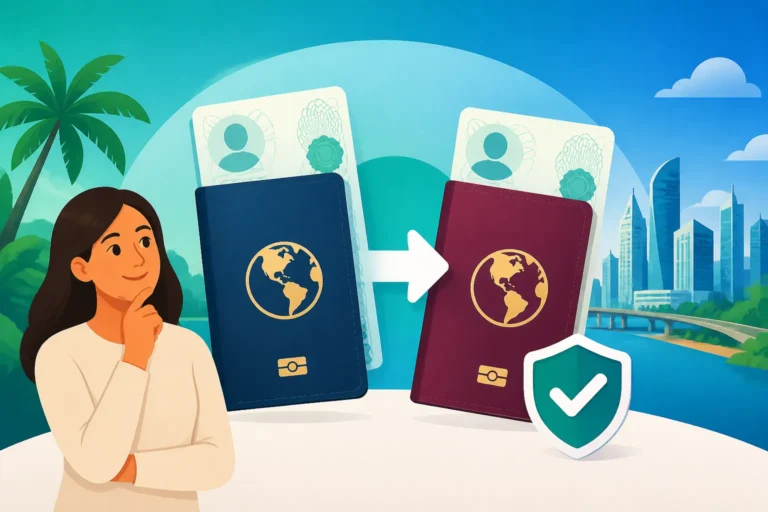
Once the old permit is on its way out (or even while the cancellation is pending, in some cases, with good legal counsel), your new employer needs to step up and apply for a new work permit for you. This is essentially starting the process from scratch, as if you were applying for the first time with a new company. Your new employer will need to provide documentation to MITRADEL proving:
- Their company's legal standing: This includes their commercial license, company registration, and a good standing certificate (Paz y Salvo) from the DGI (tax authority) and the CSS (social security fund).
- The specific job offer: A detailed job description, salary, and the contract itself.
- The justification for hiring a foreigner: They'll need to demonstrate that a Panamanian national could not be found for the position, which often involves advertising the role locally first.
- Your qualifications: Your new employer will submit your educational degrees, professional certificates, and a resume, often needing to be apostilled and officially translated into Spanish, just like when you first moved here.
You, as the employee, will also need to submit updated personal documents, such as a recent police record from Panama (and possibly your home country), a copy of your current residency card, and sometimes bank statements to prove economic solvency. This new application effectively replaces the old one, tying you to the new company. The entire process of how a work permit and employer sponsorship work in Panama can be complex, so having a good lawyer is indispensable.
Different Visa Types and Their Impact on Employer Changes
The ease, or rather, the specific process, of changing employers can vary slightly depending on the type of residency you hold in Panama.
- Friendly Nations Visa Holders: If your work permit was obtained under the Friendly Nations Visa, you’ll typically need to go through the process of canceling the old permit and applying for a new one. The core principle remains: your work permit is generally linked to the employer. However, the Friendly Nations Visa itself (your residency) is not tied to a specific employer, only your work permit is. This means your residency status as a Friendly Nations resident remains, but your permission to work needs updating.
- Professional Visa Holders: For those who qualified for a professional visa due to a specific profession being in high demand, the process is similar. Your ability to work is still tied to the employer that hired you for that professional role. The new employer must justify why they need your professional skills.
- Pensionado (Retiree) Visa Holders: This is a bit different. The Pensionado Visa is specifically for retirees and generally does not permit you to work in Panama. If you hold this visa, seeking employment would involve a complete change in your immigration strategy, likely requiring you to apply for a different residency category that allows work.
Regardless of your initial visa, the general rule of thumb is: if you have a work permit, it's for a specific employer. Changing that employer means applying for a new work permit. This is why it’s so important to consult with an immigration lawyer who specializes in these transitions.
Navigating the Administrative Labyrinth and Potential Pitfalls
Panama’s bureaucracy can be, let’s be honest, a real test of patience. When changing employers, the stakes are high, and getting caught in administrative limbo can lead to significant problems.
The "No Gap" Challenge and Maintaining Legal Status
One of the biggest anxieties for expats during this transition is the potential for a gap between work permits. If your old permit is cancelled and your new one isn't yet approved, you could find yourself in a tricky situation: you are legally resident but not legally authorized to work, and potentially, not even permitted to remain in the country if your residency was solely tied to that employment. The key here is proactive planning and, again, good legal advice.
Ideally, your new work permit application should be submitted promptly after your current employment ceases, if not concurrently (which is often preferred by lawyers if feasible). Some lawyers may advise submitting the new application before the old one is officially cancelled, allowing for a smoother transition, but this depends on specific circumstances and current immigration policies. The critical thing is to avoid working illegally, even for a day. This could jeopardize not only your new permit but also your long-term residency prospects. You'll need to understand how to get residency in Panama and what the implications are for any new application.
Essential Documents and Legal Assistance
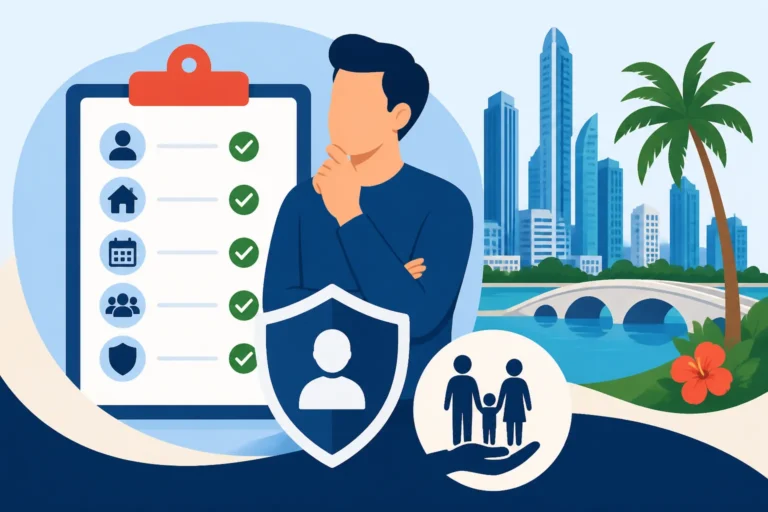
Gathering the correct documents is half the battle, and it's where many expats stumble. You'll need more than just your passport and a new job offer. Expect to provide:
- New Employment Contract: Stamped by MITRADEL.
- New Employer's Company Documents: Including their commercial license and social security records.
- Your Personal Documents: Passport, visa, current residency card, Cedula (if you have one), criminal record checks from Panama, and potentially from your home country (apostilled and translated).
- Professional Diplomas/Certificates: Again, apostilled and translated.
- Economic Solvency Proof: Bank statements or a letter from the new employer confirming your salary.
This is where a reputable Panamanian immigration lawyer becomes your absolute lifeline. Trying to navigate the MITRADEL and SNM requirements on your own is like trying to find your way through the Darién Gap without a compass – you'll get lost. A lawyer can advise on the exact documents needed, ensure they are correctly prepared and translated, submit them to the right departments, and follow up relentlessly. They know the unwritten rules and the specific expectations of the officials. They can also advise on the best way to handle the transition period to maintain your legal status. The importance of a knowledgeable professional cannot be overstated when it comes to Understanding How to Move to Panama Legally from Abroad.
Financial Considerations and Timelines
Be prepared for this process to incur costs and take time. It's not a cheap or quick affair.
- Legal Fees: Immigration lawyers will charge for their services, which can range from a few hundred to several thousand dollars, depending on the complexity of your case and the lawyer's experience.
- Government Fees: There are government application fees for the work permit, the residency card itself, and any special permits or stamps required.
- Document Fees: Costs for apostilles, translations, and new police records will also add up.
Regarding timelines, Panamanian immigration processes are rarely swift. While a straightforward work permit change might be processed in a few months, it's not uncommon for it to take significantly longer, especially with current backlogs or if there are any discrepancies in your application. Setting realistic expectations is crucial. You might be looking at a minimum of 3-6 months, and potentially more, for the entire new work permit to be issued and your new physical card in hand. During this time, you might receive provisional approvals, but the final documentation takes time.
| Aspect | Old Work Permit Cancellation (Employee) | New Work Permit Application (New Employer) |
|---|---|---|
| Primary Responsibility | Employer (notify MITRADEL), Employee (ensure proper departure) | New Employer (submit application to MITRADEL) & Employee (documents) |
| Key Documents (Employee) | Clearances, receipt of final pay, 'paz y salvo' from old employer | Passport, visa, residency card, Cedula, police records, diplomas |
| Key Documents (Employer) | Notice of cessation of employment | Company registration, commercial license, DGI & CSS 'paz y salvo', job offer |
| Government Body | MITRADEL (Ministry of Labor) | MITRADEL (Ministry of Labor) & SNM (National Immigration Service) |
| Typical Timeline | Relatively quick notification, but official cancellation can be linked to new permit approval | 3-6+ months for full processing and card issuance |
| Associated Costs | Minimal direct costs, mainly ensuring former employer compliance | Legal fees, government application fees, document apostille/translation fees |
Planning Your Career Transition in Panama
Given the complexities, a successful employer change in Panama hinges on meticulous planning and proactive steps. Don’t just wing it; strategize.
Due Diligence Before Accepting a New Offer
Before you even think about accepting a new job offer, you need to engage in serious due diligence. This isn't just about vetting the company for cultural fit or career growth; it's about their willingness and capability to sponsor your new work permit. Ask potential new employers these crucial questions:
- Have they sponsored foreign workers before? Companies with experience in this process will be much smoother to work with.
- Do they have an immigration lawyer on retainer or can they recommend one? A company that already works with a legal professional understands the system.
- What is their expected timeline for processing the new work permit? This helps you manage your expectations and coordinate with your current employer.
- Are they willing to cover the associated legal and government fees? While not always a given, it's worth negotiating, as these costs can be substantial.
Make sure the new employer understands that your work permit needs to be tied to them. You don't want any surprises after you've already committed. This is also a good time to consider your overall career goals in Panama. Perhaps you're looking to gain broader experience, and it's worth thinking about the sectors that are hiring foreigners in Panama in 2026.
Preparing for the Unexpected
Life in Panama, like anywhere, can throw curveballs. What if your new work permit application hits a snag? What if your start date is delayed significantly? Having a contingency plan is crucial. This means:
- Financial Buffer: Have enough savings to cover several months of living expenses without income, just in case there’s a gap or unexpected delay. Your Cost of Living in Panama for Expats can vary greatly depending on where you live, so factor this into your buffer.
- Open Communication: Maintain open and honest communication with both your current and prospective employers, as well as your immigration lawyer. Transparency can help manage expectations and smooth out potential issues.
- Backup Options: While you hope for the best, it’s not a bad idea to be aware of other potential job opportunities or even to consider if a temporary return to your home country might be necessary if delays become unmanageable. If you need to plan a move, even a temporary one, companies like Sirelo can help compare international moving services.
Exploring Alternatives and Long-Term Residency Goals
For some expats, the constant cycle of employer-dependent work permits can become tiresome. If you plan to make Panama your long-term home, you might want to explore residency options that offer more flexibility.
- Permanent Residency: After a certain period (often several years, depending on your initial visa), you might qualify for Permanent Residency in Panama that is no longer tied to a specific employer. This offers far greater freedom in career choices.
- Entrepreneurial Visas: If you have an entrepreneurial spirit, opening your own business (and meeting the investment/job creation requirements) could lead to a residency that gives you complete control over your employment. How to Register a Company (SA or SRL) as a Foreigner in Panama is a related topic that might interest you.
Consider your long-term plans. While changing employers on a work permit is definitely doable, it's a process. Understanding The Complete Visa and Immigration Guide for Relocating to Panama comprehensively can help you make informed decisions for your future here. Also, don't forget to maintain your health coverage throughout any transition. A robust international plan, such as one from Cigna Global, can provide continuous peace of mind, independent of your employer's plan.
Disclaimer
The information provided in this guide is intended for general informational purposes only and does not constitute legal or immigration advice. Panamanian immigration laws and procedures are subject to change, and individual circumstances can vary greatly. It is imperative to consult with a qualified Panamanian immigration lawyer or the National Immigration Service (SNM) for personalized advice regarding your specific situation. Reliance on any information in this guide is solely at your own risk.