Can I Work in Panama on a Tourist Visa?
You’ve arrived in Panama, perhaps on a fantastic vacation, and you’ve been completely captivated by the vibrant culture, the stunning beaches, the lush rainforests, and that wonderful feeling of mañana. The thought inevitably crosses your mind: "Could I stay here? Can I just pick up some work to make ends meet while I figure things out?" It's a common dream, an alluring fantasy, but the harsh reality of Panamanian immigration law means working on a tourist visa is simply not a viable, or legal, option. This guide will walk you through why that is, the serious risks involved, and, most importantly, the legitimate pathways available if you truly want to live and work in this incredible country.
The Straight Truth: Working on a Tourist Visa is Strictly Prohibited
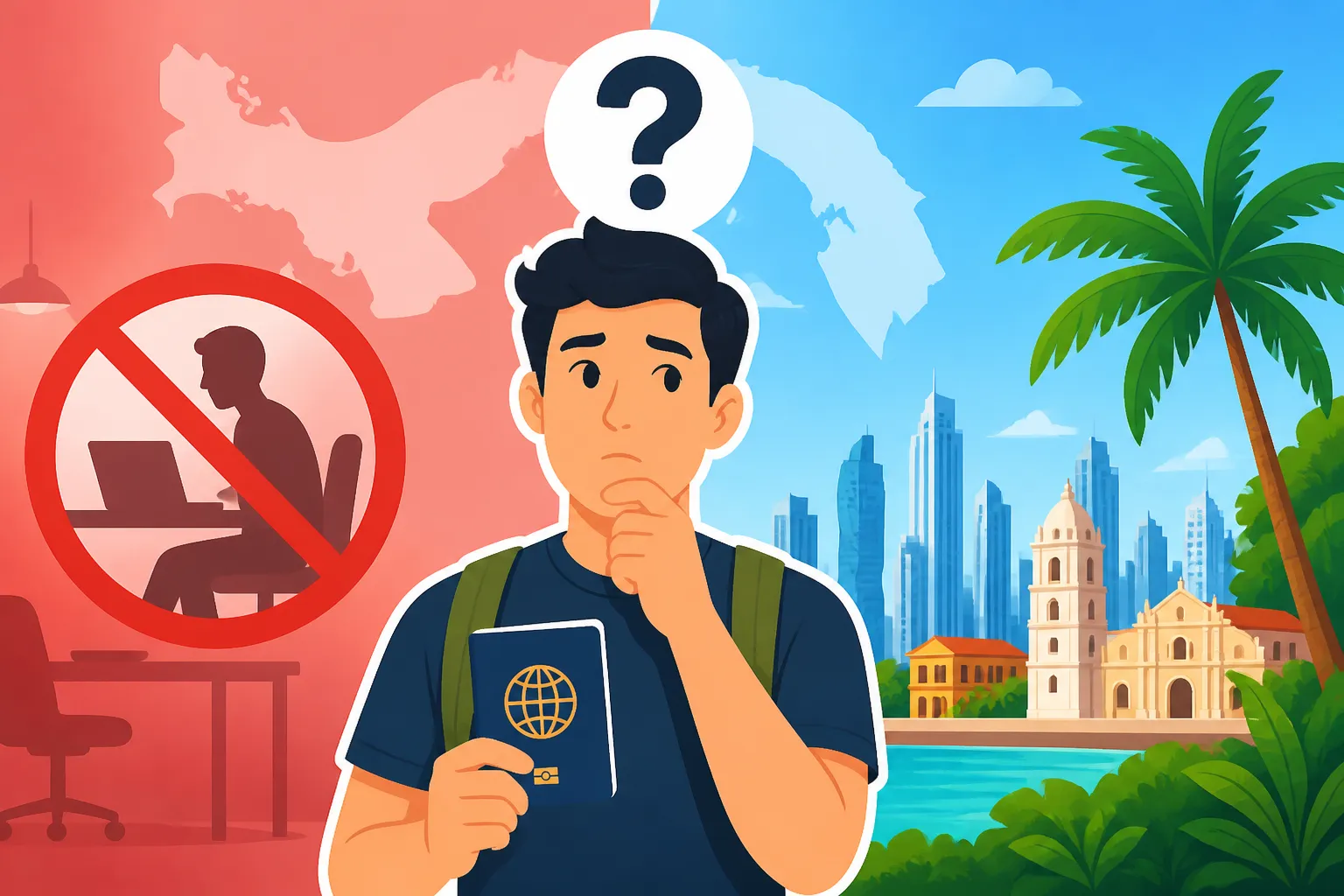
Let's be absolutely clear from the outset: working in Panama while on a tourist visa is illegal, full stop. I know, I know, it's tempting to think you can just fly under the radar, especially if you're only looking for informal work or planning to work remotely for a company back home. But the Panamanian authorities take their immigration laws very seriously, and attempting to circumvent them can lead to significant headaches and even jeopardize your ability to ever return to this beautiful country.
A tourist visa, or indeed, simply entering Panama as a tourist without needing a specific visa (as many nationalities can do for up to 180 days), is granted with the explicit understanding that your purpose is leisure, tourism, or visiting family – not employment. When you pass through immigration at Tocumen International Airport, your passport is stamped with a tourist entry. This stamp is your contract with the Panamanian government: you're here to visit, not to earn a living within their borders or their economy. Trying to convert your tourist stay into a working stay without following the proper legal channels is a direct violation of this agreement.
The Risks and Consequences of Illegal Employment
The repercussions of working illegally in Panama can range from inconvenient to truly life-altering. It’s not just a slap on the wrist; these are serious immigration offenses that can impact your future.
- Deportation and Fines: If caught, the most immediate consequence is deportation. This isn't a gentle escort to the airport; it can involve detention, significant fines, and a formal deportation process. Imagine being held, having your belongings confiscated, and being put on a plane back to your home country, all while footing the bill for the process. It's a nightmare scenario no one wants to face.
- Future Entry Bans: Perhaps even more severe than immediate deportation is the possibility of being banned from re-entering Panama for a period, or even permanently. If you’ve fallen in love with Panama and envision a future here, a black mark on your immigration record could shatter those dreams. Immigration authorities maintain detailed records, and once you're flagged for illegal activity, re-entry becomes incredibly difficult, if not impossible.
- Exploitation and No Legal Recourse: If you're working "under the table," you have absolutely no legal protection. Panamanian labour law is designed to protect workers, but these protections only apply to legal employees. Your employer could refuse to pay you, demand excessive hours, or subject you to unsafe working conditions, and you would have no legal standing to complain or seek justice. You become vulnerable to exploitation, a position no one should be in, especially in a foreign country.
- Damage to Panama's Reputation (and yours): While it might seem like a small act, widespread illegal employment can strain relations between expatriate communities and local authorities, leading to stricter enforcement and a less welcoming environment for everyone. For you personally, it can cause immense stress and anxiety, living in constant fear of being discovered.
Legitimate Pathways to Work in Panama
So, if working on a tourist visa is out, what are the right ways to secure employment or the ability to work in Panama? Thankfully, Panama offers several routes to legal residency and work permits, depending on your nationality, skills, and financial situation. It's about finding the right visa category for your circumstances and diligently following the application process. For a comprehensive overview, I highly recommend checking out The Complete Guide to Working in Panama as a Foreigner (2027).
Employer-Sponsored Work Permits
The most common and straightforward path for many is through an employer-sponsored work permit. This is where a Panamanian company officially hires you and sponsors your right to work.
When a Panamanian company wants to hire a foreigner, they must first demonstrate to the Ministry of Labour that there isn't a Panamanian citizen or resident available and qualified to do the job. Panama has strict labour laws, often referred to as the "10% rule," which limits the number of foreign employees a company can hire to no more than 10% of its workforce for ordinary employees and up to 15% for technical or specialized personnel. This rule ensures that job opportunities are primarily reserved for Panamanian nationals.
The employer will handle much of the application process for the work permit, which is then tied to your specific job and company. If you change jobs, you'll likely need a new work permit and potentially a new residency category. This route typically begins with securing a job offer before moving to Panama, or at least before attempting to work. Many expats find success looking for jobs in sectors that actively hire foreigners, such as multinational companies, the financial sector, or teaching English. Start your job search early by exploring resources like The Expat Guide to Finding a Job in Panama (2027).
The Friendly Nations Visa (FNV)
The Friendly Nations Visa has long been a popular pathway for citizens of certain "friendly" countries to gain permanent residency in Panama, which then allows them to apply for a work permit. This visa category is specifically designed to attract professionals and investors from countries with economic and professional ties to Panama.
To qualify for the FNV, you generally need to demonstrate economic solvency and either establish a business in Panama, purchase real estate, or have a job offer from a Panamanian company. Once you secure permanent residency through the FNV, you can then apply for a work permit. This path offers more flexibility than an employer-sponsored permit because your work permit isn't directly tied to a single employer – you'll have the right to work in general. The income requirements and documentation can be rigorous, but it's a solid pathway if you meet the criteria. To dive deeper, read Understanding the Friendly Nations Visa in Panama (2027).
Digital Nomad Visa
This is a newer, exciting option for those who earn their income remotely from foreign sources. Recognizing the global shift towards remote work, Panama introduced a "Short Stay Visa for Remote Workers" (Visa de Corta Estancia para Trabajadores Remotos), often referred to as the Digital Nomad Visa.
This visa allows you to live in Panama for up to nine months, with a possible extension for another nine months, while working for companies or clients located outside of Panama. Crucially, you cannot work for Panamanian companies or generate income from Panamanian sources under this visa. It's perfect for freelancers, consultants, or employees whose jobs allow them to work from anywhere. It requires proof of sufficient income from foreign sources (usually around $3,000 USD per month) and health insurance. This is a fantastic option if your intention is to continue your current remote job from paradise, but it's still not a "tourist visa" – it's a specific, legal work authorization. Learn more about it in Working Remotely from Panama: The Definitive Expat Guide (2027).
Qualified Investor Visa (Golden Visa)
For those with substantial capital, the Qualified Investor Visa offers a direct path to permanent residency. By investing a significant amount of money in Panamanian real estate, stocks, or a fixed-term deposit, you can qualify for this visa. Once you have permanent residency through this program, you are also entitled to work in Panama. While it's a higher barrier to entry financially, it's one of the fastest ways to gain full residency and work rights. More details can be found in Understanding the Qualified Investor (Golden Visa) Programme in Panama.
Other Specialized Visas
Panama also offers various other specialized visas for specific professions, such as those working in the Colón Free Trade Zone, specific international companies, or certain economic zones. These are often employer-driven and highly specific. There are also options for retirees (the Pensionado Visa), but it's important to note that the Pensionado Visa explicitly prohibits the visa holder from working in Panama. While it grants residency, it's strictly for those with passive income, not for employment.
Here’s a quick overview of some common visa categories and their implications for working in Panama:
| Visa Type | Purpose | Allows Work? | Key Requirement |
|---|---|---|---|
| Tourist Visa | Vacation, leisure, short visits | No (Illegal) | Proof of onward travel, sufficient funds |
| Employer-Sponsored Work Permit | Employment with a Panamanian company | Yes, tied to specific employer | Job offer from a Panamanian company |
| Friendly Nations Visa (FNV) | Permanent residency for citizens of "friendly" nations | Yes, after obtaining residency | Economic solvency (job offer, business, real estate) |
| Digital Nomad Visa | Remote work for foreign companies/clients | Yes, for foreign income only | Proof of foreign-sourced income, health insurance |
| Qualified Investor Visa | Residency through significant investment | Yes, after obtaining residency | Investment in real estate, stocks, or bank deposit |
| Pensionado Visa | Permanent residency for retirees | No (Prohibited) | Guaranteed lifetime pension income |
The "Grey Area" of Remote Work for Foreign Companies (and Why It's Still Risky)
Many people who come to Panama on a tourist visa and then consider working are often thinking about their existing remote job back home. "I'm not working for a Panamanian company," they reason, "so it's fine, right?" This is a common misunderstanding and still falls into a significant grey area with potential risks.
While you might not be directly taking a job from a Panamanian, physically residing in Panama for an extended period while conducting work (even for a foreign entity) can trigger questions about your immigration status and, crucially, your tax obligations. Panama operates on a territorial tax system, meaning income earned within Panama is taxed, while foreign-sourced income generally is not. However, if you are physically present in Panama while performing the work, the DGI (Dirección General de Ingresos – Panama’s tax authority) could argue that the income is generated "within" Panama, even if your employer is foreign. This is a complex area, and it’s always best to get expert advice. Companies like Taxes for Expats specialize in navigating these international tax complexities. Understanding How Panama's Tax System Works: Territorial Taxation Explained (2027) is paramount here.
Furthermore, even if you’re only working remotely, your tourist visa doesn't grant you the right to reside in Panama for employment purposes. The Digital Nomad Visa was specifically created to address this gap, offering a legal framework for remote workers. If you're on a tourist visa, you are expected to leave the country after your allowed stay, regardless of your work status. Overstaying your tourist visa or using it for a purpose for which it was not granted can still lead to the same negative consequences mentioned earlier: fines, deportation, and future entry bans. It's a risk that many take, but it's not one I would ever recommend.
Preparing for Legal Work While on a Tourist Stay
Instead of trying to bend the rules, use your time on a tourist visa wisely to prepare for a legal transition. This could involve:
- Networking: Meet people, attend local events, join expat groups. Panama is a country where connections (contactos) are vital. Building a network can open doors to job opportunities and legal advice down the line.
- Learning Spanish: This is invaluable. While many people in Panama City, especially in business and tourism, speak English, true integration and better job prospects hinge on your Spanish skills. Use platforms like iTalki to get a head start, or enroll in a local language school. Being able to communicate effectively will make every aspect of your life easier, including navigating job interviews and workplace culture.
- Researching Visa Options: Delve deep into the different visa categories mentioned above. Understand their requirements, timelines, and costs. A good starting point would be How to Get Residency in Panama: The Full Guide (2027).
- Consulting an Immigration Lawyer: This is perhaps the most crucial step. A reputable Panamanian immigration lawyer can assess your individual situation, advise you on the best visa pathway, and guide you through the entire application process. The Panamanian immigration system can be complex and bureaucratic, and having an expert by your side is almost essential. They can explain nuances about requirements and help you with important steps like securing How to Get Your Documents Apostilled for Panama Immigration.
Steps to Legally Transition from Tourist to Worker in Panama
If you've spent some time in Panama as a tourist and decided this is where you want to build your life and career, fantastic! Now, let's look at the correct, legal steps to make that happen.
Step 1: Deep Dive into Research and Planning
Before you even think about applying for anything, take the time to thoroughly research the specific visa categories that might apply to you. Do you have a job offer? Are you a remote worker? Do you have significant investment capital? Each visa has distinct requirements, documentation, and processing times. Don't rely on hearsay or outdated information from online forums; go to official government sources or consult with professionals. Consider what your long-term goals are – do you want permanent residency, or is a temporary solution like the Digital Nomad Visa sufficient for now? Understanding the difference between a visa and residency is also key, which you can explore in Understanding the Difference Between a Visa and Residency in Panama.
Step 2: Secure a Job Offer or Financial Qualification
For many work-related visas, you'll need a job offer from a Panamanian company before you can apply for a work permit or certain residency visas like the Friendly Nations Visa. For others, like the Digital Nomad Visa or Qualified Investor Visa, you'll need to demonstrate sufficient foreign-sourced income or capital investment.
This means you might need to return to your home country to apply for jobs or gather financial documents. It’s rare to be able to seamlessly transition from a tourist visa directly into a work-authorized status without leaving Panama or having already initiated a formal application with the assistance of a lawyer. Polish your CV to adapt it for the Panamanian job market, highlighting relevant experience and, if possible, your Spanish language skills. You can find useful tips in How to Adapt Your CV for the Panamanian Job Market.
Step 3: Consult a Qualified Panamanian Immigration Lawyer
I cannot stress this enough: do not attempt to navigate the Panamanian immigration system alone. It's bureaucratic, forms change frequently, and requirements can be interpreted differently depending on the immigration officer. A good immigration lawyer in Panama is worth their weight in gold. They will:
- Assess your eligibility: They can tell you exactly which visa is best for your situation.
- Compile your documents: They know precisely what documents are needed, how they need to be formatted, translated, and apostilled.
- File your application: They will submit all necessary paperwork to the National Immigration Service on your behalf.
- Represent you: They can liaise with government officials, attend appointments with you, and generally smooth the process.
This investment in legal expertise will save you countless hours of frustration, potential rejections, and ultimately, money.
Step 4: Gather Required Documents and Process Them Properly
Regardless of the visa type, expect to gather a significant amount of documentation. This typically includes:
- Your passport (with sufficient validity)
- Police background checks from your home country and any country you've lived in for the past five years
- Birth certificates
- Marriage certificates (if applicable)
- Financial statements or bank letters
- Professional qualifications and diplomas
- Medical certificates from Panama
- Eight passport-sized photos
Many of these documents will need to be apostilled in your home country (or legalized by the Panamanian consulate if your country isn't part of the Hague Apostille Convention) before you bring them to Panama. This can be a time-consuming process, so plan accordingly.
The road from tourist to legal worker in Panama isn't always quick or easy, but it is entirely possible and deeply rewarding. By understanding the rules, respecting the laws, and diligently following the correct procedures, you can turn your vacation dream into a legitimate, thriving expat life.
Disclaimer
Please remember that I am an expat blogger sharing my experiences and general information about living in Panama. I am not a legal or immigration professional. Immigration laws and regulations in Panama can change, and individual circumstances vary widely. Therefore, the information provided in this guide is for general informational purposes only and does not constitute legal, financial, or professional advice. It is essential to consult with a qualified Panamanian immigration lawyer and a tax professional for advice tailored to your specific situation before making any decisions about your residency, work status, or tax obligations in Panama.