How Do I Find Remote Jobs Based in Panama?
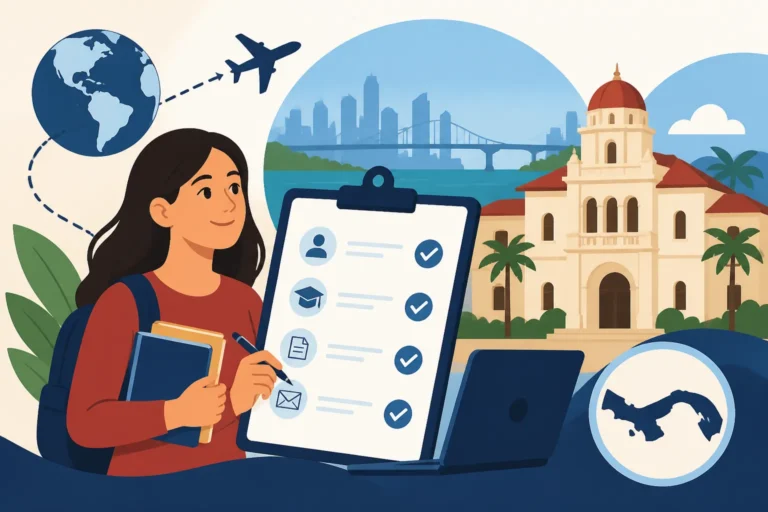
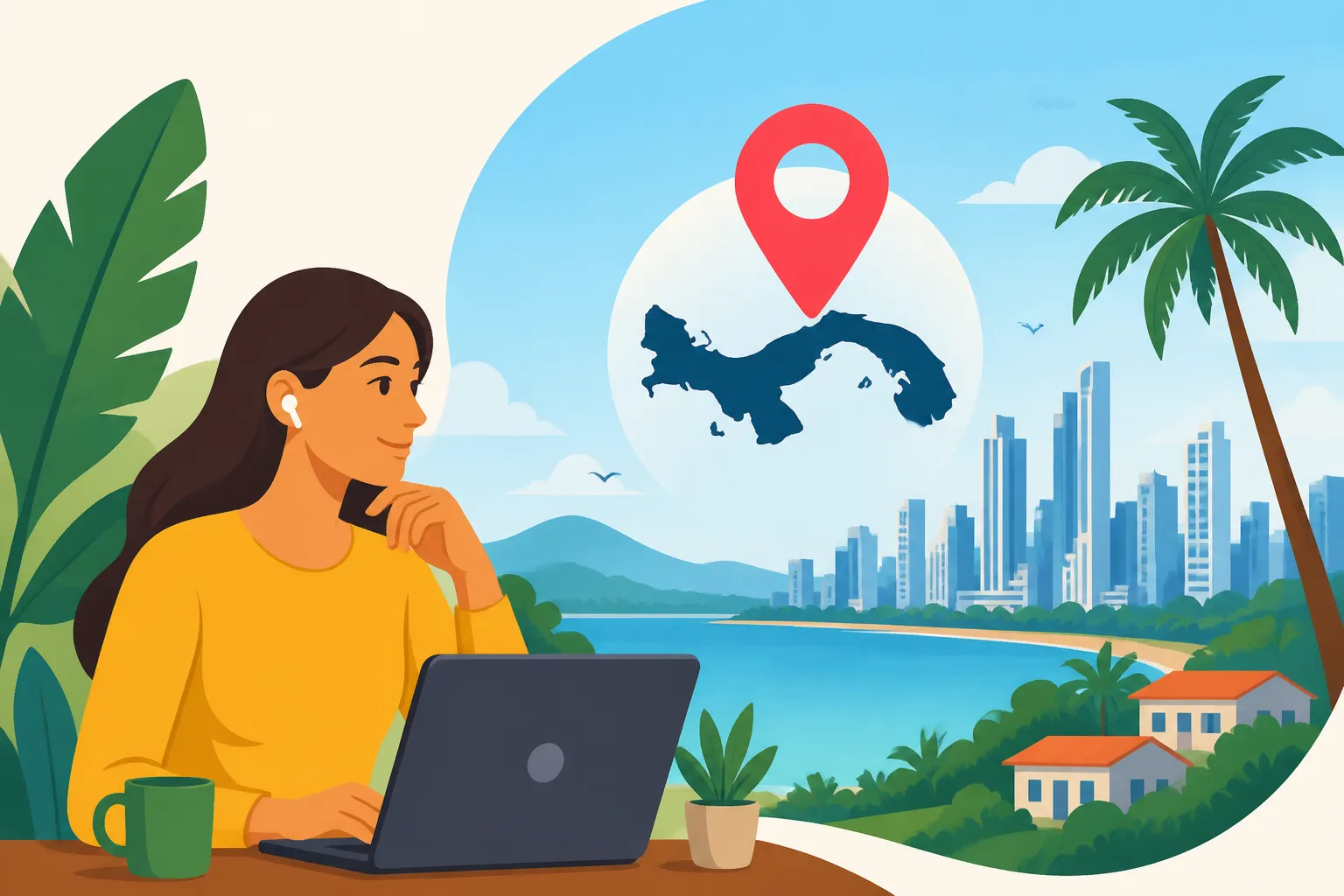
Ah, the allure of remote work in Panama! Waking up to the sound of tropical birds, a cup of excellent Panamanian coffee in hand, and settling into your home office with a view of the city or the ocean. It's a fantastic dream, and for many, it's a reality. However, when we talk about "remote jobs based in Panama," things can get a little tricky and aren't always what people initially assume. This guide is here to untangle that knot, showing you exactly how to navigate the Panamanian job market to find those remote roles with local companies, and what you need to know to make it happen smoothly.
Understanding the Remote Work Landscape in Panama
It’s easy to dream of a laptop lifestyle under the Panamanian sun, but the specifics of where your remote job is based make a huge difference here. Many expats come to Panama to work remotely for companies outside Panama, which is a fantastic option in itself, but it falls under a different set of rules and visa categories. This article focuses on something slightly different: finding remote work where the employer itself is a Panamanian company. This distinction is crucial for legal, tax, and even cultural reasons.
The Nuances of "Remote Jobs Based in Panama"
Let’s be crystal clear about this: there's a significant difference between working remotely from Panama for a foreign company and working remotely for a Panamanian company. When you're working for an employer based in Panama, even if your role is fully remote, you are generally considered an employee under Panamanian labour law. This means your employer will typically need to follow local regulations, including contributing to your social security, adhering to minimum wage laws, and processing your income tax locally. It also almost certainly means you'll need a proper work permit and a residency visa that allows you to work in Panama.
The common misconception is that if a job is "remote," it automatically means you can just live anywhere and collect a paycheck, no questions asked. While Panama does have a digital nomad visa now, that visa is explicitly designed for individuals working for companies outside of Panama. It does not grant you permission to work for a Panamanian employer. So, if you’re eyeing a remote position advertised by a Panamanian company, you're looking at the traditional immigration and work permit routes, much like any expat taking a traditional in-office job. It’s a hurdle, yes, but certainly not insurmountable with the right approach and documentation. You can dive deeper into the general requirements for The Complete Guide to Panama Visas and Immigration for Expats (2027).
Key Industries and Sectors with Remote Opportunities
Panama's economy is quite dynamic, heavily relying on its logistics, finance, and services sectors. While many of these are traditionally office-based, the global shift towards remote work has certainly had an impact here too, albeit perhaps a slower adoption than in some Western countries.
You’re most likely to find genuine remote-based opportunities with Panamanian companies in sectors such as:
- Technology and IT: This is probably your strongest bet. Software development, IT support, cybersecurity, data analysis, and web design roles often lend themselves well to remote setups. Panama City, in particular, has a growing tech hub.
- Marketing and Digital Media: Social media management, content creation, SEO specialists, graphic design, and digital advertising roles can often be performed from anywhere, as long as you're connected. Panamanian companies, like businesses everywhere, are increasingly investing in their online presence.
- Customer Service and Call Centers: While many are in-office, some larger companies or Business Process Outsourcing (BPO) firms operating in Panama might offer remote customer support roles, especially if they cater to international clients or have adopted hybrid models.
- Education and Online Tutoring: If you have teaching qualifications, online tutoring for Panamanian students (or even for students abroad through a Panama-based platform) is a possibility. English language instruction is always in demand. Platforms that connect tutors and students for language learning, like iTalki, can also be a way to earn income from Panama if you're working for clients outside of Panama.
- Administration and Virtual Assistance: Some smaller businesses or entrepreneurs might seek remote administrative support. These roles can be a bit harder to find with formal employment contracts but might exist as freelance or contract positions.
Remember, even within these sectors, a work permit is typically required if the employer is Panamanian. For more context on the broader job market, check out The Expat Guide to Finding a Job in Panama (2027).
Strategizing Your Search for Panama-Based Remote Roles
Finding remote jobs with Panamanian employers isn't as straightforward as just typing "remote jobs Panama" into a search engine. You need a targeted approach, understanding local platforms, and leveraging networking.
Leveraging Local Job Boards and Platforms
When you're looking for roles with companies in Panama, you need to go where Panamanian companies advertise their positions. Don't just stick to international job sites, as they often miss local listings.
Here are some key platforms and tips:
- Konzerta.com: This is one of the largest and most widely used job boards in Panama. It’s the go-to for many local companies. You can usually filter by "teletrabajo" (telework) or "remoto."
- Computrabajo Panama: Another popular local job portal, similar to Konzerta. Again, look for filtering options or use keywords in Spanish.
- LinkedIn (Panama): LinkedIn is powerful globally, and Panama is no exception. Make sure your profile reflects your desire for remote work, and follow companies based in Panama that you're interested in. Use the location filter for "Panama" and then search for keywords like "remoto," "teletrabajo," or "work from home." Networking directly with recruiters and HR professionals at Panamanian companies on LinkedIn is highly effective.
- Opcionempleo.com.pa: This site aggregates job postings from various sources in Panama and can be a good secondary resource.
- Company Websites: Many Panamanian companies, especially larger ones in tech or finance, will post openings directly on their "Careers" or "Trabaja con Nosotros" sections. Identify companies you're interested in and check their sites regularly.
When applying, remember that even for remote roles, your application needs to resonate locally. Tailoring your CV to the Panamanian job market is essential. You might find guidance in our article on How to Adapt Your CV for the Panamanian Job Market.
Networking and Professional Communities
Panama is a place where personal connections, or contactos, can significantly open doors. This is true whether you’re looking for an office job or a remote one. Don't underestimate the power of showing your face, even if your ultimate goal is to work from your living room!
- Expat Groups: Join expat groups on Facebook (e.g., "Expats in Panama," "Panama Expats"). While many discussions revolve around visas and daily life, job leads or connections to local businesses often emerge. Ask specific questions about companies known for remote work or how others found their positions.
- Chambers of Commerce: The various Chambers of Commerce (e.g., American Chamber of Commerce and Industry of Panama (AmCham), British Chamber of Commerce in Panama, or the Panamanian Chamber of Commerce) often host events. Even if you don't find a direct job lead, you'll meet business owners and professionals who know the local market and might be able to refer you.
- Professional Meetups: Look for industry-specific meetups, especially in tech. Platforms like Meetup.com can list local groups focused on coding, digital marketing, or entrepreneurship. These are excellent places to learn about the market and potential openings.
- Co-working Spaces: Even if you plan to work from home, consider a temporary membership at a co-working space in Panama City like Spaces or My Office. These hubs are filled with entrepreneurs, freelancers, and remote workers, and valuable connections can be made over a shared coffee.
Building a network isn't just about finding a job; it's about understanding the local business culture and gaining insights that are hard to come by online. Many opportunities are shared through word-of-mouth before they ever hit a public job board.
Direct Company Outreach
Sometimes, the best way to get a remote job is to create the opportunity yourself. If you have specific skills that are in demand, identify Panamanian companies that could benefit from those skills and approach them directly.
- Research Remote-Friendly Companies: Look for companies in Panama that already have a flexible work culture, or those in the sectors mentioned above (tech, digital marketing). Multinational corporations with offices in Panama are often more accustomed to remote setups than smaller local businesses.
- Tailored Proposals: Instead of a generic CV, craft a targeted proposal explaining how your remote skills can solve a specific problem for their business or contribute to their growth. Highlight how remote work can be an asset for them (e.g., access to specialized talent, reduced office overheads).
- Be Patient and Persistent: Direct outreach can take time. Follow up professionally, and don't get discouraged if you don't hear back immediately. The Panamanian business pace can sometimes be a little slower than you might be used to.
This proactive approach demonstrates initiative and can set you apart from other applicants who are simply responding to posted ads.
Essential Considerations for Remote Work in Panama
Once you start getting bites, there are some fundamental elements you need to consider carefully when taking on a remote job based in Panama. These aren’t just bureaucratic hurdles; they are critical aspects that impact your legal standing and financial well-being in the country.
Visa and Legal Implications for Foreigners
This is perhaps the biggest differentiator for "Panama-based" remote jobs compared to working for a foreign company. If a Panamanian company employs you, you need a work permit. Period. Even if you never step foot in their office, the company is legally obligated to adhere to Panamanian labour laws and employ you legally.
- Work Permits and Sponsorship: Most work permits in Panama require sponsorship from a Panamanian employer. This means the company you're hoping to work for will need to initiate the process for you. This can be an additional administrative burden for them, so be prepared to demonstrate your unique value. Our guide on How a Work Permit and Employer Sponsorship Work in Panama explains this process in detail.
- Residency Visas: A work permit usually goes hand-in-hand with a residency visa (e.g., the Friendly Nations Visa if your nationality qualifies, or other specific worker visas). You can't just have a work permit; you need the appropriate immigration status to live and work here. Exploring options like How to Get Residency in Panama: The Full Guide is essential.
- Digital Nomad Visa vs. Work Permit: It's worth reiterating: the Digital Nomad Visa in Panama is for those working for foreign companies. If your employer is Panamanian, you need a standard work permit and residency. Don't confuse the two, as the consequences of working illegally can be severe.
Tax and Financial Responsibilities
This is another area where "Panama-based" remote work differs significantly. If you're employed by a Panamanian company, your income is considered Panama-source income and is subject to local income tax.
- Income Tax: Panama operates on a territorial tax system, meaning generally only income generated within Panama is taxed. If your Panamanian employer pays you, that income is certainly Panamanian-sourced. Your employer will typically withhold income tax from your salary, similar to a PAYE system. You can learn more about this in Understanding Income Tax in Panama (2027).
- Social Security (CSS) Contributions: As a legal employee of a Panamanian company, you and your employer will be required to make contributions to the Caja de Seguro Social (CSS), Panama's social security system. This covers public healthcare and pension benefits.
- Financial Planning: It’s wise to consult with a local tax expert who specializes in expatriate taxation. Companies like Taxes for Expats can provide invaluable guidance on navigating your income tax obligations, ensuring you remain compliant and understand your net income after deductions. Even for remote income, proper planning is key. You can find out more about the overall system by reading How Panama's Tax System Works: Territorial Taxation Explained (2027).
- Self-Employed vs. Employee: Some "remote" roles might be offered as independent contractor positions. While this can offer more flexibility, you would then be responsible for registering as self-employed with the DGI (Panama's tax authority) and managing your own tax and social security contributions. If you go this route, consult How to Register as a Self-Employed Taxpayer in Panama.
Cultural Adaptation and Language Skills
Even if you're working remotely, understanding Panamanian workplace culture and having some Spanish language proficiency will significantly boost your chances and your overall experience.
- Spanish Language Proficiency: While many Panamanians in professional settings, especially in Panama City, speak English, Spanish is the official language. For a remote job based in Panama, particularly if you’re interacting with local colleagues, clients, or management, strong Spanish skills will be a huge asset. It demonstrates your commitment and ability to integrate. Consider using platforms like iTalki to brush up on your Spanish skills or even learn from scratch before you arrive. This can give you a significant edge in a competitive market.
- Workplace Culture: Panamanian workplaces can be more hierarchical and relationship-oriented than some Western counterparts. Punctuality is appreciated, but meetings can sometimes run longer than scheduled, and directness in communication might be less common than a more indirect approach. Understanding these nuances, even in a remote setting, helps build rapport and trust.
- Time Zones and Connectivity: Most of Panama is in Eastern Standard Time (EST) without daylight saving. Ensure your remote setup is robust, with reliable internet. Panama offers several good internet providers, but connectivity can vary in more rural areas.
Making Your Application Stand Out
With the increasing competition for remote roles, simply sending a generic CV won't cut it. You need to tailor your application to the Panamanian context and highlight skills that are particularly valuable in a remote, international setting.
Tailoring Your Application
Your application needs to speak directly to the needs and expectations of a Panamanian employer, even for a remote role.
- Resume/CV Customization:
- Structure: Panamanian CVs often include a professional headshot and personal details like marital status and nationality, which might be omitted in other countries.
- Language: If the job description is in Spanish, submit your CV in Spanish. If it’s bilingual or English, submitting an English CV is fine, but having a Spanish version ready is always a good idea.
- Keywords: Use keywords from the job description and local industry terms.
- Highlight Remote Work Skills: Emphasize your proficiency with remote collaboration tools (Slack, Zoom, Asana), your ability to work independently, strong written communication, and time management skills.
- Cover Letter: Use your cover letter to explicitly state your interest in living and working in Panama, and how you understand the requirements for foreigners, including the need for a work permit. This shows you've done your homework and are serious about relocating and working legally. Mentioning your commitment to the local culture and your Spanish language efforts (even if beginner) can be a plus.
Interviewing and Follow-up
The interview process, even remotely, will have cultural elements you should be aware of.
- Professionalism and Formality: Panamanian interviews tend to be more formal than some casual Western tech interviews. Dress professionally, ensure a quiet and well-lit background for video calls, and be punctual.
- Relationship Building: Be prepared for some initial small talk (chitchat). Panamanians value personal relationships, and a good rapport can be as important as your technical skills.
- Asking Questions: Have thoughtful questions ready about the company culture, the team structure, and specifically, how they support remote employees. This shows engagement and strategic thinking.
- Follow-up: Send a polite, professional thank-you email within 24 hours of your interview, reiterating your interest and appreciation for their time.
Finding a remote job based in Panama can be an incredibly rewarding path, offering stability and a legal framework within the country, combined with the flexibility of remote work. It requires a clear understanding of local regulations, diligent job searching, and a commitment to integrating, but the Panamanian dream is absolutely within reach for those willing to put in the effort.
| Feature | Working Remotely for a Foreign Company (from Panama) | Working Remotely for a Panamanian Company (in Panama) |
|---|---|---|
| Employer Location | Outside Panama (e.g., US, Canada, Europe) | Inside Panama |
| Visa/Permit Needed | Digital Nomad Visa, or other residency not tied to local employment (e.g., Pensionado, Friendly Nations non-working status) | Standard Work Permit and corresponding Residency Visa (e.g., Friendly Nations with employment, particular worker visas) |
| Income Taxation | Generally not taxed in Panama (due to territorial tax system, if income is truly foreign-sourced) | Subject to Panamanian income tax (Panama-sourced income) |
| Social Security (CSS) | Typically not contributed to CSS (unless voluntarily self-contributing) | Employer and employee legally contribute to CSS |
| Labour Law Application | Not generally subject to Panamanian labour laws | Fully subject to Panamanian labour laws (e.g., holidays, severance, notice periods) |
| Job Search Platforms | International remote job boards, LinkedIn (global search) | Local Panamanian job boards (Konzerta, Computrabajo), LinkedIn (Panama-specific), company websites |
| Language Requirements | Often English-only, depending on foreign employer | Spanish often highly beneficial or required, even if team speaks English |
| Complexity for Employer | Minimal (employer is foreign, no local obligations) | High (employer must sponsor visa/work permit, handle payroll, taxes, CSS) |
Disclaimer
The information provided in this guide is for general informational purposes only and does not constitute legal, tax, or immigration advice. While we strive to keep the information up-to-date and accurate, laws and regulations in Panama can change. It is essential to consult with qualified Panamanian legal, tax, and immigration professionals for advice tailored to your specific situation before making any decisions related to work, residency, or financial matters in Panama.