How Much Maternity Leave Do I Get in Panama?
Finding out you're expecting in a new country can bring a mix of emotions – joy, excitement, and then, invariably, that little nagging worry about how everything works, especially something as critical as maternity leave. I've been there, or known friends who have, grappling with the Panamanian system while navigating pregnancy. This guide is here to cut through the confusion and give you a comprehensive understanding of your maternity leave entitlements in Panama, ensuring you feel prepared and protected.
Understanding Panamanian Maternity Leave Laws for Expats
When you're an expat in Panama, your rights regarding maternity leave are largely governed by Panamanian Labor Law, specifically the Labor Code. It’s crucial to remember that if you are legally employed and contributing to the social security system (Caja de Seguro Social, or CSS), you are generally entitled to the same protections as Panamanian citizens. This isn't always the case in every country, and it's a huge relief here. The system aims to protect expectant mothers and new parents, ensuring both their health and their job security during this pivotal time.
The Legal Framework and Key Protections
Panama's Labor Code is quite clear on maternity protections. The main purpose is to safeguard the health of the mother and child, allow for proper bonding and recovery, and prevent discrimination. This means your employer cannot terminate you from the moment your pregnancy is confirmed and during your maternity leave, extending up to one year after you return to work. Yes, you heard that right – one full year post-return, which is a significant protective measure often overlooked by newcomers. This provision is designed to combat potential discrimination against new mothers re-entering the workforce.
Think about it: you've just gone through pregnancy, childbirth, and the initial, often exhausting, months of motherhood. The last thing you need is the stress of job insecurity. This legal protection offers a vital shield. However, it's not an absolute "get out of jail free" card; if there's a legitimate, non-discriminatory reason for termination (e.g., serious misconduct unrelated to your pregnancy or maternity), the employer might still proceed, but they would face a much higher burden of proof and likely severe penalties if found in violation. It’s always best to be meticulous in documenting communications and performance reviews during this period. For a deeper dive into your broader entitlements, you might want to look into Understanding Panamanian Labour Law and Worker Rights.
Eligibility Criteria for Maternity Benefits
To qualify for maternity leave and its associated financial benefits through the CSS, there are generally two main requirements you need to meet. Firstly, you must be formally employed and registered with the Caja de Seguro Social (CSS). This usually happens automatically if you're working for a legitimate company that is deducting social security contributions from your salary. If you're self-employed, it's a bit different; you would need to be voluntarily contributing to the CSS, which is something many expats consider for health and pension benefits anyway. You can find more information on How to Register with the CSS (Caja de Seguro Social) in Panama.
Secondly, you need to have contributed to the CSS for a specific period of time. As of my last check, for maternity benefits, you typically need to have made at least nine consecutive monthly contributions immediately preceding the eighth month of your pregnancy. This is a critical detail, so if you've recently moved to Panama or started a new job, make sure you understand how your contribution history lines up with your due date. If you don't meet this contribution threshold, you might still be entitled to the job protection aspect of maternity leave, but the financial benefits would fall solely on your employer, or you might not receive full benefits. This is a good time to understand Understanding Health Insurance Contributions Through the CSS in Panama. It's always a good idea to confirm your CSS contribution status directly with your employer's HR department or by visiting a local CSS office.
How Maternity Leave Works in Practice: Before, During, and After
Navigating the actual process of maternity leave in Panama involves specific steps and understanding the different phases. It's not just about turning up one day and then disappearing for a few months; there's a protocol to follow, especially concerning medical documentation. Getting these details right ensures a smooth transition and avoids any unnecessary headaches with your employer or the CSS.
Pre-Natal Leave and Medical Certificates
In Panama, maternity leave officially begins six weeks (42 days) before your estimated due date. This pre-natal period is mandatory and is designed to allow the mother to rest and prepare for childbirth without the stress of work. To initiate this, you will need a medical certificate from your doctor confirming your pregnancy and stating your estimated due date. This certificate is paramount; without it, your employer might not be able to process your leave correctly, and it's essential for the CSS to approve any financial benefits.
Once you receive this certificate, you must submit it to your employer well in advance. Typically, it's advised to do this as soon as possible after your doctor provides it, usually around the seventh month of pregnancy, to give your employer ample time to make arrangements for your absence. The employer then forwards this information to the CSS, along with their own forms, to ensure your benefits are processed. It's a bureaucratic dance, but a necessary one. Make sure you keep copies of everything you submit and get confirmation receipts. I've seen too many expats caught out by lost paperwork, so being overly cautious here is a virtue.
The Post-Partum Period and Breastfeeding Breaks
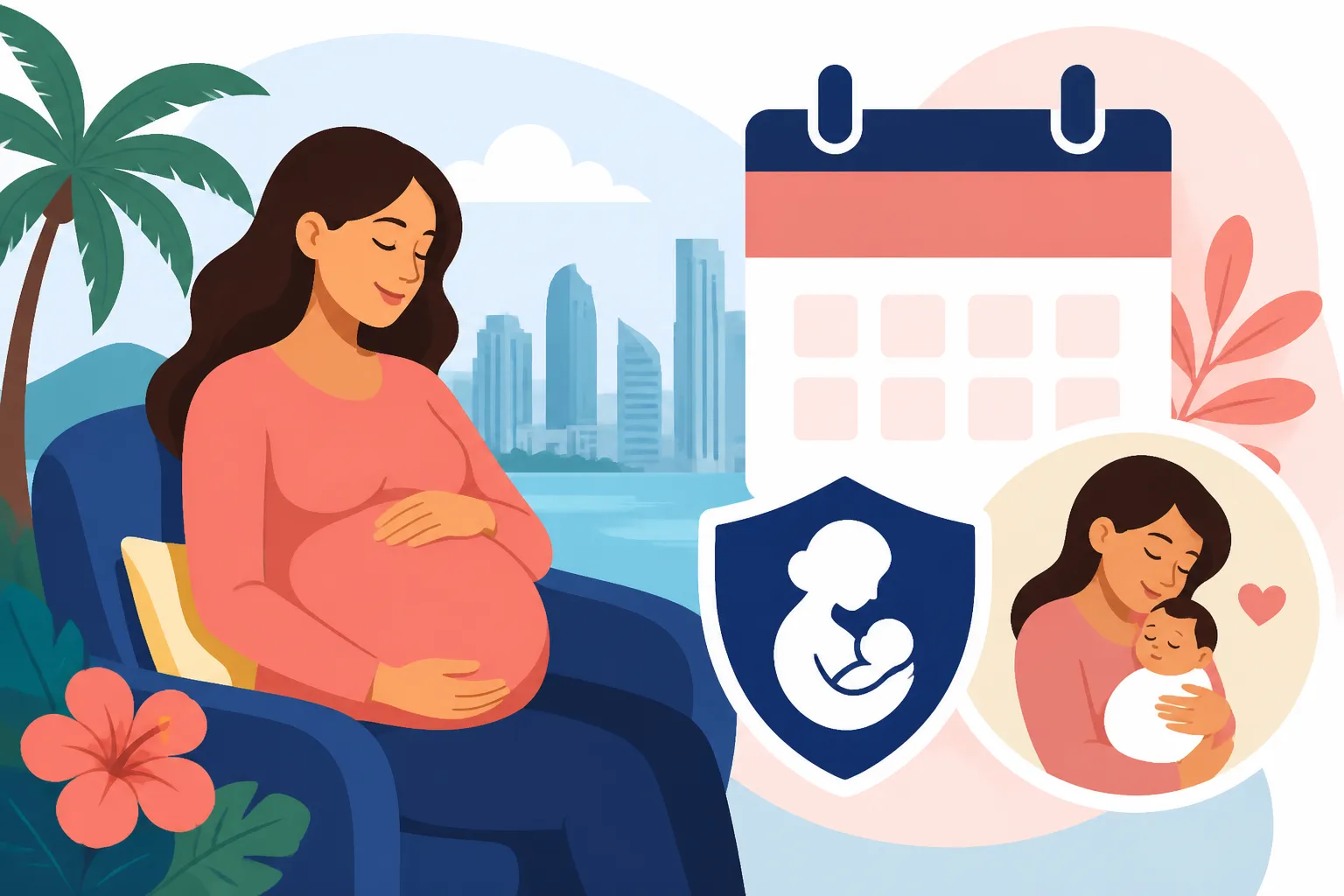
The total maternity leave period in Panama is 14 weeks. With six weeks allocated before birth, this means you get eight weeks (56 days) of mandatory post-partum leave. This period is non-negotiable and legally mandated to ensure both the mother's recovery and the crucial initial bonding time with the newborn. It’s a time for healing, adjusting to new routines, and focusing on your baby. During these eight weeks, your job is protected, and you're entitled to financial compensation (which we'll cover next).
Beyond the standard maternity leave, Panamanian law also provides for breastfeeding breaks for new mothers once they return to work. For up to one year after childbirth, mothers are entitled to a 15-minute break every three hours during their workday for breastfeeding or expressing milk, or a cumulative one-hour break. This can often be negotiated to be taken at the beginning or end of the day, effectively reducing the workday by an hour, depending on your workplace and agreement. It's an important protection that acknowledges the ongoing needs of a new mother and child. Some workplaces even have designated rooms for this, though that’s more common in larger, more modern companies in Panama City. Don't be shy about inquiring about these benefits and how they are implemented at your workplace.
Financial Aspects of Maternity Leave: What to Expect
Let's talk money, because for most of us, that's a huge part of the maternity leave puzzle. The financial support during maternity leave in Panama primarily comes from the Caja de Seguro Social (CSS), but employers also play a significant role. Understanding who pays what, and under what conditions, is key to managing your finances during this time.
Maternity Benefits from the CSS (Caja de Seguro Social)
If you meet the CSS contribution requirements (remember, at least nine consecutive monthly contributions before the eighth month of pregnancy), the CSS will cover a substantial portion of your salary during your 14 weeks of maternity leave. The general rule is that the CSS pays 100% of your average salary based on your last contributions. This is a huge relief for many expat families who might otherwise face a significant drop in income.
The payment from the CSS usually comes directly to you, though sometimes it might be routed through your employer, who then pays you. It's important to clarify this with your HR department. While the CSS is supposed to pay 100% of your salary, sometimes there can be delays in processing, or minor discrepancies if your salary has fluctuated. It's wise to have a small financial cushion to bridge any potential gaps, especially in the first few weeks of leave. Keep all your pay stubs and CSS contribution records. If you're concerned about how this affects your overall tax situation, especially with the territorial tax system in Panama, consulting an expert like Taxes for Expats might be beneficial to understand your obligations. They can help you figure out how your maternity benefits fit into your annual tax filing.
Employer Responsibilities and Supplemental Pay
Even if the CSS is covering your salary, your employer still has responsibilities. They are legally obligated to ensure your job is held for you and that you return to the same or an equivalent position. In cases where an employee doesn't meet the CSS contribution requirements, the employer would then be responsible for paying a portion of the maternity benefits, typically at least 50% of the salary for the 14-week period, although some employers might choose to pay more as part of their benefits package.
It's also worth checking your employment contract or discussing with your HR department if your company offers any supplemental maternity pay beyond what the CSS provides. Some larger, more expat-friendly companies, particularly multinationals in Panama City, might offer additional benefits to attract and retain talent. This isn't legally mandated, but it's always worth asking about. Knowing what to expect financially allows you to budget effectively for what will undoubtedly be a demanding, yet rewarding, period. This is also why Understanding Maternity and Parental Leave in Panama more broadly is so important, as it covers both the legal and practical aspects of what you can expect.
Here’s a quick overview of key maternity leave benefits:
| Feature | Details in Panama | Important Considerations |
|---|---|---|
| Total Leave Duration | 14 weeks (98 days) | 6 weeks pre-natal, 8 weeks post-partum. Mandatory. |
| Eligibility (CSS Pay) | Minimum 9 consecutive monthly CSS contributions | Must be immediately prior to the 8th month of pregnancy. |
| Payment Source | Primarily CSS (Caja de Seguro Social) | 100% of average salary if eligible. Employer pays minimum 50% if CSS criteria not met. |
| Job Protection | From pregnancy confirmation up to 1 year after returning to work | Protection against discriminatory termination. |
| Breastfeeding Breaks | 15 mins every 3 hours, or 1 cumulative hour/day | For up to 1 year post-birth. Negotiate with employer for implementation. |
| Required Document | Medical Certificate from doctor | Must confirm pregnancy and estimated due date for both employer and CSS submission. |
Navigating Challenges and Ensuring Your Rights
Even with clear laws, being an expat can add layers of complexity. Language barriers, cultural differences, and simply not knowing the system inside and out can make what should be a straightforward process feel overwhelming. It's crucial to be proactive in understanding and asserting your rights, and to know where to turn if you encounter difficulties.
Dealing with Discrimination and Unfair Practices
While Panamanian law is quite strong in protecting pregnant employees and new mothers, unfortunately, discrimination can still occur, sometimes subtly. This might manifest as being passed over for promotions, unfair performance reviews, or even veiled comments about your commitment to work after having a baby. Direct termination is very risky for an employer due to the legal protections, but more insidious forms of discrimination can be harder to prove.
If you suspect you're facing discrimination, it's vital to document everything: dates, times, specific statements, emails, and any witnesses. Seek advice from a labor lawyer in Panama immediately. Many lawyers specializing in labor law offer initial consultations, and their expertise can be invaluable in navigating these sensitive situations. Don't try to handle it alone, especially if Spanish isn't your first language. Remember, the law is on your side for this, and it's there to prevent employers from penalizing you for starting a family.
Planning for Your Return to Work
The transition back to work after maternity leave can be a big adjustment, both personally and professionally. Planning ahead can make a world of difference. Before you go on leave, try to have a clear discussion with your employer about your return date, any arrangements for breastfeeding breaks, and how your responsibilities will be reintegrated. This is also a good time to ensure all your contact details are up-to-date and to establish a preferred method of communication for any urgent matters while you're away.
Consider your childcare options well in advance. Panama City and other expat hubs offer various options, from nannies to daycare centers, but finding the right fit takes time. If you're concerned about your Spanish skills when communicating with childcare providers or even doctors for your baby, improving your language skills can be incredibly empowering. Services like iTalki can connect you with Panamanian Spanish tutors who can help you practice real-life conversations, making interactions smoother. Many expat parents find this preparation invaluable for a smoother reintegration into their professional life while balancing the demands of a new baby. You might also want to look into How Your Residence Status Affects Health Coverage in Panama to ensure your baby is properly registered and covered from day one.
Disclaimer
This article is for general informational purposes only and does not constitute professional advice. Laws, prices and regulations vary by location and change over time. Consult a qualified professional for guidance on your specific situation.