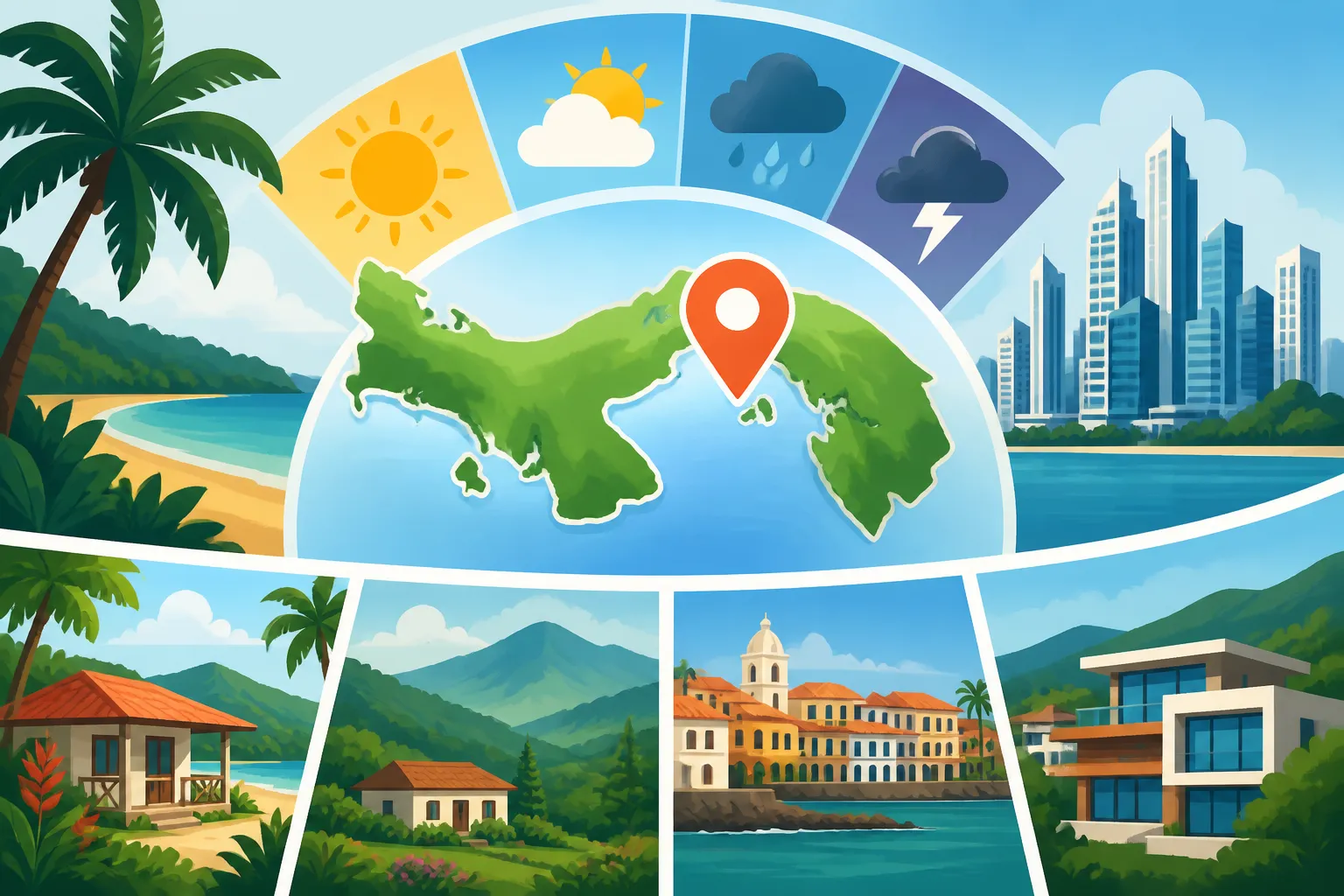
Understanding the Climate and How to Choose Where to Live in Panama
Moving to a new country like Panama, you’re often swept up in the excitement of new adventures, visa paperwork, and finding a place to live. But what many expats quickly realize is that the climate, far from being a minor detail, is a major factor that shapes your daily life and comfort. This guide is here to walk you through Panama's surprisingly diverse weather patterns, helping you understand how they impact different regions so you can choose a home that truly fits your ideal tropical lifestyle.
Panama's Tropical Tapestry: Understanding the Climate Zones
Panama, despite its relatively small size, boasts a fascinating array of microclimates, largely dictated by elevation and proximity to the Caribbean or Pacific coasts. This isn't just one big, steamy jungle; it's a dynamic landscape where you can find everything from sweltering urban heat to crisp mountain air, sometimes just a couple of hours' drive apart. Understanding these variations is key to finding your happy place.
The Hot and Humid Lowlands: Coastal and City Living
For many, Panama instantly conjures images of hot, humid coastal living, and for good reason. The vast majority of the country, especially the bustling capital of Panama City and the beautiful Caribbean coastlines of Bocas del Toro and Colón, falls squarely into this category. Here, temperatures typically hover between 28°C and 32°C (82°F to 90°F) year-round, with humidity levels often soaring above 80%. This means you'll feel the heat in your bones, even after the sun sets. Days are long and warm, and nights offer little reprieve from the persistent mugginess.
In Panama City, for example, life revolves around air conditioning. Your apartment, office, and even the larger shopping malls are sanctuaries from the tropical warmth outside. Venture out during the day, and you'll quickly learn the value of light clothing, a good umbrella, and frequent hydration. While the humidity can be a bit much at first, you'll find that locals and long-term expats adapt, embracing the indoor comforts and adjusting their routines to avoid the midday sun. Living here means accepting that a quick walk can lead to a damp shirt, but it also means enjoying lush greenery and the vibrant energy of a truly tropical metropolis.
The Cooler Highlands: Mountain Retreats
If the thought of constant heat and humidity makes you wilt, then Panama’s highlands might just be your personal paradise. Regions like Boquete in Chiriquí province and El Valle de Antón in Coclé offer a dramatically different climate thanks to their higher elevations. Here, the air is noticeably cooler, often described as "eternal spring." Daytime temperatures typically range from a comfortable 18°C to 25°C (64°F to 77°F), dropping to a refreshing 15°C to 20°C (59°F to 68°F) at night.
In Boquete, for instance, you'll find expats enjoying morning coffees on their balconies without a bead of sweat, and many homes even come equipped with fireplaces for those surprisingly chilly evenings. The humidity is significantly lower, making the air feel crisp and invigorating. This climate is perfect for those who love outdoor activities like hiking, gardening, and exploring nature without the oppressive heat. It's a stark contrast to the lowlands and one of the main reasons these mountain towns have become such popular havens for foreign residents. Many expats even find themselves needing a light jacket in the evenings, a luxury almost unheard of in Panama City. For a deeper dive into finding a place in this cooler region, check out our guide on How Do I Find an Apartment to Rent in Boquete?.
The Pacific vs. Caribbean Coasts: Subtle Differences
While both coasts are generally hot and humid, there are subtle yet important distinctions in their weather patterns. The Pacific side, where Panama City and popular beach towns like Coronado are located, tends to experience a more pronounced wet and dry season. The dry season (verano) brings consistent sunshine and less rainfall, making it ideal for beachgoers. During the wet season, while there are still plenty of sunny mornings, afternoon thunderstorms are a daily occurrence. The Pacific also experiences more noticeable breezes, especially in open coastal areas, which can offer a welcome respite from the heat.
The Caribbean coast, including areas like Bocas del Toro, tends to have a slightly different rainfall pattern. While it also has wet and dry seasons, the dry period is often shorter and less consistent than on the Pacific. You might find rain at any time of year, though generally less in February, March, and September, and more in November and December. The air on the Caribbean side can also feel slightly more consistently humid, and the sea tends to be calmer and warmer, perfect for swimming and snorkeling. These subtle differences can greatly influence your daily comfort and the kind of outdoor activities you can enjoy.
Navigating Panama's Seasons: Wet vs. Dry
Panama essentially has two main seasons: the dry season and the wet season, often referred to as verano (summer) and invierno (winter), respectively, by locals, even though they don't align with the temperate zone definitions. Understanding these two periods is crucial for anyone planning to live or even just visit, as they dictate much of the daily rhythm and outdoor possibilities.
The Dry Season (Verano): Sun-Kissed Days and Breezy Evenings
Panama's verano, or dry season, generally runs from mid-December through April. This is when the country truly shines for those who love consistent sunshine and minimal rain. Days are typically bright and clear, with blue skies that seem to stretch forever. In the lowlands, while still hot, the humidity often drops slightly, and steady breezes can make the heat more tolerable. The Pacific coast beaches are at their absolute best during this time, with calm waters and perfect conditions for sunbathing and swimming.
In the highlands, the dry season is equally delightful, with pleasantly warm days and cool, crisp nights that might even call for a light sweater or a cozy blanket. This is peak tourist season, and you'll find more outdoor festivals, concerts, and activities happening across the country. It’s also when the landscapes, especially outside the lush mountain areas, can start to look a bit drier and dustier. If you're planning on exploring the country extensively, especially by road, this is often considered the most comfortable time. For those looking to move, arriving during verano can make the initial adjustment feel a little easier before the invierno sets in.
The Wet Season (Invierno): Lush Greenery and Afternoon Showers
The invierno, or wet season (also affectionately known as the "green season"), typically begins in May and extends through November, sometimes bleeding into early December. Now, don't let the term "wet season" conjure images of non-stop, miserable downpours. That's a common misconception that often makes newcomers nervous. In reality, the wet season in Panama is usually characterized by bright, sunny mornings, followed by impressive, often torrential, afternoon thunderstorms that last an hour or two. After the rain clears, the air feels fresh, and the sun might even pop out again for a beautiful late afternoon.
These daily downpours, while intense, are often predictable, allowing you to plan your day around them. Many expats quickly learn to run errands or schedule outdoor activities in the mornings, taking refuge indoors during the afternoon showers. The benefits of this season are undeniable: the entire country transforms into a vibrant, lush emerald paradise. The dust from the dry season settles, rivers swell, and waterfalls become magnificent. While the humidity levels increase, the afternoon rains can also bring a welcome cooling effect. It's a time of rich natural beauty and fewer crowds, making it a wonderful period for nature lovers.
Microclimates and Unexpected Weather Patterns
Even within these two broad seasons, Panama presents a fascinating array of microclimates and localized weather phenomena. Elevation plays a massive role; a 30-minute drive up a mountain can easily drop the temperature by several degrees and change cloud cover patterns. For instance, while Panama City might be sweltering, a short trip to the higher elevations of Altos de Campana National Park can feel significantly cooler and foggier.
Coastal areas, particularly those exposed to open ocean winds, can experience stronger breezes and more intense rainfall or drier conditions depending on the prevailing weather systems. Even within Panama City itself, you might find that certain neighborhoods closer to the ocean or with more green spaces feel slightly different than dense urban cores. It’s not uncommon to see a heavy downpour in one part of the city while another remains completely dry. This means that checking localized weather forecasts is always a good idea, and for immediate connectivity to do so, especially when you first arrive, services like Airalo can be incredibly useful. You'll quickly learn that "the weather in Panama" is rarely a singular, uniform experience across the entire country.
Matching Your Lifestyle to Panama's Climate
Choosing where to live in Panama isn't just about the aesthetics or the community; it's profoundly about finding a climate that complements your preferred lifestyle. Your daily routines, hobbies, and even your mood can be heavily influenced by whether you're constantly sweating, enjoying a cool breeze, or dodging afternoon downpours.
City Dwellers: Embracing the Urban Heat and Convenience
If you're a city dweller at heart, drawn to the hustle and bustle, the conveniences of modern amenities, and a vibrant nightlife, then Panama City will likely be your primary focus. The trade-off, as we've discussed, is the perpetual heat and high humidity. Life here means embracing air conditioning as an absolute necessity. You'll find yourself living in conditioned spaces—your home, your car, the mall, your favorite restaurant. Outdoor activities are often scheduled for early mornings or late evenings to avoid the peak heat.
However, this doesn't mean city life is confined indoors. Many apartment buildings boast fantastic pools, and you'll see people enjoying evening strolls along the Cinta Costera or heading to outdoor cafes once the sun starts to dip. The sheer convenience of everything being within reach—international schools, top-tier hospitals like Hospital Punta Pacifica, diverse dining, and cultural events—often outweighs the climatic challenges for those who thrive in an urban environment. You'll learn to dress smart for the climate, keep hydrated, and appreciate the cool sanctuary of a well-conditioned home after a day out. Planning your move? Consider using a service like Sirelo to help manage the logistics of bringing your belongings to this vibrant city, ensuring they arrive safely and are ready for your air-conditioned oasis.
Mountain Lovers: Cool Breezes and Outdoor Adventures
For those who crave cooler temperatures, fresh air, and a strong connection to nature, Panama's highlands are a dream come true. Boquete, El Valle de Antón, and Cerro Punta offer a climate that feels more like a perpetual spring or mild summer from a temperate zone. This significantly opens up possibilities for outdoor hobbies that would be challenging in the lowlands. Imagine crisp morning walks, gardening without quickly wilting, hiking through lush cloud forests, or enjoying a cup of locally grown coffee on your porch without sweating.
Expats in these regions often report feeling more active and energetic due to the comfortable climate. Social life often revolves around community events, farmers' markets, and outdoor gatherings. Homes here are typically designed to take advantage of the natural breezes, and while air conditioning might be present, it's far less of a necessity than in the lowlands. You’ll swap light tropical clothing for layers, especially in the evenings, and might even invest in a good raincoat for the misty mountain showers. This climate truly supports an active, nature-oriented lifestyle. To get a sense of the broader picture of expat life in different regions, take a look at The Best Places to Live in Panama for Expats: A Complete Guide (2027).
Beach Bums: Sun, Sand, and Sea Life
If your ideal day involves waking up to the sound of waves, feeling the sand between your toes, and spending hours by or in the ocean, then Panama’s coastal areas, particularly along the Pacific Riviera (Coronado, Gorgona, Decameron area) or the Caribbean coast (Bocas del Toro), beckon. Here, the climate facilitates a laid-back, sun-and-sea focused lifestyle. While it’s hot and humid, the constant ocean breezes often provide a natural cooling effect, making the heat feel less oppressive than in a concrete jungle.
Life here is casual. Beachwear is your daily uniform. Water sports, fishing, surfing, and beach walks become part of your routine. You'll learn to appreciate the shade of a palm tree, the refreshing dip in the ocean, and the cool evening air after a hot day. Homes in these areas are often designed with open layouts, large terraces, and pools to maximize outdoor living. While power outages can sometimes be an issue in more remote beach towns, the sheer beauty and relaxed pace of life make it worth it for many. Remember that setting up utilities like electricity and internet can be a process, as detailed in How Do I Set Up Electricity After Moving to Panama? and How Do I Set Up Internet in My Panama Home?.
Practical Considerations for Climate-Conscious Living
Living in a tropical climate like Panama's, regardless of whether you're in the hot lowlands or cooler highlands, requires some practical adjustments and considerations for your home and personal well-being. It's not just about what you wear; it's about how you maintain your home, protect your belongings, and stay healthy.
Managing Humidity and Heat Indoors
High humidity is a constant companion in much of Panama, and it can affect more than just your comfort. It's a prime breeding ground for mold and mildew, can wreak havoc on electronics, and can make even clean clothes feel damp. In the lowlands, reliable air conditioning is your first line of defense. Investing in efficient units and ensuring proper maintenance is crucial. Many expat homes also benefit from dehumidifiers, especially in closets and bedrooms, to keep moisture levels down. Regular cleaning, using moisture absorbers in enclosed spaces, and ensuring good ventilation can go a long way.
For your belongings, think about storage. Leather goods, certain types of paper, and non-hermetically sealed foods can suffer. Consider using airtight containers for pantry items and storing important documents in dry, sealed environments. This is a topic often overlooked until something gets damaged, so a little proactive planning can save you a lot of hassle and expense. For more specific advice on dealing with moisture, see How Do I Deal with the Humidity in My Panama Home?.
Preparing for the Rainy Season
Even in the dry season, unexpected showers can occur, and during the invierno, they're a daily affair. Being prepared isn't just about carrying an umbrella; it's about anticipating the implications. Good quality rain gear – a sturdy umbrella, waterproof shoes or sandals, and a light rain jacket – is essential. Your home should be ready too: ensure gutters are clear, check for any leaks in the roof or around windows, and make sure drains around your property are unobstructed to prevent flooding.
Transportation can also be affected. Roads can become slick, and visibility can decrease dramatically during heavy downpours. Public transport, like the Metrobus in Panama City, might face delays, and taxis can be harder to find. If you drive, ensure your tires are in good condition and your wipers work effectively. Flash flooding can occur in low-lying areas, so be mindful of where you're driving or walking during and after intense rain. If you're planning to drive, be sure to read Driving in Panama: Licences, Registration and Rules for Expats (2027).
Health and Well-being in a Tropical Climate
The Panamanian climate demands attention to your health. Staying hydrated is paramount, especially in the lowlands, where you'll be sweating more than you realize. Always carry water, and don't wait until you're thirsty to drink. Sun protection is equally vital; the equatorial sun is intense, so a good quality sunscreen, wide-brimmed hats, and sunglasses are non-negotiable, even on cloudy days.
Insect-borne diseases like dengue, Zika, and chikungunya are present, especially during the wet season when mosquitoes thrive. Using effective insect repellent, wearing long sleeves and pants during dusk and dawn, and ensuring your home has good window screens are important preventative measures. While getting used to the heat and humidity can take time, your body will eventually acclimatize. Listen to it, take breaks when needed, and remember that afternoon siestas aren't just a cultural norm; they're often a climatic necessity.
Popular Expat Havens and Their Climatic Appeal
When expats consider moving to Panama, certain areas consistently rise to the top of the list, each offering a distinct climate and lifestyle. Knowing these options can help you narrow down your search and find the perfect fit for your tropical dreams. Panama truly offers something for everyone, from urban jungle to mountain retreat. To delve deeper into the overall costs associated with living in these varied locales, our guide on The Complete Guide to Cost of Living in Panama for Expats (2026) provides excellent insights.
Panama City: The Bustling Tropical Metropolis
Climate: Hot and humid year-round, with a distinct wet season (May-November) featuring afternoon showers, and a drier season (December-April) with more consistent sunshine. Temperatures rarely drop below 25°C (77°F).
Panama City is the vibrant heart of the nation, a dynamic hub of commerce, culture, and cuisine. For expats, it offers unparalleled amenities, from world-class healthcare and international schools to diverse shopping and entertainment. Life here is fast-paced and convenient. The climate dictates a lifestyle heavily reliant on air conditioning, but the city’s energy and opportunities make it a compelling choice for many. Neighborhoods like El Cangrejo, San Francisco, and Costa del Este are popular for their modern apartment buildings and access to everything. For instance, renting an apartment in Panama City means you’ll almost certainly be relying on AC for comfort, a factor explored in How Much Does It Cost to Rent an Apartment in Panama City in 2026?. If you love the idea of urban living with a tropical twist, Panama City is your spot.
Boquete: The Eternal Spring of the Highlands
Climate: Mild and temperate year-round, often referred to as "eternal spring." Temperatures typically range from 18°C to 25°C (64°F to 77°F) during the day, cooling significantly at night. Lower humidity than the lowlands.
Nestled in the highlands of Chiriquí province, Boquete is renowned for its comfortable, spring-like climate that draws expats seeking a reprieve from tropical heat. The lush green mountains, fertile valleys, and pleasant temperatures make it ideal for outdoor enthusiasts and those who appreciate a slower pace of life. The large, active expat community here means a wealth of social activities, volunteer opportunities, and English-speaking services. Boquete is famous for its coffee plantations, hiking trails, and vibrant floral displays. If you dream of mornings with cool mist, afternoons exploring nature, and evenings by a cozy fireplace, Boquete might be calling your name.
Coronado and the Pacific Beaches: Sun, Sand, and Resort Living
Climate: Hot and sunny, but with consistent ocean breezes that make the heat more bearable than inland lowlands. Dry season (December-April) is predominantly sunny; wet season (May-November) brings daily afternoon showers.
Coronado and its surrounding beach communities along the Pacific coast (like Gorgona, San Carlos, and Farallón) offer a resort-style living experience popular with retirees and those seeking a beach-focused lifestyle. These towns boast a strong expat presence, golf courses, equestrian centers, and a variety of dining and shopping options. While the climate is definitely tropical hot, the ocean proximity and reliable breezes often make it feel more comfortable than the city. This area is perfect for those who want easy access to the beach, enjoy community activities, and prefer a more relaxed environment than the capital. For those considering this region, you might be interested in our comparison How Do I Choose Between Panama City, David and Boquete to Live In?, which can also help frame the beach experience.
El Valle de Antón: A Cooler, Quaint Crater Town
Climate: Slightly cooler and less humid than the lowlands, due to its elevation within an ancient volcanic crater. Temperatures are generally pleasant, though not as cool as Boquete. Misty mornings are common.
El Valle de Antón offers a unique blend of cooler mountain air and quaint, small-town charm, all within a relatively easy drive from Panama City. Situated inside the caldera of an extinct volcano, it has a microclimate that is more temperate than the surrounding lowlands, making it a popular weekend escape for city residents and a peaceful home for expats. Known for its Sunday market, square trees, and various hiking opportunities, El Valle appeals to those looking for a quiet, artistic, and nature-immersed life. It's less developed than Boquete or Coronado, offering a more authentically Panamanian experience with the benefit of a pleasant climate.
Here's a quick comparison of these popular expat areas based on climate and lifestyle:
| Location | Average Daytime Temp (°C/°F) | Average Nighttime Temp (°C/°F) | Humidity Level | Key Climate Feature | Best For Expats Who… |
|---|---|---|---|---|---|
| Panama City | 28-32 / 82-90 | 23-26 / 73-79 | Very High | Consistent Heat & Humidity | Love City Life, Amenities, Career Opportunities |
| Boquete | 18-25 / 64-77 | 15-20 / 59-68 | Low | Eternal Spring, Cool Nights | Seek Nature, Outdoor Activities, Cooler Temps |
| Coronado | 28-32 / 82-90 | 24-27 / 75-81 | High | Coastal Breeze, Sunny Dry Season | Desire Beach Life, Resort Amenities, Community |
| El Valle de Antón | 24-28 / 75-82 | 20-23 / 68-73 | Medium | Pleasant Temps, Misty Mornings | Prefer Quiet, Nature, Small-Town Charm, Cooler than Coast |
Disclaimer
The information provided in this guide is intended for general informational purposes only and does not constitute professional advice. While we strive to ensure accuracy and provide up-to-date information, climate patterns and local conditions can change. Expats should conduct their own research and consider consulting with local experts or meteorologists for specific, current data relevant to their individual circumstances.