Understanding Out-of-Pocket Healthcare Costs and Co-Pays in Panama
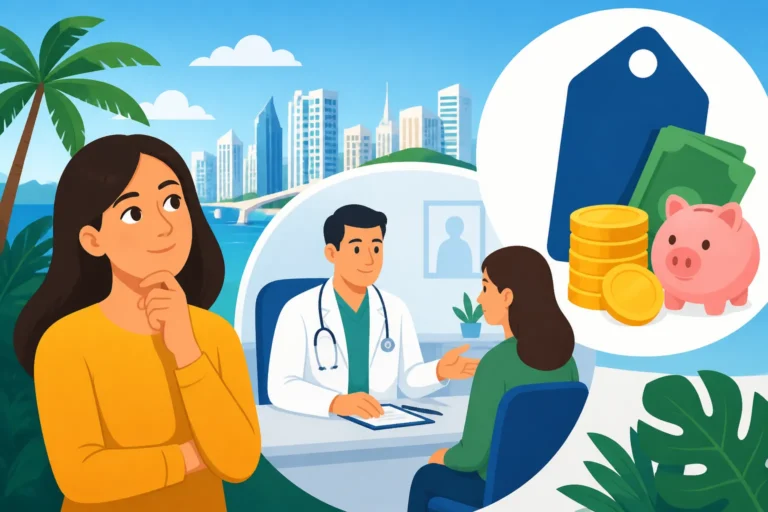
One of the biggest anxieties for any expat, and believe me, I've been there, is figuring out how healthcare costs actually work in a new country. Panama's system, while offering quality care, can be a labyrinth of out-of-pocket expenses, co-pays, and deductibles that feel entirely different from what you might be used to. This comprehensive guide is here to shed light on those often-confusing financial aspects of healthcare in Panama, helping you budget and prepare for the inevitable medical needs that arise during your life here.
Decoding Out-of-Pocket Expenses in Panama
When you're settling into Panama, the phrase "out-of-pocket expenses" might send a shiver down your spine. It simply refers to any medical costs you have to pay yourself, directly to the provider, not reimbursed by your insurance. This isn't unique to Panama, of course, but the way it's structured, and how frequently it comes up, can definitely catch newcomers off guard. It’s crucial to understand that even with robust private health insurance, you'll almost always have some level of direct payment. This could be for a small co-pay, a percentage of a larger bill (co-insurance), or covering costs that your specific policy simply doesn't cover. Sometimes, it's also because a doctor or facility isn't in-network with your insurer, meaning you pay upfront and then seek reimbursement – a process that can be tedious, to say the least.
The Panamanian healthcare landscape is a blend of public and private services. While the public system, the Caja de Seguro Social (CSS), is generally more affordable, it often comes with longer wait times and more basic facilities. The private sector, which many expats lean on, provides top-tier care, but naturally, these services come at a higher price point, making understanding your out-of-pocket responsibilities even more critical. Ignoring these potential costs is like building a house without a foundation – it looks good until the first big rain.
Common Scenarios for Unexpected Costs
Let me tell you, it's the little things that often add up and surprise you. You might walk into a private clinic feeling a bit under the weather, see a doctor, get a prescription, and think your insurance covers it all. Then, you're hit with a bill for something you didn't expect. For instance, many private doctors in Panama operate independently within clinics or hospitals. While the facility might be covered by your insurance, the individual doctor's fee might be subject to a co-pay or even require full upfront payment if they're not directly contracted with your specific plan.
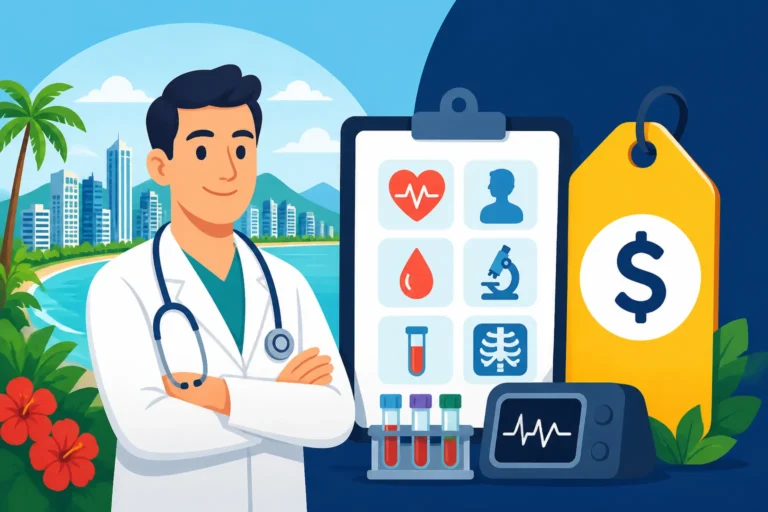
Another common scenario involves diagnostic tests and procedures. Your doctor might recommend a blood test or an MRI. Even if your insurance covers these, there could be a percentage you're responsible for, known as co-insurance. For example, if your policy has an 80/20 co-insurance clause, it means your insurer pays 80% and you pay the remaining 20%. For a major procedure or diagnostic imaging like an MRI, which can cost hundreds of dollars, that 20% can still be a significant chunk out of your wallet. Furthermore, if you need Emergency Medical Care in Panama: What Every Expat Needs to Know, even critical care often involves some form of co-pay or deductible. It's not uncommon for expats to face unexpected bills for things like emergency room facility fees or even certain medications administered during a visit that aren't fully covered.
The Importance of a Clear Cost Understanding
Navigating healthcare in Panama without a clear understanding of potential costs is a recipe for stress, especially when you're already feeling vulnerable. It's not enough to just have "insurance"; you need to know the details of your policy inside and out. This means reading the fine print, asking your insurance provider direct questions, and not being afraid to clarify billing with medical facilities before services are rendered, if possible. I know, I know, it's a pain, but better a pain in the admin than a pain in the wallet later.
A proper understanding allows you to budget effectively and avoid financial shocks. Imagine needing a specialist consultation – knowing you'll have a $20 co-pay versus a $100 co-pay helps you plan. Or, if you know your deductible is high, you might choose to visit a general practitioner for minor issues, paying a smaller fee out of pocket, rather than activating a more expensive claim. Having a handle on these details is also critical when comparing different insurance plans, or deciding if the public or private system is right for your needs. It's truly a cornerstone of managing The Cost of Healthcare in Panama: A Complete Breakdown for Foreigners (2026).
Understanding Co-Pays and Deductibles in Panamanian Private Insurance
Private health insurance is often the backbone of healthcare for expats in Panama. These plans offer access to modern facilities like Hospital Punta Pacifica and Hospital Nacional, highly-trained doctors, and often, English-speaking staff. However, they almost always come with co-pays and deductibles. These aren't just arbitrary fees; they're designed to share the cost of healthcare between you and your insurer, and they play a significant role in determining your overall out-of-pocket expenses. Getting a handle on how these work is perhaps the most important financial lesson for expats.
A deductible is the amount of money you must pay for covered medical expenses before your insurance plan starts to pay. Think of it as a barrier – once you've spent that amount on eligible services, your insurance kicks in. A co-pay (or copago in Spanish) is a fixed amount you pay for a covered health service after you've met your deductible (though some plans have co-pays that apply before the deductible for certain services, like primary care visits). These amounts can vary wildly depending on your specific plan and the type of service. For example, a visit to a general practitioner might have a $10 co-pay, while a specialist visit could be $25-$50.
Navigating Co-Pays for Doctor Visits and Specialists
When it comes to seeing a doctor or a specialist in Panama with private insurance, co-pays are a daily reality. For a standard consultation with a general practitioner in a private clinic, you can typically expect a co-pay ranging from $10 to $30. For specialists, like a cardiologist or a dermatologist, this can jump to anywhere from $25 to $50, sometimes even higher for highly specialized fields or very in-demand doctors. It's a small fixed cost, but it's important to remember that this is per visit. If you need follow-up appointments, those co-pays will apply each time.
For expats, the process often involves calling your insurance provider or checking their network list before making an appointment. Many private hospitals and clinics will have a list of insurance companies they work with. However, even if the clinic is "in-network," it's always wise to confirm that the specific doctor you're seeing also accepts your plan directly. Otherwise, you might end up paying the full consultation fee upfront and then having to file a reimbursement claim with your insurer, which can take time and effort. This is where understanding How to Choose Private Health Insurance in Panama (2027) becomes invaluable – a plan with a wide network of direct billing doctors makes life so much easier.
Meeting Your Deductible: What to Expect
The deductible is often the biggest hurdle in your out-of-pocket journey. For many private health insurance plans in Panama, deductibles can range from a few hundred dollars to several thousand dollars per year. Let's say your plan has a $1,000 annual deductible. This means that for the first $1,000 of covered medical expenses you incur in a policy year, you are responsible for paying 100% of those costs. Only once you've hit that $1,000 mark will your insurance company start paying their share, usually with co-insurance.
What does this look like in practice? Imagine you have a minor accident that requires X-rays and a visit to an orthopedic specialist. The total bill comes to $600. If your deductible is $1,000, you pay the entire $600 yourself. Later in the year, you need surgery that costs $5,000. You've already paid $600 towards your deductible, so you now owe the remaining $400 to meet your deductible. After that, your insurance would kick in, covering a percentage (e.g., 80%) of the remaining $4,600, while you would pay the other 20% in co-insurance. This is a common structure, and it highlights why it's so important to pick an insurance plan that aligns with your financial comfort level and potential health needs. Understanding Private Health Insurance Plans in Panama will give you a much clearer picture of how these mechanisms vary.
The Reality of Public Healthcare Costs (CSS)
Many expats, especially those on a tighter budget or those employed by Panamanian companies, will interact with the Caja de Seguro Social (CSS), Panama's public social security and healthcare system. On the surface, it often appears "free" or very low-cost, particularly if you're an employee contributing through payroll deductions. However, it's a misconception to think there are no out-of-pocket expenses when dealing with the CSS. The costs might not always be direct cash payments for a service, but they can manifest in other forms, such as time, frustration, and sometimes, indirect cash outlays that push you towards the private system.
The CSS is funded by contributions from employees, employers, and the government. If you are formally employed in Panama, your employer will register you and deduct contributions from your salary. This entitles you to access CSS hospitals, clinics, and pharmacies. While consultations and treatments are theoretically covered, the operational realities can lead to a very different experience compared to the private sector. Expect longer queues, older facilities, and sometimes a scarcity of certain specialized equipment or medications. This isn't to disparage the CSS, which serves a vital role for the majority of Panamanians, but it's important to set realistic expectations for expats.
Hidden Costs and Administrative Fees in the CSS
While you won't typically be handed a bill after a doctor's visit at a CSS facility, there are often "hidden" or indirect costs that many expats don't anticipate. One of the most significant is the cost of your time. Waiting in lines for appointments, consultations, or prescription refills can consume entire days. For an expat who might be self-employed or on a strict schedule, this time translates directly into lost income or productivity. You might find yourself paying for taxis repeatedly to travel to different CSS offices for various administrative steps, adding up over time.
Furthermore, some medications, particularly newer or specialized ones, might not be readily available at CSS pharmacies, or there might be stock shortages. In such cases, you might be prescribed a medication and then find yourself purchasing it at a private pharmacy, entirely out of pocket. Diagnostic tests might also have long wait lists, prompting some to opt for quicker, privately-paid tests if they can afford it. So, while direct payment at the point of service is rare, the combination of administrative hassle, potential medication gaps, and the sheer time commitment represents a significant indirect out-of-pocket expense for many. It's a stark contrast often discussed in Public vs Private Healthcare in Panama: What Expats Need to Know.
When Public System Limitations Lead to Private Out-of-Pocket Spending
This is where many expats, myself included, find themselves making tough decisions. You might start your healthcare journey with the CSS, especially if you're employed and contributing. However, if you face an urgent health issue, a need for specialized care with a long waiting list, or simply can't cope with the delays and bureaucracy, you might decide to seek private care. This decision immediately shifts you into the realm of private out-of-pocket spending.
For instance, if a CSS doctor refers you to a specialist, but the next available appointment is months away, and your condition requires more immediate attention, you might opt to pay privately for a consultation with that same specialist or another one. Suddenly, you're paying for a private doctor's fee, potentially private diagnostic tests, and whatever follow-up treatments are needed, all directly out of your pocket or through a private insurance plan if you have one. This scenario often plays out in areas requiring rapid diagnosis or treatment, or for complex conditions. While How to Register with the CSS (Caja de Seguro Social) in Panama is a vital step for many, it's essential to understand that it doesn't always negate the need for private options and their associated costs.
Factors Influencing Your Out-of-Pocket Spending
The amount you actually end up paying out of your own wallet for healthcare in Panama isn't just a random number; it's influenced by several key factors. Understanding these can help you make informed decisions and better manage your finances. It's about being proactive, not reactive, when it comes to your health and your budget. From where you live to whether you have insurance at all, each element plays a significant role.
One major factor is your choice of healthcare provider and facility. As we've touched upon, the private system generally costs more than the public system. Within the private system itself, there's a range. A small, local clinic in a rural area might have lower consultation fees than a gleaming, state-of-the-art hospital in Panama City. Your insurance coverage, or lack thereof, is another colossal determinant. And of course, the nature of your medical condition – a routine check-up versus a surgical procedure – will drastically impact the total bill.
Type of Facility and Location Differences
Where you seek medical attention in Panama can have a huge impact on your out-of-pocket costs. Panama City, being the capital and a hub for medical tourism, boasts numerous high-quality private hospitals like Hospital Punta Pacifica, Hospital Nacional, and Centro Médico Paitilla. These facilities offer advanced technology, comfortable private rooms, and often a higher concentration of English-speaking staff. However, their prices reflect this premium service. A specialist consultation or a hospital stay in Panama City will almost certainly be more expensive than a comparable service in, say, David or Santiago.
Even within Panama City, there can be price differences between clinics and hospitals. A standalone specialist clinic might charge less for a consultation than seeing the same specialist within a large hospital complex, simply due to overheads. If you live in a rural area or a smaller town, you might find that basic healthcare is more affordable, but access to highly specialized care might require travel to the city, adding transportation and accommodation costs to your medical expenses. For those living outside the capital, it's wise to research local private clinic costs; often, they are significantly lower than those in the city while still offering good quality care for many conditions.
The Impact of Not Having Health Insurance
Let's be brutally honest: going without health insurance in Panama is a gamble, and not a smart one. While medical care in Panama is generally more affordable than in countries like the US, it's by no means cheap, especially for serious conditions. What Happens If I Get Sick Without Insurance in Panama? is a question that can lead to severe financial hardship. A routine doctor's visit might only set you back $30-$60, and a basic blood test $20-$40, which might seem manageable. But what if you need emergency surgery, are diagnosed with a chronic illness, or suffer a serious accident?
Without insurance, you are 100% responsible for every single cent of your medical bills. A night in a private hospital could easily run into hundreds or thousands of dollars, and complex surgeries or long-term treatments can quickly accumulate into tens of thousands. This is a debt that can wipe out savings, force you to leave the country, or even impact your ability to receive future care. While Panamanian private hospitals will provide emergency care regardless of your ability to pay upfront, they will certainly expect payment afterward. This is why getting at least a basic level of coverage, even an international travel and medical plan like SafetyWing for short-term stays, is a non-negotiable for most expats.
The Role of International Health Insurance
For many expats, especially those not employed by a Panamanian company, international health insurance is the preferred solution. These plans offer comprehensive coverage, often globally or regionally, and can be tailored to include direct billing with many private hospitals and clinics in Panama. The key benefit here is reducing your upfront out-of-pocket payments significantly. With a good international plan, once you meet your deductible, your insurer often pays the provider directly for a large portion of the bill, leaving you only with your co-pays or co-insurance.
International plans like those offered by SafetyWing are specifically designed with the expat and digital nomad lifestyle in mind. They understand that you might travel frequently and need coverage beyond Panama's borders. They also often come with features like emergency medical evacuation, which is a massive relief for anyone living abroad. While they have their own deductibles and co-pays, they significantly mitigate the risk of catastrophic medical bills. When comparing options, always look into what level of international coverage is available, whether it covers pre-existing conditions, and how their direct billing and reimbursement processes work. The goal is to make healthcare as seamless and financially predictable as possible, wherever you are.
Strategies for Managing Healthcare Costs
Okay, so we've identified the potential financial pitfalls. Now, let's talk about what you can actually do to manage these out-of-pocket costs and make your healthcare journey in Panama a bit smoother. It's not about avoiding care, but about being smart and proactive with your planning and interactions with providers and insurers. These strategies can save you significant money and a lot of headaches in the long run.
One of the most powerful tools in your arsenal is information. Don't be shy about asking questions regarding costs before any major treatment. Understanding your insurance policy deeply is also critical. Beyond that, there are practical steps you can take, from negotiating bills to maintaining an emergency fund, that can truly make a difference. Remember, knowledge is power, and in a foreign healthcare system, it's also peace of mind.
Negotiating with Providers and Understanding Itemised Bills
It might feel a bit awkward, but in the private healthcare sector in Panama, there can sometimes be room for negotiation, especially for larger bills or if you are paying entirely out of pocket. Don't assume the first price you're given is the final one. For example, if you're undergoing a procedure and are paying cash, ask if there's a discount for prompt payment or if you can bundle services. It's not always guaranteed, but a polite inquiry never hurts.
More importantly, always ask for an itemised bill (a factura detallada or desglose de gastos). This is absolutely crucial. Unfortunately, billing errors can happen anywhere, and Panama is no exception. With an itemised bill, you can review every charge and ensure that you're only paying for the services and medications you actually received. If you see something you don't understand or that seems incorrect, question it immediately. This process can be particularly helpful when you need to How to Claim Reimbursement from Private Insurance in Panama, as insurers often require detailed breakdowns of expenses.
Emergency Funds and Budgeting for Healthcare
Regardless of how robust your insurance policy is, having an emergency fund specifically for healthcare is a brilliant idea when living in Panama. As we've discussed, deductibles, co-pays, and co-insurance mean you'll almost certainly have some out-of-pocket expenses. An emergency fund provides a buffer, so you're not caught off guard by a sudden medical bill. Aim to have enough saved to cover your annual deductible at a minimum, plus a little extra for unexpected co-pays or medications.
When budgeting, consider a realistic monthly allocation for healthcare. This isn't just for emergencies; it's also for routine visits, over-the-counter medications, and perhaps even dental cleanings that might not be fully covered. Even with a good international plan like SafetyWing, you'll still encounter small cash payments. Think about your family's health history, your age, and any specific needs you might have. If you know you have a chronic condition, budget for regular specialist visits and prescription refills. Proactive budgeting helps turn unexpected medical costs into manageable expenses.
Exploring Supplementary Insurance Options
Sometimes, your primary insurance might not cover everything, or perhaps it has a very high deductible for certain types of care. This is where supplementary insurance can come into play. For instance, if your main health plan focuses on major medical events but has limited coverage for dental or vision, you might consider purchasing a separate, more affordable plan specifically for those needs. Panama has a thriving dental tourism industry, and while costs are lower, an additional dental plan can still be a smart move.
Another consideration, especially for those who travel frequently, is a good travel medical insurance policy, like those offered by SafetyWing. While not a substitute for comprehensive health insurance, these plans can cover medical emergencies that occur while you're outside of Panama, filling potential gaps in a geographically restricted plan. Some international health plans also offer riders or add-ons for specific coverages. Always review your existing policy to identify any potential gaps and then explore supplementary options to ensure you're as protected as possible. It's about building layers of security for your health and finances.
Real-Life Examples and What to Ask
Understanding out-of-pocket costs is much easier when you can visualize it. Let's walk through a couple of hypothetical scenarios that are quite common for expats in Panama. These examples will highlight how deductibles and co-pays actually apply, and crucially, what questions you should always be ready to ask. Being prepared with the right questions is truly your best defense against unexpected bills.
Panama's private healthcare system is generally efficient and modern, particularly in urban centers. But the financial mechanisms are often where the differences lie for foreigners. So, arm yourself with information and never assume your local knowledge applies directly here. The goal is to feel confident, not confused, when you walk out of a clinic.
Hypothetical Scenarios: A Doctor Visit vs. a Minor Procedure
Scenario 1: Routine Doctor Visit for a Cold
You wake up with a nasty cold, coughing and sneezing. You have private insurance with a $500 annual deductible and a $25 co-pay for general practitioner visits (co-pays for GP visits often apply before the deductible).
- Action: You book an appointment with a private GP at Clínica Pacifica.
- Cost: The GP consultation fee is $60. Your insurance plan states a $25 co-pay for GP visits.
- Your Out-of-Pocket: You pay $25 directly to the clinic. Your insurance covers the remaining $35 of the consultation fee. This $35 does NOT usually count towards your deductible if the co-pay applies upfront.
- Prescription: The doctor prescribes antibiotics and cough syrup. You pick them up at a private pharmacy.
- Your Out-of-Pocket: You pay the full cost of the medications (e.g., $30) at the pharmacy, as most insurance plans don't cover prescription drugs for minor ailments without a separate rider, or you might have a separate pharmacy co-pay/deductible.
- Total Out-of-Pocket: $25 (co-pay) + $30 (meds) = $55.
Scenario 2: Minor Injury Requiring X-ray
You twisted your ankle hiking in El Valle and suspect a sprain, or worse. You have the same insurance: $500 annual deductible, $25 GP co-pay, and 20% co-insurance after the deductible is met.
- Action: You go to Hospital Nacional's emergency department. They evaluate you, take an X-ray, and refer you to an orthopedist.
- Cost:
- Emergency Room Facility Fee: $100
- Doctor's Fee (Emergency Physician): $80
- X-ray: $70
- Orthopedist Consultation: $70
- Total bill: $320
- Your Out-of-Pocket: Since you haven't met your $500 deductible yet, you pay the entire $320. This $320 now counts towards your deductible, leaving $180 remaining on your deductible for the year.
- Follow-up: The orthopedist prescribes pain medication and suggests physical therapy.
- Your Out-of-Pocket: You pay for the medication (e.g., $20) and the initial physical therapy session (e.g., $45) as per the individual provider's charges, again, until your deductible is met or your insurance specifically covers these with a co-pay.
- Total Out-of-Pocket (so far): $320 + $20 (meds) + $45 (PT) = $385.
These examples clearly show how expenses add up, especially before a deductible is met. This makes a strong case for always knowing How Much Does Private Health Insurance Cost in Panama in 2026? and choosing a plan that offers good value for your expected needs.
Essential Questions to Ask Before Treatment
This is your cheat sheet. Before any non-emergency treatment, or even after an emergency if possible, get comfortable asking these questions. It will save you from major financial surprises.
| Question (English) | Question (Spanish) | Why it's important |
|---|---|---|
| What is the estimated total cost for this service/procedure? | ¿Cuál es el costo total estimado de este servicio/procedimiento? | Gets a baseline price before you commit. |
| Does my insurance cover this? | ¿Mi seguro cubre esto? | Confirms if it's a covered benefit. |
| What will my co-pay/deductible/co-insurance be? | ¿Cuál será mi copago/deducible/coseguro? | Clarifies your direct financial responsibility. |
| Do I need to pay upfront, or can you bill my insurance directly? | ¿Necesito pagar por adelantado, o pueden facturar directamente a mi seguro? | Determines if you'll need cash on hand or if direct billing is an option. |
| Is the doctor/specialist in-network with my insurance? | ¿El doctor/especialista está en la red de mi seguro? | Crucial for avoiding higher out-of-network costs or full upfront payment. |
| Are there any separate fees (e.g., facility fees, lab fees)? | ¿Hay tarifas separadas (por ejemplo, tarifas de instalaciones, tarifas de laboratorio)? | Uncovers potential hidden charges not covered by your main bill. |
| Can I get an itemised bill? | ¿Puedo obtener una factura detallada? | Essential for verifying charges and for insurance claims. |
| What is the follow-up process and associated costs? | ¿Cuál es el proceso de seguimiento y los costos asociados? | Helps you plan for future appointments and expenses. |
| Is there a cash discount if I pay in full today? | ¿Hay un descuento por pago en efectivo hoy? | Can sometimes save you money on larger bills if you're paying without insurance or before deductible is met. |
Asking these questions, politely but firmly, will empower you. Don't let the language barrier or cultural norms prevent you from protecting your financial health. Many clinics in expat-heavy areas or major hospitals will have English-speaking staff who can help you. Always remember, you are your own best advocate when it comes to navigating The Complete Guide to Healthcare in Panama for Expats (2027).
Disclaimer
Please remember that I am an expat blogger sharing general advice based on personal experience and publicly available information. Healthcare regulations, insurance policies, and costs in Panama can change. It is essential to consult with qualified legal, financial, and insurance professionals for personalized advice regarding your specific situation. Always verify information directly with healthcare providers and insurance companies.