What Areas Are Best for Families with Young Children in Panama?
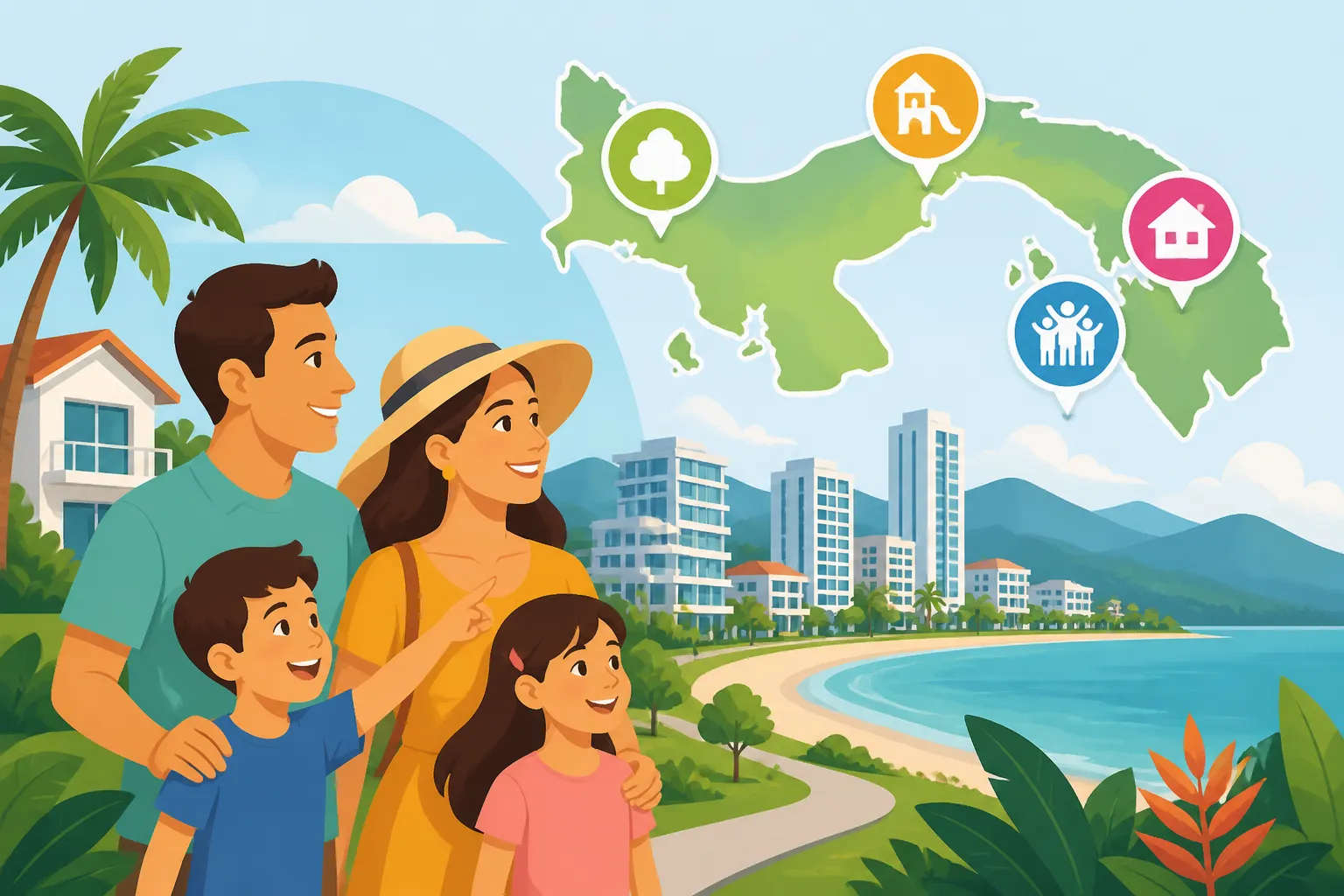
Moving to a new country with young children is a monumental undertaking, and one of the biggest anxieties for any expat parent is finding that perfect spot where your little ones can thrive. It’s not just about a roof over your head; it’s about schools, safety, playgrounds, and a sense of community. This guide is here to walk you through the very real considerations and give you the inside scoop on the best family-friendly areas in Panama, drawing on years of expat experience.
Prioritizing Family Needs: What Matters Most When Choosing a Home?
When you’re looking to set down roots in a new place, especially with small children in tow, the criteria often shift dramatically from what a single person or a couple without kids might consider. You’re not just thinking about your commute or the nearest bar; you’re envisioning school runs, weekend activities, and emergency access. It’s a whole different ballgame, and Panama offers a fascinating mix of urban and rural possibilities.
Safety and Community Vibe
Let's be honest, safety is usually at the top of every parent's list. You want to feel comfortable letting your kids play outside, or at least feel secure within your chosen neighborhood. In Panama, this can mean a few different things. In some areas, it might translate to gated communities with 24/7 security, while in others, it's more about a tight-knit community where neighbors look out for each other.
The "vibe" is equally crucial. Are you looking for a quiet, suburban feel where children ride bikes and neighbors chat over fences? Or do you prefer a more urban environment with easy access to museums and cultural events, accepting that green spaces might be fewer and further between? Panama City, like any major metropolis, has its bustling areas and its calm oases. Outside the city, the pace slows considerably, and the sense of community in smaller towns can be incredibly strong, almost like stepping back in time to a simpler era. It's about weighing your comfort level with the local rhythm and ensuring it aligns with your family's lifestyle.
Education and Schools
This is often the make-or-break factor for many expat families. Panama has a diverse educational landscape, but the quality and availability of schools, particularly international ones, vary significantly by location. For younger children, preschools and kindergartens are abundant in Panama City, but finding ones with an international curriculum or English-speaking teachers outside the capital can be a challenge.
Many expat families gravitate towards areas with a concentration of reputable international schools. These schools often follow American or International Baccalaureate (IB) curricula, offer bilingual education, and have excellent facilities. However, they come with a significant price tag. For those considering local Panamanian schools, it’s a different experience, often fully in Spanish, and the teaching methodologies can differ greatly from what you might be used to. Understanding the options is key, and it's something you'll want to research thoroughly. To dive deeper into the educational landscape, you might want to read our guide on Schools and Education in Panama: A Complete Guide for Expat Families.
Healthcare Access
Another critical consideration, especially with young children who are prone to unexpected sniffles, scrapes, or fevers, is proximity to reliable healthcare. Panama City boasts several top-tier private hospitals like Hospital Punta Pacifica and Hospital Nacional, along with numerous specialist clinics. These facilities often have English-speaking staff and state-of-the-art equipment.
However, once you venture outside the capital, the options become more limited. While major towns like David or Santiago have decent hospitals, specialized pediatric care or emergency services might not be as readily available as they are in Panama City. For families with specific medical needs or just a desire for peace of mind, being close to comprehensive medical facilities is a huge plus. It’s worth exploring guides like The Complete Guide to Healthcare in Panama for Expats (2027) to understand the system fully, or even How to Find an English-Speaking Doctor in Panama to get started on your search.
Panama City's Best Bets for Families
Panama City is a sprawling, vibrant metropolis, and within its various districts, you can find vastly different environments. For expat families, certain areas consistently rise to the top due to their amenities, infrastructure, and international communities.
Clayton: Green Spaces and International Schools
Clayton is almost universally regarded as a prime spot for expat families, and for very good reasons. This area, once a U.S. military base, retains a distinctly North American suburban feel. Think wide, tree-lined streets, large homes with spacious yards, and an abundance of green spaces. It's a stark contrast to the high-rise concrete jungles found elsewhere in the city.
Pros for Families:
- Safety: Clayton feels incredibly safe. It's relatively secluded from the main city hustle, and many areas have a strong neighborhood watch feel.
- Green Spaces: The Metropolitan Natural Park is practically on its doorstep, offering hiking trails and opportunities to spot wildlife. There are numerous smaller parks and recreational areas perfect for kids to run around.
- Schools: Home to some of Panama’s most prestigious international schools, such as Balboa Academy and the Metropolitan School of Panama (MET), making school runs incredibly convenient for residents. This is a huge draw for families keen on maintaining an international education standard. You might find our guide on Understanding the Cost of International and Private Schools in Panama useful here.
- Community: A strong expat community often organizes family-friendly events and activities, making it easier to integrate and for kids to make friends.
- Traffic: While still Panama City, traffic within Clayton itself is generally much lighter than in other districts.
Cons for Families:
- Cost: Real estate in Clayton, whether for rent or purchase, tends to be on the higher end due to its desirability and amenities.
- Distance: It’s a bit removed from the very center of Panama City, meaning longer drives for certain activities or nightlife (though for families with young kids, this might not be a "con" at all!).
- Limited Public Transport: While you can get a taxi or use ride-sharing apps, public transport options are less robust compared to more central districts.
Costa del Este: Modern Living with Amenities
If Clayton represents a green, tranquil oasis, Costa del Este is its modern, meticulously planned counterpart. This area, built on reclaimed land, is characterized by sleek high-rise residential towers, wide boulevards, and a wealth of amenities. It's designed with convenience and a contemporary lifestyle in mind.
Pros for Families:
- Infrastructure: Everything is new here – roads, parks, sidewalks. It's easy to navigate, and the infrastructure is generally excellent.
- Amenities Galore: You’ll find shopping malls, supermarkets (Riba Smith is popular), excellent restaurants, movie theaters, and specialty stores all within a short distance. Many residential buildings also boast incredible amenities like pools, playgrounds, and even private cinemas.
- Schools: Several international schools, including the Panama Preparatory School, have campuses in or near Costa del Este, making it another convenient option for expat children.
- Recreation: The Paseo del Mar, a beautiful oceanfront promenade, is perfect for cycling, jogging, or simply strolling with a stroller. There are also numerous well-maintained parks.
- Feeling of Safety: While a bustling area, Costa del Este benefits from organized security within its residential towers and common areas, contributing to a secure feeling.
Cons for Families:
- High-Rise Living: Most residential options are apartments in towers. If your family dreams of a house with a private yard, Costa del Este might not be the best fit.
- Traffic: During rush hour, the main avenues can get very congested, despite the wide roads.
- Less "Authentic" Feel: Some expats feel Costa del Este lacks a bit of the traditional Panamanian charm, feeling more like a North American suburb transplanted to Panama.
- Cost: Similar to Clayton, properties in Costa del Este command premium prices. You can get an idea of potential costs by looking at How Much Does It Cost to Rent an Apartment in Panama City in 2026?.
San Francisco and Coco del Mar: Established and Convenient
These adjacent neighborhoods offer a more established, central Panama City experience while still providing excellent family amenities. They are a blend of older homes, newer apartment buildings, and a vibrant street life.
Pros for Families:
- Central Location: San Francisco and Coco del Mar are incredibly central, putting you within easy reach of pretty much everything Panama City has to offer – hospitals, shopping, restaurants, and entertainment.
- Omar Park: This massive urban park is a lifeline for families, offering vast green spaces, playgrounds, running tracks, and cultural events. It’s a fantastic resource for kids to burn off energy.
- Diverse Housing: You'll find a mix of older, more spacious homes and modern apartment buildings, offering more varied price points and living styles than the newer, more uniform districts.
- Amenities: These areas are packed with local businesses, pharmacies, clinics, and supermarkets, making daily errands a breeze.
Cons for Families:
- Traffic and Noise: Being central, these areas can be very busy, with more traffic and urban noise than places like Clayton.
- Less Green Space (outside Omar Park): While Omar Park is fantastic, direct access to green spaces outside the park is more limited, especially if you're living in an apartment.
- Older Infrastructure: Some parts of San Francisco, especially the older residential streets, might have older infrastructure compared to the pristine newness of Costa del Este.
Escaping the City: Family-Friendly Options Outside Panama City
While Panama City offers undeniable conveniences, many expat families dream of a slower pace, cooler climates, or a life closer to nature. Panama delivers with several attractive options outside the capital.
Boquete: Mountain Serenity and Outdoor Adventures
Nestled in the highlands of Chiriqui province, Boquete is famous for its eternal spring climate, lush coffee plantations, and vibrant expat community. It's a world away from the humidity and hustle of Panama City, offering a tranquil, nature-rich environment perfect for active families.
Pros for Families:
- Climate: The cooler mountain climate is a huge draw, allowing for more outdoor activity year-round without the intense heat and humidity of the lowlands.
- Nature and Activities: Boquete is an outdoor paradise. Think hiking, river rafting, zip-lining, bird watching, and exploring coffee farms. It’s fantastic for raising adventurous kids.
- Community: There's a well-established and very active expat community in Boquete, making it easy for newcomers to connect and for children to find friends. Many community events are family-focused.
- Slower Pace of Life: Life here moves at a much more relaxed pace, which can be a huge relief for families looking to escape the rat race.
- Affordability: Generally, the cost of living in Boquete, especially for housing, is more affordable than in Panama City. However, imported goods or specialty items can still be pricey. You can compare this with The Complete Guide to Cost of Living in Panama for Expats (2026).
Cons for Families:
- Limited International Schools: While there are some smaller private schools and homeschooling networks, the choice of international schools is significantly less than in Panama City. Parents might need to consider local schools or alternative education methods.
- Healthcare Options: While Boquete has clinics and a hospital in nearby David, complex medical issues might require a trip back to Panama City. It's something to seriously consider, especially with young children.
- Distance: Boquete is about a 6-7 hour drive from Panama City, or a short flight to David (the provincial capital) followed by a 45-minute drive. This distance can be a factor for specialized services or travel.
- Connectivity: While internet is generally available, the reliability and speed might not always match urban standards. For parents working remotely, this is an important factor. Ensure you have a solid backup for connectivity – services like Airalo can be invaluable for maintaining connection if your main internet goes down or you're on the move, offering eSIM data plans.
Coronado and the Pacific Beaches: Coastal Living for Relaxation
If mountains aren't your scene, Panama's Pacific Coast offers a different kind of retreat. Coronado, often referred to as "the beach," is one of the oldest and most established expat communities outside Panama City. It's a hub for beach lovers and those seeking a resort-style life.
Pros for Families:
- Beach Access: Direct access to beautiful Pacific beaches for swimming, surfing, and relaxing. Many gated communities offer private beach access.
- Amenities: Coronado boasts supermarkets, pharmacies, restaurants, a few clinics, and even a large shopping center (Coronado Mall), catering well to the expat community.
- Gated Communities: A strong presence of secure, gated communities with shared pools, playgrounds, and social areas. These can be great for families, fostering a sense of security and community.
- Leisure Activities: Golf courses, equestrian centers, and a relaxed, vacation-like atmosphere.
Cons for Families:
- Heat and Humidity: The coastal climate is hot and humid year-round, which might not suit all families, especially those with very young children sensitive to heat.
- School Options: Similar to Boquete, international school options are very limited. Most expat families either homeschool or send their children to smaller private schools that may not offer an international curriculum.
- Seasonal Crowds: During Panamanian holidays and weekends, the beaches and amenities can get very crowded as city dwellers escape to the coast.
- Healthcare: While there are local clinics, serious medical issues would likely require a two-hour drive to Panama City's top hospitals.
- Cost: While not as expensive as Panama City's prime areas, housing in desirable gated communities can still be significant.
Practical Considerations for Your Family's Move
Beyond just the neighborhood, there are numerous logistical elements that shape the daily lives of families in Panama. Getting these right can make all the difference in a smooth transition.
Transportation and Connectivity
How will you get your kids to school, to the doctor, or to weekend activities? In Panama City, the Metro is a fantastic resource, connecting many key areas, but its reach isn't universal. Buses (Metrobuses) are plentiful but can be confusing for newcomers, and taxis/ride-sharing apps are widely available. However, for many families, especially those with young children and needing to transport car seats, having your own vehicle is almost essential. Acquiring a driver's license in Panama is a process, so you should understand How to Get a Panamanian Driver's Licence.
Outside the city, a car becomes even more critical. Public transport is less developed, and distances between services can be considerable. Internet connectivity is also a modern necessity, whether for remote work, school assignments, or simply staying in touch with family back home. Most urban and popular expat areas offer reliable fiber optic internet, but it's always wise to check specific building or community provisions. Consider getting an international eSIM from providers like Airalo upon arrival for immediate data access before you set up a local plan. This can be a lifesaver for navigation and communication during those initial, chaotic days.
Cost of Living and Budgeting
Raising children anywhere comes with costs, and Panama is no exception. School fees, healthcare, extracurricular activities, and even groceries for growing appetites can add up. While Panama is generally considered more affordable than North America or Western Europe, certain items, especially imported goods and international school tuition, can be surprisingly expensive.
It's vital to create a realistic budget that accounts for these family-specific expenses. Housing will likely be your biggest outlay, followed by education and then potentially transportation if you opt for a car. Our article, The Complete Guide to Cost of Living in Panama for Expats (2026), can provide a detailed breakdown to help you plan your finances more accurately. Don't forget to factor in unexpected costs that always seem to pop up when you're settling into a new country.
Navigating the Relocation Process
Moving with a family involves more than just packing a few suitcases. There are school applications, visa processes, possibly shipping household goods, and finding a suitable home. This can be an overwhelming experience for anyone.
Using reliable moving services can alleviate much of the stress. Companies like Sirelo offer comparison services for international movers, helping you find reputable companies to handle your belongings, making the transition smoother. They often have experience with the specific logistics of moving to Central America, which can save you a lot of headaches. Moreover, securing temporary accommodation upon arrival is often a smart first step, allowing you to get a feel for different neighborhoods before committing to a long-term rental or purchase. You might want to explore options in How to Rent an Apartment in Panama Before I Arrive? to make your initial landing easier.
Comparing Family-Friendly Locations in Panama
To give you a clearer picture, here's a table comparing some of the key aspects of these popular family-friendly areas:
| Feature | Clayton | Costa del Este | San Francisco / Coco del Mar | Boquete | Coronado |
|---|---|---|---|---|---|
| Vibe | Quiet, suburban, green, expat-centric | Modern, planned, urban, high-end | Established, bustling, central, mixed | Mountain, tranquil, nature, expat-heavy | Beach, resort-like, relaxed, seasonal |
| Safety | Very high, quiet streets | High, especially in secure towers | Good, but more urban vigilance needed | Very high, strong community | High, especially in gated communities |
| Schools (Intl) | Excellent (Balboa, MET) | Good (Panama Prep, near others) | Good (many within short drive) | Limited international options | Very limited international options |
| Healthcare | Access to city's best (20-30 min drive) | Access to city's best (10-20 min drive) | Direct access to city's best | Limited, some clinics, David hospital | Limited, some clinics, city 2 hrs away |
| Amenities | Parks, small shops, nearby malls | Malls, shops, restaurants, ocean promenade | Omar Park, restaurants, shops, malls | Hiking, coffee tours, local markets | Beaches, golf, supermarkets, restaurants |
| Green Space | Abundant, close to Metropolitan Park | Oceanfront promenade, urban parks | Omar Park (central hub) | Abundant, lush mountains, rivers | Beaches, gated community gardens |
| Cost of Living | High | High | Moderate to High | Moderate | Moderate to High |
| Traffic | Relatively low | High during rush hour | High | Low | Moderate, seasonal spikes |
| Transportation | Car essential, limited public options | Car recommended, bus service | Metro & bus access, walkable sections | Car essential | Car essential |
Choosing the right area for your family in Panama is a deeply personal decision, influenced by your budget, lifestyle, and priorities for your children's upbringing. Whether you seek the urban convenience of Panama City or the natural beauty of the highlands or coast, Panama truly offers a spectrum of environments for expat families.
Disclaimer
The information provided in this guide is for general informational purposes only and does not constitute professional advice. While we strive to ensure accuracy and timeliness, regulations, costs, and availability of services can change rapidly in Panama. We recommend consulting with local experts, such as real estate agents, legal professionals, and educational advisors, for personalized advice before making any decisions related to your relocation.