What Is the Cost of Living for a Single Person in Panama City?
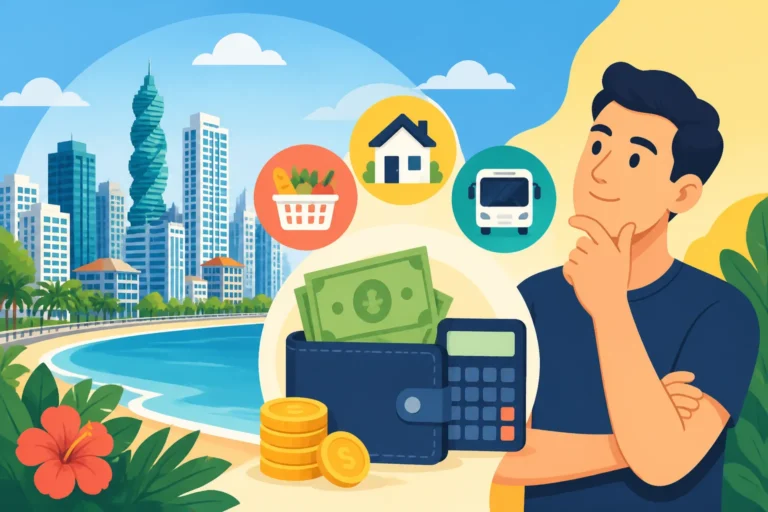
Alright, let's talk brass tacks about living solo in Panama City. So many folks arrive here with visions of super-cheap, idyllic island living, only to hit the reality of a bustling, cosmopolitan capital. If you’re a single person planning to make Panama City your home, you're probably wondering what your monthly budget is really going to look like. This guide will walk you through the nitty-gritty, offering a realistic breakdown of expenses so you can plan effectively and avoid those inevitable expat "aha!" moments.
Housing and Utility Expenses: Your Biggest Consideration
Let's be honest, where you live and what kind of place you pick will be the single biggest factor in your monthly outlay. Panama City, like any major capital, has a wide range of options, and the prices reflect that diversity. Don't let anyone tell you otherwise; city living comes with city prices.
Renting an Apartment in Panama City
The cost of renting an apartment for a single person can swing wildly depending on the neighborhood and whether you opt for furnished or unfurnished. If you're eyeing prime areas like Punta Pacifica, Paitilla, or Costa del Este, you're going to pay a premium. These areas are modern, often have incredible amenities like pools and gyms, and cater heavily to expats and upper-income locals. For a decent 1-bedroom apartment in one of these areas, you could be looking at anywhere from $900 to $1,500 or even more per month, especially if it's furnished and has ocean views.
However, if you're willing to explore slightly older but still very vibrant neighborhoods like El Cangrejo, Obarrio, or parts of Bella Vista, you can find more affordable options. Here, a comfortable 1-bedroom, often in a high-rise with some basic amenities, might run you $700 to $900. These areas offer a fantastic mix of local life, restaurants, and convenience. Even more budget-friendly options can be found in areas like San Francisco or along parts of Via Porras, where a small apartment might dip to $600, though they might require a bit more searching and might not include all the modern luxuries. Be prepared for landlords to ask for a security deposit, typically one or two months' rent, and often the first month's rent upfront. This initial outlay can be a shock, so factor it into your moving budget. For a deeper dive, check out our guide on How Much Does It Cost to Rent an Apartment in Panama City in 2026?.
Essential Utility Bills and Connectivity
Once you've secured your pad, you'll need to get those utilities set up. Electricity is almost always the biggest utility expense, especially if you, like most expats, rely heavily on air conditioning. Panama City is hot and humid year-round, and running AC constantly will see your electricity bill soar. For a single person in a 1-bedroom apartment, if you’re judicious with your AC use (only at night, or only in one room), you might keep it to $50-$100. However, if you love to keep your entire apartment chilly 24/7, that bill can easily climb to $150-$250 or more. You'll definitely want to understand How Much Does Electricity Cost per Month in Panama? to manage this.
Water bills are generally quite low, usually in the $10-$30 range. Gas, if your stove and water heater run on it, might be another $10-$20 a month. Internet is crucial for most expats, and providers like Cable Onda (now Tigo) and Cable & Wireless (now +Movil) offer reliable service. You can expect to pay anywhere from $40-$70 for a decent speed internet package. Bundles that include basic cable TV might push that a bit higher. Getting these services activated can sometimes feel like navigating a labyrinth, so it's good to know The Expat Guide to Setting Up Utilities Electricity, Water, Internet in Panama.
Daily Living: Groceries, Transport, and Mobile Communication
This category is where your lifestyle choices truly shine through (or burn through your wallet). Panama City offers everything from budget-friendly local fare to high-end imported goods, and your spending will reflect your preferences.
Navigating Panama City's Food Scene and Grocery Shopping
Panama City has a fantastic array of supermarkets. You’ll find familiar names like Riba Smith, Super 99, and El Rey. Riba Smith is generally considered more upscale, carrying a wider range of imported goods and specialty items, which naturally come with higher price tags. Shopping there regularly can quickly add up. Super 99 and El Rey offer more local products and are generally more budget-friendly. For a single person, a monthly grocery bill focusing on fresh produce, local meats, and some staples could be around $250-$400. This assumes you cook most of your meals at home.
However, a huge part of the Panamanian experience is eating out! From casual fondas (small, local eateries) where you can get a hearty lunch for $5-$8, to mid-range restaurants costing $20-$30 per person, to upscale dining, the options are endless. If you enjoy dining out frequently, your food budget will increase significantly. Buying fresh fruits and vegetables at local markets like the Mercado de Mariscos (for seafood too!) or the massive Merca Panama can save you a pretty penny and is a fun cultural experience.
Getting Around: Public Transport, Taxis, and Car Ownership
Panama City’s public transportation has come a long way. The Metro is clean, efficient, and expanding, connecting key areas of the city. The Metrobus system covers a wider network. Both require a reusable Rapi-pass card, which you load with credit. A single Metro or Metrobus ride typically costs $0.35 to $0.50. If you live and work along the Metro lines, your monthly transport costs could be as low as $20-$40. It's truly a game-changer for navigating the city, and our guide on How Do I Use the Metro in Panama City? can provide more details.
Taxis are plentiful, but it's important to negotiate the fare before you get in, as meters are rarely used. Uber and similar ride-sharing apps are very popular and often more convenient and transparent, with typical rides costing $4-$10 within city limits. If you rely heavily on ride-sharing, budget $100-$200+ per month. Owning a car adds substantial costs: purchase price (new or used), mandatory vehicle inspection (revisado), annual registration, insurance (which can be pricey), and, of course, petrol. While having a car offers freedom, it's a significant financial commitment and often unnecessary for solo city dwellers, especially with the improving public transport.
Staying Connected: Mobile Plans and Internet
Keeping in touch with friends, family, and the world is essential. Panama has several mobile providers, including Tigo, +Movil, and Digicel. You can get prepaid plans (recargas) which offer flexibility, or opt for a post-paid contract. For a single person, a good prepaid plan with decent data and local calls/texts might cost $15-$30 a month. If you’re coming in fresh and just need to get connected right away, an eSIM from a provider like Airalo can be a lifesaver for immediate data access upon arrival, letting you get your bearings before committing to a local plan. It’s perfect for that initial period when you’re still getting your local documents in order.
For your home internet, as mentioned under utilities, prices range from $40-$70. Speed and reliability are generally good in most urban areas. When choosing a provider, look at their customer service reputation in your specific neighborhood, as it can vary. Understanding What Is the Best Internet Provider in Panama? can help you make an informed decision.
Healthcare, Personal Care, and Entertainment
Beyond your basic needs, how much you spend on health, looking good, and having fun will really define your lifestyle here. Panama offers a blend of affordable local services and more expensive international options.
Understanding Healthcare Costs and Options
Healthcare in Panama is generally of good quality, especially in Panama City, with numerous modern private hospitals and clinics. As a single expat, understanding your options is crucial. While Panama has a public healthcare system (CSS), most expats opt for private care due to shorter wait times and access to English-speaking doctors. A typical visit to a private doctor can cost anywhere from $30-$80, sometimes more for specialists. Medications are generally affordable.
The big question is health insurance. Do I Need Private Health Insurance in Panama? is a common concern. While you're not strictly required to have it if you plan to pay out-of-pocket, it's highly recommended for major medical emergencies or long-term care. Local private health insurance plans can range from $70-$200+ per month for a single person, depending on your age, coverage, and deductible. International plans are an option too, often offering broader coverage but at a higher cost. Without insurance, a medical emergency could quickly deplete your savings, so budgeting for some form of coverage is wise. For more details on this, explore How Much Does a Doctor Visit Cost in Panama?.
Personal Care, Wellness, and Fitness
Keeping up with personal grooming and staying fit are part of a balanced expat life. A haircut for a man might cost $10-$25, while a woman’s cut and style could be $25-$60 or more, depending on the salon. Manicures and pedicures are relatively inexpensive, often around $15-$30 for a combo. Massage services can be found for $30-$60 for an hour.
Gym memberships vary widely. Basic gyms might cost $30-$50 per month, while more upscale fitness centers with pools and extensive classes could be $70-$120+. Many apartment buildings in Panama City include a gym as part of their amenities, which can save you this expense. If you're into outdoor activities, Cinta Costera offers miles of walking, jogging, and biking paths for free, along with outdoor exercise equipment.
Leisure, Dining Out, and Socializing
This is where your budget can quickly expand or contract based on your preferences. Panama City has a vibrant nightlife, excellent restaurants, and plenty of cultural activities. A dinner out at a nice, mid-range restaurant could easily be $25-$50 per person, especially with drinks. Casual lunches or dinners at more local spots, as mentioned before, are much cheaper. If you enjoy a daily coffee shop visit, factor in $3-$5 per cup. Socializing at bars for drinks can add up, with cocktails usually costing $8-$15 each.
Movies are relatively inexpensive, around $5-$8 per ticket. Cultural events, concerts, or theatre tickets might range from $15-$50. Weekend trips outside the city – perhaps to the beaches of Coronado, the mountains of Boquete, or the Pearl Islands – will incur travel, accommodation, and activity costs. A modest weekend trip might be $100-$300, depending on the destination and your choices. Overall, a good budget for entertainment for a single person who enjoys going out a few times a week, takes a class, or does occasional weekend trips might be $200-$500 per month.
The Less Obvious Costs: Visa, Setup, and Miscellaneous
Beyond the recurring monthly expenses, there are often one-off or less frequent costs that can catch you off guard if you haven't planned for them. These are especially prevalent when you're first settling in.
Initial Visa, Residency, and Administrative Fees
Moving to Panama means dealing with immigration, and that comes with costs. Depending on the visa you pursue (like the Friendly Nations Visa or the Pensionado Visa), you'll have lawyer fees, government application fees, and potentially other administrative charges. These can range from a few thousand dollars initially to ensure you get your residency sorted correctly. While not a monthly cost, it's a significant upfront investment that needs to be factored into your total relocation budget. It's a journey that can be complex, and you can learn more about it in our comprehensive guide The Complete Guide to Moving to Panama: Your First 90 Days (2027).
You'll also need to get official translations and apostilles for your documents, which adds another layer of expense and time. Keep in mind that some processes might require multiple visits to immigration offices, potentially incurring transport costs and time off work.
Furnishing Your New Home and Unexpected Expenses
If you opt for an unfurnished apartment, the cost of furniture and appliances can be substantial. While you can find affordable items at local stores like Do It Center or through expat community groups, furnishing an entire apartment can easily run into thousands of dollars. Even if you choose a furnished place, there might be small things you need to buy to make it feel like home, from kitchenware to linens.
Then there are the general "life happens" expenses. Perhaps a plumbing issue, a new wardrobe for the Panamanian climate, or an unexpected flight back home. It’s always wise to have an emergency fund. For larger moves, if you’re bringing furniture or a significant number of boxes from your home country, services like Sirelo can help you compare quotes from international moving companies, ensuring you get the best deal for shipping your belongings to Panama. This can be a huge initial cost, but vital for making your new place feel like home. Also, don't forget about professional cleaning services if your rental contract requires it when you move out, or for occasional deep cleans.
Estimated Monthly Cost of Living for a Single Person in Panama City
Here’s a rough breakdown of what a single expat might spend monthly in Panama City. Keep in mind, these are estimates and your actual costs will depend entirely on your lifestyle, habits, and choices.
| Category | Budget-Friendly Estimate (USD) | Mid-Range Estimate (USD) |
|---|---|---|
| Rent (1-bed apartment) | $600 – $800 | $800 – $1,200 |
| Utilities (Elec, Water, Gas, Internet) | $120 – $180 | $180 – $280 |
| Groceries | $250 – $350 | $350 – $450 |
| Transport (Public/Uber) | $50 – $100 | $100 – $200 |
| Mobile Phone | $15 – $25 | $25 – $40 |
| Healthcare (Insurance/Out-of-pocket) | $70 – $150 | $150 – $250 |
| Personal Care & Wellness (Gym, salon) | $40 – $80 | $80 – $150 |
| Entertainment & Dining | $150 – $300 | $300 – $600 |
| Miscellaneous/Buffer | $100 – $200 | $200 – $400 |
| Total Monthly Estimate | $1,455 – $2,285 | $2,685 – $4,520 |
Panama City isn't necessarily a "cheap" place to live if you want a comfortable, Western-style lifestyle. However, it offers excellent value compared to many North American or European cities. By making conscious choices about where you live, how you shop, and how often you indulge in luxuries, you can certainly manage your budget effectively. Most single expats find that a comfortable life requires a minimum of $1,800 to $2,500 per month, with more disposable income allowing for a much richer experience.
Disclaimer
Please note that this guide provides general information based on typical expat experiences and current market conditions in Panama City. Prices and regulations can change rapidly. It is always recommended to conduct your own thorough research, consult with local experts, and get up-to-date quotes for specific services and expenses before making any financial decisions or relocating.