How to Access Mental Health Services in Panama as an Expat
Moving to a new country like Panama is incredibly exciting, but let's be real: it also brings a whole heap of stress, loneliness, and often, unexpected mental health challenges. It's perfectly normal to feel overwhelmed, isolated, or even depressed when you're away from your usual support systems and navigating a new culture. This guide is here to walk you through how to access mental health services in Panama as an expat, helping you find the support you need to thrive.
Understanding the Mental Health Landscape in Panama for Expats
When you're trying to figure out mental health support in a foreign country, it feels like stumbling in the dark sometimes. Panama has its own unique way of approaching mental well-being, and it’s certainly different from what many of us might be used to back home. It's not always straightforward, but understanding the lay of the land is the first step.
Cultural Perceptions of Mental Health
One of the biggest hurdles many expats face isn't just finding a therapist, but the prevailing cultural attitudes towards mental health itself. In Panama, like in many Latin American countries, there can still be a stigma attached to seeking psychological help. While younger generations are certainly more open, older generations might view mental health struggles as personal weaknesses or something to be kept within the family, rather than a medical condition requiring professional intervention. This can sometimes make it harder to find sympathetic ears in day-to-day interactions or even from some healthcare providers who aren't specialized in mental health.
This cultural backdrop means that while services exist, they might not be as openly discussed or advertised as you'd find in, say, North America or parts of Europe. It also means that when you do seek help, you might encounter professionals who lean more towards a medical model of treatment, focusing on medication, rather than a purely talk-therapy approach. It’s important to manage your expectations and be proactive in articulating your needs clearly.
Availability of Services: Public vs. Private
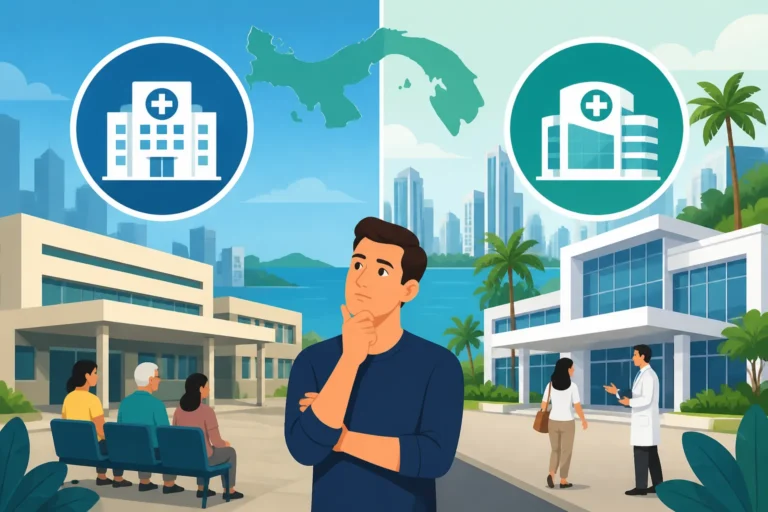
Panama has both public and private mental health services, but the experience for an expat can vary wildly between the two. The public system, primarily managed by the Caja de Seguro Social (CSS), does offer mental health support, including psychiatric consultations and some therapy options. However, these services are often stretched thin, particularly in areas outside of Panama City, and can come with significant wait times. Language can also be a major barrier, as most public sector professionals primarily speak Spanish. For a more detailed look at the broader healthcare system, you might want to read our guide on How Panama's Health System Works: CSS and Private Care Explained (2027).
On the other hand, the private sector offers a much wider range of options, more readily available appointments, and a higher likelihood of finding English-speaking professionals. This is where most expats will likely find themselves seeking support, despite the higher costs. The quality of care in the private sector is generally very good, with many professionals trained internationally. Think of it as a spectrum: public is more accessible but less tailored to expat needs, while private is more expensive but offers specialized, often English-speaking care.
Language Barriers and Finding Support
Even if you’re conversational in Spanish, discussing your deepest fears, anxieties, and complex emotional states in a second language can be incredibly challenging, and sometimes even counterproductive. It's difficult to articulate nuances, and you might feel misunderstood, which can exacerbate feelings of isolation. This is why finding an English-speaking mental health professional is often a top priority for expats.
While it requires a bit more searching, particularly outside of Panama City, there are indeed many excellent English-speaking therapists and psychiatrists available. They often cater specifically to the expat community, understanding the unique stressors of relocation, cultural adjustment, and living away from home. Networking within expat groups, online forums, and asking for recommendations are invaluable tools here. Don’t underestimate the power of simply talking to another expat who has gone through something similar – sometimes just knowing you’re not alone is a huge relief.
Navigating Private Mental Health Care Options
For most expats in Panama, the private mental health sector will be your primary port of call. It offers a degree of accessibility, choice, and often, linguistic comfort that the public system struggles to match. It might feel daunting to navigate at first, but with a bit of guidance, you can find the right fit.
Finding English-Speaking Therapists and Psychiatrists
The good news is that Panama City, being such an international hub, has a growing number of mental health professionals who are fluent in English, and some even specialize in expat issues. Many of these professionals have trained abroad or have extensive experience working with international clients. The key is knowing where to look. Online directories like Psychology Today (which has an international section) are excellent resources for finding therapists by language and specialty. You can also ask for recommendations in expat Facebook groups specific to Panama or through local expat community organizations. Doctors at prominent private hospitals, such as Hospital Punta Pacifica or Hospital Nacional, may also have referral lists, though their mental health departments might be limited mostly to psychiatry. Remember, finding the right connection is crucial, so don’t hesitate to schedule initial consultations with a few different professionals to see who you click with. Our guide on How to Find an English-Speaking Doctor in Panama might offer some general tips that can also apply to mental health specialists.
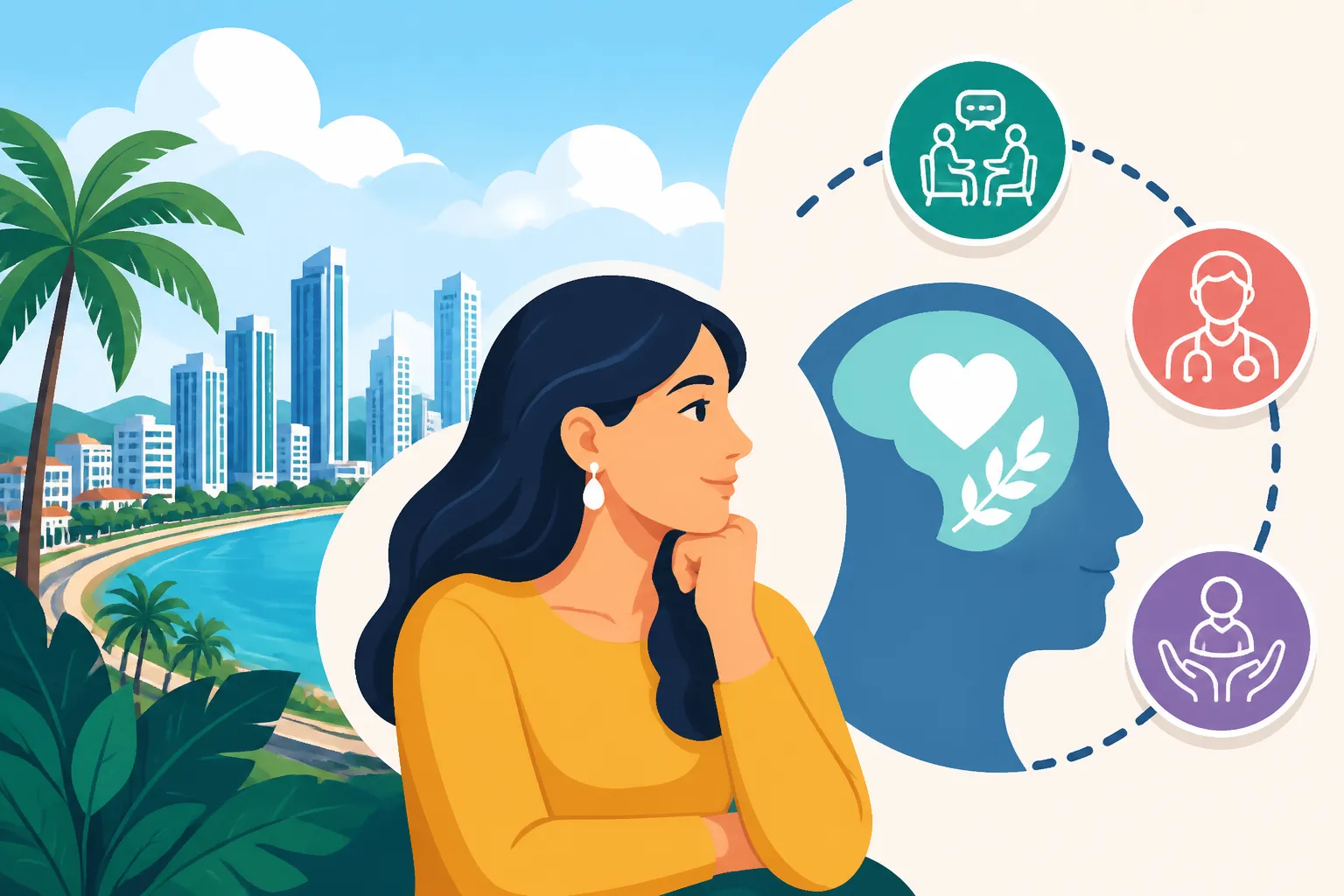
Types of Private Mental Health Professionals
In the private sector, you'll encounter a variety of professionals, each with a distinct role. Understanding these differences can help you seek the right kind of support:
- Psychologists/Therapists: These professionals typically hold a master's or doctorate degree in psychology and provide psychotherapy (talk therapy). They can help with a wide range of issues, from anxiety and depression to relationship problems, grief, and cultural adjustment challenges. They cannot prescribe medication.
- Psychiatrists: Psychiatrists are medical doctors who specialize in mental health. They can diagnose mental illnesses, provide psychotherapy, and crucially, prescribe and manage medication. If you suspect you might need medication for conditions like severe depression, anxiety, or bipolar disorder, a psychiatrist is the professional to see. Often, a combination of therapy with a psychologist and medication management with a psychiatrist is the most effective approach.
- Counselors/Coaches: While less regulated, many expats find value in working with counselors or life coaches, especially for navigating career changes, expat integration, or specific life transitions. Ensure they have relevant qualifications and experience, as the term "coach" can be used very broadly.
It's common for people to start with a psychologist if they're unsure whether medication is needed, and then be referred to a psychiatrist if the therapist deems it necessary.
Cost of Private Therapy and Consultations
Let's talk money, because that's often a major factor. Private mental health services in Panama are generally more affordable than in North America or Western Europe, but they are still a significant expense, especially if you require ongoing sessions.
Here's a general idea of what you might expect:
| Service Type | Estimated Cost (USD per session/consultation) | Notes |
|---|---|---|
| Psychologist (Therapy Session) | $50 – $120 | Varies based on experience, location (Panama City vs. interior), and duration. |
| Psychiatrist (Initial Consultation) | $80 – $150 | Often longer than follow-up appointments. |
| Psychiatrist (Follow-up) | $60 – $100 | Typically shorter sessions for medication management. |
| Group Therapy | $20 – $50 | Less common but can be very cost-effective if available. |
These are just averages, and prices can fluctuate. Remember that these are typically out-of-pocket costs, though some private health insurance plans may offer partial reimbursement, which we'll discuss later. Always confirm the fees upfront when booking your initial appointment. Compared to the general Cost of Healthcare in Panama: A Complete Breakdown for Foreigners (2026), mental health services can be a noticeable part of your budget if not covered by insurance.
Exploring Public Sector Mental Health Services (CSS)
While the private sector tends to be the preferred choice for expats due to language and accessibility, it’s worth understanding how the public system, run by the Caja de Seguro Social (CSS), functions. It exists, and for some, it might be the only viable option, but it comes with a different set of challenges.
How CSS Mental Health Services Work for Expats
If you are legally employed in Panama and contribute to the CSS, or if you're covered as a dependent under a CSS contributor, you are technically eligible for public healthcare services, including mental health. The CSS operates a network of clinics (policlínicas) and hospitals across the country. To access mental health services, you would typically start by seeing a general practitioner (GP) at your assigned policlínica, who would then refer you to a psychiatrist or psychologist within the CSS system. For an overview of this system, refer to The Complete Guide to Healthcare in Panama for Expats (2027).
The services available usually include psychiatric consultations, basic psychological evaluations, and sometimes group therapy. Medication, if prescribed by a CSS psychiatrist, is often available at a reduced cost or even free through CSS pharmacies. This can be a significant advantage if medication is a long-term requirement.
Challenges and Limitations of Public Care
Let's not sugarcoat it: accessing mental health care through the CSS can be a trying experience for an expat. The most prominent challenges include:
- Language Barrier: The vast majority of CSS staff, from receptionists to doctors, will only speak Spanish. This can be incredibly difficult when trying to explain complex emotional issues.
- Wait Times: Appointments, especially with specialists like psychiatrists, can involve long waiting lists. It's not uncommon to wait weeks or even months for an initial consultation, and follow-up appointments can be equally spaced out. This isn't ideal for acute issues requiring immediate attention.
- Bureaucracy: The CSS system can be bureaucratic and require multiple visits and paperwork. This process can be frustrating even for native Spanish speakers.
- Limited Scope of Services: While essential services are provided, the range of therapeutic approaches or specialized therapies (e.g., CBT, DBT, EMDR) might be more limited than what's available in the private sector.
- Privacy Concerns: While medical confidentiality is a principle, the public system can feel less private due to crowded waiting rooms and a faster pace of consultations.
If your Residence Status Affects Health Coverage in Panama, understanding these limitations is crucial when considering your options.
When Public Care Might Be an Option
Despite the challenges, the public system might be a consideration in specific circumstances:
- Long-Term Medication Management: If you have a stable mental health condition that primarily requires ongoing medication and less intensive therapy, and you are fluent in Spanish or have a trusted person to accompany you, the CSS could be a cost-effective way to get your prescriptions filled.
- Financial Constraints: For those on a very tight budget, the CSS offers the most affordable healthcare option. You will need to weigh the potential cost savings against the potential frustration and delays.
- Severe Crisis (with caveats): In an absolute emergency, public hospitals will provide care. However, for mental health crises, the general emergency room might not be equipped for specialized psychiatric intervention, and language can again be a critical barrier during a vulnerable time.
For most expats seeking proactive or preventative mental health support, especially for issues like adjustment disorder or general anxiety, the private sector is almost always a more suitable and effective route.
The Role of Health Insurance in Mental Health Coverage
Understanding how your health insurance plays into mental health services in Panama is absolutely critical. It can significantly impact your access to care and your out-of-pocket expenses. This is an area where being proactive and informed truly pays off.
Panamanian Private Insurance and Mental Health
If you have a local private health insurance plan in Panama, the extent of mental health coverage can vary greatly. Some plans offer decent coverage for psychiatric consultations and therapy sessions, while others might have very limited benefits or exclude certain conditions altogether. It's imperative to scrutinize your policy documents carefully or speak directly with your insurance provider to understand:
- Coverage Limits: Is there an annual maximum for mental health benefits? Is it per condition, or a total for all mental health services?
- Type of Professionals Covered: Does it cover psychologists, psychiatrists, or both?
- Session Limits: Is there a cap on the number of therapy sessions per year?
- Deductibles and Co-pays: What are your out-of-pocket responsibilities before the insurance kicks in, and what percentage do you pay per visit?
- Waiting Periods: Some plans have waiting periods before mental health benefits become active, especially for pre-existing conditions.
Brands like ASSA, Sura, or Mapfre, which are common in Panama, offer a range of plans, but mental health coverage often needs to be specifically chosen or comes with higher-tier plans. Don't assume. Always get clarification in writing. For a broader view, check out Health Insurance in Panama: Private and International Options Explained.
International Health Insurance Options
Many expats opt for international health insurance, which often provides more comprehensive coverage and greater flexibility, particularly for mental health. These plans are designed for people living abroad and understand the need for English-speaking services and often include mental health as a core benefit. When considering international plans, look for those that explicitly cover:
- Outpatient mental health services: This includes therapy sessions with psychologists and consultations with psychiatrists.
- Inpatient psychiatric care: While hopefully never needed, this covers hospital stays for mental health conditions.
- Telehealth/Online Therapy: Many international plans, especially forward-thinking ones like SafetyWing, offer coverage for virtual consultations, which can be incredibly convenient, especially if you live in a more remote area of Panama or prefer to stick with a therapist from your home country. SafetyWing is known for its travel medical insurance and has options that can cover some mental health support.
- Worldwide coverage: This ensures you're covered not just in Panama, but potentially if you travel back home for a period or to other countries.
It’s worth noting that while policies like SafetyWing can provide a safety net for unexpected medical needs and some mental health support, you'll still need to read the fine print to understand the full scope of their mental health benefits, particularly for long-term therapy or pre-existing conditions. Always verify with the insurer directly.
Understanding Out-of-Pocket Costs and Reimbursement
Even with insurance, you’ll almost certainly encounter out-of-pocket expenses due to deductibles, co-pays, or services not fully covered. Most private mental health professionals in Panama operate on a pay-as-you-go model, meaning you pay them directly at the time of service. You will then need to submit a claim to your insurance company for reimbursement.
To facilitate reimbursement, ensure you:
- Get a detailed invoice: The invoice should include the therapist's name, license number, date of service, type of service (e.g., psychotherapy session), and the cost.
- Understand your claim process: Each insurance company has its own procedure for submitting claims. This might involve online portals, email, or mailing physical forms.
- Keep copies: Always keep copies of all invoices and submitted claim forms for your records.
This process can feel like a chore, but it's essential for getting your money back. Some international insurance providers, like SafetyWing, aim to make this process as smooth as possible, but it still requires your active participation. If you're wondering about the specifics, our article on How to Claim Reimbursement from Private Insurance in Panama provides a deeper dive into the general process.
Alternative and Supplementary Support Systems
Mental health care isn't just about clinical appointments. Especially as an expat, building a robust support network and exploring complementary avenues can be just as vital for your overall well-being. Panama offers various options, both formal and informal, that can supplement traditional therapy.
Online Therapy and Telehealth Services
For many expats, online therapy has become an absolute game-changer. It offers several significant advantages, particularly when living in Panama:
- Accessibility: You can connect with a therapist from anywhere in Panama, whether you're in bustling Panama City, serene Boquete, or coastal Coronado, without worrying about transport or specific clinic locations. This is incredibly helpful if you're in a more remote area where English-speaking therapists might be scarce.
- Wider Choice: You're not limited to therapists physically located in Panama. You can continue seeing a trusted therapist from your home country or find one globally who specializes in expat issues, specific cultural backgrounds, or niche therapeutic approaches.
- Comfort and Privacy: Receiving therapy from the comfort and privacy of your own home can make it easier to open up.
- Cost-Effectiveness: While not always cheaper, competition in the online therapy space can sometimes lead to more affordable rates, and it eliminates travel costs and time.
Platforms like BetterHelp, Talkspace, or even independent practitioners offering virtual sessions are popular choices. Ensure that your chosen platform or therapist complies with privacy regulations (like HIPAA if they are US-based) and that your internet connection is reliable – which, thankfully, is generally good in Panama's urban areas. For those Working Remotely from Panama: The Definitive Expat Guide (2027), integrating online mental health support is often a natural extension of their remote lifestyle.
Expat Support Groups and Community Resources
Never underestimate the power of shared experience. Connecting with other expats who understand the unique challenges of living in Panama can be incredibly therapeutic. Expat support groups, whether formal or informal, provide a safe space to vent frustrations, share advice, and build a sense of community.
- Online Forums & Social Media: Facebook groups like "Expats in Panama," "Panama City Expats," or specific regional groups (e.g., "Boquete Expats") are vibrant communities where people share resources, ask for recommendations, and sometimes even organize meet-ups. While not professional therapy, these connections can combat loneliness and provide a much-needed sense of belonging.
- Local Organizations: Check with local churches, cultural centers, or expat clubs (e.g., American Society of Panama, Canadian Club) for any mental wellness initiatives, discussion groups, or social events.
- Meetup Groups: Search for "mindfulness," "wellness," "support group," or even hobby groups on platforms like Meetup.com. Engaging in shared activities can naturally reduce feelings of isolation and improve mood.
Building a strong local support network is paramount for your long-term well-being in Panama.
Wellness and Mindfulness Practices in Panama
Beyond clinical care, embracing local wellness practices or continuing your own mindfulness routines can significantly contribute to your mental resilience.
- Yoga and Meditation: Panama City has several yoga studios offering classes in English, and you can often find independent instructors or online classes catering to expats. Many studios offer introductory packages, making it easy to try them out.
- Nature and Outdoors: Panama is a country of incredible natural beauty. Spending time outdoors, whether hiking in El Valle de Antón, walking on the Cinta Costera in Panama City, or exploring the beaches, is scientifically proven to boost mood and reduce stress. Take advantage of the lush environment.
- Healthy Lifestyle: Focus on aspects you can control – a balanced diet (Panama has an abundance of fresh fruits and vegetables), regular exercise, and sufficient sleep. These are foundational elements of good mental health, regardless of where you are in the world.
- Learning Spanish: While language can be a barrier to clinical care, actively engaging in learning Spanish and immersing yourself in the local culture can also be a powerful tool against feelings of isolation and helplessness. Even taking a basic conversational Spanish class can open doors to new social connections and a deeper understanding of your new home. Learning the language can also make navigating other aspects of expat life easier, like finding a job, which we cover in The Expat Guide to Finding a Job in Panama (2027).
Remember, taking care of your mental health is not a luxury; it's an essential part of a healthy expat life. Don't hesitate to reach out for help and explore the many resources available to you in Panama.
Disclaimer
The information provided in this guide is intended for general informational purposes only and does not constitute professional medical, psychological, or legal advice. While efforts have been made to ensure accuracy and relevance, specific situations may vary. Always consult with a qualified mental health professional, medical doctor, or legal expert for advice tailored to your individual circumstances. We do not endorse any specific service, provider, or brand mentioned, beyond contextual illustration. Health insurance policies, coverage, and costs are subject to change, and direct verification with providers is always recommended.