What Is the Difference Between a Visa and Residency in Panama?
Navigating the immigration landscape in a new country, especially one as dynamic and welcoming as Panama, can feel like trying to untangle a bowl of spaghetti. One of the most common sources of confusion for newcomers is grasping the fundamental difference between a visa and residency. This guide is here to cut through the jargon and give you a clear, empathetic breakdown of what each means for your life in Panama.
Understanding the Basics: Visa vs. Residency
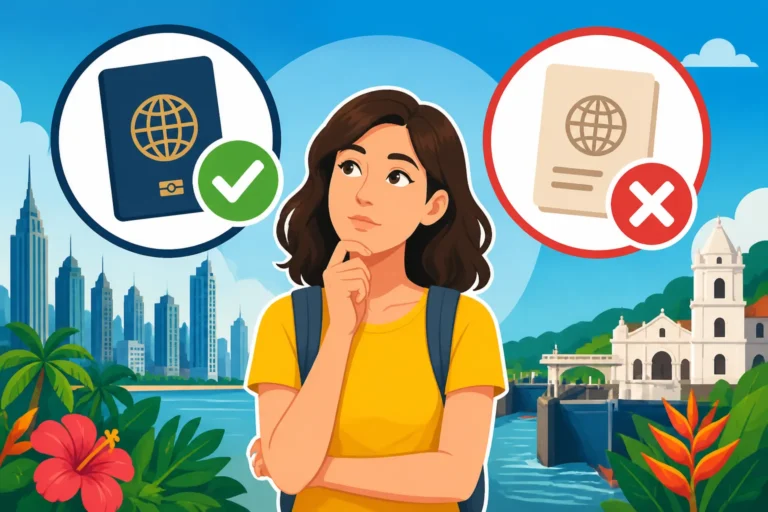
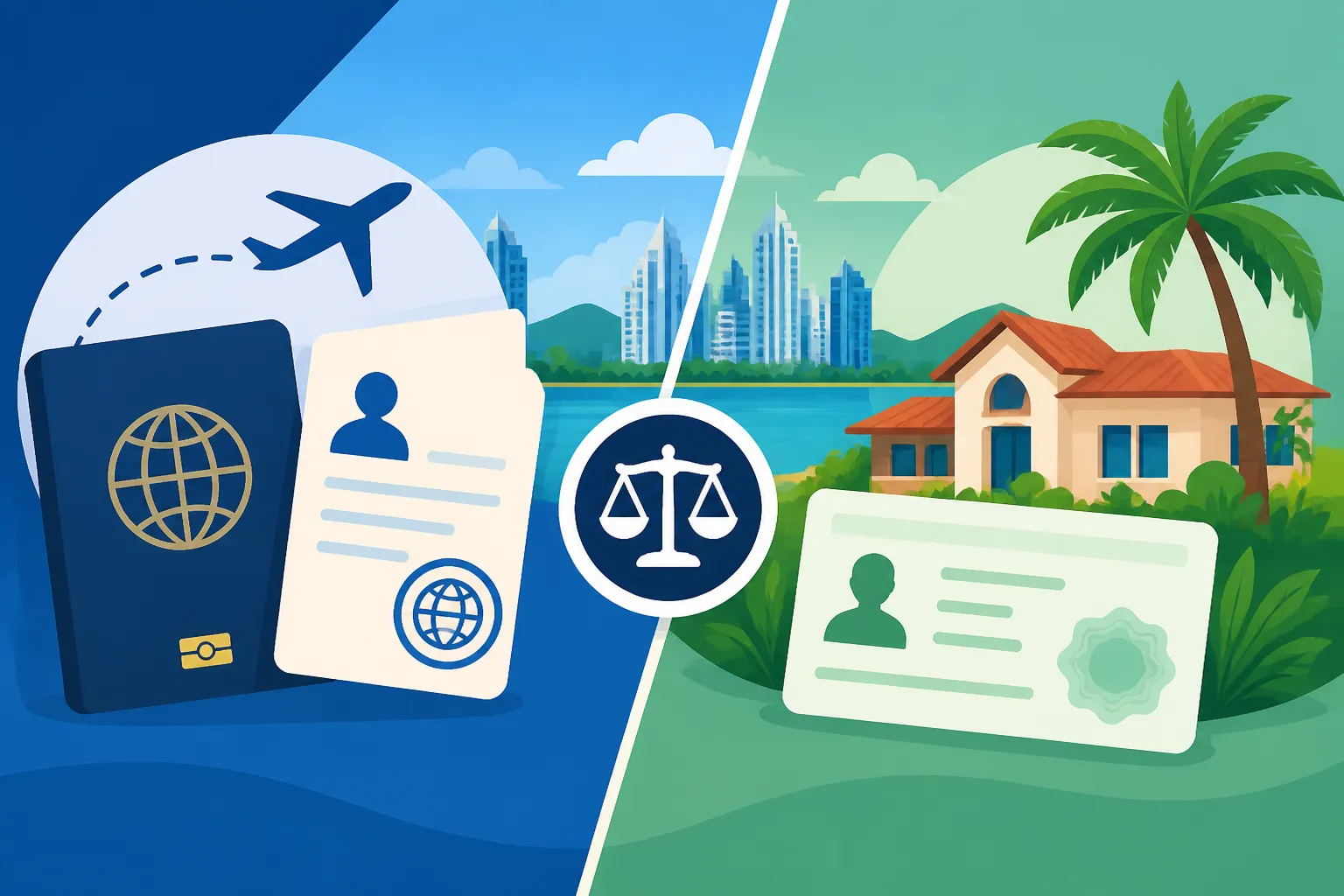
It’s easy to use "visa" and "residency" interchangeably when you're dreaming of a new life abroad, but in Panama, they represent very distinct stages of your immigration journey, each with its own purpose, duration, and a set of rights and responsibilities. Getting this distinction clear from the outset will save you a world of headaches and help you chart a realistic course for your Panamanian adventure.
What Exactly Is a Visa in Panama?
Think of a visa as a temporary permission slip that allows you to enter and stay in Panama for a very specific, limited purpose and duration. It’s typically stamped into your passport, indicating why you’re here and for how long. The most common type of visa for many foreigners is, of course, the tourist visa, which for many nationalities is granted upon arrival and allows stays of 90 to 180 days. This entry stamp is technically a "visa" in its simplest form.
The key takeaway for any visa is its temporary nature. Whether it's a standard tourist stamp, a business visa for a quick meeting, or even one of the newer, slightly longer-term options like the Digital Nomad Visa (which, while allowing a longer initial stay of up to nine months, is still fundamentally temporary), a visa is never intended to be your permanent ticket to living in Panama. It generally doesn't grant you the right to work, enroll in public services, or establish deep roots. It’s about visiting, exploring, or engaging in short-term activities. You’re essentially a guest, even if an extended one. Many expats, myself included, started their journey with just a tourist visa, using that initial period to explore different areas, get a feel for the culture, and gauge if Panama was truly the right fit before committing to the more involved process of seeking residency.
What Exactly Is Residency in Panama?
Residency, on the other hand, is a much more substantial and long-term immigration status. It signifies that the Panamanian government has granted you formal permission to live in the country for an extended period, often with the intent to establish permanent roots. Unlike a visa, which is a stamp in your passport, residency typically involves a more robust identification document, usually your Cedula (Panamanian ID card), and a specific residency card or stamp that reflects your status.
When you obtain residency in Panama, you're not just visiting; you're becoming a part of the fabric of the country. This status comes with a host of rights and responsibilities that a mere visa simply cannot offer. For instance, most residency programs, particularly those leading to permanent residency, grant you the right to work (either directly or after obtaining an associated work permit), access to the national healthcare system (CSS), and the ability to open bank accounts with fewer hurdles. It's about building a life, not just taking a long vacation. Panama offers a variety of paths to residency, from the ever-popular The Expat Guide to the Pensionado (Retiree) Visa in Panama (2027) to options like the Understanding the Friendly Nations Visa in Panama (2027) for professionals and business owners, or even residency through investment. Each path has its own set of requirements, but all lead to the same fundamental goal: the legal right to call Panama home.
The Path to Long-Term Living: Transitioning from Visa to Residency
This is where a lot of people get tangled up. It's natural to assume that if you're in Panama on a long-term visa, you can just "convert" it to residency. However, in many cases, it's not a direct conversion but rather a step-by-step process, or sometimes, a completely new application.
When a Visa Can Lead to Residency (and When It Can't)
For many, arriving on a tourist visa is the first real-world step into Panama. It allows you to explore, connect with local resources, and decide if this beautiful country is truly where you want to plant your flag. While you can’t simply convert a tourist visa into residency, you can use your time here on a tourist visa to initiate a residency application. This often means flying in, meeting with your immigration lawyer, gathering necessary local documents, and submitting your application while legally present in the country. Once your residency application is officially submitted, you typically receive a provisional residency, which allows you to remain in Panama legally while your full application is processed. This is where understanding How to Get Residency in Panama: The Full Guide (2027) becomes absolutely critical.
However, it's crucial to understand that not all visas are created equal. Some, like the recently introduced Digital Nomad Visa, offer a longer initial stay but are generally considered non-extendable and do not directly lead to permanent residency. They are designed for remote workers who want to experience Panama for a period, but not necessarily settle permanently. For paths like the Friendly Nations Visa or the Pensionado Visa, you often need to be physically present in Panama to submit your application, but you usually don't need a specific "pre-residency visa." Your immigration lawyer will guide you on the best entry strategy depending on your chosen path. The key here is not to overstay any visa, as that can complicate future immigration attempts immensely. Always consult with a reputable immigration attorney who specializes in Panamanian law to ensure you're on the right track.
The Role of Immigration Lawyers and Documentation
Let me tell you, as someone who’s been through it, attempting to navigate Panama’s immigration system solo is a recipe for immense frustration. This isn't like filing a simple form back home. The process for any type of residency is complex, document-intensive, and often requires legal representation. An experienced Panamanian immigration lawyer is not just recommended; they are practically mandatory. They will help you understand the specific requirements for your chosen residency category, such as The Complete Guide to Permanent Residency in Panama (2027), assist with document gathering, notarization, and apostille requirements (a major hurdle for many), and file all necessary paperwork with the National Immigration Service (SNM).
The sheer volume of documents needed can be daunting: police checks from your home country, marriage certificates, birth certificates, proof of income, bank statements, medical certificates, and more. And almost all of them need to be apostilled or legalized by the Panamanian consulate in your home country, then translated into Spanish by an authorized public translator here in Panama. It’s a marathon, not a sprint, and having a knowledgeable lawyer to guide you through each step, manage expectations, and liaise with government offices is invaluable. This is also where planning your move carefully comes in. Thinking about moving all your worldly possessions? Websites like Sirelo can help you find reputable international movers to Panama, a crucial step once you've secured your long-term residency and are ready to fully commit to your new life.
Key Differences and Practical Implications for Expats
Now that we’ve defined both, let’s explicitly lay out the differences and, more importantly, how these distinctions actually impact your daily life as an expat in Panama. This is where the rubber meets the road.
Work Rights and Economic Activity
This is arguably the most significant practical difference.
- With a Visa: Generally, a visa (especially a tourist visa) does not grant you the right to work in Panama. Engaging in paid employment or economic activity on a tourist visa is illegal and can lead to fines, deportation, and future immigration issues. Even with a Digital Nomad Visa, your work rights are strictly limited to working remotely for a foreign company, not for a Panamanian employer. If you’re caught freelancing locally or working under the table, you could face serious consequences.
- With Residency: Residency, particularly permanent residency or certain temporary residency categories, is the gateway to legal employment in Panama. However, it's not always a direct "right to work." Many residency programs require you to then apply for a separate work permit through the Ministry of Labor. The How to Get a Work Permit After Getting Residency in Panama article covers this in detail, but suffice to say, having residency significantly streamlines the work permit process or, in some specific cases like the Friendly Nations Visa with a local business incorporation, can grant direct work rights. This allows you to integrate into the local economy, whether by working for a Panamanian company, starting your own business, or practicing your profession.
Access to Public Services and Healthcare
Living in a country long-term means needing access to its essential services.
- With a Visa: Your access to public services will be extremely limited. For healthcare, you’ll primarily rely on private clinics and hospitals, paying out-of-pocket for all services. While Panama's private healthcare is excellent and often more affordable than in many Western countries, it can add up quickly without insurance. You won't be eligible for the national public healthcare system (Caja de Seguro Social, or CSS) or other social benefits. For education, if you have children, they would need to attend private schools.
- With Residency: Once you obtain legal residency and your Cedula, your eligibility for public services expands significantly. You can register with the CSS, which is Panama's social security and public healthcare system. While many expats still prefer private insurance (and I totally get why – it's a personal choice!), having CSS as an option provides a fundamental safety net. Your How Your Residence Status Affects Health Coverage in Panama is directly linked to whether you are a resident or not. Furthermore, children of residents can attend public schools, and you'll find it much easier to access local government services, participate in community initiatives, and generally feel more integrated. While permanent residents might access the local CSS, many expats, especially during their initial visa phase or even after securing residency, opt for international private health insurance like Cigna Global for peace of mind, knowing they're covered for a broader range of situations and potentially in other countries too.
Duration and Path to Permanent Status
This is a clear-cut difference between short-term permission and long-term commitment.
- With a Visa: Visas are inherently temporary. A tourist visa is typically for 90-180 days. A Digital Nomad Visa might offer up to 9 months, potentially renewable for another 9. But in all cases, there's an expiry date, and no direct, automatic path to permanent residence from these. You're expected to leave or apply for a different status before your visa expires.
- With Residency: Residency offers a much longer horizon. Initial temporary residencies typically last for 1 to 5 years, after which you can often apply to renew or transition to permanent residency. Once you have permanent residency, it's generally valid for longer periods (e.g., 10 years) and is renewable, effectively allowing you to live in Panama indefinitely, provided you maintain certain conditions. This is what truly enables you to build a life here without constant worry about your legal status. After a certain period of permanent residency, you can even begin the process for Panamanian Citizenship: How to Naturalise After Residency (2027).
To make it even clearer, here’s a simplified table comparing the key aspects:
| Feature | Visa (e.g., Tourist, Short-Stay) | Residency (e.g., Friendly Nations, Pensionado) |
|---|---|---|
| Purpose | Temporary entry, visit, short-term activity | Long-term stay, establishment of domicile |
| Duration | Weeks to months (e.g., 90-180 days, 9 months for DN) | Years (e.g., 1-5 years temporary, then permanent) |
| Work Rights | Generally NONE (illegal to work on tourist visa) | YES (often requires a separate work permit) |
| Local ID | Passport stamp, no local ID | Cedula (Panamanian ID card) |
| Access to CSS | NO | YES (after registration) |
| Bank Account | Possible, but often restricted and more difficult | Much easier and with full banking services |
| Property Buy | Possible, but due diligence complex without local presence | Easier, especially with lawyer & local ID; key for some visas |
| Path to Perm. | NO direct path | YES, often the stepping stone to permanent residency |
| Required Docs | Passport, return ticket, proof of funds | Extensive, including background checks, income proof, apostilled docs, medical |
| Legal Help | Usually not required for entry | Highly recommended, often mandatory for application |
Choosing Your Immigration Pathway: What's Right for You?
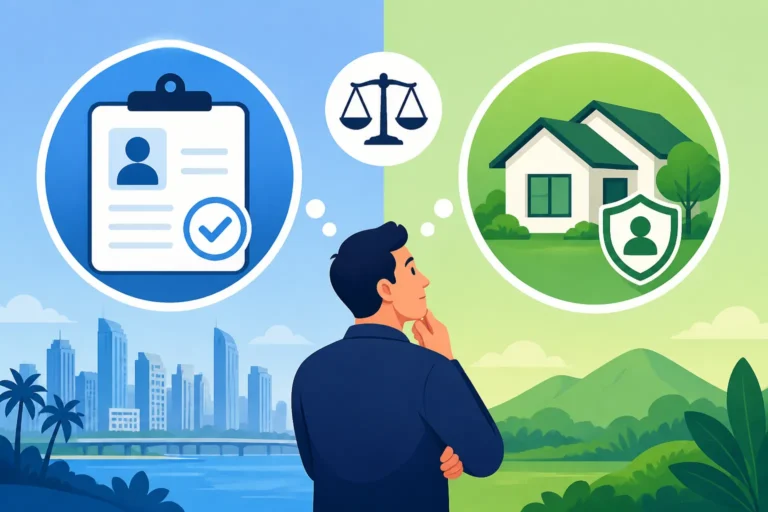
Deciding between a visa-only stay or pursuing residency is a deeply personal decision that hinges on your long-term goals and commitment to Panama. There’s no single "right" answer, only the path that aligns best with your dreams.
Short-Term Exploration vs. Long-Term Settlement
If you're still in the exploratory phase, perhaps trying to decide if Panama is the right place for you at all, then starting with a tourist visa is perfectly sensible. It gives you the freedom to travel, explore different regions like the bustling Panama City, the serene beaches of Coronado, or the cool mountains of Boquete, and get a real feel for daily life without committing to a lengthy and expensive immigration process. You can spend your initial 90-180 days soaking it all in, looking at apartments (though signing a lease will be harder without residency), and speaking to other expats. This allows you to truly understand the Cost of Living in Panama for Expats (2026) and decide if it fits your budget and lifestyle expectations.
However, if your heart is set on making Panama your permanent home, then planning for residency from the outset is crucial. This means researching the various residency programs available – such as the Pensionado Visa for retirees, the Friendly Nations Visa for those from specific countries looking to invest or work, or even options for family reunification like Family and Dependent Residency in Panama: Bringing Your Loved Ones (2027). Each has its own eligibility criteria, financial requirements, and documentation needs. Understanding How to Move to Panama Legally from Abroad (2027) is the first step in this long-term strategy. The sooner you identify your target residency path, the better you can prepare the necessary documents and engage with a qualified immigration lawyer. This proactive approach can significantly reduce stress and speed up what can otherwise feel like an arduous bureaucratic journey.
Practical Advice for Getting Started
My biggest piece of advice, honed over years of living here and seeing countless expats navigate these waters, is this: do your homework, and then hire professionals. Don't rely solely on anecdotes from online forums (though they can be helpful for general vibe checks!). Immigration laws are complex and frequently change, so what was true for one expat a few years ago might not be true for you today.
- Consult an Immigration Lawyer Early: This cannot be stressed enough. A good Panamanian immigration lawyer is your most valuable asset. They will assess your unique situation, recommend the best visa and/or residency path, explain the entire process, outline costs, and manage the extensive paperwork. Make sure they are experienced and reputable.
- Gather Documents Diligently: Start collecting all necessary documents (birth certificates, marriage certificates, police records, bank statements, etc.) well in advance. Remember the apostille/legalization process, which can take weeks or even months in your home country.
- Financial Planning: Understand the financial commitment for your chosen residency path, including government fees, legal fees, and the required proof of economic solvency. For example, the Pensionado Visa requires a guaranteed lifetime income, while other visas may require a specific investment or bank deposit.
- Patience is a Virtue: The Panamanian immigration process, like many bureaucratic systems, requires patience. There will be waiting periods, unexpected requests for additional documents, and delays. Take a deep breath, trust your lawyer, and remember why you chose Panama in the first place. You can also monitor your progress with updates on your Cedula application once you receive provisional residency, a key step in obtaining your long-term identification document, as outlined in How to Get Your Cedula (Residency ID) in Panama.
Understanding the fundamental difference between a visa and residency isn't just about legal definitions; it's about understanding the foundation upon which you'll build your life in Panama. A visa lets you visit; residency lets you live. Choose wisely, plan meticulously, and embrace the adventure!
Disclaimer
Please remember that I am an expat blogger, not an immigration lawyer. While I strive to provide accurate and up-to-date information based on my personal experiences and research, immigration laws in Panama can change rapidly. This guide is for informational purposes only and should not be considered legal advice. Always consult with a qualified Panamanian immigration attorney for personalized guidance regarding your specific circumstances.