How Do I Bring My Elderly Parents to Panama?
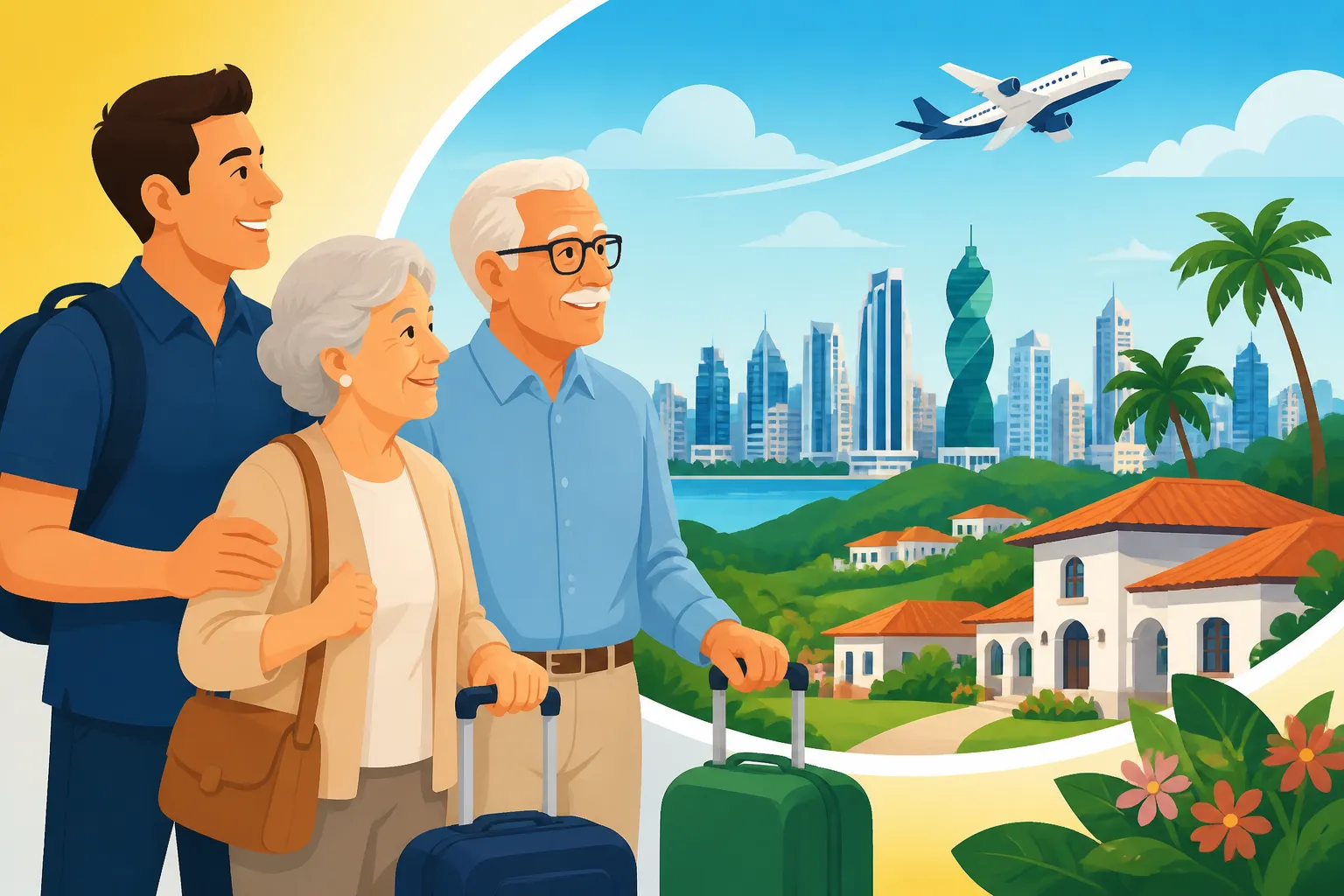
Bringing your elderly parents to live with you in a new country like Panama is a deeply personal and often emotionally charged decision. It’s a wonderful gesture, rooted in love and care, but let me be frank: the administrative side can feel like navigating a dense jungle blindfolded. You're not alone in finding this process daunting. This guide is here to untangle the complexities, offering realistic, step-by-step insights into how to bring your beloved parents to Panama, ensuring their well-being and your peace of mind.
Understanding the Landscape of Parent Sponsorship in Panama
Panama's immigration system, like many, is primarily structured around attracting active contributors to its economy or retirees with independent means. When it comes to "dependent" visas, the focus is almost always on spouses and minor children. This can come as a surprise and a bit of a shock for expats from countries where sponsoring elderly parents is a more common and clearly defined pathway. Your parents are not simply another "dependent" you can tick a box for; their inclusion usually requires specific conditions and a more robust demonstration of financial solvency.
The Reality of Dependent Visas for Parents
The common misconception is that if you qualify for residency, adding your parents is a mere formality, similar to adding your children. Unfortunately, in Panama, direct "parent sponsorship" akin to what you might find in North America or Europe, with its own dedicated visa category, doesn't really exist. Instead, the possibility of your elderly parents joining you hinges on them either qualifying for their own independent residency program, or you, as the primary applicant, demonstrating an exceptional level of financial capacity and responsibility to support them within certain existing visa frameworks.
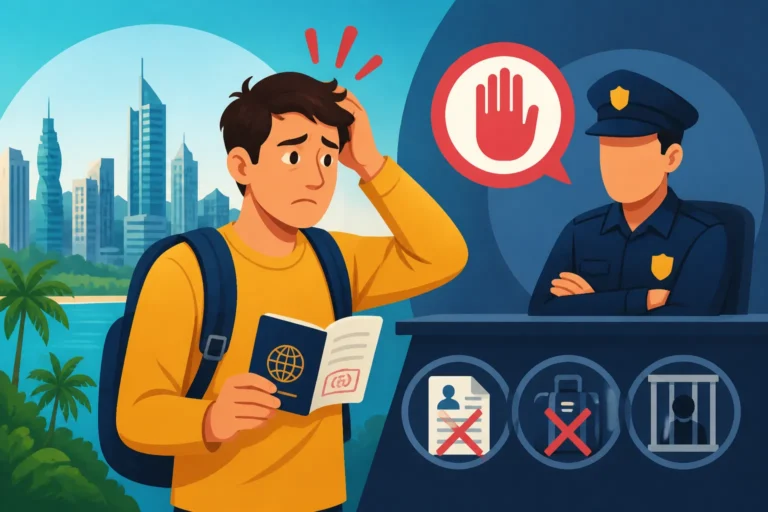
This nuance is where many expat hopefuls get tripped up. While the Panamanian government understands family reunification, the legal mechanisms are not as broad as some might anticipate for adult dependents. Proving financial dependency is key, and it’s a high bar. You're essentially telling the government that your parents will never be a burden on the state, and this requires solid, undeniable evidence.
Key Challenges and Considerations
One of the most significant challenges you'll face is demonstrating the absolute financial dependency of your parents on you. It's not enough for them to simply be retired or living on a modest income; you need to prove they rely solely on your financial support for their livelihood. This often means providing bank statements, income proof, and a notarized letter of responsibility that is truly binding. This isn't a casual declaration; it's a serious legal commitment.
Beyond financial matters, there aren't explicit age restrictions that would immediately disqualify an elderly parent. However, their advanced age can implicitly influence how their application is viewed, particularly concerning healthcare. The immigration authorities want to ensure that any newcomer, especially an older one, will have access to adequate medical care without relying heavily on the public system. This is why comprehensive health insurance becomes an even more critical component of their application, as we'll discuss later. Preparing thorough documentation from their home country – birth certificates for both you and your parents to unequivocally prove the relationship, marriage certificates for your parents, and extensive notarized affidavits of financial support – is the unavoidable, often grueling, starting point of this journey. The paper chase for these specific documents can be a bureaucratic marathon.
Exploring the Main Residency Pathways for Elderly Parents
While direct parent sponsorship is limited, several existing residency pathways in Panama can facilitate bringing your elderly parents. The most suitable option will depend heavily on your parents' individual financial situation, their country of origin, and your own established residency status in Panama. It's about finding the right key for a very specific lock.
The Pensionado (Retiree) Visa: A Golden Opportunity
For many elderly parents, if they meet the criteria, the Pensionado (Retiree) Visa is often the most straightforward and beneficial pathway to residency in Panama. This visa is designed specifically for foreign retirees who receive a guaranteed lifetime pension or annuity. The core requirement is proving a stable, lifetime pension income of at least $1,000 USD per month. If both parents are applying together and their combined pension meets this threshold, or one parent's pension is sufficient to cover both, this can work beautifully.
The allure of the Pensionado Visa goes beyond just residency; it comes with an impressive array of benefits that directly improve the quality of life and reduce the cost of living for retirees in Panama. These include significant discounts on domestic and international flights, public services (like electricity, water, and telephone), medical consultations, hospital stays, prescription medications, and even cultural and entertainment activities. For parents living on a fixed income, these savings are invaluable. To apply, your parents will need official, notarized, and apostilled documentation from a government entity or a recognized private company proving their lifetime pension. Panama wants to see that this income is secure and will continue indefinitely. You can learn more about the specifics in our guide: The Expat Guide to the Pensionado (Retiree) Visa in Panama (2027).
The Friendly Nations Visa: When Sponsorship Might Work
The Friendly Nations Visa is a popular route for citizens of certain countries looking to live and work in Panama. While it's primarily intended for those establishing economic ties through employment or investment, it can sometimes be used to include elderly parents as additional dependents. However, this is where the bar for financial solvency rises significantly. If you, as the primary applicant, are applying or have already secured residency through the Friendly Nations Visa, and you wish to include your parents, you will need to demonstrate a substantially higher level of financial capacity than the typical single applicant.
The standard requirement for Friendly Nations visa applicants usually involves proving funds in a Panamanian bank account and a stable income. When sponsoring parents, the immigration authorities will expect you to show far more than the basic $5,000 in a local bank account. You'll need to provide irrefutable proof of a robust, ongoing income stream that clearly demonstrates your ability to financially support your parents without any assistance from the Panamanian state. This isn't just about having money; it's about proving a consistent, reliable income. Your Panamanian immigration lawyer will be crucial here, as they can advise on the precise income and asset levels currently expected for each parent you wish to sponsor, which can fluctuate. For a broader understanding of this path, refer to Understanding the Friendly Nations Visa in Panama (2027).
Other Niche Visas and Their Applicability
While less common for the sole purpose of bringing elderly parents, there are other residency programs that, if you or your parents meet their high financial thresholds, could offer a path. The Qualified Investor Visa, often dubbed a "Golden Visa," is one such option. This pathway requires a significant investment in Panamanian real estate (typically $300,000 USD or more) or through other approved investment vehicles. If your parents have substantial capital and are looking to make such an investment, this could grant them residency. Similarly, the Self-Economic Solvency Visa requires a substantial fixed-term deposit in a Panamanian bank or an investment in real estate, again demanding a high financial commitment.
These options are generally tailored for wealthier individuals or families and come with their own set of complex requirements and administrative burdens. They are not typically "easier" routes; rather, they are alternative pathways for those with considerable financial resources. If this sounds like a possibility, a detailed discussion with an expert immigration lawyer is essential to understand the intricate specifics. You can get more information on this particular route here: Understanding the Qualified Investor (Golden Visa) Programme in Panama. For a more general overview of obtaining residency in the country, check out How to Get Residency in Panama: The Full Guide (2027), and specifically for family, see Family and Dependent Residency in Panama: Bringing Your Loved Ones (2027).
The Application Process: Step-by-Step for Parent Residency
Once you've identified the most suitable visa pathway, the real work of preparing the application begins. This stage is notoriously demanding, requiring meticulous attention to detail, a mountain of paperwork, and a healthy dose of patience. Trust me, cutting corners here will only lead to delays and frustration.
Gathering Essential Documents and Apostille Requirements
This is where the rubber meets the road, and honestly, it’s often the biggest headache for most expats. You’ll need an extensive list of personal documents for both your parents and yourself, all of which must be meticulously prepared. Common documents include:
- Birth Certificates: Original, full-form birth certificates for both your parents, and crucially, your own birth certificate to prove the direct lineage and relationship.
- Marriage Certificates: For your parents, if they are applying as a couple.
- Police Records: Clean police or criminal background checks from every country where your parents have resided for the past five years. These cannot have any discrepancies or old convictions.
- Financial Statements: Depending on the visa, this will either be proof of your parents' lifetime pension income or detailed bank statements and income verification demonstrating your capacity to support them.
- Medical Certificates: Often, a general health certificate from a doctor in Panama, stating they are in good health and free of contagious diseases.
- Passport Copies: Notarized copies of all pages of your parents' passports.
- Passport-Sized Photos: Specific dimensions, usually two or three required.
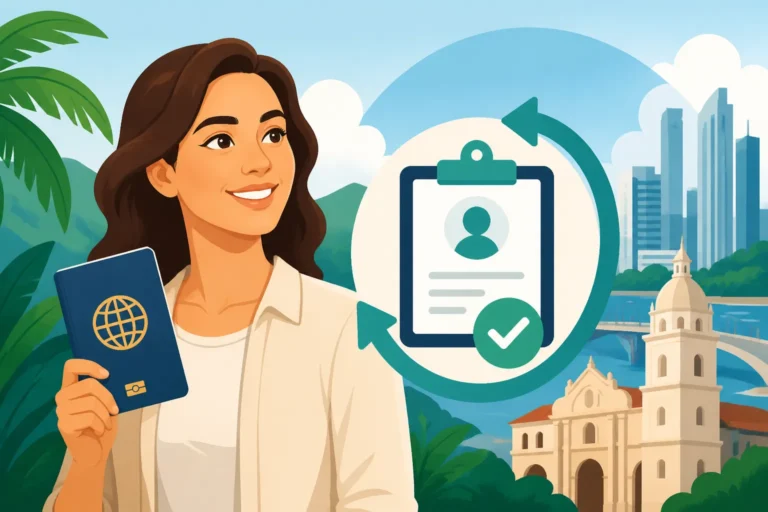
The absolute, non-negotiable requirement for virtually every foreign-issued document is that it must be either apostilled or legalized by a Panamanian consulate in the country of origin. An apostille is an international certification that authenticates the origin of a public document, making it valid for use in Panama (if the originating country is part of the Hague Apostille Convention). If not, it needs legalization by the Panamanian embassy or consulate. This process is time-consuming and must be done before you even set foot in Panama with the documents. Trying to skip this step or do it incorrectly will guarantee your application is rejected. Our comprehensive guide on Understanding Document and Apostille Requirements for Panama Immigration can help you navigate this complex terrain. For moving precious, original documents, or even an entire household, I've found services like Sirelo invaluable for ensuring everything arrives safely and with proper customs handling. It’s one less thing to worry about in an already stressful process.
Financial Solvency: Proving Support for Your Parents
The financial aspect of sponsoring elderly parents is under intense scrutiny. If your parents are pursuing the Pensionado Visa, their own, independently verifiable lifetime pension is the cornerstone. You will need official letters from the pension provider, translated into Spanish by a certified public translator in Panama, and apostilled or legalized from their home country. This document must clearly state the monthly amount and that it's for life.
However, if you are sponsoring your parents under another visa category, such as an extension of your Friendly Nations Visa, the burden of proof falls entirely on you. You need to demonstrate not just a lump sum in a bank account, but consistent, stable, and verifiable income that clearly shows you can adequately support both yourself and your parents without any reliance on Panama's social services. This income typically needs to be sourced from within Panama or demonstrably sufficient and readily transferable. Your immigration lawyer will guide you on the specific amounts, but expect to show a significant, steady income flow, well beyond the basic requirements for a single person or even a couple. Furthermore, you will be required to sign a formal, notarized letter of responsibility (Carta de Responsabilidad). This isn't just bureaucratic paperwork; it's a legally binding document where you commit to being fully financially responsible for your parents during their stay in Panama, including their healthcare costs and eventual repatriation if necessary. This commitment is taken very seriously by the Panamanian authorities.
Navigating the Immigration Office (SNM)
The process of formally submitting the application and dealing with the National Immigration Service (SNM – Servicio Nacional de Migración) is best handled by an experienced Panamanian immigration lawyer. Seriously, do not try to do this yourself. The system is complex, the requirements can be fluid, and a good lawyer knows the unwritten rules, the specific preferences of individual immigration officers, and how to troubleshoot potential issues before they become major problems. Your lawyer will be your conduit to the SNM, preparing all paperwork, translating documents, and accompanying you and your parents to appointments.
The process typically involves several stages: filing the initial application, attending an interview (sometimes), obtaining a provisional residency (which usually lasts for a year or two), and then applying for permanent residency. This is not a quick "one-and-done" affair. Provisional residency can take several months, and the transition to permanent residency often takes over a year from the initial application date. Patience is not just a virtue here; it's an absolute necessity. Expect delays, requests for additional documentation, and a generally slow pace. Understanding the nuances of the costs and timelines associated with this entire process will help manage expectations, which you can read about in Understanding the Cost and Timeline of the Panama Residency Process.
Crucial Considerations Beyond the Visa
Securing the visa is a monumental first step, but it's far from the only consideration when bringing your elderly parents to Panama. Daily life, healthcare, community, and emotional well-being are equally, if not more, important for their successful integration and happiness.
Healthcare and Insurance for Elderly Parents
This is arguably the most critical non-visa consideration. While Panama has a public healthcare system (the Caja de Seguro Social, or CSS), it often faces challenges like long wait times for appointments and specialists, and standards can vary widely, particularly outside of Panama City. While Pensionado Visa holders do get some discounts, this system is generally not robust enough to rely on for comprehensive care for elderly parents. Private healthcare in Panama City, however, is excellent, with modern hospitals like Hospital Punta Pacifica and Hospital Nacional offering high-quality care, often with English-speaking staff. But this quality comes at a cost, and without robust insurance, these costs can quickly become astronomical.
Therefore, securing comprehensive private health insurance is paramount. For elderly individuals, especially those with pre-existing conditions, finding suitable coverage can be challenging. International health insurance providers, such as Cigna Global, are often an excellent choice for expats because they offer global coverage, including medical evacuation, and often have specific plans that can cater to older individuals. While there might be waiting periods or exclusions for pre-existing conditions, their plans are generally more comprehensive than local options for complex medical needs. Local Panamanian insurance companies like ASSA, Blue Cross & Blue Shield of Panama, or MAPFRE also offer plans, but you’ll need to compare coverages carefully, particularly regarding age limits and pre-existing conditions. For a deep dive into options, consult Health Insurance in Panama: Private and International Options Explained and How to Choose Private Health Insurance in Panama (2027).
Logistics of Moving and Settling In
Thinking about how your parents will get around and where they will live is essential. Panama City's public transportation, while improving with the Metro and Metrobus system, can still be challenging for elderly individuals, especially during peak hours or in areas with uneven sidewalks. Access to taxis and ride-sharing apps is common, but having a private vehicle or a consistent plan for transportation (e.g., dedicated drivers) may be necessary, particularly for medical appointments. When considering housing, accessibility should be a top priority. Look for apartments in buildings with reliable elevators, or ground-floor houses. Proximity to essential amenities such as hospitals, pharmacies, grocery stores, and even a local park can significantly impact their quality of life. Many of the modern high-rise residential buildings in areas like Costa del Este, Punta Pacifica, or El Cangrejo in Panama City offer excellent accessibility features and are often very comfortable for seniors.
Moving an entire household, especially one accumulated over decades, is a monumental task. This is another area where professional services shine. Companies like Sirelo specialize in international moves and can manage the complex logistics, from packing and shipping personal belongings to navigating Panamanian customs paperwork. This takes an immense burden off your shoulders, allowing you to focus on settling your parents rather than wrestling with crates and customs forms. The initial 90 days are often the most intense, so getting this right is crucial, as highlighted in The Complete Guide to Moving to Panama: Your First 90 Days (2027).
Community Integration and Support
Beyond the practicalities, consider the social and emotional aspects of your parents' move. Spanish is the official language, and while English is spoken in certain expat enclaves and business circles, daily interactions in pharmacies, local markets, and with service providers will primarily be in Spanish. Encouraging language classes or ensuring they have readily available translation support will be vital.
Social integration is another key factor. While you are their primary support, fostering an independent social life is crucial for their well-being. Panama has active expat communities, especially in areas like Boquete, Coronado, and certain neighborhoods of Panama City. Look for expat groups, senior clubs, or community activities that align with their interests. These groups can provide a crucial network of friends and support. However, for those less outgoing or with pre-existing health conditions, this can be harder. Finally, remember that uprooting from a familiar environment can be emotionally taxing. Ensure they maintain connections with friends and family back home through video calls and visits. Providing familiar comforts, hobbies, and a sense of routine will help them adjust. Understanding The Best Places to Live in Panama for Expats: A Complete Guide (2027) might help you identify a community that best suits your parents' needs and interests.
Disclaimer
The information provided in this guide is intended for general informational purposes only and does not constitute legal, financial, or immigration advice. While every effort has been made to ensure accuracy, immigration laws and procedures in Panama can change frequently. It is imperative to consult with a qualified Panamanian immigration lawyer and financial advisor for personalized advice regarding your specific situation before making any decisions related to residency or investment in Panama.