How Do I Transfer My Residency to a New Passport in Panama?
There’s a unique kind of stress that comes with being an expat in Panama, and often it stems from seemingly simple administrative tasks that turn into complex sagas. One such hurdle many of us face is when your old passport expires and you get a shiny new one, only to realize that your Panamanian residency, or cédula, is still linked to the old one. This guide is designed to cut through that confusion, providing you with a clear, empathetic roadmap on exactly how to transfer your residency information to your new passport in Panama, saving you countless headaches and wasted trips.
Why Your Passport and Residency Need to Match in Panama
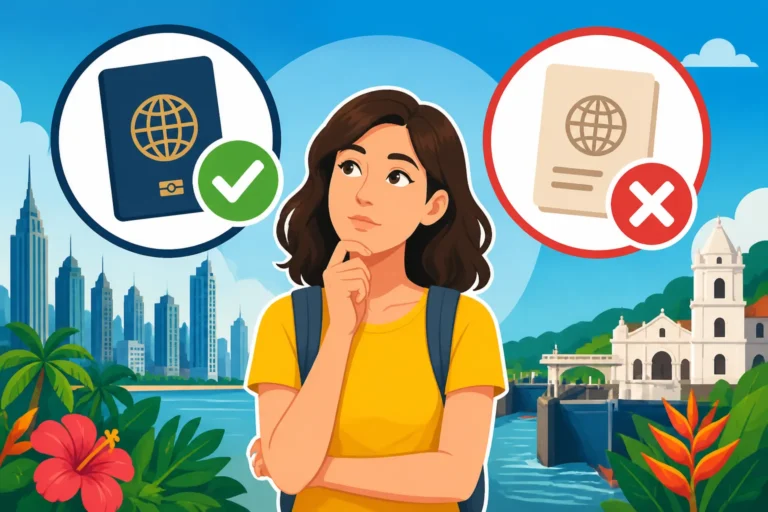
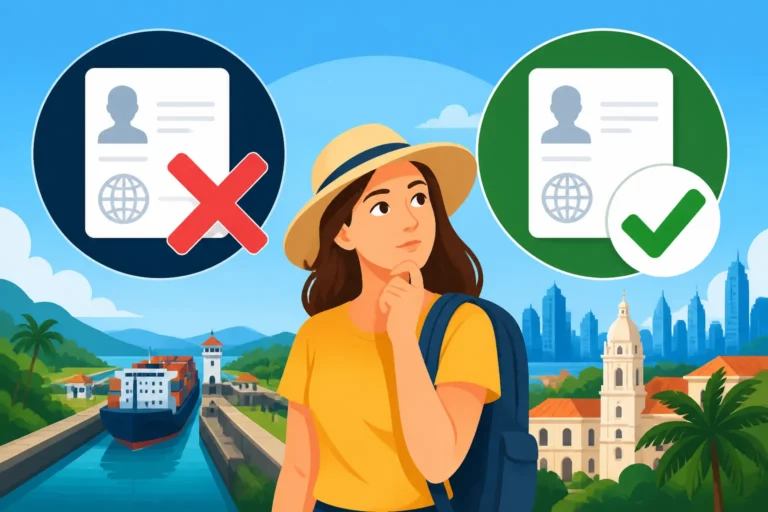
It might seem like a minor detail, but in Panama, having your residency (your cédula information) accurately linked to your current, valid passport is absolutely critical. This isn't just a suggestion; it's a necessity that impacts nearly every aspect of your life here, from routine banking to international travel. Think of your passport as the foundation upon which your legal status in Panama is built. If that foundation shifts, everything else needs to be re-aligned to avoid potential legal issues and bureaucratic nightmares.
The Panamanian authorities, particularly the Dirección Nacional de Migración (National Immigration Service), operate on a system where your residency status is fundamentally tied to the passport you used during your initial application. Even if your physical cédula has a different number, the underlying immigration file, the one that grants you the right to live here, cross-references your identity with your passport details. When your passport expires and you get a new one, those crucial identifying numbers change. This mismatch can lead to unexpected complications, making an otherwise simple transaction or interaction turn into a frustrating ordeal. Imagine trying to board a flight, for example, where your airline ticket reflects your new passport number, but the immigration officer sees your cédula still linked to the old, expired document. It’s a recipe for delays, missed flights, and a whole lot of explaining.
Beyond travel, this discrepancy can cause issues with your banking institution. Banks in Panama are strict about "Know Your Customer" (KYC) regulations. If your passport is updated, they'll inevitably ask for the new details. If your residency documents don't reflect this change, it could create red flags, leading to frozen accounts or difficulties with transactions. Even something as mundane as renewing your Panamanian driver's license can become complicated if your identifying documents aren't perfectly aligned. The government agencies here talk to each other, or at least they should, and any inconsistency can lead to frustrating questions and demands for additional paperwork. Ignoring this crucial administrative step is a gamble not worth taking for any expat trying to maintain a smooth, legal life in Panama. It’s far better to proactively address the update than to be caught off guard in a high-stress situation.
The Interconnectedness of Your Documents
In Panama, your passport and your cédula are two sides of the same coin when it comes to your legal presence. The Dirección Nacional de Migración maintains a detailed file on every resident, and a core component of that file is your passport information from the time of your initial residency approval. So, when your passport expires and you get a new one, even though your cédula card might have a valid expiry date, the underlying information in the immigration system needs to be updated. It’s not just about the document itself, but about the data connected to your legal status.
Consider a scenario where you've obtained your new passport but haven't updated immigration. You might try to renew a contract, like a phone plan or a lease, and they ask for your cédula and a copy of your passport. If they see the new passport number doesn't match what's on file with your cédula through a system check, it can raise questions and cause delays. Another common headache is at the bank. Banks are notoriously cautious, and any perceived inconsistency in your identification can lead to them refusing service until the matter is resolved. You could find yourself unable to access your funds or complete a transfer because your "official" ID documents appear to be mismatched.
The stress this can cause is significant. Many of us have experienced the Panamanian bureaucracy where a simple task can snowball into multiple visits, long waits, and differing information depending on who you speak to. The last thing you want is to be standing at an immigration desk at Tocumen Airport, trying to leave the country, only to find out there's a problem with your documentation. The process of getting How to Get Residency in Panama: The Full Guide (2027) is complex enough; maintaining it shouldn't be an additional source of anxiety. Proactively ensuring your passport and residency are perfectly aligned is a small investment of time that prevents disproportionately large problems down the line.
Step-by-Step Guide to Transferring Your Residency Information
Alright, let's get down to brass tacks. Transferring your residency information to a new passport in Panama is a process, not an event. It requires preparation, patience, and a willingness to navigate the administrative waters. But rest assured, many have walked this path before you, and by following these steps, you can streamline the experience as much as possible. It's about being methodical and anticipating what the immigration officials will expect.
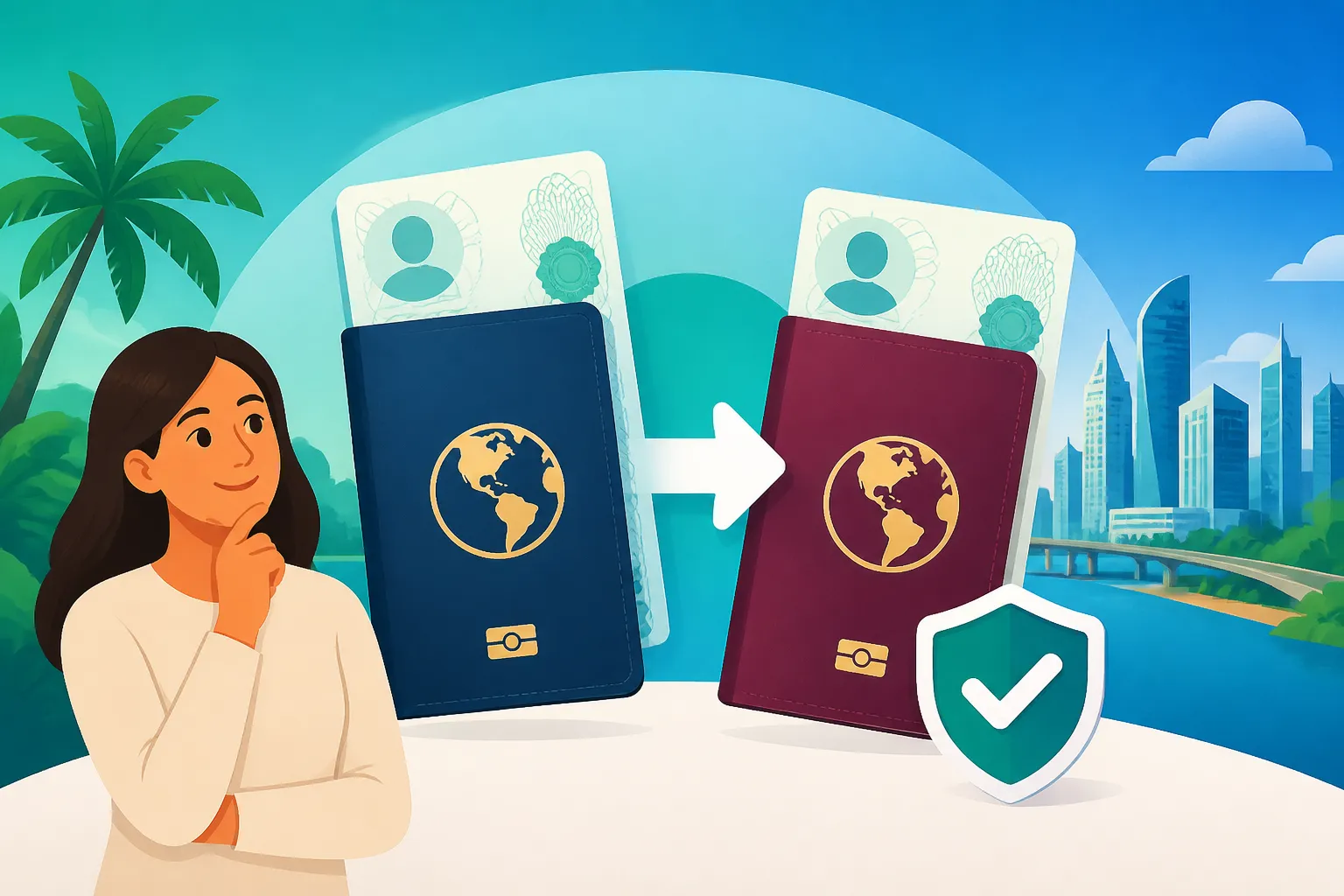
The general idea is to formally notify the Dirección Nacional de Migración about your new passport and request that your residency file be updated with the new details. This isn't about getting a new cédula (unless yours is also expired or lost, which is a separate process discussed in How to Get Your Cedula Residency ID in Panama); it's about updating the passport information linked to your existing residency status. You'll need to present both your old and new passports, alongside your cédula, to prove the continuity of your identity. Getting this right from the start can save you a world of trouble later on, especially if you have travel plans or need to deal with other official entities that rely on accurate identification.
Gathering Your Essential Documents
Before you even think about stepping foot into a government office, you need to meticulously gather and organize your paperwork. This is Panama, and a missing copy or an un-apostilled document can send you right back to square one, often with a polite but firm "vuelva mañana" (come back tomorrow). So, let's make sure you have everything in order. You'll need both your old, expired passport and your brand new passport. The old one is crucial because it contains the entry stamp and the original residency stamp or visa that connects you to your Panamanian residency. You’ll also need your original cédula card, which is your proof of residency.
Beyond the originals, prepare several clear, legible photocopies of everything. This means multiple copies of the identification page of both your old and new passports, the page with your most recent entry stamp into Panama, any pages in your old passport that show your Panamanian residency visa or stamp, and both the front and back of your cédula. It’s always better to have too many copies than not enough; sometimes they keep one for their file, one for another department, and one for good measure. If your new passport was issued in your home country while you were abroad, and there are specific requirements for its recognition, you might need to get it How to Get Your Documents Apostilled for Panama Immigration before submitting it. While typically not required for just a passport update, it’s worth checking with your lawyer or the immigration office if you have any doubts, particularly if you obtained a new passport after a period of absence from Panama.
Finally, don't forget recent passport-sized photographs. Panamanian requirements can be quite specific – usually a white background, no glasses, and a neutral expression. It’s often best to get these done at a local photography shop in Panama, as they are usually familiar with the exact specifications needed for government applications. Sometimes, there's even a small photo booth right outside the immigration office. Having all these documents neatly organized in a folder, perhaps with a checklist, will not only make you feel more prepared but will also demonstrate to the immigration staff that you’re serious and organized, which can subtly smooth the process.
The Application Process at Immigration
Once your documents are in pristine order, it's time to visit the Dirección Nacional de Migración. For most expats in Panama City, this means heading to the main immigration office in Ancon. My advice, honed over years of dealing with Panamanian bureaucracy: go early. And when I say early, I mean early. Doors usually open around 8:00 AM, but people start lining up well before that. A prompt start can significantly reduce your waiting time, which, let's be honest, is already going to be a substantial part of your day.
Upon arrival, you'll likely need to take a number for the specific department that handles residency updates. Be prepared for a wait. When your number is finally called, you'll present all your meticulously prepared documents to the immigration officer. This is where your comprehensive preparation pays off. The officer will review your file, cross-reference your old and new passport details, and ensure all the copies are in order. You’ll also need to submit a formal letter (a solicitud) requesting the transfer of your residency information to your new passport. This letter should clearly state your full name, old and new passport numbers, cédula number, and a polite request for the update. Your lawyer can help draft this, or you can find templates online.
After the review, you'll be directed to pay any associated administrative fees. These are usually minor government charges for the processing of the update. Make sure to get a recibo (receipt) for everything you pay. This receipt, along with a stamped copy of your application, will be your temporary proof that the transfer process is underway. The officer will then inform you about the estimated waiting period, which can vary wildly. It could be a few weeks, or it could stretch into a few months. It's Panama, after all, and while things are improving, patience remains your most valuable asset. Hold onto that recibo like gold; it’s your lifeline while the wheels of bureaucracy turn.
Common Challenges and Tips for a Smoother Process
Navigating any government process in a foreign country can be a minefield, and transferring your residency to a new passport in Panama is no exception. It's not always a straightforward, one-visit affair, and managing expectations can save you a lot of grief. From language barriers to the notoriously unpredictable pace of Panamanian bureaucracy, there are several common challenges expats frequently encounter. But with a bit of foresight and the right approach, you can significantly reduce the stress and potential delays.
One of the biggest frustrations is the sheer unpredictability. You might be told one thing by one officer and something slightly different by another. Forms might change, or new requirements might appear out of nowhere. This isn't usually malice; it's just how the system sometimes operates. Staying calm, being polite, and having all your ducks in a row are your best defenses. Remember, the goal is to get your paperwork processed, and a pleasant demeanor often goes further than an exasperated one.
Navigating Bureaucracy and Language Barriers
Ah, the infamous Panamanian bureaucracy – a true rite of passage for any expat. Trying to update your passport information at the Dirección Nacional de Migración can often feel like a frustrating dance, two steps forward and one step back. You might find yourself waiting for hours, only to be told you're missing a single copy, or that you need to go to a different window, or even come back on another day because "the system is down." It's enough to make even the most patient person want to pull their hair out. But here's the trick: persistence, politeness, and preparation are your superpowers. Don't take "no" or "come back tomorrow" as a personal affront; it's often just part of the process.
Beyond the administrative maze, the language barrier can be a significant hurdle. While some immigration officials might speak a little English, many do not, and critical explanations or questions will almost certainly be in Spanish. If your Spanish isn't up to snuff, it's highly advisable to bring a trusted Spanish-speaking friend, a local Panamanian assistant, or even consider hiring a professional translator for your visit. Misunderstandings can lead to errors, delays, or even submitting the wrong documents. Having someone who can clearly communicate your request and understand the instructions given can be invaluable. Even if you understand Spanish reasonably well, having a second pair of ears can help clarify subtle nuances that are easily missed.
This is also where considering a Panamanian immigration lawyer comes into play. While this particular process of transferring passport details might seem simpler than the initial The Complete Visa and Immigration Guide for Relocating to Panama (2027), a lawyer can often expedite matters, ensure all documents are perfectly in order, and navigate the bureaucratic twists and turns on your behalf. They know the unwritten rules, the specific officials, and the current mood of the office. While there's an associated cost (which we'll cover later), the peace of mind and time saved can be well worth it, especially if you have a tight schedule or simply can't face another day of lining up. If you're pondering this, you might find more insights in Understanding Why You Need a Panamanian Lawyer for Residency.
What to Do While You Wait for the Transfer
Once you've submitted your application and paid your fees, you're officially in the "waiting period." This can feel a bit like limbo, but it's crucial to understand what documents serve as your temporary proof of status. The most important thing you'll receive from immigration is a stamped recibo (receipt) confirming that your request to transfer your residency information to your new passport is being processed. This receipt, often with your application number and a stamp from the Dirección Nacional de Migración, is your temporary lifeline. It's proof that you have fulfilled your obligations and are awaiting the official update.
During this waiting period, you should carry a small "official documents" packet with you, especially if you plan to travel, even domestically. This packet should include your old passport, your new passport, your valid cédula, and, most importantly, that stamped immigration receipt. When dealing with airport officials, police, or even some hotel check-ins, presenting this comprehensive set of documents can help prevent confusion. It shows them that you are legally in the country and are actively updating your records. It effectively bridges the gap between your old passport and the official recognition of your new one within the Panamanian immigration system. This foresight is especially vital if you're traveling, as airlines and immigration at the border will be checking your official identification.
Another critical step while you wait is to inform your bank about your new passport. Even if the immigration update isn't finalized, your bank will require your most current identification for KYC purposes. Provide them with a copy of your new passport and explain that your residency is being updated at immigration. Showing them the stamped immigration receipt can also be helpful, as it proves you are actively working on it. Many banks in Panama, like Banistmo or Banco General, are familiar with expats and these types of updates, but they still need to adhere to regulations. Being proactive here ensures you avoid any unexpected interruptions to your financial activities, such as when you need to use How to Transfer Money Into and Out of Panama as an Expat or conduct other financial transactions. This also applies to other institutions you deal with, such as utilities or even your health insurance provider, particularly if you have an international plan like Cigna Global. Informing them ensures continuity of service and avoids any administrative headaches down the line.
Costs and Timeframes Associated with the Transfer
Let’s talk about the practicalities: money and time. Neither is infinite, and when dealing with government processes in Panama, it’s always wise to factor in a buffer for both. While transferring your residency details to a new passport isn't typically as expensive as applying for a new residency type, there are still fees involved. More importantly, the time it takes can be a significant factor, especially if you have upcoming travel plans or urgent administrative needs. Understanding these aspects upfront will help you manage your expectations and plan accordingly.
The Panamanian government has its own schedule, and while they do their best, things don't always move at lightning speed. It’s a good idea to initiate this process well in advance of when you actually need your documents fully updated. This proactive approach helps mitigate any stress that might arise from unexpected delays or additional requests for documentation. Think of it as investing in your peace of mind while living in Panama.
Understanding the Fees Involved
When it comes to updating your passport information for your Panamanian residency, while not exorbitant, there are indeed costs you’ll need to budget for. The Panamanian immigration department charges various administrative fees for processing these kinds of updates. These are usually in the range of $50 to $100 for stamps, forms, and the processing of your application. It's important to remember that these fees can change, so always be prepared for a slight variation. You'll pay these directly at the immigration office, usually at a dedicated cashier window. Always request and keep your receipts for all payments made.
Beyond the direct government fees, there are other ancillary costs that can add up. We're talking about the cost of professional passport photos, which might be around $5-$10 for a set. Then there's the inevitable expense of photocopying all those documents – if you're not doing it yourself, local copy shops might charge $0.10-$0.25 per page, and you'll need many. Transportation costs to and from the immigration office, especially if you need to make multiple trips (which is often the case), also count. If you decide to go the route of hiring an immigration lawyer, their fees for this specific service typically range from $200 to $500. While this is an additional expense, many expats find it worthwhile for the convenience, expertise, and peace of mind it provides. A lawyer can ensure everything is submitted correctly the first time, potentially saving you multiple trips and frustrating delays. The decision to use a lawyer often comes down to weighing the cost against the value of your time and stress levels, especially for those who are busy or find the language barrier challenging.
Realistic Expectations for Processing Times
This is where the seasoned expat wisdom comes in: "Panamanian time" is a real phenomenon, and it applies wholeheartedly to government processes. While you might hope for a swift update, you need to set realistic expectations. The processing time for transferring your residency information to a new passport can vary widely, but generally, you should anticipate anywhere from two weeks to three months. In some cases, it could even take longer, depending on the current workload at the Dirección Nacional de Migración, any internal system updates, or if they require additional clarification on your documents.
There's no guaranteed timeline, and trying to rush the process typically doesn't work. Once you've submitted your application and received your stamped receipt, it's a waiting game. During this period, it's generally not advisable to show up every few days to check on your status, as this can sometimes be counterproductive. Instead, it's better to follow up politely after the initial estimated timeframe has passed, perhaps with a phone call or through your lawyer if you've engaged one. Remember to always have your receipt handy for any inquiries.
My personal advice: do not, under any circumstances, plan any international travel that requires your updated passport information to be reflected in your immigration file until you have confirmation that the transfer is complete. Even for domestic flights, while your cédula is generally accepted, having all your ducks in a row removes any potential for hassle. Imagine booking a flight for a specific date, only to find out your residency update is still pending – it’s a scenario you definitely want to avoid. Being proactive by starting this process well in advance of any critical dates is the single best way to manage these unpredictable processing times. It’s part of learning Understanding How to Move to Panama Legally from Abroad (2027) and embracing the Panamanian way of life.
| Document/Service | Estimated Cost (USD) | Notes |
|---|---|---|
| Government Administrative Fees | $50 – $100 | For processing the update at Dirección Nacional de Migración. Varies. |
| Passport Photos | $5 – $10 | For a set of government-compliant photos. |
| Photocopies | $5 – $15 | Depends on the number of copies needed and where you get them. |
| Immigration Lawyer Fee | $200 – $500 | Optional, but highly recommended for convenience and accuracy. |
| Total (Self-Service) | $60 – $125 | Does not include transportation or unforeseen costs. |
| Total (With Lawyer) | $260 – $625 | Includes lawyer's fee; they often handle some ancillary costs and multiple visits. |
Disclaimer
Please remember that immigration laws and procedures in Panama can change frequently and without prior notice. The information provided in this guide is based on current understanding and common expat experiences as of 2026. While every effort has been made to ensure accuracy and provide helpful, realistic advice, it should not be considered legal counsel. Always consult with a qualified Panamanian immigration lawyer or the official Dirección Nacional de Migración for the most up-to-date and personalized guidance regarding your specific situation. This guide is for informational purposes only.