How Do I Get Provisional Residency While My Application Is Processing in Panama?
Navigating the labyrinthine world of Panamanian immigration can often feel like an endless waiting game, leaving you in a frustrating limbo while your much-anticipated residency application slowly grinds its way through the system. This guide is here to shed light on that often-confusing "in-between" stage: obtaining provisional residency. We’ll walk you through what it means, why it’s so important, and how you can manage your life in Panama while your definitive status is still pending.
What Exactly is Provisional Residency in Panama?
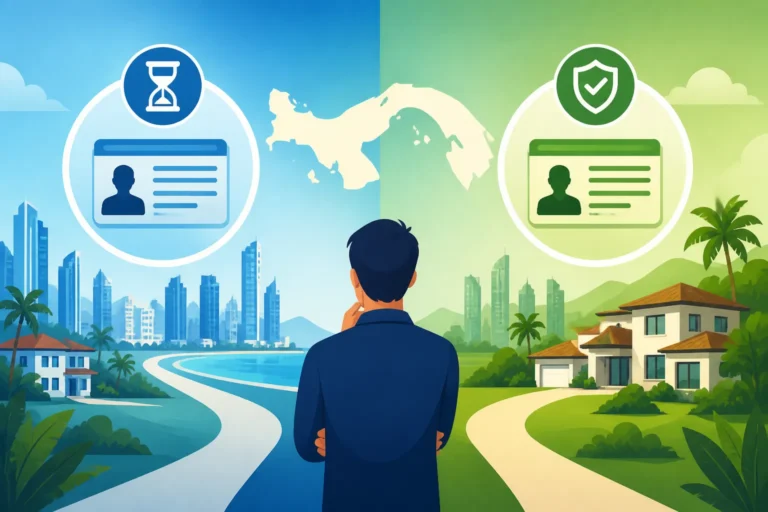
Let's cut through the jargon: "provisional residency" isn't a type of visa or a permanent status in itself. Instead, it's a temporary legal status granted by the Servicio Nacional de Migración (National Immigration Service) that allows you to remain in Panama while your primary, long-term residency application is under review. Think of it as a crucial placeholder, a legal bridge that keeps you from falling out of status while the wheels of bureaucracy turn, often at their own unhurried pace.
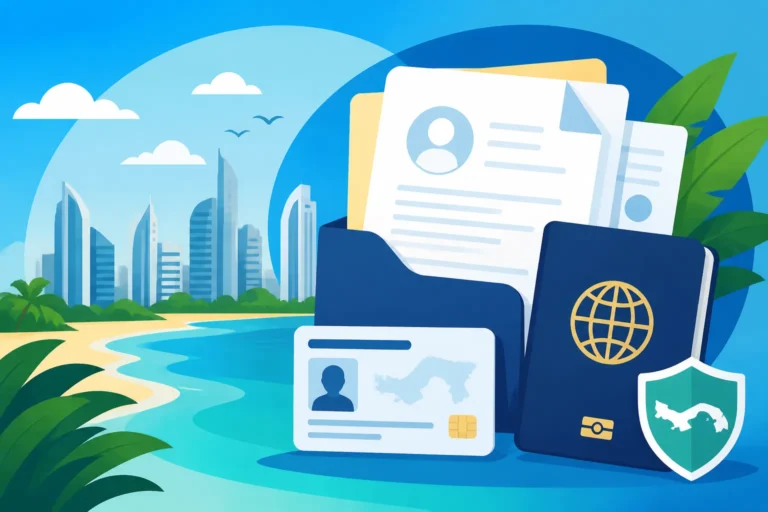
When you apply for a residency visa in Panama, whether it's through the popular Understanding the Friendly Nations Visa in Panama (2027), The Expat Guide to the Pensionado (Retiree) Visa in Panama (2027), or another category, there's a processing period. During this time, your initial tourist stamp usually expires. Without provisional residency, you'd effectively become an undocumented overstayer, leading to potential fines, complications, and even denial of your main application. The provisional status typically comes with a Carnet Provisional, a temporary ID card that acts as your legal proof of stay. This little card, despite its temporary nature, is your golden ticket to a semblance of normalcy during the wait. It usually lasts for a year, sometimes longer, and can be renewed if your main application is still pending.
The Critical Need for Provisional Status
Why bother with this extra step? Simply put, it allows you to exist legally and functionally in Panama beyond the initial tourist stamp. Imagine arriving in Panama, submitting all your painstaking documents for your permanent residency, and then your ninety-day tourist visa expires. What then? Without provisional status, you'd be in a precarious situation, unable to leave and re-enter without issues, facing potential fines, and operating in a legal grey area.
Avoiding Overstay Penalties
Panama takes overstaying very seriously. The fines can accumulate rapidly, and can even impact future immigration applications or re-entry into the country. By securing your provisional residency, you're officially on the record as a legitimate applicant. This small but mighty card from the Servicio Nacional de Migración confirms that you are not just a tourist who has forgotten to leave, but someone actively pursuing legal residency. This saves you from a lot of stress, financial penalties, and administrative headaches down the line. It's a proactive step that protects your investment in your Panamanian future.
Facilitating Daily Life and Basic Services
Having provisional residency opens doors that remain firmly shut to mere tourists or overstayers. While it's not the same as full permanent residency, it allows you to:
- Stay in the Country Legally: Most importantly, you avoid being an illegal alien. This means peace of mind, knowing you won't be questioned or penalized for your presence.
- Travel In and Out: One of the biggest relief points. With your provisional card and a special travel permit (which you apply for separately), you can exit and re-enter Panama without jeopardizing your ongoing residency application. This is a game-changer for many expats who might need to return home for family, business, or to finalize affairs. It’s always best to clarify the specific requirements for travel with your lawyer, as rules can change. You can learn more about this in Can I Travel In and Out of Panama While My Residency Is Processing?.
- Begin to Establish Yourself: While work rights are generally limited or non-existent with provisional status (unless your underlying visa type permits it, which is rare at this stage), it can help with some basic setup tasks. For instance, you might find it slightly easier to rent an apartment, get utilities in your name, or even progress certain banking applications, though a full bank account might still be a challenge until you get your permanent cédula.
The Application Process for Provisional Status
So, how do you actually get this coveted provisional card? The process is inherently linked to your main residency application. It's not a standalone application you make before or independent of your long-term goal.
The Timing and the Documents
Typically, your lawyer will guide you on when to apply for provisional status. It's usually done shortly after your main residency application has been formally submitted to the Servicio Nacional de Migración. At this point, all your carefully prepared documents – your passport, background checks, medical certificates, economic solvency proofs, and so on (all the elements outlined in What Documents Do I Need for Panama Residency?) – have been reviewed for completeness.
Your lawyer will submit a formal request for provisional status, accompanied by a specific set of documents, which usually includes:
- Original Passport and Copies: Ensure your passport is valid for at least six months.
- Photocopies of your main residency application submission receipt: This proves you’ve already initiated the longer process.
- Proof of Funds: To show you can support yourself while waiting. This might be bank statements, though sometimes this is covered by your main application.
- Authenticated General Power of Attorney: Your lawyer needs this to act on your behalf.
- Personal Background Declaration: A sworn statement about your personal details and intent.
- Additional Forms: Specific forms provided by Immigration.
- Passport-Sized Photos: Usually several, with specific background requirements.
The critical thing here is having a reputable Panamanian immigration lawyer. Seriously, trying to navigate this without one is like trying to cross the Amazon River in a leaky canoe. They know the current requirements, the subtle nuances, and exactly how to present your case. This is one of those instances where the investment in legal counsel, as highlighted in Understanding Why You Need a Panamanian Lawyer for Residency, pays dividends in saved time, stress, and potential errors.
The Waiting Game and The Interview
Once your provisional application is submitted, another waiting game begins. The processing time can vary, but generally, it's faster than the definitive residency application. Sometimes, you might be called for a short interview or biometrics appointment at the Servicio Nacional de Migración offices in Panama City. This is typically a straightforward process where they verify your identity and perhaps ask a few basic questions about your application.
After approval, you'll be notified to pick up your Carnet Provisional. This card will have your photo, basic details, and an expiration date. Keep it safe! It’s your official proof of legal stay. The general timeline for the entire residency process can feel long, as discussed in How Long Does It Take to Get Residency in Panama?, but the provisional card helps manage the interim.
Life with Provisional Residency: What You Can and Can't Do
While provisional residency provides immense relief and legal standing, it’s crucial to understand its limitations. It's not a golden ticket to full integration, but rather a temporary permit with specific rules.
Restrictions and Freedoms
With a Carnet Provisional, you gain the freedom of legal stay and the ability to travel with a permit, but you typically do not automatically gain the right to work in Panama. This is a common misconception. Work permits are usually a separate application process, tied to specific residency types, and are rarely granted during the provisional phase unless your underlying visa explicitly allows it (e.g., certain professional visas, where the work permit application is concurrently processed). So, if you're planning to work, ensure your main residency path includes a clear route to a work permit. For those working remotely for foreign companies, this status can be advantageous, but always ensure your activities comply with Panamanian law.
Regarding banking, opening a full-fledged bank account in Panama can still be a challenge. Banks like Banco General or Banistmo often prefer clients with a cédula (Panamanian ID card, which comes with permanent residency) or at least a confirmed longer-term residency. While your provisional card proves legal status, it doesn't always satisfy a bank's internal KYC (Know Your Customer) requirements for opening transactional accounts easily. However, it might facilitate certain basic services or, with persistent effort and a good relationship manager, allow for some limited banking. You'll find more insights on this in The Expat Guide to Opening a Bank Account in Panama.
Practical Advice for the Provisional Period
Living in this provisional state requires a bit of patience and planning.
- Stay Organized: Keep all your documents, especially your provisional card and any travel permits, safe and easily accessible. Make digital copies.
- Maintain Communication with Your Lawyer: They are your lifeline to the immigration office. Any updates, requests for additional documents, or changes in processing times will come through them.
- Plan Travel Carefully: If you need to leave Panama, work with your lawyer to get the necessary multi-entry travel permit (permiso de salida y entrada) well in advance. Do not assume your provisional card alone grants automatic re-entry. Missing this step can lead to significant problems upon your return.
- Health Coverage: Even with provisional status, securing proper health coverage is paramount. While you might not yet be eligible for the national public health system (CSS), private options like Cigna Global can bridge that gap, ensuring you have access to quality medical care without the constant worry of exorbitant out-of-pocket costs. It’s vital to have comprehensive Health Insurance in Panama: Private and International Options Explained. If you're coming from abroad, an international provider like Cigna Global can offer continuous coverage as you settle in.
- Logistics: If you're still dealing with shipping belongings or setting up your new home, having this legal status can simplify things. For instance, reputable moving companies you might research on platforms like Sirelo will appreciate that you have legal standing in the country, which can streamline customs processes for your household goods. Ensuring your documents are securely transported to Panama for your application is a service many expats research on Sirelo.
Here's a quick comparison of your situation with a tourist visa versus a provisional residency status:
| Feature | Tourist Visa (Typical 90 Days) | Provisional Residency Status (Pending Application) |
|---|---|---|
| Legal Status | Temporary visitor, limited stay | Legal applicant, temporary stay during processing |
| Duration | Up to 90 or 180 days (depending on nationality) | Usually 1 year, renewable |
| Right to Stay | Expires after allotted time | Continues legally until main application decided |
| Work Rights | None | Generally none (unless specified by visa category) |
| Travel In/Out | Re-entry may require new visa or be questioned | Allowed with a separate travel permit |
| Banking Ease | Difficult to open full accounts | Still challenging, but slightly easier with proof of status |
| Access to Public Services | Very limited | Limited, often requires private solutions |
| Risk of Fines/Deportation | High if overstayed | Low, as long as status is maintained and renewed |
The provisional period can feel like an extended layover, but it’s a necessary part of the journey to making Panama your permanent home. Embrace it as part of the unique expat experience here!
Disclaimer
Please remember that immigration laws and procedures in Panama can change frequently and without prior notice. The information provided in this guide is for general informational purposes only and does not constitute legal advice. It is absolutely essential to consult with a qualified Panamanian immigration lawyer for personalized advice regarding your specific circumstances. Relying solely on general information without professional legal guidance could lead to complications with your residency application.