Can I Retire and Move to Panama?
Deciding to retire and move to a new country like Panama can feel like a monumental task, filled with exciting dreams but also a mountain of paperwork and unknowns. Many hopeful retirees grapple with questions about visas, healthcare, the cost of living, and simply how to make such a big transition smoothly. This comprehensive guide is here to walk you through the specifics of retiring to Panama, offering practical advice and insights from someone who's been there, done that, and still loves living in this vibrant Central American gem.
The Enduring Appeal of Retiring to Panama
Panama has, for many years, captured the imagination of retirees looking for a new chapter abroad. It's not just a passing fad; there are concrete reasons why so many foreigners choose to call this narrow bridge between two continents home. From its strategic location to its modern infrastructure and generally welcoming vibe, Panama offers a compelling package for those ready to embrace retirement with a touch of tropical flair.
More Than Just the Warm Weather: Lifestyle and Community
When you think of Panama, your mind might immediately go to sun-drenched beaches and lush rainforests – and you wouldn't be wrong. But beyond the stunning natural beauty, Panama offers a rich and diverse lifestyle that caters to a wide array of interests. In Panama City, you'll find a bustling metropolis with world-class dining, shopping, and cultural attractions. There are modern high-rises, charming historic districts like Casco Viejo, and a palpable energy that keeps things interesting. If city life isn't your speed, head to the cool mountains of Boquete, famous for its coffee and cooler climate, where an established expat community thrives amidst scenic beauty. Or perhaps the serene beaches of Coronado or Pedasí, where life slows down to a comfortable, unhurried pace.
What many expats find particularly appealing is the strong sense of community, whether it's within established expat groups or by integrating into local Panamanian life. While learning Spanish certainly helps, English is widely spoken in many expat hubs and in business settings in the capital, making the initial transition a little less daunting. You'll find social clubs, volunteer opportunities, and countless ways to connect with like-minded people, ensuring you never feel truly alone in your new adventure.
Cost of Living Realities for Retirees
One of the primary drivers for many considering retirement abroad is the promise of a lower cost of living, and Panama often delivers on this, though with some important nuances. While it's certainly possible to live comfortably on less than you would in North America or Western Europe, it’s not necessarily "dirt cheap" everywhere. Much depends on your lifestyle choices. Renting an apartment in Panama City can range dramatically depending on the neighborhood and amenities – a modern two-bedroom in a desirable area might set you back significantly more than a modest home in a smaller town like David or Las Tablas. Utilities, particularly electricity if you rely heavily on air conditioning, can add up, though water and internet tend to be quite reasonable.
Groceries can be affordable if you shop at local markets (known as mercados) and opt for fresh, seasonal produce. Imported goods, however, will often carry a premium. Dining out can also be very budget-friendly at local fondas or restaurantes típicos, while high-end international restaurants in Panama City will be comparable to prices in major global cities. It’s a balance, really. You can check out more details on the general cost of living by reading our guide on The Complete Guide to Cost of Living in Panama for Expats (2026). The key is to embrace local habits and be savvy with your spending.
Healthcare Access and Quality
Healthcare is a critical consideration for retirees, and Panama offers a dual-system approach that provides both public and private options. The public system, managed by the Caja de Seguro Social (CSS), is available to those who contribute through employment, but it can be slow and sometimes overcrowded. For most expats, especially retirees, the private healthcare system is the preferred choice, offering modern facilities, English-speaking doctors, and a higher standard of care. Major private hospitals like Hospital Punta Pacifica and Hospital Nacional in Panama City boast state-of-the-art equipment and internationally trained staff.
While private care is excellent, it's not free. Many expats opt for private health insurance in Panama, either local or international plans, to cover routine visits, specialist consultations, and emergencies. Companies like Cigna Global offer comprehensive international health insurance policies that can be tailored to expat needs, providing peace of mind. Without insurance, costs are still significantly lower than in many Western countries, but they can accumulate quickly in the event of a serious illness or accident. For a deeper dive, our guide on The Complete Guide to Healthcare in Panama for Expats (2027) provides invaluable information. Understanding your options and ensuring adequate coverage before you arrive is paramount.
Navigating Panama's Pensionado Visa: Your Golden Ticket
For many retirees, the Pensionado Visa (also known as the Retiree Visa) is the single most attractive aspect of moving to Panama. It's renowned globally as one of the best retirement programs, not just for its ease of application but for the incredible benefits it confers. This visa is designed specifically to attract foreign retirees, offering a path to permanent residency and a host of discounts that genuinely make life more affordable.
Who Qualifies for the Pensionado Visa?
The core requirement for the Pensionado Visa is straightforward: you need a guaranteed lifetime pension or annuity that totals at least $1,000 USD per month. This pension can come from a government agency, a private company, or an international organization, but it must be verifiable and for life. If you're applying with a dependent (like a spouse), you’ll need to demonstrate an additional $250 per month for each dependent. For instance, a couple would need a combined pension of at least $1,250 USD per month. This income must be reliably proven through official letters and bank statements.
It’s crucial to understand that this isn't about having $1,000 in your savings account; it's about a consistent, recurring income. The Panamanian government wants to ensure that retirees can support themselves financially without becoming a burden on the state. Age is also a factor, though not a strict cutoff. While typically aimed at older individuals, if you meet the pension requirement, you could qualify even if you're younger than what's traditionally considered retirement age in your home country. We have a detailed article dedicated to Understanding the Income Requirement for the Pensionado Visa in Panama that can help clarify any doubts.
The Application Process: Step-by-Step
Applying for the Pensionado Visa, like any immigration process, requires patience and meticulous attention to detail. You'll definitely need a Panamanian immigration lawyer – trying to navigate the system alone is a recipe for frustration, believe me. The general steps involve:
- Gathering Documents: This is the big one. You’ll need a certified letter from your pension provider stating the amount and its lifetime nature, criminal record checks from your country of origin and any country you’ve lived in for the past five years, a medical certificate from a Panamanian doctor, copies of your passport, marriage certificate (if applicable), and several passport-sized photos. All foreign documents must be apostilled or legalized by the Panamanian consulate in your home country. This can be a time-consuming step, so start early! Our guide on Understanding Document and Apostille Requirements for Panama Immigration goes into this in detail.
- Entry to Panama: You typically need to enter Panama as a tourist. Your lawyer will then initiate the application process while you are in the country.
- Submission and Provisional Residency: Your lawyer will submit all your documents to the National Immigration Service. You'll then usually be granted provisional residency while your application is under review. This allows you to stay legally in Panama during the processing time, which can range from a few months to over a year.
- Interview (Rare but Possible): While not common for Pensionado applicants, an interview might be requested.
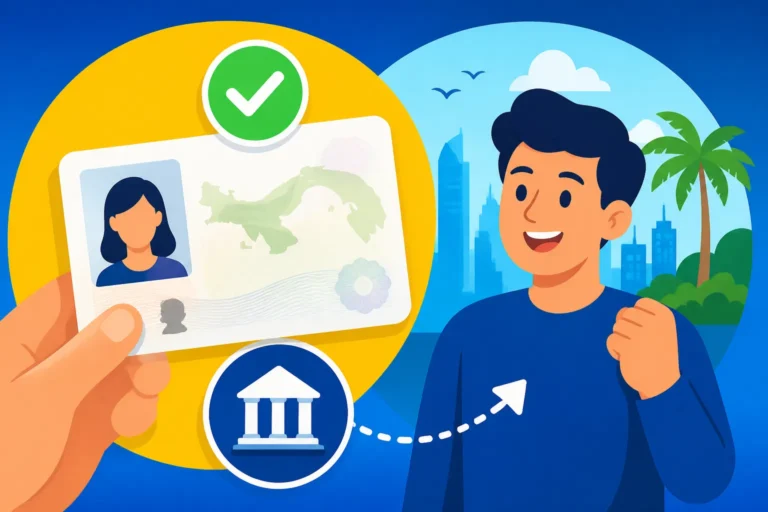
- Permanent Residency and Cedula: Once approved, you’ll receive your permanent residency card and your cédula, which is Panama’s national identity card. This is your official proof of residency.
It sounds like a lot, and it is, but with a good lawyer, it’s a very manageable process. For a comprehensive walkthrough, refer to our article on How to Apply for the Pensionado (Retiree) Visa in Panama.
Unpacking the Benefits and Limitations
The benefits of the Pensionado Visa are truly impressive and significantly enhance the quality of life for retirees in Panama. These include:
- Permanent Residency: The visa grants you indefinite residency, meaning you don't have to worry about renewing it frequently.
- Tax Exemptions: You can import household goods tax-free up to a certain value, and you get a one-time exemption for importing a car (or buying a local one). This can be a huge saving!
- Significant Discounts: This is where the Pensionado Visa really shines. You get 25% off airline tickets and 20% off prescription medications, medical consultations, and hospital services. Even better, there's a 15% discount on private healthcare and 10% on hotel stays. Leisure activities aren't left out either, with 50% off entertainment like movies and concerts, and 25% off utility bills. Imagine getting 25% off your electricity bill every month – that adds up!
- Peace of Mind: Knowing you have a stable legal status and financial advantages in your adopted country can make all the difference.
However, there are a few limitations. The Pensionado Visa does not grant you the right to work in Panama. It is strictly for those living on a pension. Also, while the discounts are fantastic, they sometimes require a bit of assertive communication or a polite reminder to ensure they are applied, especially in smaller establishments. It’s part of the expat experience here!
Beyond the Pensionado: Other Residency Options for Retirees
While the Pensionado Visa is undoubtedly the most popular route for retirees, it's not the only game in town. Panama offers several other residency programs that might be suitable for individuals who don't meet the Pensionado requirements or prefer a different path. It's worth exploring these alternatives with your immigration lawyer to see if one aligns better with your specific circumstances.
The Friendly Nations Visa: A Path for Some
The Friendly Nations Visa was, for a long time, an incredibly popular and relatively straightforward path to residency for citizens of a specific list of countries deemed "friendly" to Panama. While the requirements have been adjusted over the years, it still offers a viable option, particularly for those looking to invest in a business or secure employment. Initially, it simply required proving economic solvency and intent to reside in Panama. Now, to qualify for permanent residency under this visa, applicants typically need to demonstrate either a local employment contract, the purchase of real estate worth at least $200,000, or a fixed-term deposit in a Panamanian bank of the same amount.
This visa is generally aimed at working professionals or investors, but if you're a retiree who plans to start a small business, or you're considering buying property anyway, it could be a fit. It also provides the right to work, which the Pensionado Visa does not. For some retirees who want to stay active or have additional income streams, this flexibility can be very appealing. The Friendly Nations list includes countries like the USA, Canada, most European Union nations, Australia, New Zealand, and many others. If you're from one of these countries and the Pensionado isn't quite right, our guide on Understanding the Friendly Nations Visa in Panama (2027) offers more detailed information.
Investment-Based Residency for the Financially Savvy
For those with more substantial financial resources, Panama offers several investment-based residency programs, often referred to as "Golden Visas." These programs aim to attract foreign capital by granting residency in exchange for significant investments in the Panamanian economy. The most prominent of these is the Qualified Investor Visa.
Under the Qualified Investor Visa, you can obtain permanent residency by making one of several qualifying investments:
- Real Estate Investment: Investing at least $300,000 USD in Panamanian real estate. This figure often changes, so always confirm the latest amount with your lawyer.
- Purchase of Government Bonds: Investing $500,000 USD in government bonds through the National Bank of Panama.
- Fixed-Term Bank Deposit: Making a fixed-term deposit of $500,000 USD in a local bank for at least three years.
- Investment in a Panamanian Company: A less common route, but also possible for larger investments.
These options offer a direct and often faster path to permanent residency for those who can meet the financial thresholds. It’s a good choice if you're planning a substantial real estate purchase anyway or wish to diversify your investment portfolio while securing your residency. Unlike the Pensionado, these visas don't come with the same specific discounts, but they offer the freedom and stability of permanent residency.
Here's a quick comparison of the main residency pathways for retirees in Panama:
| Visa Type | Primary Requirement | Minimum Monthly Income/Investment | Right to Work | Key Benefits |
|---|---|---|---|---|
| Pensionado Visa | Guaranteed lifetime pension | $1,000 USD (+$250 per dependent) | No | Significant discounts on services, travel, meds. |
| Friendly Nations | Citizen of specific countries + local employment/investment | $200,000 USD real estate/deposit, OR local job | Yes | Path to permanent residency, work rights. |
| Qualified Investor | Real estate purchase, bonds, or bank deposit | $300,000 – $500,000 USD | No (unless business investment) | Fast track to permanent residency. |
Practical Steps for a Smooth Relocation
Moving to a new country, especially for retirement, is more than just getting a visa. It involves a myriad of practical decisions and adjustments. From packing your bags to setting up your new home, each step requires careful planning.
Getting Your Affairs in Order Before the Move
Before you even step foot on Panamanian soil, there are several crucial tasks to tackle. First, seriously consider paring down your possessions. Moving internationally can be expensive, and you might find that many items aren't worth the cost of shipping. Moving companies like Sirelo can provide quotes for international relocation services, but even with professional help, shipping can be costly and time-consuming. Think about what you truly need and what can be replaced or purchased new in Panama. Many expats find it more economical to buy furniture and appliances locally.
Next, get your financial house in order. While it's relatively easy for expats to open a bank account in Panama once they have residency, having access to funds during the transition is vital. You’ll want to notify your current banks and credit card companies of your move and check for international transaction fees. Also, ensure all important documents – birth certificates, marriage certificates, wills, medical records, etc. – are organized, apostilled (if necessary), and readily accessible. Having digital and physical copies is always a good idea. Consider our article on The Expat Guide to Opening a Bank Account in Panama for future reference.
Finally, think about your existing healthcare coverage. Will your current policy cover you abroad? For how long? This is where international health insurance becomes particularly important. Lining up a policy before you move ensures continuity of care from day one.
Setting Up Your Life Once You Arrive
Once you’ve landed, the real adventure of setting up your new life begins. One of the first things you'll want to do is find a place to live. Whether you plan to rent initially or purchase property, having temporary accommodation booked for your first few weeks is essential. Rental properties can vary widely, from furnished apartments in modern buildings to more traditional homes. It's wise to rent for a while before buying to get a feel for different neighborhoods and what suits your lifestyle best. You can find out more about rental costs in specific areas by checking out How Much Does It Cost to Rent an Apartment in Panama City in 2026?.
Connecting utilities like electricity, water, and internet will be high on your list. This can sometimes be a bureaucratic dance, but it’s manageable. Internet services are generally good in urban areas, with options for fibre optic in many parts of Panama City. Establishing your mobile phone service is also easy, with several providers offering competitive plans. And don't forget the fun part: exploring your new surroundings! Getting to know your local market, finding your favorite coffee shop, and understanding public transportation options like the Metro in Panama City will help you settle in faster. Remember, the pace of life might be different, and things might not always work exactly as they do back home – patience is a virtue here!
Health and Wellness Considerations for Expats
As a retiree, your health is paramount. While Panama offers excellent private medical facilities, it’s important to understand the system. Beyond insurance, consider finding an English-speaking general practitioner soon after you arrive. Many doctors in Panama City, especially specialists, have trained abroad and are fluent in English, making communication much easier. It's also a good idea to research pharmacies and understand how to get prescriptions refilled, particularly if you have ongoing medical needs.
Beyond physical health, don't underestimate the importance of mental and emotional well-being during such a significant life change. Moving can be exciting but also stressful. Staying connected with friends and family back home, joining expat groups, and finding hobbies that keep you active and engaged are all vital for a healthy adjustment. Panama offers an abundance of outdoor activities, from hiking in the mountains to swimming in the ocean, which can be fantastic for both physical and mental health. Taking advantage of the beautiful climate and natural environment can be a great way to stay active and happy in your new home. For more detailed insights into navigating the medical landscape, refer to How to Choose Private Health Insurance in Panama (2027).
Moving to Panama for retirement is a dream for many, and it's a dream that is entirely within reach. With careful planning, a good legal team, and an open mind, you can navigate the immigration process and build a fulfilling new life in this beautiful country. Remember, you're not just moving to a new place; you're embarking on a new adventure. For a broader perspective on the move, consider reading Understanding How to Move to Panama Legally from Abroad (2027).
Disclaimer
The information provided in this guide is intended for general informational purposes only and does not constitute legal, financial, or medical advice. Immigration laws, tax regulations, and healthcare policies in Panama can change frequently. It is essential to consult with qualified Panamanian legal professionals, financial advisors, and healthcare providers for advice tailored to your specific situation before making any decisions related to your relocation or retirement in Panama.