How Do I Get a Referral to a Specialist in Panama?
One of the biggest head-scratchers when you first move to Panama, beyond figuring out the bus routes or where to find a decent cup of café con leche, is tackling the healthcare system. It's especially confusing when you need to see a specialist, not just for a common cold, but for something specific that requires expert eyes. The process isn't always straightforward, and for us expats, it can feel like navigating a maze blindfolded. This guide is here to untangle that knot, offering a clear, empathetic roadmap on how to get a referral to a specialist in Panama, no matter if you're leaning on the public system or embracing private care.
Deciphering the Panamanian Referral System: Public vs. Private Pathways
When you're dealing with healthcare in a new country, it's easy to assume things work like they do back home. In Panama, though, you quickly learn that the system has its own rhythm and nuances, particularly when it comes to seeing a specialist. We have essentially two main routes: the public system, run by the Caja de Seguro Social (CSS), and the private sector, which offers a different experience altogether. Understanding these pathways is the first crucial step.
The Bureaucracy of Public (CSS) Referrals
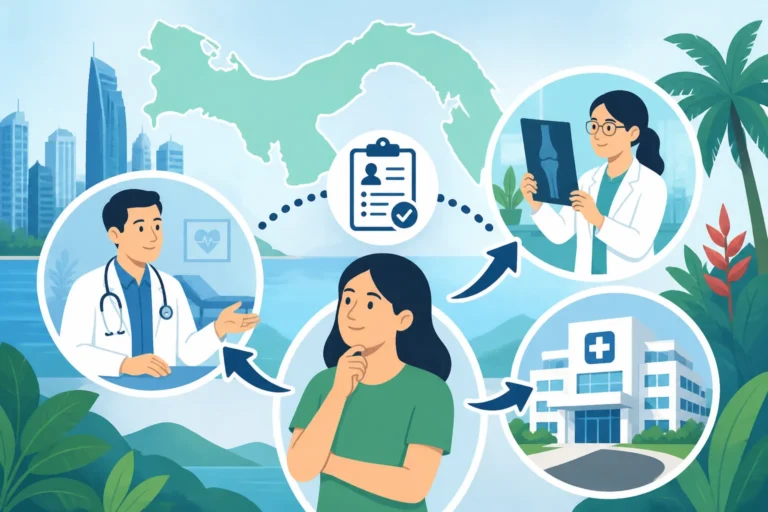
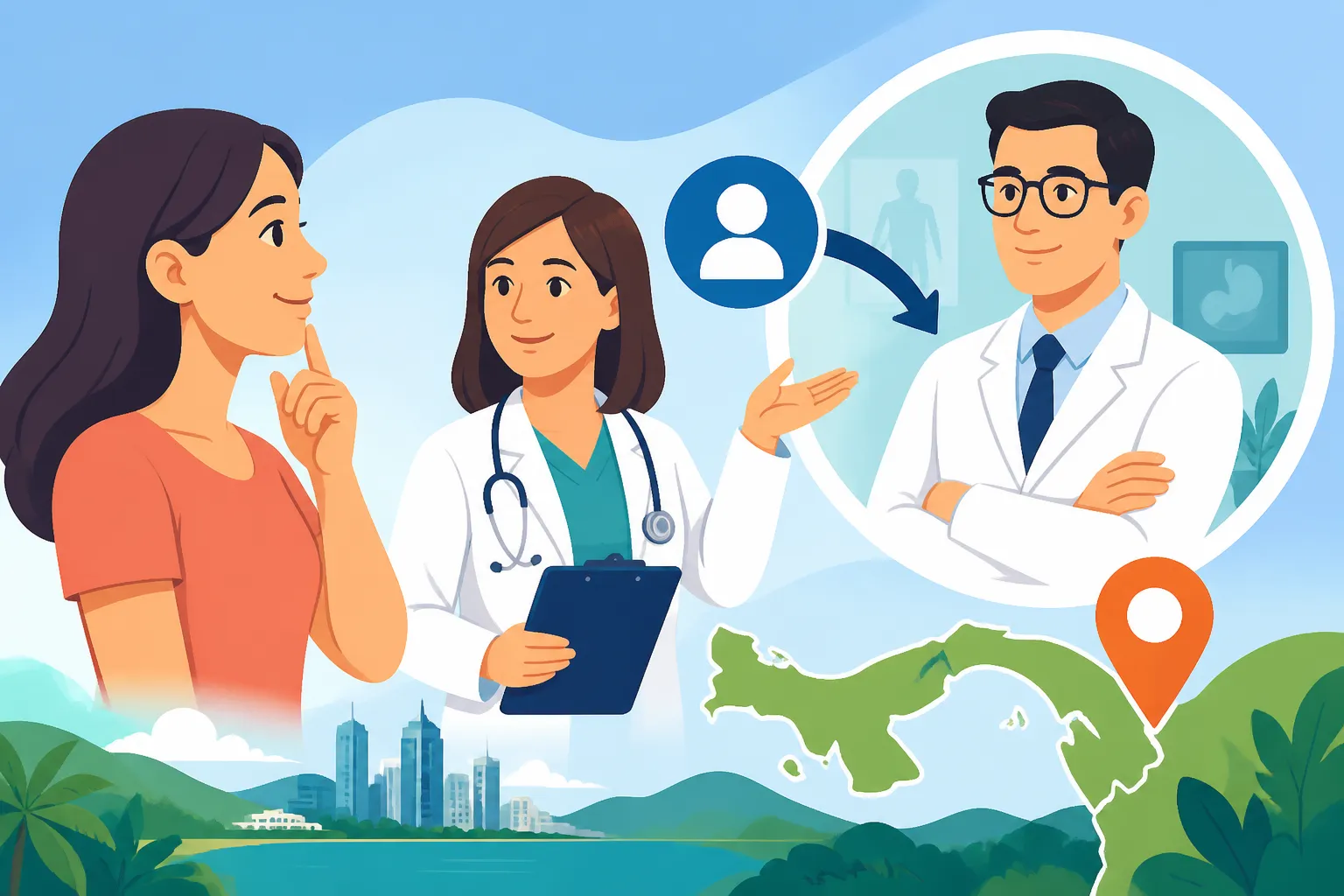
Let's talk about the CSS, Panama's public healthcare system. If you're employed in Panama and paying into social security, you're technically covered by the CSS. This system is designed to provide care for everyone, but the reality for expats can be a bit challenging. The standard procedure here usually dictates that you must first see a general practitioner (GP) at a local CSS clinic (Policlínica). This GP acts as the gatekeeper. They will assess your condition and, if they deem it necessary, provide a referral to a specialist within the CSS network.
The challenge, and where many expats find themselves frustrated, often lies in the journey itself. Imagine waking up with a persistent, worrying cough. You go to your local Policlínica, wait your turn, and explain your symptoms to the GP. They might prescribe a general medication or ask you to come back if it doesn't improve. If it persists, they might then refer you to a pulmonologist. Sounds simple enough, right? In practice, the wait times for specialist appointments within the CSS system can be notoriously long. We're talking weeks, sometimes even months, for non-urgent cases. Getting your initial appointment with a GP, then getting the referral processed, and finally securing the specialist appointment can feel like a test of patience, especially if you're not fluent in Spanish and trying to understand the administrative processes. For an expat still getting their feet wet, this can feel like an insurmountable hurdle, making you question if you'll ever get to see that specialist.
Streamlined Access in the Private Healthcare Sector
Now, shift gears to the private healthcare system. This is where many expats, especially those with private health insurance, find a more familiar and often more efficient experience. The private sector in Panama is robust, particularly in major cities like Panama City, boasting modern hospitals and clinics with well-trained, often English-speaking, medical professionals. Here, the referral process can be much more direct.
With private insurance, whether it's a local plan or an international one like SafetyWing, you often have the flexibility to see a specialist without a formal GP referral, depending on your plan's specifics and the nature of your ailment. For instance, if you have a nagging skin issue, you could often call a private dermatologist's office directly and book an appointment. No need to pass GO, no need to collect 200 dollars from a GP's referral slip first. This direct access is a huge relief for many of us, as it cuts down on waiting times and bureaucratic hurdles. However, it's crucial to Understand Private Health Insurance Plans in Panama to know your specific coverage. Some plans do require a GP visit for certain conditions to ensure costs are covered, or they might have different co-pays for direct specialist visits versus referred ones. Always double-check your policy or call your insurance provider first. The key takeaway here is that the private system offers more autonomy and speed, which for many expats, is a significant peace of mind.
Your Step-by-Step Guide to Securing a Private Specialist Referral
Given that most expats tend to rely on the private healthcare system for its efficiency and quality of care, let's dive into the practical steps for securing a specialist referral within this framework. This process is generally more straightforward than navigating the public system, but it still requires some proactive effort on your part.
Initiating Your Search: Finding the Right GP or Specialist
The first hurdle is often knowing where to start. If your private insurance requires a GP referral, or if you simply prefer a primary care physician to guide your care, finding the right one is paramount. Look for doctors who are accustomed to treating international patients, which often means they're fluent in English. Word-of-mouth recommendations from other expats are invaluable here, as are online expat forums and social media groups. You can also directly ask your insurance provider, such as SafetyWing, for recommendations of in-network doctors and specialists. Many hospitals, especially in Panama City, have doctor directories on their websites, often indicating languages spoken.
Once you have a few names, don't hesitate to do a quick background check. A good starting point is to look up clinics or private practices. For instance, in Panama City, hospitals like Punta Pacifica, Hospital Nacional, and Centro Médico Paitilla are well-regarded and house numerous specialists. In other areas, you might look at Clinica Hospital David in David or Mae Lewis in Boquete. When choosing, consider not just their specialty, but also their bedside manner, location, and whether they accept your insurance. Remember, this isn't just about finding a doctor; it's about finding a medical partner who understands your needs and can effectively communicate with you. For a deeper dive, check out our guide on How to Find an English-Speaking Doctor in Panama.
Navigating Insurance, Payments, and Appointments
Once you've identified a potential GP or specialist, the next step is booking that initial appointment. This is usually done by calling the clinic or hospital directly. If you're not confident in your Spanish, ask a Spanish-speaking friend to help, or see if the clinic has an English-speaking receptionist. Be prepared to provide your personal details, a brief reason for your visit, and your insurance information. Many private clinics will ask for your insurance details upfront to verify coverage.
When it comes to payment, there are usually a few scenarios. If your insurance plan, like those offered by SafetyWing, has direct billing agreements with Panamanian clinics or hospitals, you might only need to pay a co-pay or deductible at the time of service. If not, you'll likely pay out-of-pocket and then submit a claim for reimbursement to your insurance provider. It’s always a good idea to clarify these details when you book your appointment. Ask about the consultation fee, how they handle insurance, and what payment methods they accept. Understanding Out-of-Pocket Healthcare Costs and Co-Pays in Panama is crucial here.
If you initially see a GP and they recommend a specialist, they will typically give you a written referral (often called a referencia). This document might be a simple note or a formal letter, detailing your symptoms, the GP's findings, and the reason for the specialist consultation. When you then call to book with the specialist, make sure to mention you have a referral. Bring this document, along with your passport, residency card (cédula), and insurance card, to your specialist appointment. This ensures a smoother process and helps the specialist get a complete picture of your medical history. If you're going directly to a specialist without a GP visit, ensure your insurance plan allows it without penalty.
Aspect Public (CSS) Referral Process Private System Referral Process SPSPD_GET_REFERRAL_TO_SPECIALIST_IN_PANAMA_PANAMA
Health & Medical Pillar The Complete Guide to Healthcare in Panama for Expats (2026)
Health & Medical Pillar Navigating the Panamanian Healthcare System: An Expat's Roadmap (2026)
Health & Medical Pillar Health Insurance in Panama: Private and International Options Explained
Health & Medical Pillar How to Choose Private Health Insurance in Panama (2026)
Health & Medical Cluster How to Find an English-Speaking Doctor in Panama
Health & Medical Cluster Understanding Out-of-Pocket Healthcare Costs and Co-Pays in Panama
Health & Medical Cluster How to Choose and Register with a Doctor or Clinic in Panama
Health & Medical Cluster Understanding the Difference Between Public and Private Hospitals in Panama
Health & Medical Cluster How to Claim Reimbursement from Private Insurance in Panama
Health & Medical Cluster Prescription Medications and Pharmacies in Panama: The Complete Guide
Health & Medical Cluster Emergency Medical Care in Panama: What Every Expat Needs to Know
Insider Tips for Expats: Making Your Referral Process Smoother
Navigating any healthcare system in a foreign country comes with its own set of challenges, and Panama is no exception. As an expat, you'll encounter cultural differences, language barriers, and administrative peculiarities that can make a simple referral feel like a Herculean task. But fear not, there are several strategies you can employ to make the process as smooth as possible.
Communicating Effectively with Panamanian Medical Professionals
One of the most critical aspects of getting good care, and therefore a timely referral, is effective communication. While many doctors in private hospitals speak English, not all do, and receptionists or nurses might have limited English proficiency. Don't assume everyone will understand your medical jargon or cultural references.
Be Prepared: Always try to articulate your symptoms clearly and concisely, ideally with key phrases in Spanish if you know them. Even a small phrase like "Necesito una referencia para un especialista" (I need a referral for a specialist) can go a long way. Bring a small notebook to jot down key information or questions. If your Spanish is truly limited, consider bringing a Spanish-speaking friend or hiring a medical interpreter for important appointments. Many private clinics or hospitals in Panama City can arrange this for you, or your insurance provider like SafetyWing might offer translation services as part of your benefits package.
Bring Your Records: Always carry copies of any relevant medical history, previous test results, and a list of current medications (with generic names if possible). This helps the doctor quickly understand your situation and reduces the need for redundant tests, which can save you time and money. For any prescribed medications, you'll find the guide on Prescription Medications and Pharmacies in Panama: The Complete Guide incredibly useful.
Don't Be Afraid to Ask Questions: Panamanian doctors are generally very professional and approachable. Don't be shy about asking for clarification if you don't understand something. Ask about the reason for the referral, what to expect from the specialist, and how long the process might take. It's your health, and you have every right to be fully informed.
Preparing for Your Specialist Visit: What to Expect
Once you've secured that specialist appointment, a little preparation can significantly enhance your visit. This isn't just about bringing the right documents; it's also about managing your expectations and being an active participant in your care.
Documentation is Key: Reiterate the need for all your documents: passport, cédula, insurance card, and any referral letters from your GP. Also, bring any previous X-rays, lab results, or imaging scans related to your condition. Many clinics still prefer physical copies or CDs for imaging, so don't assume digital records will suffice.
List Your Questions and Concerns: Before your appointment, write down all your questions and concerns. It's easy to forget things in the moment, especially if you're feeling anxious. This ensures you cover everything you want to discuss with the specialist. For example, ask about treatment options, potential side effects, recovery times, and follow-up care.
Understand the Costs: Even with insurance, specialists might have different fees, and some tests might not be fully covered. Always ask for an estimate of costs for consultations, diagnostic tests, or procedures. This proactive approach helps you manage your budget and avoids unpleasant surprises. If you need to Claim Reimbursement from Private Insurance in Panama, knowing the costs upfront is vital.
Be Patient and Respectful: Healthcare in Panama, even in the private sector, can sometimes move at a different pace than you're used to. Appointments might run a little late, or administrative processes might take longer. A little patience and a respectful attitude go a long way in fostering good relationships with medical staff, which can indirectly lead to smoother care. Remember, you're navigating The Complete Guide to Healthcare in Panama for Expats (2027), and adapting is part of the journey.
Accessing Common Specialists Across Panama
Panama offers a wide range of specialist care, particularly in its urban centers. From cardiologists to orthopedists, you'll find highly qualified professionals. Knowing where and how to access them can make a big difference in your healthcare journey.
Key Specialist Fields and Their Typical Referral Routes
Most major specialist fields are well-represented in Panama's private healthcare system. Here's a quick overview of how you might typically access some common specialists:
- Cardiologists: Often sought for heart-related concerns. You can usually book directly with a private cardiologist if you have symptoms like chest pain or palpitations, especially if your insurance allows direct specialist access. If a GP refers you, they'll likely conduct initial tests (like an EKG) before sending you on.
- Dermatologists: For skin conditions, direct booking is very common in the private sector. You can usually find dermatologists easily in private clinics.
- Gynecologists/Obstetricians: Many women in Panama seek gynecological care directly, without a prior GP referral, for routine check-ups, prenatal care, or specific concerns. This is a common practice in the private system. If you're planning a family, Understanding Maternity and Prenatal Care in Panama can be helpful.
- Orthopedists: For issues with bones, joints, and muscles (e.g., sprains, fractures, arthritis), a GP might refer you after initial assessment, or you might go directly if you know the nature of your injury (e.g., a sports injury requiring immediate specialist attention).
- Ophthalmologists: Eye care is quite accessible. For routine eye exams or specific concerns like cataracts, direct appointments with ophthalmologists in private clinics are standard.
- Pediatricians: For children's health, parents usually register directly with a pediatrician for primary care, bypassing a general adult GP.
In all these cases, if you're using private health insurance like SafetyWing, remember to confirm your coverage and any potential direct billing options or reimbursement procedures before your appointment. This ensures a smoother financial experience and peace of mind.
Top Hospitals and Clinics for Specialist Care
Panama's private healthcare infrastructure is quite advanced, especially in Panama City. These facilities often house a multitude of specialists under one roof, making it convenient for referrals and follow-up care.
-
Panama City:
- Hospital Punta Pacifica: Known for its state-of-the-art facilities and affiliation with Johns Hopkins Medicine International. You'll find a vast array of specialists here. Many expats gravitate to this hospital for comprehensive care.
- Hospital Nacional: Another highly regarded private hospital offering a wide range of specialist services and modern equipment.
- Centro Médico Paitilla: A well-established private hospital with numerous clinics and specialists.
- Clínica Hospital San Fernando: Provides a full spectrum of medical services including specialist care.
-
David, Chiriquí:
- Clinica Hospital David: A prominent private hospital in David, offering various specialist consultations and services for those living outside the capital.
- Hospital Mae Lewis: Another significant private hospital in David, popular among expats in the Chiriquí province, including those in Boquete.
When you're looking for a specialist, calling these hospitals directly and asking for their specialist directory or physician referral service is often the quickest route. They can usually guide you to an available specialist in your required field. For a broader understanding of where these facilities fit into the overall healthcare landscape, our guide on Navigating the Panamanian Healthcare System: An Expat's Roadmap (2027) offers excellent context. Selecting a specialist and a hospital are critical decisions for your health and comfort, so take your time and choose wisely, considering your specific needs and insurance coverage.
Disclaimer
The information provided in this guide is for general informational purposes only and does not constitute medical advice. While we strive to offer accurate and up-to-date information, healthcare systems and regulations can change. Always consult with a qualified healthcare professional in Panama for diagnosis and treatment, and verify information with your specific insurance provider or legal counsel.